REVIEW · PALM SPRINGS
Self-Guided Driving Audio Tour in Joshua Tree National Park
Book on Viator →Operated by GuideAlong (GyPSy Guide) · Bookable on Viator
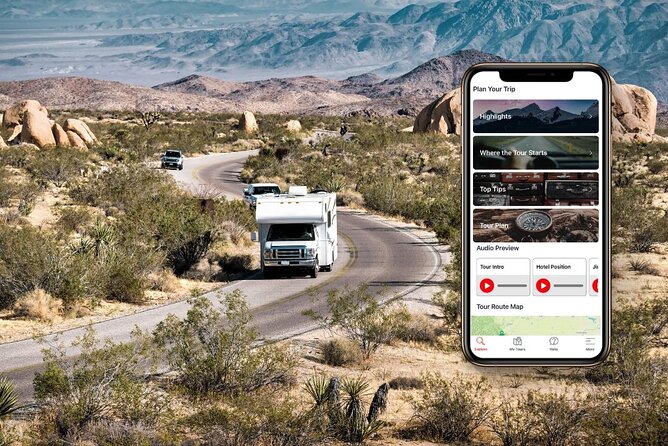
Your phone becomes the ranger. This self-guided driving audio tour uses GPS to play stories and directions as you move through Joshua Tree National Park, so you can shape the day around what you want to photograph and hike.
I like that it’s location-based, so the narration cues you up as you reach each stop, not as a strict bus schedule. I also like the offline setup: download once, then keep going even when cell service disappears.
One thing to consider: this works only if you’re ready before you drive—charge your phone, download ahead, and read the redemption instructions carefully, or you’ll waste time sorting out the app on the road.
In This Review
- Key highlights
- GPS-triggered Joshua Tree makes driving feel guided
- Setup in Palm Springs: do this before you hit dirt roads
- Your day plan: how 15–16 hours can work without stress
- Stop-by-stop: the best moments you can hit in one drive
- Joshua Tree National Park (the main driving portion)
- Arch Rock Nature Trail: the 30-foot granite arch moment
- Barker Dam Trail: history plus easy scrambling
- Cholla Cactus Garden: the famous teddy bear cacti warning
- Hall of Horrors: a choose-your-own-scramble photo corridor
- Hidden Valley Nature Trail: a one-mile loop with a story
- Keys View: the park’s highest road viewpoint
- Skull Rock and Split Rock: fast stops with great angles
- Price and value: $19.99 per group plus the park fee you still need
- What makes the route feel good: flexible, offline, and low-effort
- Who should book, and who might not love it
- Should you book the Joshua Tree self-guided driving audio tour?
- FAQ
- Is this self-guided driving audio tour in English?
- How much does it cost?
- How long is the tour?
- Does the price include Joshua Tree National Park admission?
- Do I need internet once I’m in Joshua Tree?
- How does the audio know when to play?
- Where do I start?
- Is there a time limit or specific start time?
- Does the audio tour expire?
- What if I cancel?
Key highlights
- GPS-triggered audio helps you line up viewpoints and short walks without guessing
- Offline mode means you can tour with no cell service once downloaded
- Big-name photo stops plus low-effort hikes like Arch Rock and Barker Dam
- Easy group value: one purchase covers up to 8 people in the same vehicle
- A flexible route lets you start and stop when your day (and parking) allows
- High scenic rewards at Keys View and the Coachella Valley panoramas
GPS-triggered Joshua Tree makes driving feel guided
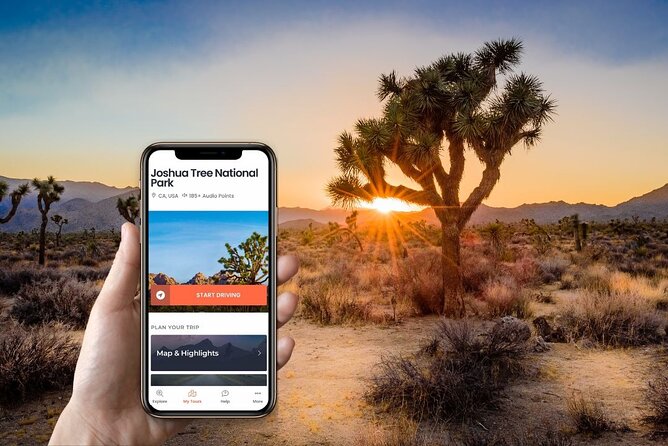
Joshua Tree is the kind of park where it’s easy to drive past the best moments. One turn looks like nothing, then you crest a small rise and suddenly you’re staring at a massive rock face or a viewpoint that covers half the desert.
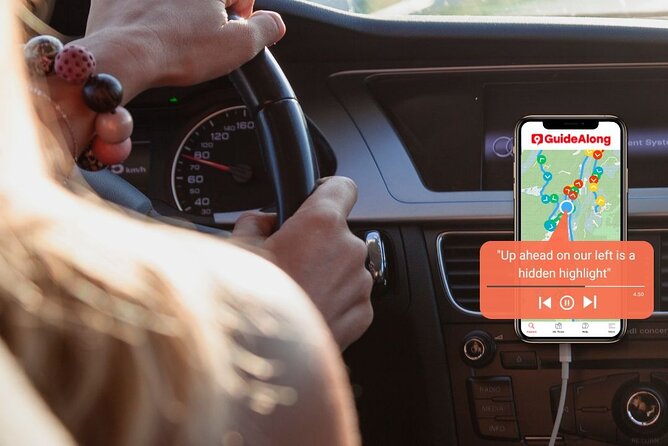
This tour leans into that reality. Instead of you following a rigid timeline, the audio commentary plays automatically when your phone’s GPS registers you near each spot. That matters because Joshua Tree is spread out. With GPS cues, you can concentrate on the road, pull offs, and your timing—without constantly checking a map and losing the story.
It also means your day doesn’t have to be perfect. If you linger at a rock formation or need an extra stop for photos, the tour is still ready for you when you move on.
And because it’s self-guided, you’re not stuck with a group pace. You control when you start, pause, and resume, using either the in-app trip planner or your own instincts.
You can also read our reviews of more tours and experiences in Palm Springs.


Setup in Palm Springs: do this before you hit dirt roads
The experience points you to a meeting location in Palm Springs: 3796 N Indian Canyon Dr, Palm Springs, CA 92262, USA. Even though the meeting point is there, the bigger advantage is that the commentary is location-based. Practically, you can start and end anywhere along the tour route once the audio is downloaded and the app is running.
Here’s how to avoid the most common headaches:
- After booking, you’ll get email and text instructions with a link to download and redeem your voucher code.
- In the GuideAlong app, go to My Tours to download the tour for offline use.
- Preview the start locations and trip planner inside the app before you drive.
This part matters more than it sounds. Joshua Tree can turn your phone into a battery drain fast. Bring a USB/c car charger and make sure your device is fully charged before you roll out. If the battery dies, GPS audio won’t be able to cue you.
If you’re the type who likes to “just start,” I’d still do a quick setup check first: open the tour, confirm it’s downloaded for offline playback, and do a short test so you know what it feels like when it triggers.
Your day plan: how 15–16 hours can work without stress
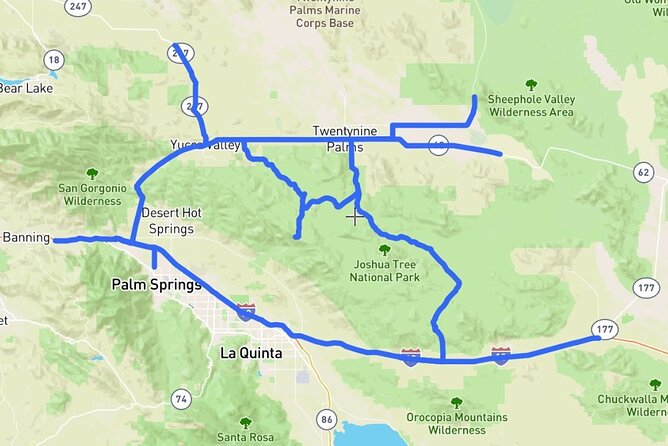
The listed duration is about 15 to 16 hours, but that’s more like a planning range than a hard requirement. Since you can start and stop anytime, the smarter way to think about timing is in blocks:
- A long first block inside the park, where you drive the main route and let the audio guide you between major areas.
- Then a chain of short, rewarding stops—each one is designed so you can park, walk briefly, grab photos, and get back in the car.
Stop durations are part of the experience design. For example, there’s about 8 hours allocated to Joshua Tree National Park itself, followed by shorter “anchor” hikes and viewpoints—most around an hour, plus driving time between them.
If you want the day to feel smooth, aim to start early enough that you can reach the famous photo moments with decent light. Sunset is the big one for Joshua Tree, and the tour includes guidance that points you toward those moments.
Stop-by-stop: the best moments you can hit in one drive
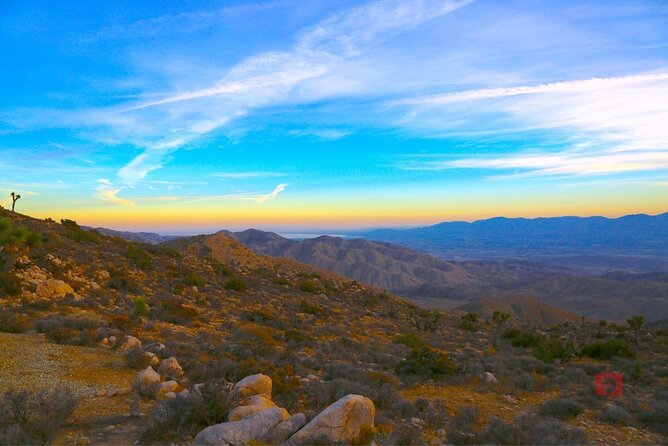
Below is the heart of the route, with what each stop gives you and what to watch for.
Joshua Tree National Park (the main driving portion)
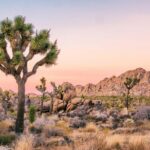
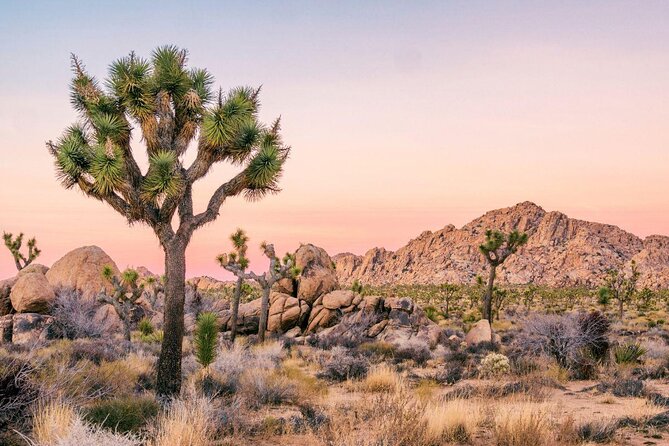
The tour’s first stop is the park experience itself—named for the twisted, spiky Joshua trees, but famous for rugged rock formations, wide desert views, and lots of wildlife potential.
What I like here is that the audio doesn’t treat the park like one long lecture. It’s designed to play as you go, so your driving time turns into “I didn’t just pass that—now I understand what I’m seeing.”
Practical tip: since the narration responds to where you are, take advantage of it. If you park for photos or a quick walk, expect the audio to stay aligned when you move on again.
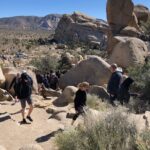
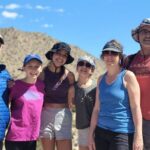
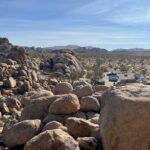

Arch Rock Nature Trail: the 30-foot granite arch moment
Arch Rock is a classic Joshua Tree photo stop. The 30-foot granite arch is reached by a short walk—about 1.4 miles out-and-back—with the arch framed by surrounding formations near White Tank Campground.
The tour strongly hints at one timing sweet spot: sunset. That’s when the granite tends to glow and the sky can go pastel, which makes the photo pop.
One detail I really like: you’re not limited to just Arch Rock. The route recommendation adds a second nearby formation—Heart Rock—especially for that “I came all this way” photo with someone you care about. Heart Rock is more lopsided, but it’s named for a reason, and it’s popular.
Consideration: you’ll be walking on desert terrain, so bring water and watch your footing on uneven ground.
Barker Dam Trail: history plus easy scrambling
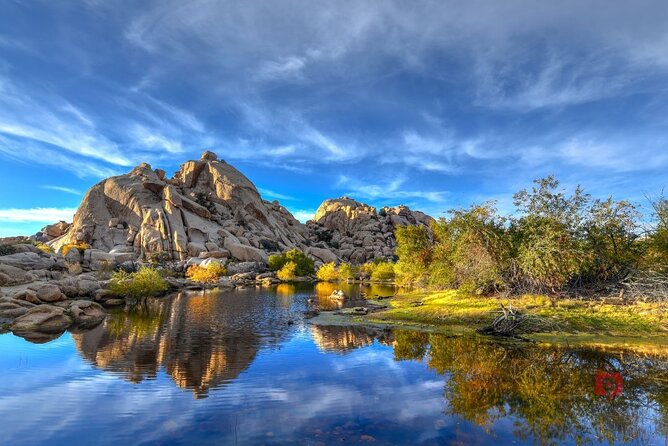
Barker Dam is a natural basin that was walled in 1902 to improve water storage for cattle ranchers. It’s one of those spots where the scenery feels worth the effort, even if you keep the hike short.
The route is a 1.3-mile nature loop with easy scrambling and interpretive panels. You’ll pass by the southern edge of the backcountry area known as the Wonderland of Rocks, which helps explain why this region looks so dramatic.
Important nuance: it’s not a true dam in the modern engineering sense—it’s a natural basin with a wall that was used for storage. Either way, the payoff is a pretty basin setting and a sense of how ranching shaped this landscape.
Cholla Cactus Garden: the famous teddy bear cacti warning
This is one of the most surreal stops in Joshua Tree. The Cholla Cactus Garden features hundreds of cacti that look almost fuzzy in the right light—especially in the silver and gold fading daylight.
The tour tells you exactly what to watch for: the “furry” look comes from dense spines. They’re not plush. They’re spines, and they’re designed to grab onto anything that touches them.
So here’s the practical approach: enjoy the view from a safe distance. Don’t reach in for a closer shot, and definitely don’t touch anything “because it looks soft.” Even accidental contact is the risk here.
Hall of Horrors: a choose-your-own-scramble photo corridor
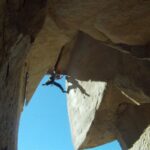
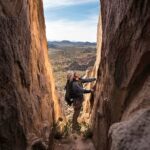
Hall of Horrors is a cluster of rock formations that many people explore by scrambling. It’s also a well-known rock area, which is why you’ll see paths that feel more like “navigate with caution” than “stroll on a maintained walkway.”
The tour describes the namesake corridor (the narrow dark passage) as something you find by circling the right side of the first formation you see, then exploring around toward the second formation back from the road. In other words: you may need to do a bit of searching and be willing to move around rougher terrain.
If you’re comfortable with scrambling, the payoff is a fun photo moment and those weird, carved-looking views between rocks. If you’re not, you can still enjoy the formations and scenic angles without going deep into the corridor area.
Hidden Valley Nature Trail: a one-mile loop with a story
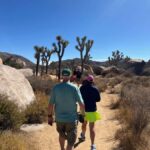
Hidden Valley is an easy 1-mile loop through a rock-enclosed valley on dirt and rock trails. You’re surrounded by big formations and granite domes, and the place feels like it’s been “held back” from the road.
The story angle adds character. The route mentions the valley was isolated enough to be used as a hideout for the McHaney Gang, outlaws and cattle rustlers active in the 1870s and ’80s.
This is the stop I’d choose when you want a leg-stretcher hike that’s still visually exciting. It’s short enough to fit into a longer driving day without blowing your schedule.
Keys View: the park’s highest road viewpoint
Keys View is where you stop for panorama. The viewpoint sits on the crest of the Little San Bernardino Mountains and gives panoramic views of the Coachella Valley.
The tour notes a 10-minute side-trip drive upward to an elevation of 5,185 feet, and that Keys View is the highest road in the park. From here, you can see a broad sweep that includes the San Andreas Fault area and distant Salton Sea, plus views toward Palm Springs and the snowcapped peaks of San Jacinto Peak and Mount San Gorgonio.
If you only have energy for one “big view” photo, make this the one. It turns the day from rocks and cacti into a full-on “how the earth got shaped” perspective.
Skull Rock and Split Rock: fast stops with great angles
These are the kind of Joshua Tree stops that reward patience with angles.
Skull Rock looks like a skull due to how erosion shaped the rock and created hollowed-out “eye sockets.” The tour also points out something you can actually notice yourself: the skull changes its mood depending on the sun angle and your perspective.
Split Rock is a gigantic boulder that appears split in two. You get a good short hike to the rock and a nice picnic area to pause. It’s one of those spots where you’ll naturally wonder what forces could create that kind of fracture.
Both of these work well as late-day stops when you still want motion and scenery without another long walk.
Price and value: $19.99 per group plus the park fee you still need
The audio tour costs $19.99 per group (up to 8 people in the vehicle). That’s why this format makes sense for families and friend groups: one purchase covers everyone riding together.
But the other half of the budget is park entry. The tour data lists Park Fees Not Included: $15.00 per person. So if you’re comparing value, you want to price it as:
- your audio tour purchase per vehicle
- plus park admission per person
Where the value really shows: with a GPS-guided route, you’re not just paying for background sound. You’re paying for timing help—knowing when to pull over, what to expect, and how to connect short hikes to the best stops.
Also, the purchase is one-time and forever with no expiry, plus free updates. That makes a difference if you plan to return to the area or if you buy it for a future trip by accident-proofing your plans.
What makes the route feel good: flexible, offline, and low-effort
This tour’s format is built for real travel days. It doesn’t assume you’ll hit every stop.
You can:
- control your pace
- start and pause without rebooking anything
- download ahead and tour offline
- use trip planning tools (in-app, web, or PDF)
And because it’s GPS triggered, the audio cues help you reduce friction. You spend less time deciding what to do next, and more time actually looking.
The best part is how the stops are mixed:
- short hikes (like Arch Rock and Hidden Valley)
- a history-rich loop (Barker Dam)
- visual “hit and move” formations (Skull Rock, Split Rock)
- viewpoints that give context (Keys View)
- and one stop where you can choose more adventure (Hall of Horrors)
Who should book, and who might not love it
You’ll probably be happiest with this tour if:
- you want a self-paced day in Joshua Tree
- you travel with others and want group value (up to 8 per purchase)
- you’re okay doing a few short desert walks
- you want stories and practical directions without a live guide
You might want to think twice if:
- you hate app-based travel and don’t want to handle setup before driving
- you’re expecting park admission to be included (it isn’t)
- you want a fully guided, step-by-step hike leader for the more scrambling-friendly areas
Since the route includes scrambling-style stops, it’s smart to choose your comfort level early—especially if you’d rather keep things easy and predictable.
Should you book the Joshua Tree self-guided driving audio tour?
I’d book it if you want Joshua Tree to feel organized without feeling scheduled. The GPS-triggered narration, the offline design, and the way the route mixes short walks with big viewpoints add up to a smooth day—especially if you’re doing it with a carload of people.
Skip it only if you know you won’t do the setup part. If your phone battery dies or you forget to download, the tour can’t do its main job: triggering at the right places.
If you can handle one afternoon of planning and keep your charger handy, this is a solid way to get more meaning out of the park while still moving at your own pace.
FAQ
Is this self-guided driving audio tour in English?
Yes. The audio tour is offered in English.
How much does it cost?
It costs $19.99 per group (up to 8 people).
How long is the tour?
The tour duration is listed as about 15 to 16 hours.
Does the price include Joshua Tree National Park admission?
No. The park fee is not included. Park admission is listed as $15.00 per person.
Do I need internet once I’m in Joshua Tree?
No. After you download the tour in advance, it works offline, so you can tour without cell service.
How does the audio know when to play?
The commentary plays automatically based on your phone’s GPS location as you drive.
Where do I start?
A listed start point is 3796 N Indian Canyon Dr, Palm Springs, CA 92262. You can also start or end along the route because the audio triggers by location.
Is there a time limit or specific start time?
The opening hours listed run 12:00 AM to 11:59 PM, and the tour doesn’t require a specific time slot to use.
Does the audio tour expire?
No. It’s a one-time purchase with no expiry, and it includes free updates.
What if I cancel?
You can cancel for a full refund if you cancel at least 24 hours before the experience start time. If you cancel less than 24 hours before, the amount paid is not refunded.
If you want, tell me how many people you’re bringing and what time of day you plan to enter the park (morning vs. sunset). I can suggest a sensible order for prioritizing Arch Rock, Cholla Cactus Garden, and Keys View.