REVIEW · CANTERBURY NEW ZEALAND
Mount Cook: Tasman Glacier & National Park Scenic Flight
Book on GetYourGuide →Operated by Southern Lakes Helicopters · Bookable on GetYourGuide
Aoraki and the Tasman Glacier look different from the air. This is a 40-minute Mt Cook helicopter scenic flight where you fly high over the national park and then along the full length of the Tasman Glacier, with views you can’t really fake from the ground. I love the way the route is built for big, clear photo angles, and I also love the idea of getting close enough for a real glacier landing moment.
One thing to plan for: the flight is weather dependent, so conditions can affect what they can fly and when.
In This Review
- Key Highlights Worth Showing Up For
- Entering Aoraki/Mt Cook from the Sky
- Meeting at Heliworks Mt Cook (and Making It Easy)
- The Pre-Flight Part: Safety Briefing, Weight Checks, and the Rollout
- What Happens During the 40-Minute Helicopter Flight
- Soaring Over Aoraki/Mt Cook and the National Park
- Flying Along the Tasman Glacier’s Full Length
- Hovering Over the Glacier for Size and Scale
- Glacier Landing on the Tasman Glacier (and Getting Down)
- Photography and What to Bring So You Don’t Miss Shots
- Price and Value: Is $379 Worth a 40-Minute Flight?
- Who This Helicopter Flight Is Best For
- Small Practical Considerations Before You Go
- Should You Book This Mt Cook Helicopter Flight?
- FAQ
- How long is the Mt Cook Tasman Glacier scenic flight?
- Where do I meet for the tour?
- Is hotel pickup and drop-off included?
- What’s included in the price?
- Is there an English guide during the experience?
- What should I bring with me?
- Are drones, selfie sticks, or bags allowed?
- Are flights weather dependent?
- What do you need from passengers before flying?
Key Highlights Worth Showing Up For
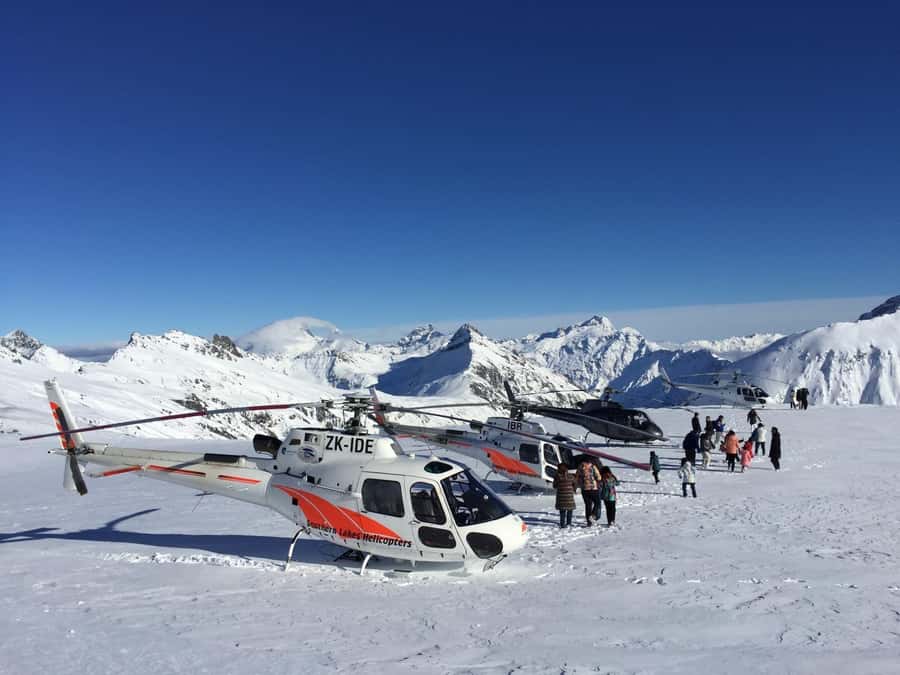
- Flight along the full Tasman Glacier gives you the “river of ice” scale that ground viewpoints can’t match
- Glacier hover and snow landing mean you can actually step out for photos
- In-flight commentary in English helps you understand what you’re seeing as you see it
- Views of Aoraki/Mt Cook, hanging glaciers, and blue ice turn the ride into more than sightseeing
- Possibly quiet time for the sound of silence if the pilot shuts off the helicopter
Entering Aoraki/Mt Cook from the Sky
If you only come to Mount Cook for viewpoints, you’ll still have a great trip. But you miss the part where the mountains stop looking like “photos” and start looking like real terrain with scale. This flight is short, yes, but it’s focused: you gain altitude fast, you get close to the peaks, and you spend real time looking down at glacier ice rather than just passing over it.
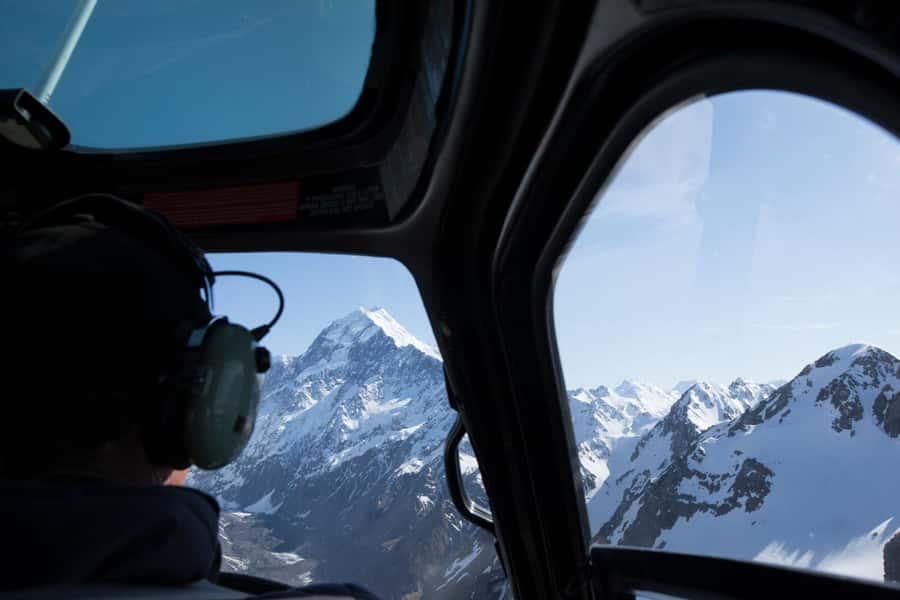
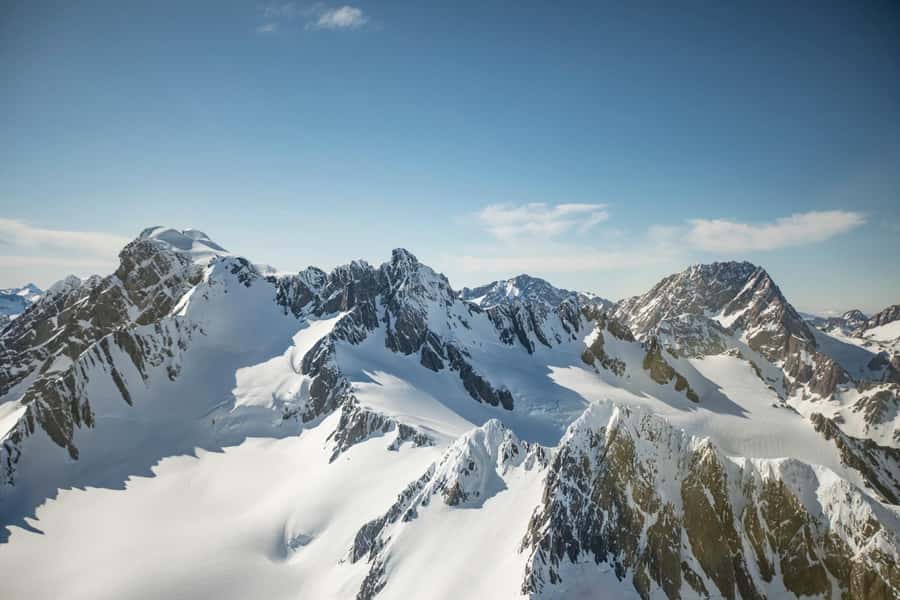
The national park sits in New Zealand’s high alpine zone, and from the cockpit you see how everything lines up—summits, ridgelines, and the glacier system feeding the valleys. You’ll also get a direct look at New Zealand’s highest peak, Aoraki/Mt Cook, from an angle most people never get.
And if you’re thinking, I just want the best possible views for time and effort, that’s the whole logic here. Helicopters can be pricey, but this one packs glacier scale into a single, efficient outing.
Meeting at Heliworks Mt Cook (and Making It Easy)
Your starting point is Heliworks Mt Cook. When you enter through the sliding doors, turn left—you’ll find the operation there. Plan to arrive 15 minutes before your scheduled start so you have time to check in and get sorted without stress.
This is also the moment to think practically. You’ll want your camera ready and your layers figured out, because once you’re airborne you won’t want to be fumbling with pockets. Closed-toe shoes matter for glacier landing conditions, and you’ll be glad you wore something solid.
No hotel pickup is included, so you’ll be responsible for getting yourself to Heliworks. If you’re coming from town or nearby stops, build in buffer time for parking and walking so you don’t feel rushed.
The Pre-Flight Part: Safety Briefing, Weight Checks, and the Rollout
Before you fly, you’ll get a full safety briefing. You’ll also have a professional pilot at the controls, plus inflight commentary during the scenic portion.
One detail I’m glad the tour data is clear about: you need to provide all passengers’ weights. That’s standard aircraft weight-and-balance work, and it matters on a helicopter. If you’re traveling with people who don’t like paperwork, remind them early so it doesn’t become an awkward scramble later.
Also, the flight depends on weather. That means you should treat your schedule like a plan, not a guarantee. When conditions are right, the day turns into a highlight. If not, the operator has to make the call based on safety and what they can fly.
What Happens During the 40-Minute Helicopter Flight
You’re looking at a 40-minute total flight time, which is long enough to get a proper “arc” over the mountains and short enough that you don’t feel exhausted. The itinerary is essentially built around two big story beats: Aoraki/Mt Cook and the national park from above, then the glacier itself end-to-end.
Soaring Over Aoraki/Mt Cook and the National Park
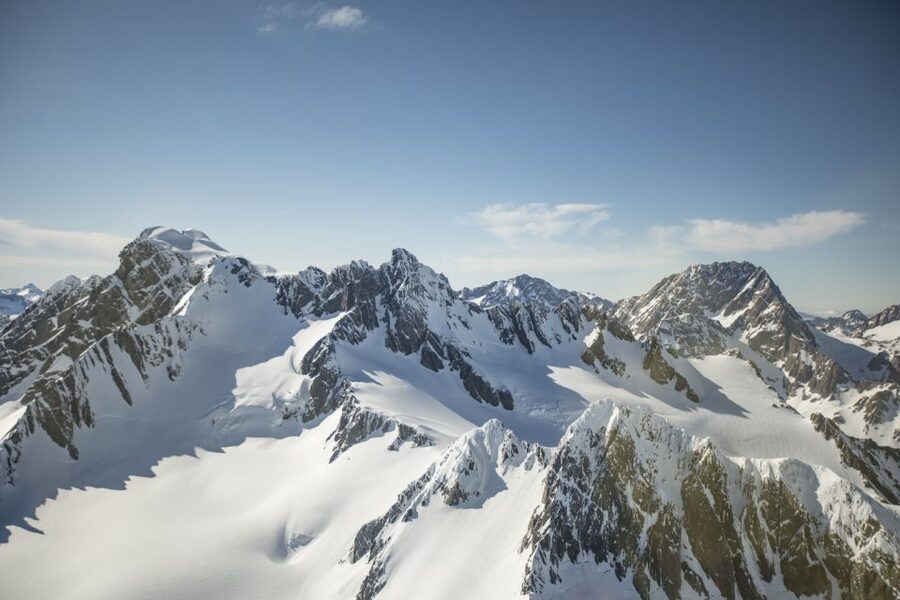
After takeoff, you’ll climb into the air where the park opens up. You’ll see the high alpine region up close, with views of rocky peaks and glacier systems that connect in ways you can’t easily visualize on the ground.
This part is all about context. You’re spotting the terrain that shapes everything later—where ice flows, where valleys funnel wind, and how the mountain peaks frame the glacier. The pilot’s inflight commentary (English) helps you make sense of what you’re seeing while you’re still staring at it.
You may also see incredible mountain huts. Those small shapes tucked into harsh conditions are part of what makes the area feel both remote and lived-in. From the air, they read like waypoints across the rock.
Flying Along the Tasman Glacier’s Full Length
Then you’re on the glacier mission. The flight includes flying along the whole length of the Tasman Glacier, not just a quick skim. That’s the key reason this feels different from the half-dozen “fly past” sightseeing options.
As you track the glacier, you’ll get that wow moment of scale: the Tasman Glacier is described as New Zealand’s longest “river of ice,” and being able to see how it stretches changes the way it registers in your mind. Instead of thinking “a glacier,” you start thinking “an entire moving landscape system.”
Hovering Over the Glacier for Size and Scale
Before the landing, the plan includes hovering over the glacier. This is your moment to appreciate size and structure. You’ll get a more detailed look at features like hanging glaciers and blue ice, along with the rough rocky peaks around them.
This is also where your photos can really shine, because you’re not only shooting forward from a moving helicopter—you’re getting moments that let the landscape (literally, the ice) do the talking.
Glacier Landing on the Tasman Glacier (and Getting Down)
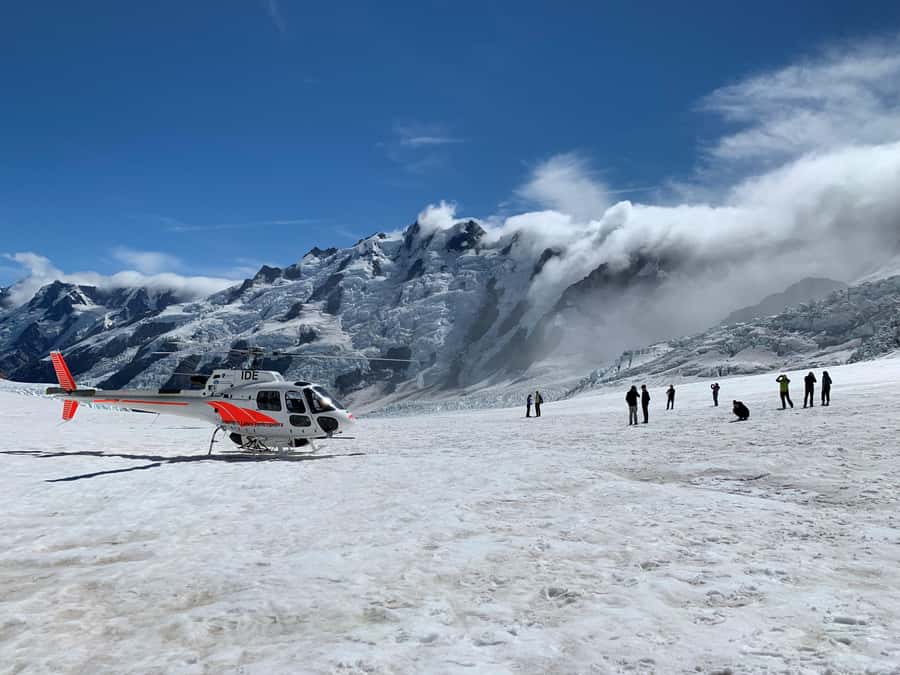
The tour includes a snow landing on the Tasman Glacier. If you’ve never done this before, it’s the kind of experience that stays with you because it changes your relationship to the place.
You can expect photo opportunities in every direction, and you may be able to get down and walk about for pictures. That step-out time is short but meaningful—enough to get that glacier “up close” feeling rather than just hovering above it.
One more subtle perk: your pilot may shut off the helicopter so you can experience the sound of silence. It’s not guaranteed on every flight, but it’s part of the experience concept, and it’s exactly the kind of quiet contrast that makes a helicopter ride feel special rather than just loud transport.
Photography and What to Bring So You Don’t Miss Shots
This tour is built for viewing and photos. Still, I like to remind people that the best photo setups are the ones that don’t annoy you once you’re seated.
Bring:
- Sunglasses
- A camera
- Weather-appropriate clothing
- A charged smartphone
- Closed-toe shoes
Also, think about how you’ll handle gear. Bags aren’t allowed, and selfie sticks aren’t allowed too. Drones are a no. That means you should keep it simple: one camera (or phone plus camera), secure it, and free your hands.
From above, you’ll get photo angles on Aoraki/Mt Cook, the glacier’s path, and the surrounding peaks. The trick is to keep your expectations realistic: you’re shooting from a helicopter, so you’ll want steady grip and quick framing rather than “perfect composition” time.
If the weather is clear, this flight can look almost unreal. If visibility is patchy, you’ll still get the structure and scale, but the light might be less dramatic—so focus on glacier shape and mountain lines, not just color.
Price and Value: Is $379 Worth a 40-Minute Flight?
At $379 per person for a 40-minute helicopter flight, you’re paying for three things: access, time, and landing.
Access is the big one. You’re getting a close, high-angle view of Aoraki/Mt Cook and then flying along the entire Tasman Glacier—plus a glacier landing on snow. That combination is rare compared with viewpoints that rely on distance.
Time matters too. Forty minutes doesn’t sound long, but it’s built around a clear sequence: national park highlights, then the glacier corridor, then hover and step-out. It’s not a long transfer day. It’s a concentrated “do the best part” outing.
Finally, included extras help justify the price. You get a professional pilot, inflight commentary, and a full safety briefing. In other words, you’re not just paying for seat time—you’re paying for guided interpretation and a safe, structured flight.
If you’re the kind of traveler who enjoys spending hours hiking for one view, this is the opposite approach. But if you want the strongest mountain-and-glacier moment without spending the whole day traveling or walking, it can be excellent value.
Who This Helicopter Flight Is Best For
This is a smart choice if you:
- Want maximum scenery and minimum time in a high alpine area
- Prefer a glacier landing experience instead of only looking from a distance
- Like guided context while you’re flying (English inflight commentary)
- Want a once-in-a-lifetime feel without committing to a full day of hiking
It also works well for first-time helicopter riders. In past experiences, people have highlighted how smooth and exciting the ride feels, especially with the pilot focused on navigation and safe flying. If you’re nervous, that’s the kind of detail that can put you at ease.
If you have mobility needs, the tour is listed as wheelchair accessible. (You’ll still want to check how seating and boarding works for your specific situation, since helicopters are their own setup.)
Small Practical Considerations Before You Go
Because the experience is weather dependent, pack for the day you get—not the day you hoped for. Weather-appropriate clothing is part of your kit for a reason. In alpine regions, conditions can change quickly, even when the forecast looks good.
Also keep in mind what’s not included:
- Food and drinks are not part of the flight
So eat before you go, and plan any snacks around your schedule. The flight itself is short, so you won’t want to be hungry.
No hotel pickup also means you’ll want your local transport plan locked in. Helicopter days don’t forgive delays.
And finally: you can’t bring certain items. Drones, selfie sticks, and bags aren’t allowed. It’s easier if you travel light and keep your essentials accessible.
Should You Book This Mt Cook Helicopter Flight?
I think you should book if your goal is the big glacier-and-mountains payoff in a single outing. This isn’t just a scenic pass. It’s the full Tasman Glacier flight, plus a snow landing, plus the chance of a quiet moment if the pilot shuts off the helicopter.
I’d hesitate only if you’re traveling on tight timelines where weather delays would stress you out, or if you’re uncomfortable with the idea of providing passenger weights and following strict onboard rules (no bags, no selfie sticks, no drones). The upside is huge when conditions cooperate, and the experience design is built to make every minute count.
If you want a Mount Cook memory that feels genuinely different from any photo you’ve seen before, this is one of the most direct ways to do it.
FAQ
How long is the Mt Cook Tasman Glacier scenic flight?
The flight duration is 40 minutes.
Where do I meet for the tour?
Meet at Heliworks Mt Cook. When you enter through the sliding doors, turn left to find Heliworks. Arrive 15 minutes before the activity starts.
Is hotel pickup and drop-off included?
No, hotel pickup and drop-off are not included.
What’s included in the price?
Included are the 40-minute flight, professional pilot, inflight commentary, and a full safety briefing.
Is there an English guide during the experience?
Yes, there is live tour guidance in English, along with inflight commentary.
What should I bring with me?
Bring sunglasses, a camera, weather-appropriate clothing, a charged smartphone, and closed-toe shoes.
Are drones, selfie sticks, or bags allowed?
No. Drones, selfie sticks, and bags are not allowed.
Are flights weather dependent?
Yes. All flights are weather dependent.
What do you need from passengers before flying?
You must provide all passengers’ weights for aircraft weight and balance.