REVIEW · PALM SPRINGS
Beginner Group Rock Climbing in Joshua Tree National Park
Book on Viator →Operated by Mojave Guides · Bookable on Viator
Rope climbing in Joshua Tree sounds intimidating. It’s set up to feel manageable, with beginner-friendly top-rope instruction and a small group so you can get real coaching on real rock.
What I like most is the hands-on way you’re taught. First, safety gear comes with the course, so you start the session focused on skills, not shopping. Second, the guides are known for adjusting to your comfort level, so you’re challenged without being thrown in the deep end.
The main drawback is logistics: you drive into the park yourself, and the Joshua Tree entrance fee is extra. Also, like most outdoor activities, the plan depends on weather, so don’t count on perfect skies.
In This Review
- 5 Things I’d Tell a Friend Before Booking
- Joshua Tree Top-Rope Basics: What This Beginner Course Really Teaches
- Meeting at the Joshua Tree Visitor Center: Timing, Group Size, and How the Day Moves
- Equipment and Safety Setup: What’s Provided and What to Wear
- The Climbing Session: Multiple Top-Rope Routes and Patient Coaching
- One more bonus you might not expect
- Joshua Tree National Park Time: Why This Beats a Gym Session
- Price and Value: Is $240 Worth It for 4 Hours?
- Logistics in Real Life: Driving Into the Park and Budgeting the Entrance Fee
- Who This Climb Is Best For (and Who Might Reconsider)
- Should You Book This Beginner Climbing Tour with Mojave Guides?
- FAQ
- What’s the duration of the beginner rock climbing experience?
- Where do I meet for the tour?
- Is rock climbing equipment included?
- Do I need my own transportation to Joshua Tree National Park?
- Is the Joshua Tree entrance fee included in the price?
- How many people are in the group?
- Does the activity depend on weather?
5 Things I’d Tell a Friend Before Booking
Beginner-friendly top-rope focus: You learn the basics in a controlled style that fits first-timers.
Small group size (max 12): More time with your guide, less waiting your turn.
Safety gear included: Harness and climbing equipment are provided.
Park access is on you: No private transportation, and the entrance fee is not included.
Guides named by past climbers: Emery, Murphy, Andrew, Joe, and Matt come up for patient, confidence-building coaching.
Joshua Tree Top-Rope Basics: What This Beginner Course Really Teaches
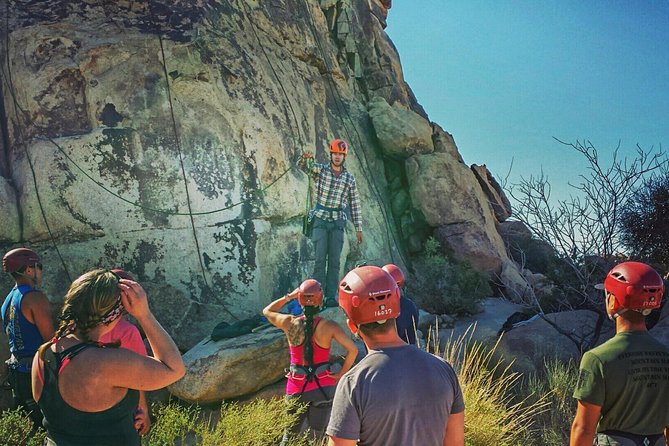
This is an open-enrollment climbing program, meaning it’s designed for everyone from first-timer to someone with a bit of experience. The key is that the session is structured around a beginner-friendly climbing style: you’re working on top-rope skills rather than freestyle scrambling up random lines.
In practical terms, that means you can spend your energy on the fundamentals that actually matter outdoors:
- learning how climbing systems work in real life
- getting comfortable with movement on uneven rock
- building confidence with technique and control, not luck
This is also a good fit if you’re the kind of traveler who wants to be active but doesn’t want to guess your way through gear. With the course providing the necessary safety and climbing equipment, you’re not left piecing together a setup on your own.
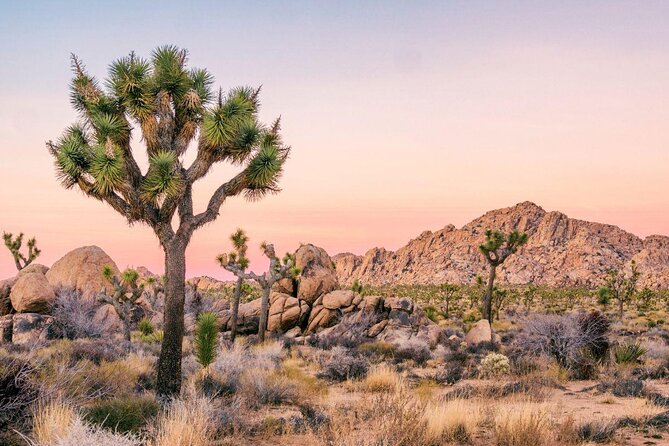
And Joshua Tree is a special classroom. The rock here has that iconic look—shapes that make you want to keep staring—so even when you’re learning basic skills, the setting keeps the day feeling more like an adventure than a lesson.
You can also read our reviews of more tours and experiences in Palm Springs.


Meeting at the Joshua Tree Visitor Center: Timing, Group Size, and How the Day Moves
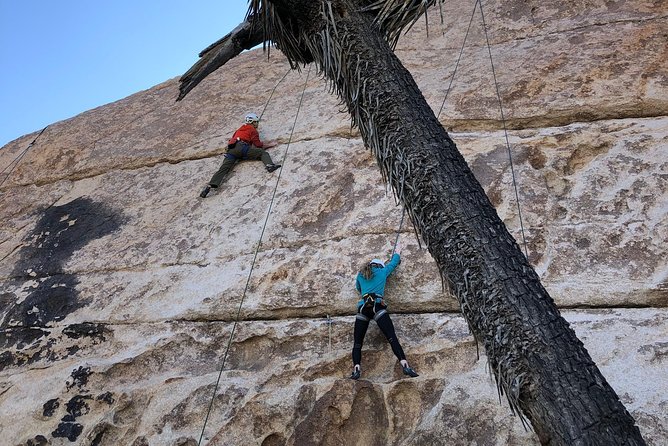
The experience starts at the Joshua Tree Visitor Center (6554 Park Blvd, Joshua Tree). It ends back at the meeting point, so you’re not dealing with confusing drop-offs.
The session runs about 4 hours. That’s an important detail: it’s long enough to learn, practice, and climb more than once, but short enough that first-timers usually don’t feel like they have to “power through” until the end.
You’ll also be in a group with a maximum of 12 travelers. That number matters because it keeps the day from turning into a slow shuffle of people waiting for instruction. Past climbers highlight a very hands-on feel—support that’s close enough to correct your form quickly, and encouragement that actually answers questions.
If you like having a plan, you’ll appreciate that this is an organized open enrollment program (offered in English, with a mobile ticket). It’s not a vague “go explore and try climbing if you feel like it” situation.
Equipment and Safety Setup: What’s Provided and What to Wear
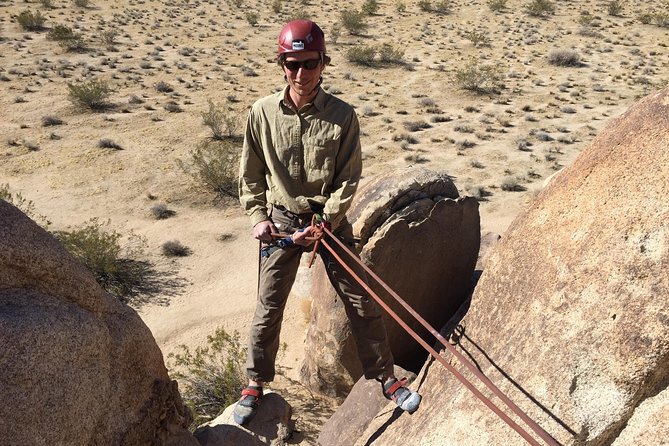
You don’t need to bring climbing gear for this one. The course includes the necessary safety and climbing equipment. For first-timers, that’s a huge value boost, because buying rental gear later is usually where the budget surprises show up.
Still, what you wear is on you. One clear tip from past participants: wear long sleeves and pants, especially since you may slip or brush against the rock. On top of that, gloves can be a smart add-on for palm comfort, particularly if you’re learning and experimenting with how your hands hold the rope and rock.
A couple other practical notes for a smooth day:
- bring clothing that you don’t mind getting a bit scuffed
- choose shoes that help you feel steady (the details of footwear aren’t specified, so focus on comfort and traction)
- aim for moderate physical fitness, since climbing involves repeated effort even when the routes are beginner-appropriate
The overall vibe here is safety-first coaching. Multiple guides are praised for professionalism and for making people feel secure while they learn.
The Climbing Session: Multiple Top-Rope Routes and Patient Coaching
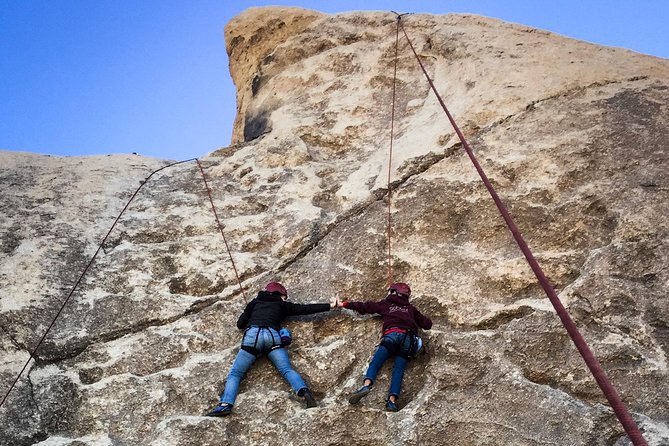
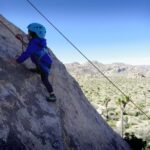
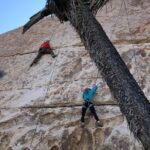
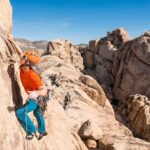
Within those 4 hours, you can expect to spend time actually climbing—not just watching from the sidelines. Many first-time climbers report doing two top-rope climbs, and others mention completing three routes. That pattern makes sense for a beginner session: more than one attempt helps you build confidence without draining you.
What makes the instruction stand out is the way it’s paced for real humans, not robots.
Past climbers specifically call out:
- Emery’s patient, professional coaching and clear technique explanations
- Murphy’s encouragement and safe, confidence-building approach, including when families brought kids (ages 14 and 11)
- Andrew’s support for both very beginner climbers and people a bit more advanced
- Joe’s teaching style for first-timers, with route variety
- Matt’s ability to coach nervous beginners toward reaching the top
The consistent theme: the guide doesn’t just set you on the wall and walk away. You get coaching that helps you work routes within your comfort zone, and you’re supported if you struggle.
One more bonus you might not expect
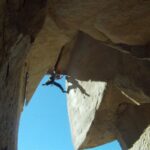
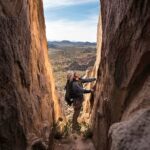
Outdoor climbing in Joshua Tree isn’t only about vertical movement. Several guides are described as adding extra moments—like scrambling under rocks and exploring small caves—so the day feels richer than a simple “climb, descend, repeat” routine. If you like the outdoors, that kind of add-on can be a real morale boost.

Joshua Tree National Park Time: Why This Beats a Gym Session
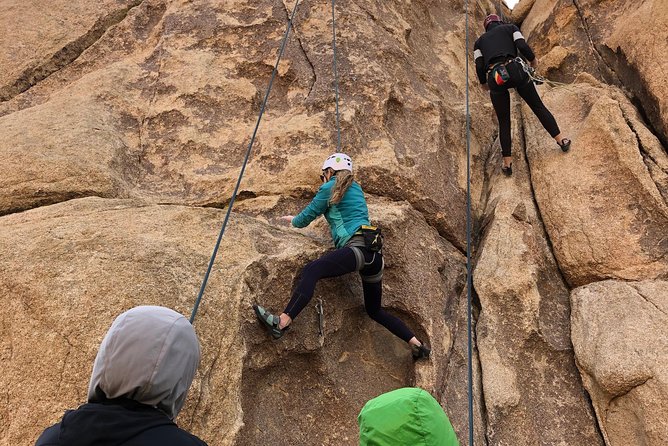
Doing your first climbing on a gym wall can teach technique. Doing it in Joshua Tree teaches something else: how rock feels under your hands, how the landscape shapes your route, and how to stay calm when the surroundings are wide open.
The itinerary’s core stop is Joshua Tree National Park, so you’re not just learning climbing—you’re also spending meaningful time in one of the most photogenic climbing regions in the US.
What you’re likely to enjoy most is the combination of:
- world-class rock climbing scenery
- time outdoors in a setting that feels special even between climbs
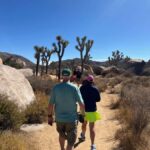
- guides who point out features, formations, and interesting plant life
That matters because it turns the session into more than training. It becomes a way to discover Joshua Tree through movement, not just photos.
And if you’re traveling with kids or multi-level groups, you may find this style especially useful. One family described their guide taking time to educate younger climbers with tips rather than doing everything for them. That’s a nice approach for building confidence without turning the day into a babysitting job.
Price and Value: Is $240 Worth It for 4 Hours?
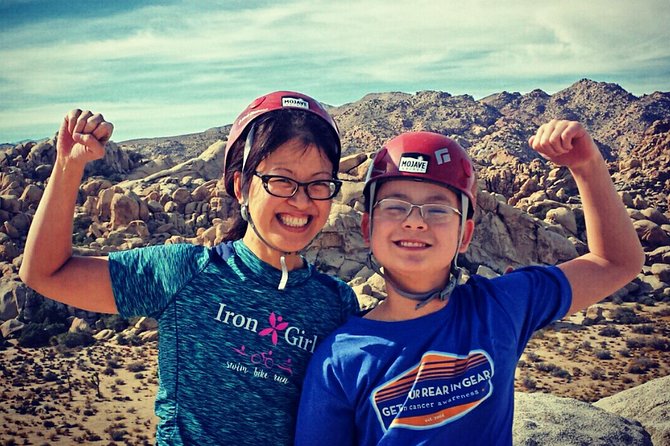
$240 per person for about 4 hours may sound steep at first glance—until you compare what’s included and what you’re buying: instruction, equipment, and access to an expert-guided experience on real rock.
Here’s the value logic I use:
- Safety and climbing equipment are provided, which reduces what you’d otherwise pay for rentals and gear.
- The group is capped at 12 travelers, and multiple guides are noted for giving personalized support to beginners.
- You’re not just doing one climb. The session is structured so you typically get multiple route attempts and coaching.
What’s not included changes the “real” cost slightly. The Joshua Tree entrance fee is listed as $30 per booking, and you handle transportation by driving yourself. So you should mentally budget for both.
If you’re comparing this to a cheaper activity, the real question isn’t just the price tag. It’s whether you want a guided first experience that prioritizes safety and skill-building. For many people, that’s where the $240 earns its keep.
Also, the tour is often booked around 13 days in advance on average. If you’re traveling at a popular time, it’s wise to plan ahead so you’re not stuck with whatever times are left.
Logistics in Real Life: Driving Into the Park and Budgeting the Entrance Fee
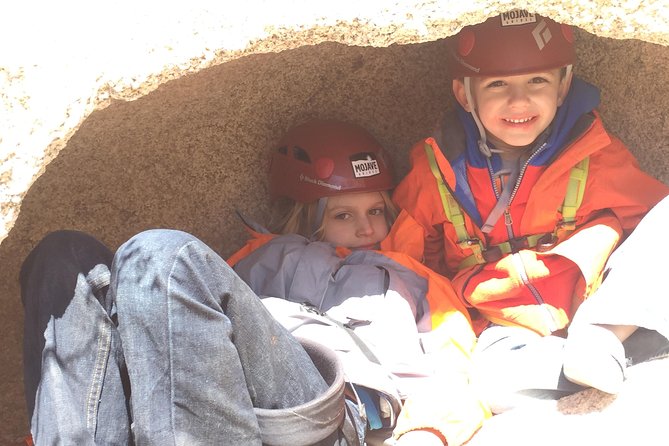
This is the one part that can trip people up. Mojave Guides does not provide private transportation. That means you need to drive into Joshua Tree National Park in your own vehicle to reach the climbing area.
Also, there’s an admission fee you should expect: the Joshua Tree National Park Entrance Fee is $30 per booking. It’s not included in the tour price.
So before you go, I’d do two quick checks:
- Confirm your schedule aligns with meeting at the Joshua Tree Visitor Center.
- Plan for the entrance fee so you’re not surprised on arrival.
One more practical note: the experience requires good weather. If it’s canceled due to poor weather, you’ll be offered a different date or a full refund. And if the minimum number of travelers isn’t met, the same deal applies (different date or a full refund). The experience is also non-refundable and cannot be changed for any reason, so make sure the date you choose actually works for you.
Who This Climb Is Best For (and Who Might Reconsider)
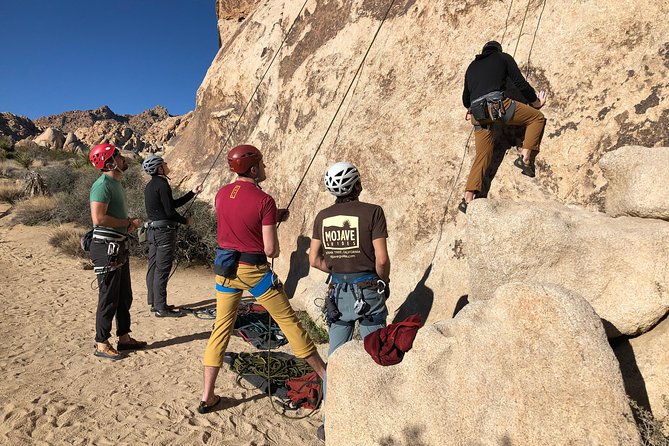
This tour is made for active, adventurous travelers who want to learn the basics and then try them immediately.
It’s a great match if:
- you’re a first-time climber and want a beginner-friendly structure
- you want hands-on coaching with a small group
- you’re okay with a moderate fitness level and being outside for several hours
It’s also described as working well for families with kids, including teens who were eager and engaged. If you’re bringing younger climbers, the key is that the guides tailor support and challenges to the group’s level.
You might want to reconsider if:
- you’re not comfortable driving into Joshua Tree on your own for the scheduled meeting
- you can’t be flexible with outdoor weather conditions
- you strongly prefer an experience where everything is included down to transportation and entry fees
Should You Book This Beginner Climbing Tour with Mojave Guides?
If you want a first climbing experience that feels safe, structured, and actually teaches you something, this is an easy yes. The combination of equipment provided, a small group (max 12), and guides who are praised for patient coaching is exactly what you want when you’re learning for the first time.
I’d book it if you’re excited to climb for real on Joshua Tree rock and you’re comfortable handling the simple logistics: drive in, meet at the visitor center, and budget for the entrance fee.
If you hate extra planning, or you don’t want to manage park entry and your own transportation, then it may feel like more hassle than it should. But if you’re the type who likes turning a trip into a hands-on story, this one delivers.
FAQ
What’s the duration of the beginner rock climbing experience?
It runs for about 4 hours.
Where do I meet for the tour?
The meeting point is the Joshua Tree Visitor Center, 6554 Park Blvd, Joshua Tree, CA 92252.
Is rock climbing equipment included?
Yes. The tour provides the necessary safety and climbing equipment.
Do I need my own transportation to Joshua Tree National Park?
Yes. Private transportation is not provided, and participants are required to drive into the national park in their own vehicle.
Is the Joshua Tree entrance fee included in the price?
No. The Joshua Tree National Park entrance fee is $30 per booking.
How many people are in the group?
The group size is capped at a maximum of 12 travelers.
Does the activity depend on weather?
Yes. It requires good weather. If it’s canceled due to poor weather, you’ll be offered a different date or a full refund.