REVIEW · SEOUL
Bukhansan National Park- The Summit Course
Book on GetYourGuide →Operated by environment design lab · Bookable on GetYourGuide
That steep Seoul summit is closer than you think. This Bukhansan National Park Summit Course targets the highest peak in Seoul (Baek-un-dae, 836 m) with a guide-led pace that keeps the day moving, and it’s topped off with an optional tofu lunch. The logistics feel handled from the jump with English-speaking guide Koa, and the route is designed to fit real travel schedules.
My two favorite parts are the chance to summit Seoul’s top peak and the way Koa keeps everyone safe and organized. The main drawback to consider is the rocky, steep final section with rope-assisted climbing, which can be stressful if you have a fear of heights or if your knees don’t like downhill.
In This Review
- Key Things To Know Before You Go
- Why Bukhansan Feels Like a Real Seoul Adventure (Not a Tourist Shortcut)
- Meeting Koa at Bukhansan Ui Station: Start On Time or You’ll Miss the Group
- The Summit Course Route: How You Get a 4-Hour Day Out of a Real Climb
- Baek-un-dae’s Rope-Assisted Steep Section: Worth It, But Know What You’re Getting
- Gear and Safety Stuff You’re Actually Provided
- Lunch After the Summit: A Tofu Spot That Doesn’t Feel Like a Compromise
- Price and Value: Does $67 Buy You Something Real?
- Who Should Book This Summit Course, and Who Should Think Twice
- The Verdict: Should You Book This Tour?
- FAQ
- Where is the meeting point for the Summit Course?
- What time does the group leave?
- How long is the hike?
- Is the hike suitable for beginners?
- What happens at the steep Baek-un-dae part?
- Is lunch included?
- What gear is included with the tour?
- Can I buy water during the hike?
Key Things To Know Before You Go
- Start early: the group leaves at 8:15 am sharp, so plan your station route the night before.
- Summit speed with a reason: the course is built to take about 4 hours instead of a typical longer route.
- Big climb in a short stretch: roughly 600 m of elevation gain over about 2.1 km early on.
- Rope-assisted steepness at Baek-un-dae: expect a 25–45 degree angle climb for a short but serious segment.
- You get basic trail help: bug spray/first aid kit/rain coat plus optional borrowing of crampons and hiking poles.
- Optional tofu lunch after: a tofu-focused spot that’s vegan/vegetarian friendly, with meat options too.
Why Bukhansan Feels Like a Real Seoul Adventure (Not a Tourist Shortcut)
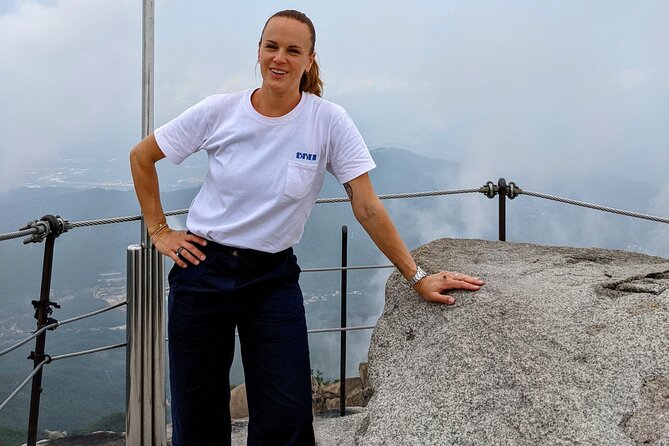
Bukhansan sits right on the Seoul boundary, so the mountain still feels connected to the city instead of remote and complicated. That matters because you can do a proper summit hike without losing half a day to commuting. And once you’re on the trail, the scenery and physical challenge give you that classic Korea hiking payoff.
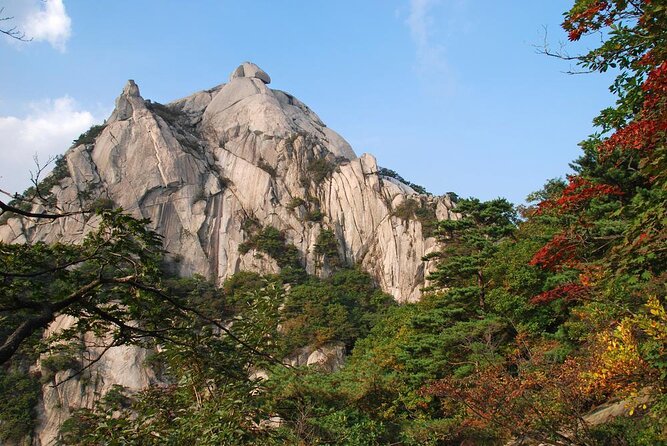
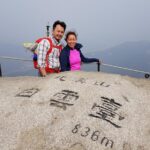
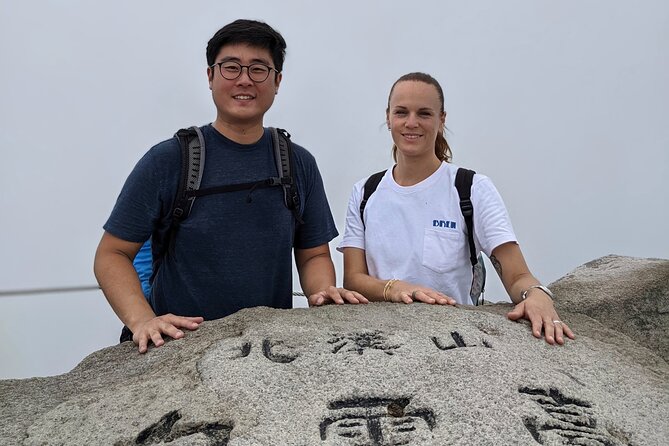
This course goes after the prize: the summit of Baek-un-dae, the highest peak in Seoul at 836 meters (2,743 feet). It’s an instant marker of accomplishment, especially if you’re only in the area for a few days. You get a goal that’s easy to explain to yourself and hard to forget.
The other big “why it works” is pacing. The ascent portion hits about 600 meters of elevation gain over 2.1 km, which is intense but time-efficient. That makes this feel like a summit day built for visitors who can’t spend 6+ hours on the mountain.
You can also read our reviews of more tours and experiences in Seoul.
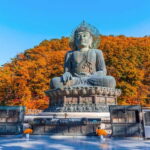
Meeting Koa at Bukhansan Ui Station: Start On Time or You’ll Miss the Group
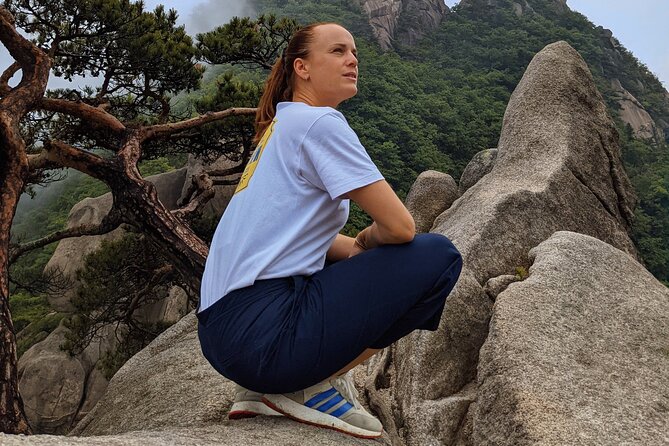
Your meeting point is simple, but it’s also where many plans go wrong. Meet your guide Koa outside Exit 2 of Bukhansan Ui Station. There’s a similar-sounding station nearby (Bukhansan Bogungmun), and getting off at the wrong one is the kind of mistake that can wreck your timing.
The group can wait for late comers for 15 minutes. After that, the hike leaves at 8:15 am sharp. I strongly recommend you use Naver Map the night before and do a quick “walk test” in your head: which exit, which direction, how long it takes from where you’re staying.
This early start is also practical. As the day goes on, the mountain gets busier. Starting in the morning helps you hike with less crowd pressure and keeps the experience more about your group and the trail, not stop-and-go foot traffic.
The Summit Course Route: How You Get a 4-Hour Day Out of a Real Climb
The plan is designed around a shorter summit schedule: about 4.5 hours total with a main hiking time around 4 hours. That doesn’t mean it’s easy. It means the route choices and pacing are optimized so you’re not spending your limited Korea time wandering slowly.
The first major fitness checkpoint is the ascent: about 600 m of elevation gain within 2.1 km. That’s steep. It normally takes around 100–120 minutes, and you’ll feel that in your legs and breathing. The hike is described as moderately fit, and the comparison to climbing roughly 200 floors of stairs is not exaggeration in terms of effort.
What I like about this setup is the honesty. You’re not signing up for a gentle stroll with dramatic views. You’re signing up for a focused workout with a summit at the end. If you’re reasonably active and comfortable climbing and descending, this course is a strong fit.
Also, because you return the same way, you’re not locked into a one-way suffering marathon. If someone needs to slow down, the guide can manage the flow and work with the group on the way back. That makes it less stressful for hikers who get winded but want to keep going safely.
Baek-un-dae’s Rope-Assisted Steep Section: Worth It, But Know What You’re Getting
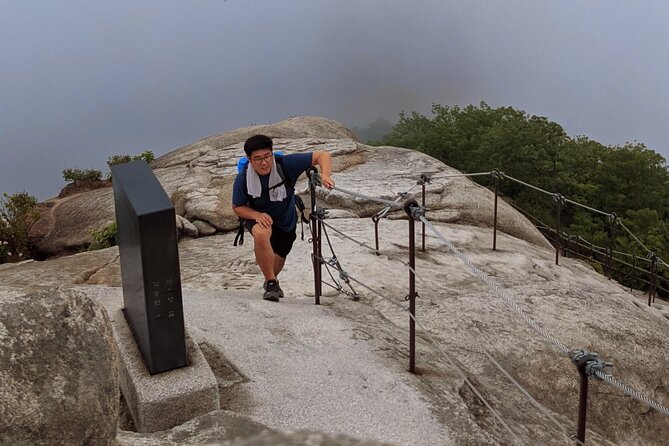
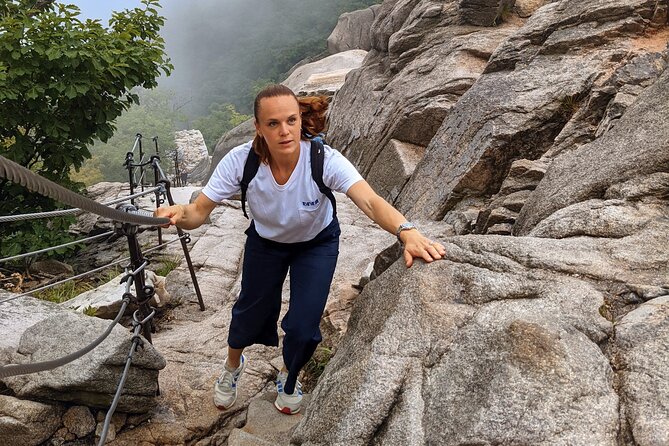
The headline moment is the climb to Baek-un-dae peak, which includes a steep segment of about 25–45 degrees. It’s rope-assisted, which means you’ll be using the ropes for stability on the steepest parts.
This part lasts roughly 20–30 minutes. It’s short, but it’s the “real hike” part where your confidence and footing matter more than your overall fitness. If you have a fear of heights, this is the segment you should think about carefully. The good news is that there’s an option to avoid this section by taking a break, and the hike is structured with that in mind.
In other words: the course doesn’t force everyone into the same exact moment. If you’re anxious, you can choose a safer approach without abandoning the whole day. If you’re comfortable with steep rocky trail and using ropes, this will feel like the peak moment you came for.
Gear and Safety Stuff You’re Actually Provided
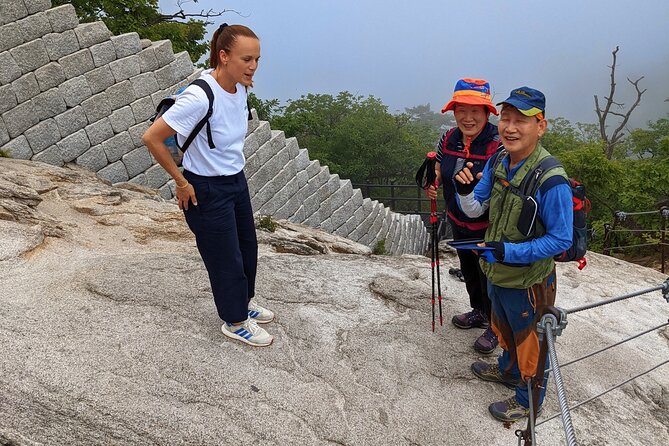
This tour doesn’t make you guess what you need. It includes bug spray, a first aid kit, and a rain coat if needed. That’s practical in Korea mountain weather, where conditions can change fast.
There’s also a thoughtful touch: crampons and hiking poles can be borrowed at the 1/3 point. That timing matters. You’re not hauling extra gear the whole way, but you also get support when the terrain may benefit from traction or extra stability.
For your own planning, the basic reminder is simple: water can be purchased at the beginning at a convenience store. The course doesn’t promise you a refill plan mid-hike, so build a “start with what you need” mindset. If you’re someone who runs hot or sweats a lot, consider buying more than the absolute minimum at the start.
And yes, the trail can be rocky and steep. That combination is why the guide’s role matters here: keeping the group together, offering safety tips, and making sure nobody gets pressured into a move they’re not ready for.
Lunch After the Summit: A Tofu Spot That Doesn’t Feel Like a Compromise
After you finish the hike, you have an optional meal: a restaurant specializing in tofu dishes. The cost is typically 9,000–15,000 KRW and is paid by individuals.
What makes this lunch more interesting than just “fuel” is the way they run the place. They make tofu dishes from scratch, and it can change how you see tofu in general. They’re also described as vegan/vegetarian friendly, but they offer meat too, so it’s not a one-note meal if your group has mixed preferences.
I also like that lunch is treated as part of the shared experience, not a random add-on. If you’ve been hiking hard for hours, sitting together and eating something comforting makes the summit feel like a real “day event,” not just a physical task.
Some groups also mention pairing the meal with Korean drinks like makgeolli when they have it as part of the lunch vibe. If that’s your style, it’s an easy way to turn the hike into an even more memorable Korea moment.
Price and Value: Does $67 Buy You Something Real?
At $67 per person for about 4.5 hours, this tour is priced like a guided experience, not a DIY recommendation. For that money, you’re mainly paying for three things:
First, you’re paying for a smart, time-saving summit approach. The course is set up so you can reach the summit in about 4 hours rather than a longer typical hike. If you’re sightseeing the rest of the day, that time difference is real value.
Second, you’re paying for risk reduction. With steep, rocky sections and rope-assisted climbing, having an English-speaking guide who manages safety and group logistics is not a luxury. It’s the difference between feeling supported and feeling on your own.
Third, you get practical inclusions like first aid, bug spray, and a rain coat if needed, plus the chance to borrow crampons/poles. That’s not glamorous, but it’s exactly what you want when the trail gets tricky.
The only extra cost to plan for is lunch, which is optional and paid directly (9,000–15,000 KRW). Water at the start is also on you via the convenience store.
Who Should Book This Summit Course, and Who Should Think Twice
This course is a great match if you:
- Want a summit-focused hike with a clear payoff: Seoul’s highest peak
- Are reasonably fit and okay with a steep climb and a steep descent
- Prefer a guide to handle logistics, pacing, and safety on rocky terrain
- Want an English-speaking experience, with a guide who can talk to the group
It’s a weaker match if you:
- Have a strong fear of heights and you’re not comfortable with the rope-assisted steep segment
- Have knee issues that flare on steep descents (the course is still “up and down the same way”)
- Expect a gentle hike labeled moderate by Korean trail standards. This can feel tougher than you might anticipate.
The good part is that there’s flexibility in how you approach the scary segment. You can choose to skip the most intense portion by taking a break, which keeps the day from turning into an all-or-nothing situation.
The Verdict: Should You Book This Tour?
Yes, if your goal is to summit Baek-un-dae without turning your Seoul trip into a full-day endurance project. The combination of a shorter summit schedule, an English guide named Koa, and real trail support makes this feel like strong value for the time you’re investing.
I’d still be careful with expectations. This is not a lazy walk. You’ll work. If you’re confident on steep, rocky trail and open to rope-assisted climbing, you’ll likely find it unforgettable in the best way. If heights are a deal-breaker or your knees aren’t friendly on downhills, think hard before committing, and plan to take advantage of the option to avoid the steepest section.
If you want, tell me your hiking background and whether you’re comfortable with steep/ropes, and I’ll help you decide if this is a good match for your day in Seoul.
FAQ
Where is the meeting point for the Summit Course?
Meet your guide Koa outside Exit 2 of Bukhansan Ui Station.
What time does the group leave?
The group leaves at 8:15 am sharp.
How long is the hike?
The activity is about 4.5 hours in total.
Is the hike suitable for beginners?
It requires moderate fitness. The climb includes about 600 meters of elevation gain over 2.1 km, so it’s more demanding than a casual walk.
What happens at the steep Baek-un-dae part?
The route includes a rope-assisted steep climb at Baek-un-dae, with an angle described as about 25–45 degrees. There is an option to avoid this segment if you need to.
Is lunch included?
Lunch is optional. It’s paid by individuals and is typically 9,000–15,000 KRW at a tofu-specialty restaurant.
What gear is included with the tour?
The tour includes bug spray, a first aid kit, and a rain coat if needed. Crampons and hiking poles can be borrowed at the 1/3 point.
Can I buy water during the hike?
Water can be purchased at the beginning at a convenience store.