REVIEW · BIG ISLAND OF HAWAII
Hilo and Volcano National Park Tour for Cruise Passengers at port
Book on Viator →Operated by Tournet Hawaii, Inc. · Bookable on Viator
One cruise stop can’t cover everything, but this one comes close with Hilo plus Hawaii Volcanoes National Park. I like the way the day mixes easy walking with big scenery, including the black-and-green sand at Richardson Ocean Park and the Japanese-style calm of Lili’uokalani Gardens. The main trade-off is time: most stops are short, so you’ll want to keep your expectations on the sightseeing side, not the long-hike side.
You’re picked up at the Port of Hilo and delivered back there, in an air-conditioned vehicle with bottled water—built for people who have cruise schedules to respect. It runs about 7 hours and caps at 24 people, which helps the day feel organized. Still, you’re relying on good weather, and the volcano portion is fast-paced by design.
In This Review
- Key highlights worth planning around
- How this cruise-day tour actually feels
- Hilo start: Richardson Ocean Park and Lili’uokalani Gardens
- Downtown Hilo: wooden storefronts, farmers market energy, and real local details
- Rainbow Falls: the payoff stop with a closer look behind the water
- The Waiākea Center lunch break: what’s included vs what you’ll pay
- Big Island Candies: a quick factory visit that’s actually fun
- Hawaii Volcanoes National Park: Kīlauea views with real structure
- Kīlauea Visitor Center first
- Kīlauea Overlook: active-volcano viewing
- Steam Vents: heat you can feel
- Chain of Craters Road and Pauahi Crater: long-distance meaning, short stop time
- Kealakomo overlook and the lava-tube walk
- How much time you get, and what kind of traveler this suits
- Value check: is $230 worth it?
- Final thoughts: should you book this Hilo and Volcano tour?
- FAQ
- How long is the Hilo and Volcano National Park tour?
- Where do I meet the tour, and where does it end?
- Is transportation included for cruise passengers?
- What’s included in the tour price?
- Is lunch included?
- What language is the tour offered in?
- How many people are in the group?
- Do I need good weather?
Key highlights worth planning around
- Volcanoes NP entry is included, plus multiple photo stops around Kīlauea
- Hilo culture without the stress: downtown stroll, farmers market, and classic gardens
- Rainbow Falls + a short stair walk behind the falls for a closer look
- Big Island Candies factory and shop with famous macadamia nut shortbread
- Small-group feel with a max of 24 passengers and an A/C vehicle
- Guide names you might recognize from past tours like Sean and driver Gabriel
How this cruise-day tour actually feels
This is a half-day style tour, stretched into a full cruise-day loop. You get a smart sampler platter: coastal nature in Hilo, a garden that feels like Japan in the middle of Hawaii, then a focused run through the volcano sites at Hawaii Volcanoes National Park.
What makes it work for cruise passengers is the structure. You’re not trying to “see the island.” You’re hitting the places that most people come to Big Island for, in the order that makes sense once you factor in driving time from Hilo to the park and back. The vehicle pickup window also matters: you’re allotted 45 minutes for travel time including pick-up, and the tour is designed around that.
Also: you’ll be with a group (up to 24 people). That’s big enough to be lively, but small enough that you’re not watching your day get eaten by constant “wait for everyone” moments.
You can also read our reviews of more tours and experiences in Big Island of Hawaii.


Hilo start: Richardson Ocean Park and Lili’uokalani Gardens
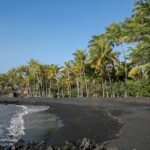
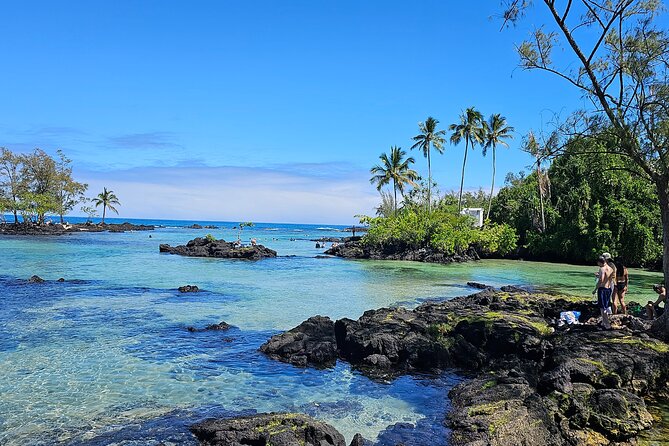
Your first stop is Richardson Ocean Park, a sand-and-sea stop with black and green sand and a calm, tropical setting. Even with just about 20 minutes, you can usually do two things well: take in the unusual shoreline colors and watch the water for fish and other marine life. The park’s “look around and breathe” vibe is the right opener. It tells your brain you’re on vacation, not in traffic.
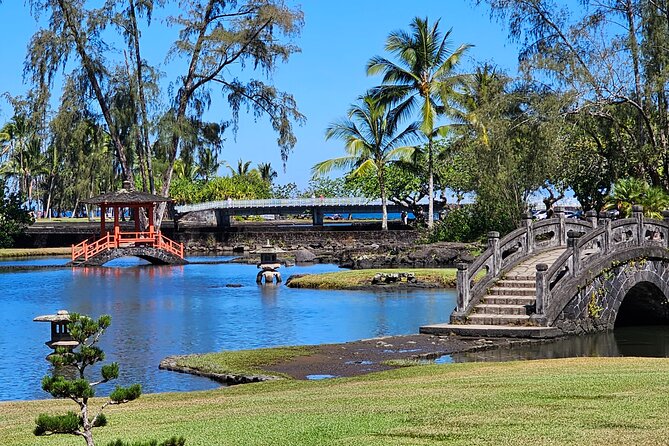
Then you swing into Lili’uokalani Gardens (spelled Lili’uokalani on many signs), a landscaped Japanese garden created in 1968 to commemorate the 100th anniversary of Japanese immigration. This is one of those stops where the time feels short because the place is made for strolling—arching bridges over fishponds, rock gardens, pagodas, Japanese stone lanterns, and a teahouse.
Why I like this pairing early in the day: Richardson Ocean Park hits the ocean and geology mood, while Lili’uokalani Gardens slows everything down. Together, they make the Hilo portion feel intentional, not random.
Downtown Hilo: wooden storefronts, farmers market energy, and real local details
Next comes downtown Hilo, with a chance to walk a more relaxed, historic-feeling area. Hilo is known for farming and fishing roots, then for the sugar industry boom in the 1800s. Today, what you’re really seeing is a retro downtown with older wooden storefronts and a mix of galleries, museums, shops, restaurants, and hotels.
You get a good second stop right after: the Hilo Farmers Market. This is open-market style and easy to enjoy even if you’re not hunting for souvenirs. You’ll spot locally grown greens and fruit, flowers, jewelry, and crafts. What I like about this kind of stop on a tour is that it gives you a sense of daily life. It’s not just “look, photos.” You can actually snack your way through the vibe.
One practical note: the market and downtown time are short. If you want specific items, go first to what you care about—then circle back for the rest.
Rainbow Falls: the payoff stop with a closer look behind the water
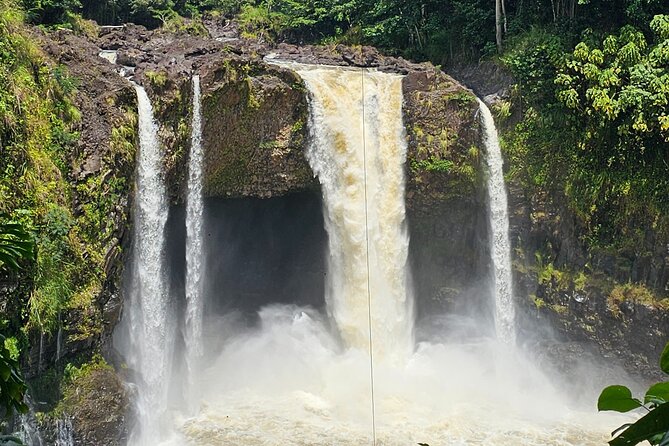
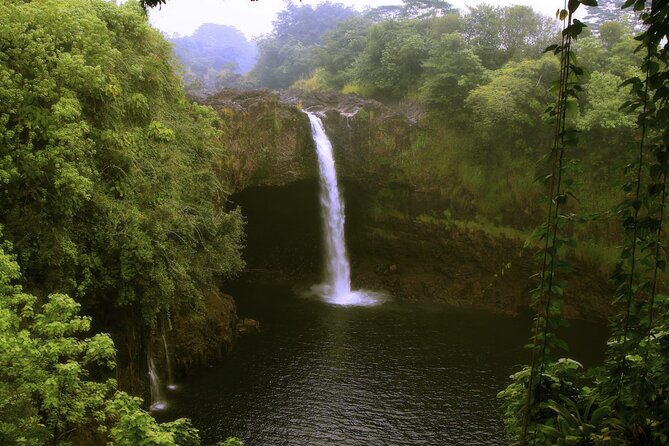
Rainbow Falls is next, and it’s the kind of stop that earns its spot. It’s an 80-foot waterfall often associated with rainbows, with a volcanic setting above a lava cave. You’ll be able to observe the falls closely, and there’s also a stair option that lets you walk behind the waterfall for a quick hike up to a viewpoint.
This is one of those places where your 20 minutes can be either perfect or too brief, depending on how many photos you take. If you’re the type who likes one good photo and then moves on, you’ll feel like you got your money’s worth. If you’re the type who wants multiple angles and a longer stroll, set a realistic pace.
Also bring a sense of humor about water spray. Even if the day isn’t pouring, you’re near a waterfall, so you’ll feel mist.
The Waiākea Center lunch break: what’s included vs what you’ll pay
You get a one-hour stop at the Waiākea Center Pavilion for lunch. Here’s the important part: lunch isn’t included. You can choose from different menu options and pay for your own meal.
This is a smart setup for cruise passengers because it avoids forcing everyone into one set meal on someone else’s schedule. The downside is you’ll need to plan a little. If you know you’ll want something specific, arrive early in the lunch window. If you’re flexible, you’ll likely find plenty to choose from.
I’d also treat this hour as your reset time. Use the bathroom when you can, grab water if you want extra, and don’t wait until the very last minutes to re-board.

Big Island Candies: a quick factory visit that’s actually fun
After lunch, you’ll stop at Big Island Candies for a factory and retail outlet visit in Hilo. This is a popular local snack business known for gourmet Hawaiian chocolates, cookies, and candies. A standout mentioned often is the macadamia nut chocolate dipped shortbread cookies.
This part isn’t a “must” for everyone, but it’s a nice break in the middle of a busy day. You get a chance to taste something local and bring back a food souvenir that makes sense for travel—especially if you like edible gifts more than t-shirts.
Don’t overthink it: the stop is about 20 minutes, so keep it moving. Sample if you want, but don’t plan on a long shopping spree.
Hawaii Volcanoes National Park: Kīlauea views with real structure
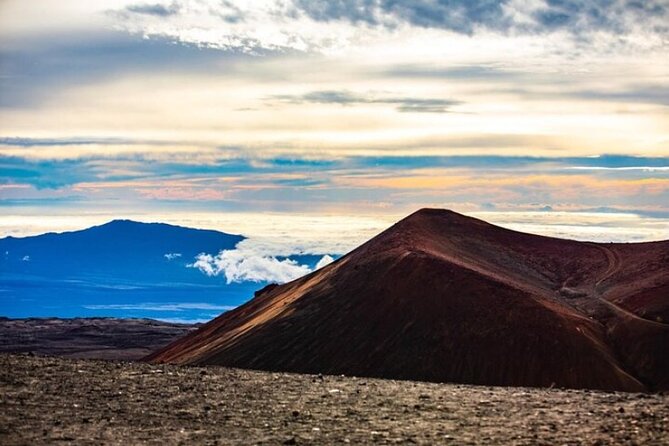
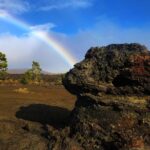
Now the main event: Hawaii Volcanoes National Park. The park covers 230,000 acres and includes both Mauna Loa and Kīlauea. It’s also a UNESCO World Heritage Site, which is a clue that you’re not just seeing a single “pretty spot.” You’re seeing an active volcanic landscape and a living system.
You’ll spend about 2 hours in the park, and that time is organized into a sequence of viewpoints and short stops.
Kīlauea Visitor Center first
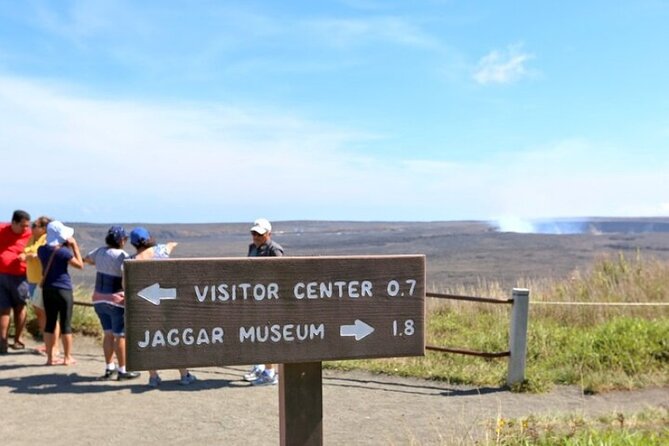
You start at the Kīlauea Visitor Center, about 20 minutes. This is where you get exhibits about the park’s environment, history, and culture. Even if you don’t read every panel, this kind of intro helps your eyes during the photo stops that follow. You’re not just looking at rocks—you’re looking at why rocks look the way they do.
One thing to watch: if facilities are limited, you may deal with temporary options. On one prior day, the visitor center area was under work and the available restroom setup was temporary. Not the tour operator’s fault, but still useful to know so you aren’t surprised.
Kīlauea Overlook: active-volcano viewing
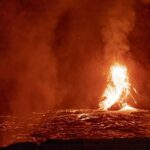
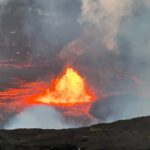
Next is the Kīlauea Overlook, another 20-minute stop. The focus here is the view—of active volcanic activity and the broader geology that makes Kīlauea so famous.
The key word is view. This isn’t presented as a guarantee of a visible eruption during your exact visit. It’s a chance to see the active volcano from an established overlook, and you’ll get guide help to understand what you’re looking at.
Steam Vents: heat you can feel
Then you hit the Steam Vents for about 15 minutes. A steam vent is hot vapor pushing out from volcanic activity. You’ll feel that heat and mist in person, which makes this stop more than just another overlook. It’s sensory, quick, and memorable.
Chain of Craters Road and Pauahi Crater: long-distance meaning, short stop time
Chain of Craters Road is one of those park features you hear about and then finally see in real life. It’s an elongated road of 18.3 miles (31 km) that runs through the eastern lift and coastal area. The drive begins in the lava zone, continues through a petroglyph field, and ends where lava crosses the road into the sea.
You won’t be driving the full stretch yourself on this tour, but you’ll get the highlights: the visual transitions across lava features and the sense of scale that you can’t get from a single viewpoint. This is where the park starts to feel like a living geology textbook.
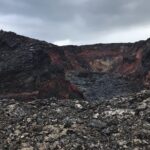
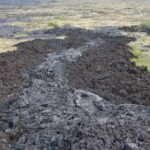
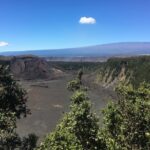
You’ll also stop at Pauahi Crater, listed as one of the attractions along Chain of Craters Road. It’s described as the site of three eruptions in recent history. The crater floor you see today is covered by a thin veneer of lava from the 1979 event.
That “thin veneer” detail matters because it frames what you’re seeing as layered time. You’re looking at recent lava sitting on older formations, not one single moment in time.
Kealakomo overlook and the lava-tube walk
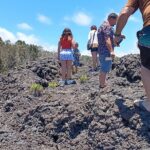
After that driving stretch, you’ll get the Kealakomo viewpoint for about 20 minutes. From here, you can see a panoramic vista of the Pacific Ocean plus a large lava field. The lava field covered parts of the ancient village of Kealakomo, so this stop connects scenery to human history without needing a long lecture.
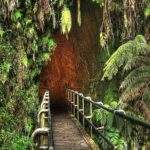
Finally comes Nahuku–Thurston Lava Tube. This is a paved-path walk into a tunnel formed after a major volcanic eruption about 400 years ago. The total tunnel length is described as about 450 meters. On the tour, you walk roughly 10 minutes along the path to see the entrance area and the interior view. You’ll also notice huge ferns near the entrance, which makes the cave feel both wild and unexpectedly lush.
This is one of the most satisfying stops for many people because it’s not only about looking. You’re walking into the volcanic feature itself. It feels like you’ve stepped into a different world for a short time.
How much time you get, and what kind of traveler this suits
The tour is paced around short stops—many are around 15–20 minutes—and that’s the whole trick. You’ll see a lot, but you won’t have lots of “linger time.”
If you want to hike longer trails inside Volcanoes National Park, this isn’t designed for that. One earlier note from a guest summed it up: if you want more trail time, you’d need a car and a different plan. That’s fair. This tour gives you the best organized hits, not a multi-hour hike program.
On the flip side, if your top priority is getting volcano views during a limited cruise day, this kind of itinerary can feel like the best choice. You’ll still get a visitor center intro, multiple lookouts (Kīlauea Overlook and Steam Vents), a Chain of Craters Road experience, a lava tube walk, and then you’re back to Hilo.
Group size and transport help too. With an A/C vehicle and bottled water, the day stays comfortable even when you’re moving between stops quickly. The max group size of 24 also makes it easier for a guide to manage timing and keep everyone together.
Value check: is $230 worth it?
$230 per person is not a bargain price, but it can be a strong value for the right traveler—especially if you’re on a cruise and want convenience more than control.
Here’s what you’re paying for that you’d otherwise have to cobble together:
- Round-trip pickup from the Port of Hilo and return back to the meeting point
- A professional guide plus air-conditioned transportation
- Bottled water during the day
- Park admission for Hawaii Volcanoes National Park
- Several included entry stops tied to major “name” sights (like the visitor center area, lava tube stop, and specific stops within the park)
What’s not included is where the budget needs attention: lunch isn’t included, and dinner is not included at all. So your real day cost is $230 plus whatever you choose to pay for lunch.
If you already planned to rent a car, you might argue you can do it cheaper. If you don’t want to worry about timing, navigation, parking, and route decisions on a cruise day, the guided format can feel worth it fast.
Also, the guidance you might receive can make a difference. Names like Sean have shown up as knowledgeable and patient, and a driver named Gabriel has been described as doing an excellent job. That kind of competent handling matters when you’re on a tight schedule.
Final thoughts: should you book this Hilo and Volcano tour?
I’d book this if you want a structured, cruise-friendly day that covers Hilo highlights plus multiple stops inside Hawaii Volcanoes National Park. It’s especially good for your first visit to the Big Island when you’re trying to get the essential sights without spending your day figuring out logistics.
I wouldn’t book it if your heart is set on long hikes, lots of solo time, or a slow travel pace. The stops are timed to fit a cruise day. You’ll see a lot, but you’ll also have to keep moving.
If you book, do one simple thing: decide in advance what you care about most (Rainbow Falls? lava tube? the Chain of Craters Road drive?). Then use the time you have to get your best memories instead of trying to do everything.
FAQ
How long is the Hilo and Volcano National Park tour?
It runs about 7 hours (approx.).
Where do I meet the tour, and where does it end?
You meet at the Port of Hilo (80 Kuhio St, Hilo, HI 96720) and the tour ends back at the meeting point.
Is transportation included for cruise passengers?
Yes. The tour includes round-trip pick-up service from Port of Hilo and uses an air-conditioned vehicle.
What’s included in the tour price?
Admission for Hawaii Volcanoes National Park is included, along with bottled water, a professional tour guide, and the pickup/transportation. Some other stops also include admission.
Is lunch included?
No. Lunch at the Waiakea Center Pavilion is not included, and you pay for your own meal.
What language is the tour offered in?
The tour is offered in English.
How many people are in the group?
The maximum group size is 24 travelers.
Do I need good weather?
Yes. This experience requires good weather, and if it’s canceled due to poor weather, you’ll be offered a different date or a full refund.