REVIEW · BIG ISLAND OF HAWAII
Hawaii Volcanoes National Park Experience from Maui
Book on Viator →Operated by Hawaii Island Experiences, LLC · Bookable on Viator
Volcanoes, coffee, and black sand in one day. You fly from Maui to Kona, ride with a local guide, and spend your highlight time around Halemaʻumaʻu Crater and the national park. The small-group feel and included inter-island flight make this day trip feel like a real plan, not a scramble.
I especially like the mix of big-ticket nature with small, calm stops. Walking through the Thurston Lava Tube and getting the story behind it is one of those you-taste-the-earth moments. I also like the Manuka Nature Trail break, because it swaps parking-lot crowds for native forest quiet.
One thing to think about: it’s a long day, and meals are at your own expense. If you skip breakfast or snacks, you can end up hungry before lunch at Punaluʻu Bake Shop.
In This Review
- Key things that make this Maui-to-Volcano day trip worth it
- First stop: Kona flight timing and why the schedule works
- Greenwell Farms in the Kona coffee zone
- Manuka State Wayside Park: a calm forest reset
- Punaluʻu Bake Shop lunch stop (and how to not get caught hungry)
- Punaluʻu Black Sand Beach: sea turtles and a short walk
- Hawaii Volcanoes National Park: Halemaʻumaʻu, Kīlauea Iki, lava tube, and vents
- Volcano safety and who should take extra care
- Mauna Kea Access Road and the temperature shift you’ll notice
- Kohala Coast viewpoints: dry air and big views
- Hilo: culture stops that make the island feel more human
- What you’re paying for: value of $589.99 for the whole Maui-to-Big Island day
- Tips I’d use to make this day trip smoother
- Should you book this tour?
- FAQ
- How long is the Maui to Hawaii Volcanoes National Park experience?
- What is the pickup and meeting point?
- Is the inter-island flight included?
- What’s included besides the flight?
- Are meals included?
- Do I need to buy tickets for the national park?
- What should I bring for weather and comfort?
- Is it safe for people with respiratory issues?
Key things that make this Maui-to-Volcano day trip worth it
- Inter-island flight included: you’re not spending the whole day just getting there
- Hawaii Volcanoes National Park admission included plus a guide with park context
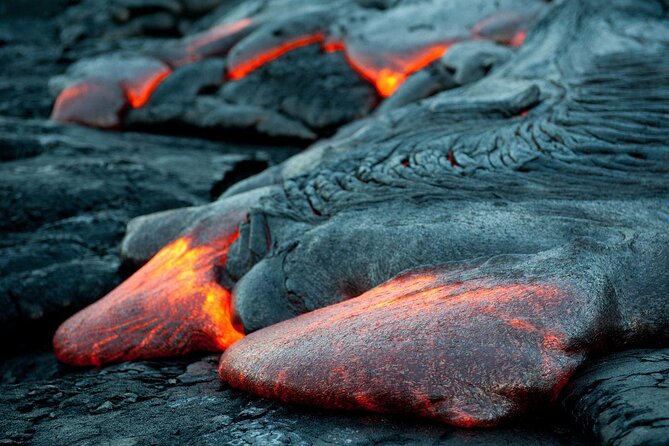
- Thurston Lava Tube and active steam/volcanic areas for a hands-on feel of Kīlauea-era activity
- Black Sand Beach turtle chance at Punaluʻu (not guaranteed, but the odds are real)
- A coffee-farm stop at Greenwell Farms in Kona, with Free admission
- Built for a small group (maximum 22), so the narration stays personal
First stop: Kona flight timing and why the schedule works
This tour is designed around a tight but sensible flow: you start on the Big Island at Kona International Airport in the morning, then work your way across the island by air-conditioned vehicle. Round-trip airfare from Kahului (Maui) is included, so you’re not trying to book flights separately or coordinate multiple transfers on the same day.
The usual duration is 8 to 10 hours, and because you’re moving between climates and elevations, timing matters. Volcanoes can look different depending on weather and the time of day, and the orange glow people hope for near Halemaʻumaʻu is all about conditions. On paper it’s a one-day plan. In practice, it’s long enough that you’ll feel like you did two or three mini-trips in one.
Practical note: your meeting point is at Kona International Airport, at the lot behind Alaska Baggage claim B-2, with a start time of 8:00 am. If you’re prone to running late, build in extra buffer—morning check-in on island airports is its own game.
You can also read our reviews of more tours and experiences in Big Island of Hawaii.

Greenwell Farms in the Kona coffee zone
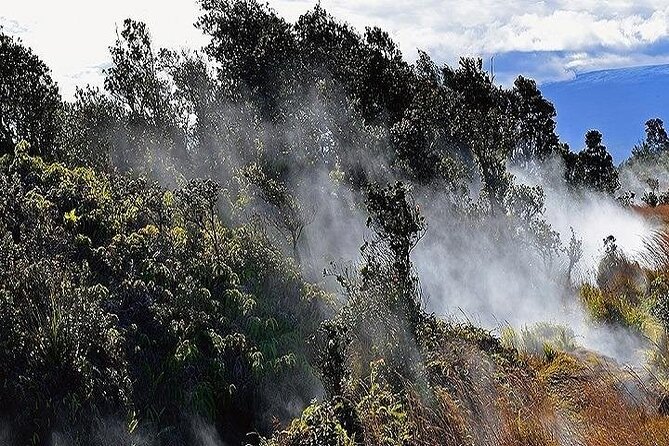
You’ll start with Greenwell Farms, one of the oldest Kona coffee farms (established in 1850 by Henry Nicholas Greenwell). It’s set on the slopes of Mauna Loa, and that’s not just trivia. The farm’s climate is part of what makes Kona coffee different: sunny mornings, cloudier afternoons, consistent rainfall, and volcanic soil.
This stop feels good because it’s not rushed. The admission ticket is free here, and you get a quick introduction to what makes the Kona region special before your day turns more wild—lava, steam, and steep roads.
What to watch for: coffee farms can be cooler than the beach side. Wear a light layer you can handle changing temperatures, especially because the rest of your day climbs and drops.
Manuka State Wayside Park: a calm forest reset
Next comes Manuka State Wayside Park, a 13-acre pocket along Hawaii Belt Road (Highway 11). It’s easy to miss on your own, which is exactly why it works on a structured day. You get a two-mile Manuka Nature Trail through native forest ecosystems, mixing wet and drier areas in a relatively short walk.
This stop adds variety. You’re not just chasing volcanic features. You’re seeing how living things survive on volcanic islands—different plants, different bird life, and interpretive signs that connect geology to what you’re standing in.
The trail is the point, and it’s a great time to slow down. If you’re the type who wants one “breather” stop so the big park time doesn’t drain you, this is that.
Punaluʻu Bake Shop lunch stop (and how to not get caught hungry)

Then it’s Punaluʻu Bake Shop in Naʻālehu, famous for traditional Hawaiian sweet bread. Expect flavors like taro, guava, and mango, plus a gift-shop style shopping area and a garden setting.
Here’s the practical part: meals are not included in the tour price. Your driver includes a lunch stop, but you’ll pay for what you eat. The tour data also notes that lunch options can include things like sourdough sandwiches, Kalbi beef, and Hawaiian plate lunches—along with baked goods.
So plan your timing. If you’re the kind of person who eats early, grab something before you get stuck waiting on the day’s flow. The day is full, and food stops aren’t evenly spaced in a way that works for everyone.
Punaluʻu Black Sand Beach: sea turtles and a short walk
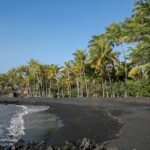
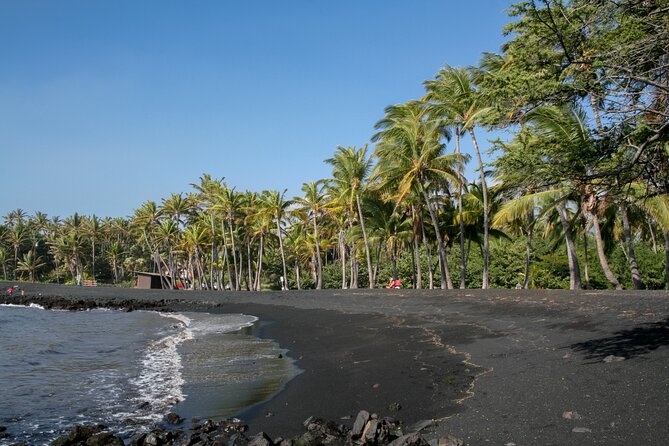
After bread comes Punaluʻu Black Sand Beach. You’ll get a chance to walk on black sand, with the possibility of seeing native Hawaiian green sea turtles.
A quick reality check: seeing turtles isn’t guaranteed. But the area’s known for them, and the stop is short—so it’s a good add-on without eating up the day you need for Volcanoes National Park.
Bring water and use sunscreen. Black sand can get warm, and you’ll still be in exposed sun even when the air feels “island mild.”
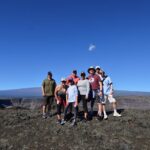
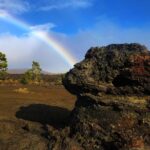
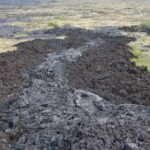
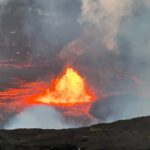
Hawaii Volcanoes National Park: Halemaʻumaʻu, Kīlauea Iki, lava tube, and vents
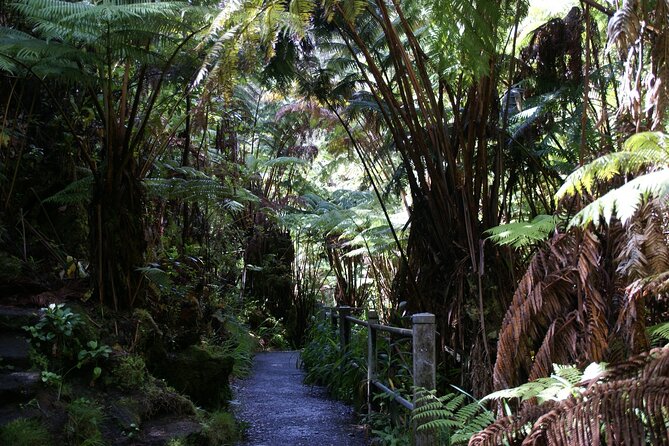
This is the core of the day, and it’s why you do the inter-island flight. Your Volcanoes National Park time is about two hours, and that’s enough to get a real sense of how the island changes.
You start at the visitor center. That matters more than people think. A quick briefing helps you understand what you’re seeing—geology, volcanic history, and the different zones—so the stops don’t feel like disconnected photo ops.
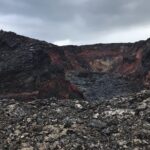
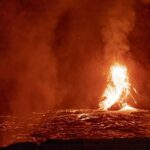
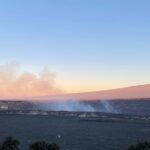
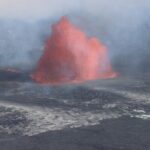
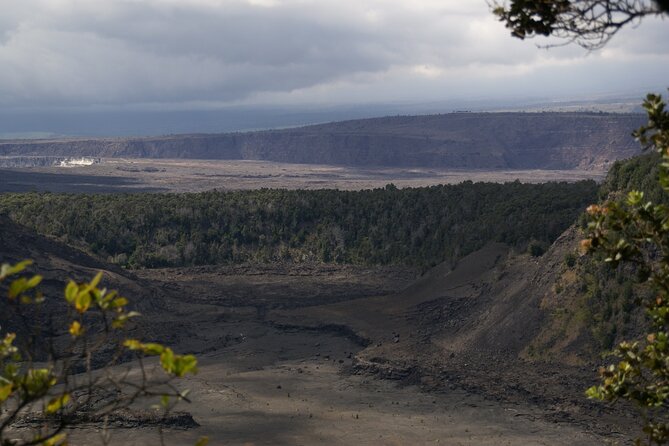
From there, you head to Halemaʻumaʻu Crater, where you may see the awe-inspiring glow of molten lava when conditions line up. Even if you don’t catch a bright orange moment, you’ll still be standing in a place shaped by constant, shifting heat and geology.
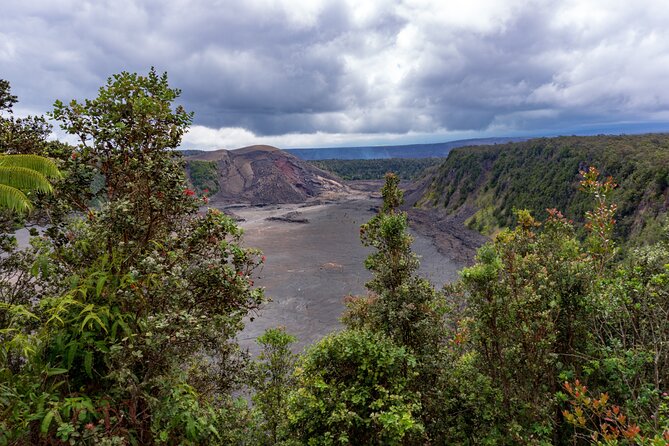
Then it’s on to the Kīlauea Iki Rainforest Lookout for a contrast: lush rainforest views around a massive crater. That shift—from steam and rock to green life—is part of what makes Volcanoes National Park feel real and not just dramatic.
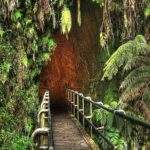
Next, you visit the Thurston Lava Tube, a natural tunnel formed by flowing lava. This stop is special because it changes how you “understand” volcano activity. Instead of only looking at craters from above, you walk inside the results.
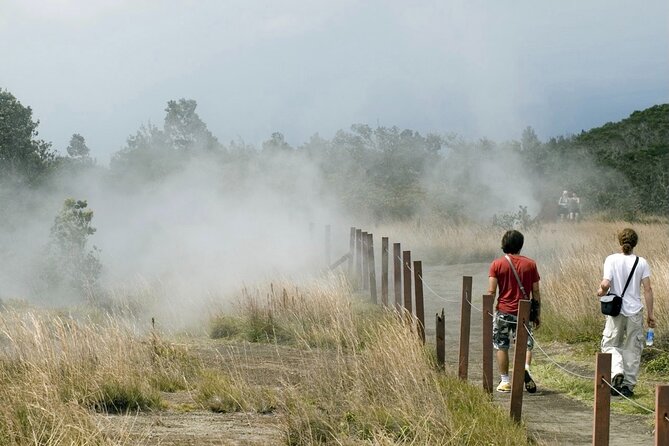
Finally, you’ll get active steam vents. This is where you can feel the heat rising from the earth. Keep your face and breathing in mind here, especially if you’re sensitive.
Volcano safety and who should take extra care
The tour data flags volcanic gases as a hazard, including possible sulfur dioxide. If you have asthma or other respiratory issues, I’d take this seriously and talk to a clinician before going. Even if you don’t have issues, pay attention to any guide safety directions and stay on marked trails.
Also pack smart for comfort: there’s weather variability, especially at higher elevations. Layers beat one-piece “island weather” optimism. A rain jacket is a good idea even on clear mornings.
Mauna Kea Access Road and the temperature shift you’ll notice
After Volcanoes, the tour heads toward Mauna Kea Access Road—a steep, winding route that climbs from Route 200 up through different climates. As you go higher, the air thins and temperatures drop fast.
This is one of those experiences where you’ll feel the island changing on the drive, not just see it. You’re moving from warmer, greener lower areas into colder, barren volcanic terrain. Bring warm layers even if Kona feels hot when you start.
The tour data doesn’t promise you’ll reach the absolute summit area for everyone in all conditions, but the access road climb is part of the experience. So plan for cold wind, and keep that hat and jacket handy.
Kohala Coast viewpoints: dry air and big views
Then you’ll pass through the Kohala Coast region. This side of the island is known for beaches, luxury resorts, and scenic views, and it’s generally drier than other parts of Hawaii.
It’s a nice contrast day-structure. After steam vents and black rock, you get smoother driving scenery and big-sky coastal moments. It also gives your legs a break from trail time, which matters when your day is already packed.
Hilo: culture stops that make the island feel more human
Finally, you’re into Hilo, a town with history and a lived-in cultural scene. On the tour, you’ll have a chance to connect dots across several places:
- Lyman Museum for natural and cultural history
- Hilo Historic District with preserved early 20th-century buildings
- Pacific Tsunami Museum to understand how tsunamis shaped local awareness and preparedness
- Liliuokalani Gardens, a serene place honoring Queen Liliuokalani
- Hilo Farmers Market as a lively snapshot of local goods and produce
Even if you’re only seeing pieces in a single-day format, these stops help you remember something important: Hawaii isn’t only volcanoes. It’s also communities shaped by the land.
What you’re paying for: value of $589.99 for the whole Maui-to-Big Island day
At $589.99 per person, this isn’t a cheap day. But you are buying several expensive pieces bundled together:
- Round-trip airfare between Kahului and Kona
- Air-conditioned vehicle transport across the island
- Hawaii Volcanoes National Park admission included
- Narration from a local guide throughout the drive time
- Multiple stops that cover coffee country, forest trail walking, black sand coastline, and Hilo culture
If you had to build this yourself, you’d spend time and money coordinating flights, park entry, and transportation while trying to keep a schedule that actually fits one day. The inclusion of flight + admission is the main value engine.
Where cost shows up: food. Meals are at your own expense, and you’ll likely want to buy lunch (the stop is at Punaluʻu Bake Shop). Budget for snacks too—especially if you’re the kind of person who gets cranky when hungry.
Tips I’d use to make this day trip smoother
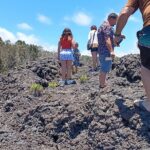
- Wear sturdy closed-toe shoes. Volcanic terrain can be uneven and sharp.
- Bring layers and a rain jacket. Weather can change quickly, especially at higher elevations.
- Pack water, sunscreen, and a hat. Services can be limited inside the park.
- If you have respiratory issues, be cautious about volcanic gases and follow guide advice closely.
- Accept that cell service can be limited. Download maps or save info before you head out.
- Bring cash. The tour notes that roadside stands, food trucks, and local shops may be cash-only.
- Respect sacred sites and follow leave-no-trace rules. This park is active and culturally significant.
Should you book this tour?
Book it if you want a tight, well-organized Maui-to-Big Island day that gets you to the highlights: Volcanoes National Park, lava tube walking, a black sand beach turtle chance, and a Kona coffee stop—without spending your vacation days figuring out logistics.
Skip it or think twice if you hate long days, don’t plan snacks, or need lots of downtime. You also need to take the volcanic gas note seriously if you have respiratory conditions.
If you’re the kind of traveler who likes “one day, many chapters,” this works. Just show up fed, dressed for wind and rain, and ready for your body to go from coast heat to high-elevation chill.
FAQ
How long is the Maui to Hawaii Volcanoes National Park experience?
It runs about 8 to 10 hours.
What is the pickup and meeting point?
You meet at Kona International Airport at the lot behind Alaska Baggage claim B-2, with a start time of 8:00 am. Pickup is offered.
Is the inter-island flight included?
Yes. Round-trip airfare to Kona International Airport from Kahului Airport on Maui is included.
What’s included besides the flight?
The tour includes air-conditioned vehicle transportation, Hawaii Volcanoes National Park admission, and narration from a local guide. A local guide provides stories and insights throughout.
Are meals included?
No. Meals are at your own expense. There is a lunch stop at Punaluʻu Bake Shop.
Do I need to buy tickets for the national park?
No. Volcanoes National Park admission is included, and entry tickets are provided by your driver on the morning of your tour.
What should I bring for weather and comfort?
Bring water, snacks, sunscreen, and a hat, plus layers and a rain jacket. Wear sturdy, closed-toe shoes.
Is it safe for people with respiratory issues?
The park can have volcanic gases like sulfur dioxide, which can worsen conditions such as asthma. If you have respiratory issues, use caution and follow safety guidance from the tour.