REVIEW · BIG ISLAND OF HAWAII
Big Island: Fat Tire E-Bike Tour through Volcanoes National Park
Book on Viator →Operated by Volcano Ohana · Bookable on Viator
Volcanoes National Park is better on wheels. This fat-tire e-bike tour gets you out in the open air with a small-group guided route that includes craters, forests, and seaside views. One consideration: you’re expected to be comfortable on hilly terrain, and there’s no refund if you can’t ride the e-bike.
I love the way the bikes make the park feel accessible without turning it into a slow bus tour. You get pedal assist plus a throttle, and that help matters when the road tilts or you’re riding at a steady pace that still lets you stop for photos and stories. The ride isn’t just “go fast and snap pics” either. Guides like Nicole and Derek focus on the plants, the lava features, and the history, and they keep the group together at a relaxed speed (around 8 mph, in at least one recent experience).
For timing, plan on about 3 hours from start to finish at Kilauea Lodge’s extension parking lot, with no hotel pickup or drop-off. And yes, there’s some walking too—most of it short—but it’s enough that you should know you’ll be off the bike for parts of the day.
In This Review
- Key things that make this tour worth your time
- Why a fat-tire e-bike makes Volcanoes feel close (not exhausting)
- Meeting at Kilauea Lodge and getting dialed in before you roll
- Entering the park via Escape Route gates and riding paved roads to the best stops
- Lava cave and the jungle ride with a short walk break
- Pace, distance, and what the “3 hours” really feels like
- What to wear (and what to carry) for the high-elevation weather reality
- Group size and skill level: who this tour is best for
- Price and value: why $199 can be a smart use of your Big Island time
- When weather or volcanic conditions change the day
- Should you book Volcano Ohana’s Fat Tire E-Bike Tour through Volcanoes National Park?
- FAQ
- Where does the tour start?
- How long is the e-bike tour?
- What’s included with the ticket?
- Do I need prior biking experience?
- What is the minimum age to join?
- How many people are in the group?
- What happens if weather is bad?
Key things that make this tour worth your time
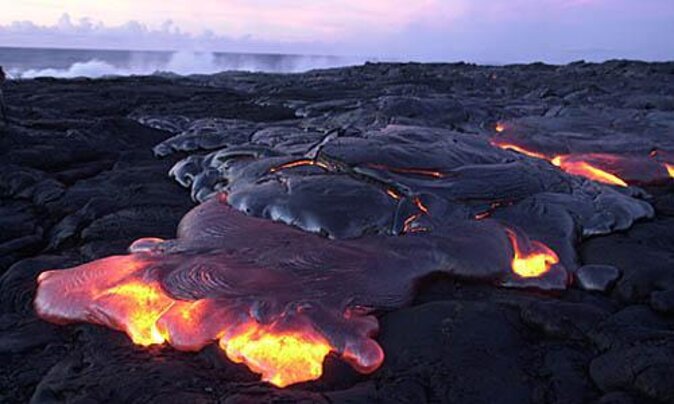
- Skip the parking headaches and get routed through the park instead of wasting energy on traffic and lots.
- You get a real safety setup: helmet, quick instruction, and a brief practice/parking-lot test before you head out.
- Fat tires + e-assist = smoother effort on uneven textures and the park’s changing grades.
- Photo stops are built into the plan, from wild craters to forest scenes with flowers and foliage.
- Expect short walks, including a lava cave stop after a ride through the jungle.
- Small-group size (max 12) keeps it easy to ask questions and get help when you need it.
Why a fat-tire e-bike makes Volcanoes feel close (not exhausting)
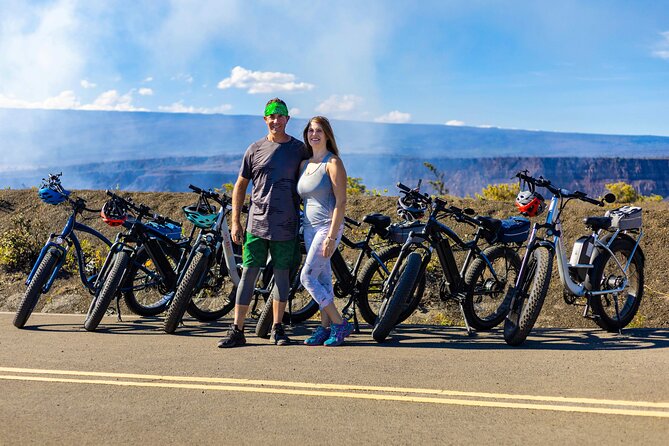
You can see Hawaii Volcanoes National Park from a car. But you don’t really feel it. On this tour, you move at bike pace—out in the air, with the sounds and smells of the place around you—and you cover ground faster than most walking plans allow.
The “fat tire” part matters. Those wider tires handle the park’s surfaces better than a standard bike would, and they add stability when you’re stopping often for viewpoints. Then there’s the e-bike assist. The bikes use pedal assist plus a throttle, and the system is designed to make climbs feel manageable without requiring you to be a trained cyclist. In multiple experiences, riders with only light biking background found it doable after a short practice moment.
Still, this isn’t a beginner “teach you from zero” class. The tour expects at least intermediate biking comfort, and youth must be 15 or older. The bikes are heavy (65 pounds), and that weight is part of why they keep the skill requirement real.
You can also read our reviews of more tours and experiences in Big Island of Hawaii.

Meeting at Kilauea Lodge and getting dialed in before you roll
Your tour starts at the Kilauea Lodge and Restaurant extension parking lot, with the address listed as 19-3948 Old Volcano Rd, Volcano, HI 96785. You’ll come here, meet your guide, grab your helmet, and settle in before heading through the park.
What I like about the start is that they don’t just toss you onto an e-bike and hope for the best. There’s a safety briefing, instructions on how to operate the bike, and then a short test ride in the parking area so you can get your bearings. One couple described roughly half an hour of initial setup and practice before the real park riding began.
The bikes come ready to help you enjoy the ride, not chase items:
- helmet provided
- snacks and water provided
- storage/travel sack so you can keep snacks and small gear handy
- a towel and riding goggles if you don’t have sunglasses
- a shammy cloth (useful for wipe-down and sweat control)
No hotel pickup means you’ll want to give yourself extra buffer time to arrive, park, and check in at the meeting spot.
Entering the park via Escape Route gates and riding paved roads to the best stops
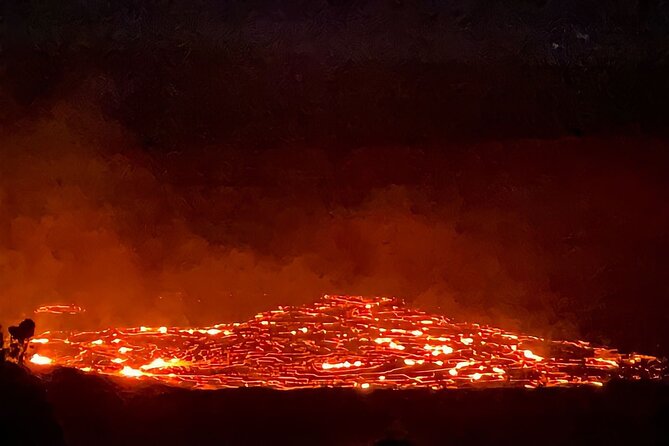
Once you roll out, you’ll enter through the park’s Escape Route gates and ride on paved roads and paths within Volcanoes National Park. The key idea is simple: you’re guided to the worthwhile stops without you having to puzzle out parking, routes, and timing on your own.
Your guide builds a plan that works for photos and for learning. Stops are made at points of interest along the route, so you’re not just whizzing past. Expect a mix of:
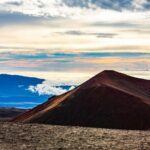
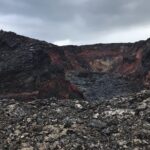
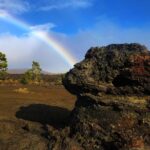
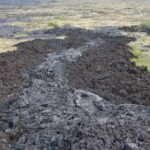
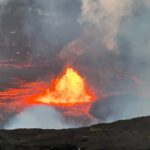
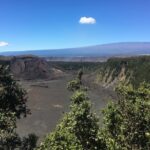
- crater views and volcanic terrain
- forested sections with flowers and foliage
- scenic overlooks that give you that “this is why people come” feeling
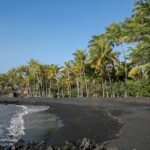
- seaside vistas when the route lines up right
The park’s content is the point here. A drive gives you a quick look. A guided bike ride gives you time to stop and actually understand what you’re looking at—why the land looks the way it does, what kind of ecosystem is living there, and what the volcano has been doing over time.
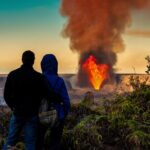
If you’re visiting during unusual volcanic activity, your experience may change. One rider described extreme conditions at Kilauea (tephra falling) and noted that park closures can happen, leading to evacuation and reduced riding time. That doesn’t mean it will happen to you—but it is a reminder to keep expectations flexible when the volcano is active.
Lava cave and the jungle ride with a short walk break
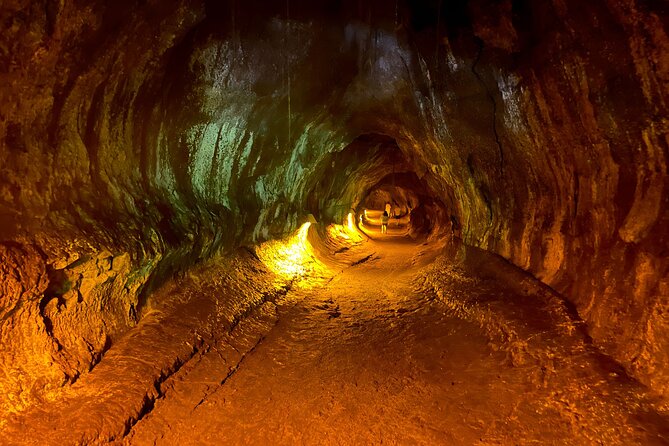
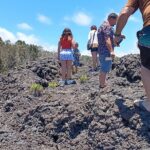
One of the most memorable parts of the experience is the lava cave stop. You typically ride through jungle-like areas to get there, then do a short walk as part of the visit. In at least one recent experience, that walk was described as short, with a good photo opportunity.
Two useful bits of advice from real-world moments:
1) Don’t assume you’ll stay on the bike the whole time. Even on an e-bike tour, the park still makes you step off for specific features.
2) If you have any issues with short hikes or uneven steps, tell your guide early. Guides can often time conversations and pacing so the group stays together.
This stop is where the tour turns from “scenic ride” into “this place has a story you can see.” A lava tube/cave visit helps you connect what you’re learning (lava history, volcanic processes) with an actual physical spot in front of you.
Pace, distance, and what the “3 hours” really feels like
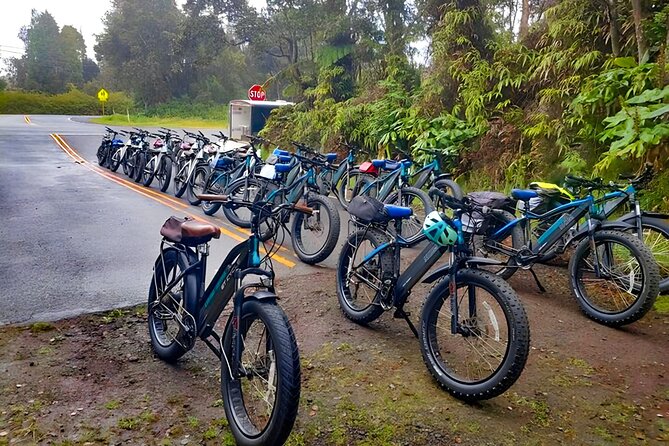
Most rides in this tour style land around 12–15 miles total, with an easy average speed reported around 8 mph. That doesn’t sound like much if you’re a speed cyclist, but it’s about the right pace for:
- frequent stops
- photo breaks
- guided explanations
- everyone staying comfortable on uneven surfaces
There’s also a human side to the pace. In one experience, a guide paused and adjusted the flow of conversation so someone who was slower walking wouldn’t get left behind. That kind of small-group attention is a big reason this tour tends to get high marks.
If you’re out of practice, the bike assist helps a lot. But you still need to manage turns, balance at slow speeds, and the general “rhythm” of riding and stopping. Several riders who were nervous at first said they learned quickly once they got a chance to practice.

What to wear (and what to carry) for the high-elevation weather reality
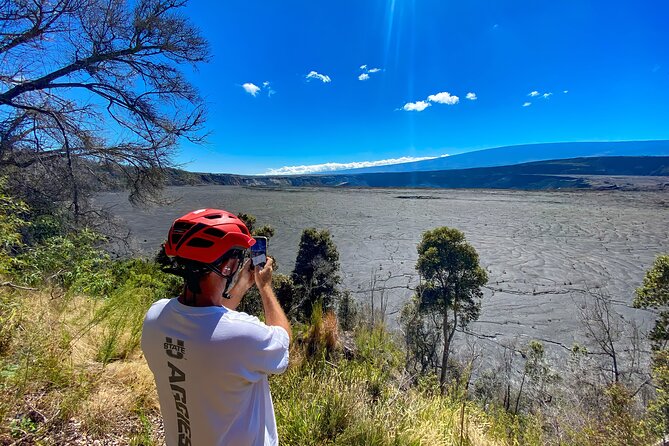
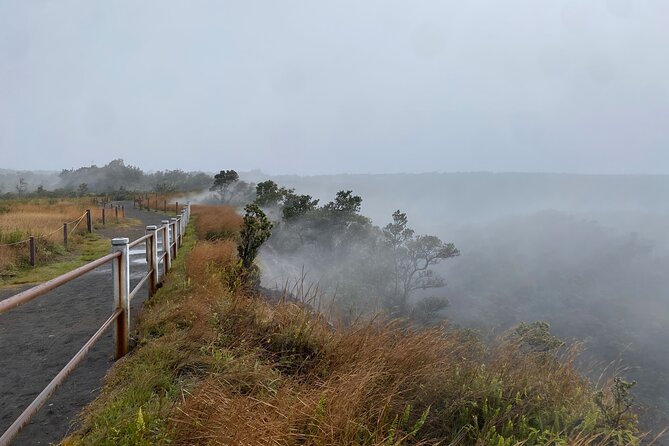
Volcanoes National Park weather is its own character. Even if you’re coming from sunny areas, the park can be cooler and rainy. You’ll thank yourself for packing like you’re visiting a mountain, not a beach.
I strongly suggest:
- layers (so you can peel on climbs and add warmth during cool periods)
- a waterproof rain jacket
- loose pants or capris
- a hat
- gloves if you run cold
One review described showing up in tank tops and shorts after driving in from warmer areas, then buying warmer gear on-site. You can avoid that expense and hassle by dressing for change from the start.
For eye comfort, if it’s wet or foggy, goggles can be better than sunglasses. The bikes include goggles if you don’t have your own, which is a thoughtful touch.
If rain is in the forecast, keep your expectations flexible. Wet weather may affect how long you get on certain trails or roads, even while the ride itself stays the same concept.
Group size and skill level: who this tour is best for
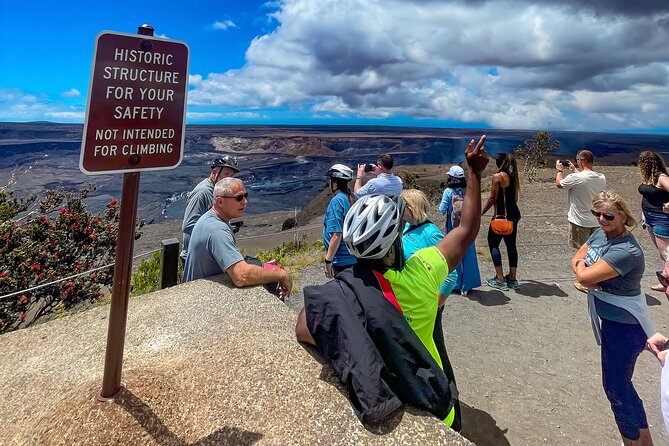
The tour runs with a maximum of 12 travelers. That small group size is practical. It keeps you from getting stretched out, and it makes it easier for the guide to spot who needs help with controls, balance, or stop timing.
Skill-wise, here’s the honest match:
- Best fit: riders with some biking comfort who can handle hills and can learn the bike controls quickly
- Still a good fit: first-time e-bike riders who are willing to practice briefly and take it slow
- Not ideal: people who want a beginner lesson or who are uncomfortable riding on inclines
Youth aged 15 and older can join on the e-bikes. For children younger than 15, you’ll need to contact the operator to discuss accommodation options, mainly because the bikes weigh 65 pounds.
One caution worth repeating: the tour does not refund if you’re unable to ride the bikes. That’s not meant to be harsh—it’s a safety and logistics reality. If you’re unsure you can handle the bike confidently, consider practicing on a similar bike type before you go.
Price and value: why $199 can be a smart use of your Big Island time
At $199 per person for about 3 hours, this is not a “cheap activity.” But it can be excellent value if you care about three things: time, access, and understanding.
Here’s what you’re paying for:
- e-bike + helmet (so you’re not renting gear separately)
- snacks and water
- a guide who helps you choose the best route and stops
- reduced friction versus driving and hunting parking for the top spots
Driving through Volcanoes often means long waits and parking stress. On the bike, you avoid that bottleneck and you get to move more directly from sight to sight. The learning component also matters. A guide can explain the geology, the ecosystem, and why certain views are worth your time—something you won’t get from a quick drive-by.
You’re also paying for a small-group format. That’s the difference between a fun ride and a “stand here and listen for 20 minutes” experience. Several riders highlighted that the group size made the tour feel more personal and easier to chat during.
If you already plan to spend hours driving and stopping on your own, you might feel you could replicate part of this. But if you want a clean, guided route with minimal hassle, this is one of the smoother ways to experience the park in a short window.
When weather or volcanic conditions change the day
This tour depends on good weather. If conditions make the tour unsafe or impractical, you’ll be offered a different date or a full refund. That’s a key comfort in a place where clouds and rain can roll in fast.
There’s also the volcano factor. On rare days, road access and park operations can shift because of volcanic activity. If that happens, you may lose some riding time. The best way to handle this is to keep your schedule flexible around your visit date and bring a rain plan (because you’ll be outside).
Should you book Volcano Ohana’s Fat Tire E-Bike Tour through Volcanoes National Park?
You should book if you want an efficient, fun way to see a lot of Volcanoes National Park without relying on driving and parking luck. The fat tires, the guided stop plan, and the e-bike assist make the experience feel approachable, and the small-group setup keeps it friendly and interactive. Guides such as Nicole and Derek are a strong reason people return to this format.
I’d skip or reconsider if you’re a true beginner on bikes, you hate hills, or you need a structured beginner lesson. This tour expects you to ride. Also pack for weather change—layers and waterproof gear aren’t optional in practice.
If you’re comfortable with that, this is one of the most “Big Island” ways to spend a few hours: human-scale adventure, real viewpoints, and enough guidance that you leave with a clearer picture of what you just rode through.
FAQ
Where does the tour start?
The tour meets at the Kilauea Lodge and Restaurant extension parking lot, listed at 19-3948 Old Volcano Rd, Volcano, HI 96785. The tour ends back at the same meeting point.
How long is the e-bike tour?
It runs for about 3 hours.
What’s included with the ticket?
You get a fat-tire e-bike and helmet, instructions on how to operate the bike, plus snacks and water.
Do I need prior biking experience?
Intermediate biking skills are recommended. Beginner bike lessons or lessons on how to ride a bike are not included, and refunds are not issued if you are unable to ride the e-bike.
What is the minimum age to join?
Youth age 15 and older can participate. For children younger than 15, you need to call to discuss accommodation options.
How many people are in the group?
The tour has a maximum of 12 travelers.
What happens if weather is bad?
This tour requires good weather. If it’s canceled due to poor weather, you’ll be offered a different date or a full refund.