REVIEW · HOBART
Hobart: Mt Field National Park & Wildlife Shore Excursion
Book on GetYourGuide →Operated by Tours Tasmania · Bookable on GetYourGuide
Waterfalls and wildlife fit a cruise day. This Hobart excursion is built for a quick escape from terminal crowd energy and trades it for Mount Field National Park rainforest walks and iconic falls. It’s a small-group day designed to keep you moving (without feeling rushed).
I especially like the way the tour strings together the park’s big highlights in sensible order: Russell Falls first, then Horseshoe Falls for that classic horseshoe-shaped drop. Then it pivots to wildlife at Bonorong, including close-up encounters with resident wombats and the Tasmanian Devil feeding show.
One consideration: the schedule is cruise-ship timing–driven, so late arrivals can be a problem if you get stuck in immigration or transport delays.
In This Review
- Key highlights to decide fast
- Cruise-day logistics: the 20 Davey St meet point and timing
- Mount Field National Park: rainforest walks to Russell Falls
- Horseshoe Falls and the dappled forest route
- Tall Trees Trail: Swamp Gums reaching over 80 meters
- New Norfolk break: a short reset that helps the whole day
- Bonorong Wildlife Sanctuary: wombats, hand-feeding wallabies, and the Tasmanian Devil show
- Pace, weather, and what you should pack for active short walks
- Guides make or break the day: flexibility, spotting wildlife, and group flow
- Price and value: what $130 covers, and what you’ll spend extra
- Who this tour fits best (and who should think twice)
- Should you book this Hobart Mt Field and wildlife tour?
Key highlights to decide fast
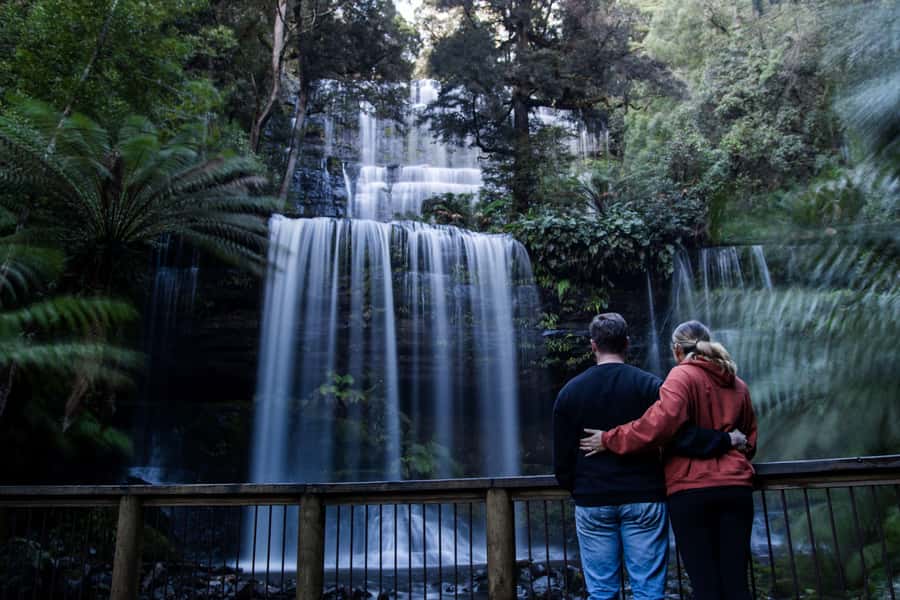
- Russell Falls and Horseshoe Falls: short walks that deliver dramatic waterfall moments.
- Tall Trees Trail with Swamp Gums: step into a forest that feels built for tall shadows and big photos.
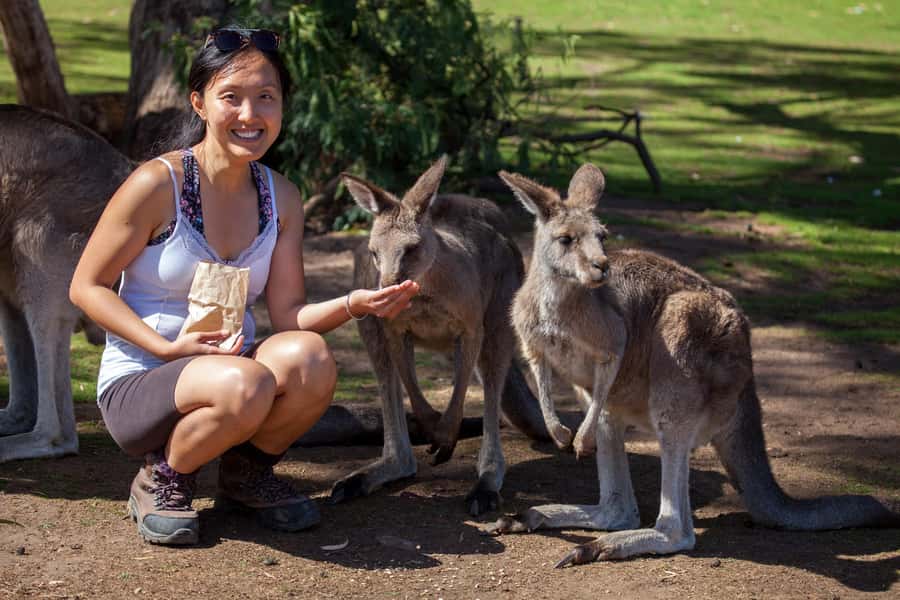
- Bonorong Wildlife Sanctuary time: a focused 1.5 hours to meet wombats and feed wallabies.
- Tasmanian Devil feeding show: a rare local animal encounter that’s part education, part action.
- Professional guided walks: guides adjust pacing and keep stops flowing (the best kind of control).
- Meets right by the terminal: a simple start at 20 Davey Street, made for cruise arrivals.
Cruise-day logistics: the 20 Davey St meet point and timing
This tour is for cruise ship passengers only, so the day is planned around your ship’s arrival and departure windows. Most Hobart cruises aim for an 8:45am meet and a 9:00am departure, with a return close to 4:00pm. That matters because it tells you how the day will feel: structured, time-minded, and ready to get you back before your ship starts counting down.
The meet point is the Tasmanian Travel & Information Centre at 20 Davey Street, Hobart. It’s an easy, short walk from the cruise terminal—think quick and simple, not a trek across town with a roll of luggage.
Here’s the practical takeaway: if your ship experience runs late, you feel it immediately. One review experience really underscores this—when immigration ran behind, the tour still proceeded on its set timeline, and the delayed guest missed departure. I can’t change how cruise scheduling works, but you can plan for it: build in buffer time for passports, bags, and getting back to the pickup spot.
You can also read our reviews of more tours and experiences in Hobart.
Mount Field National Park: rainforest walks to Russell Falls
Mount Field National Park is about 1.5 hours from Hobart, which makes it a good “one-day” nature hit without needing an overnight. The park is known for temperate rainforest, plus moody alpine moorland at higher elevations, and—most importantly for your day—the falls.
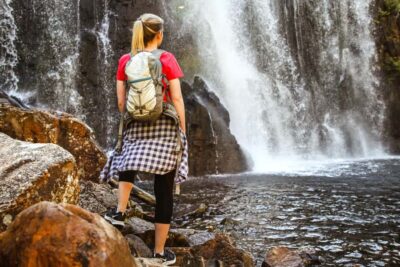
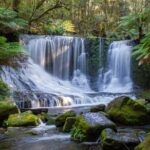
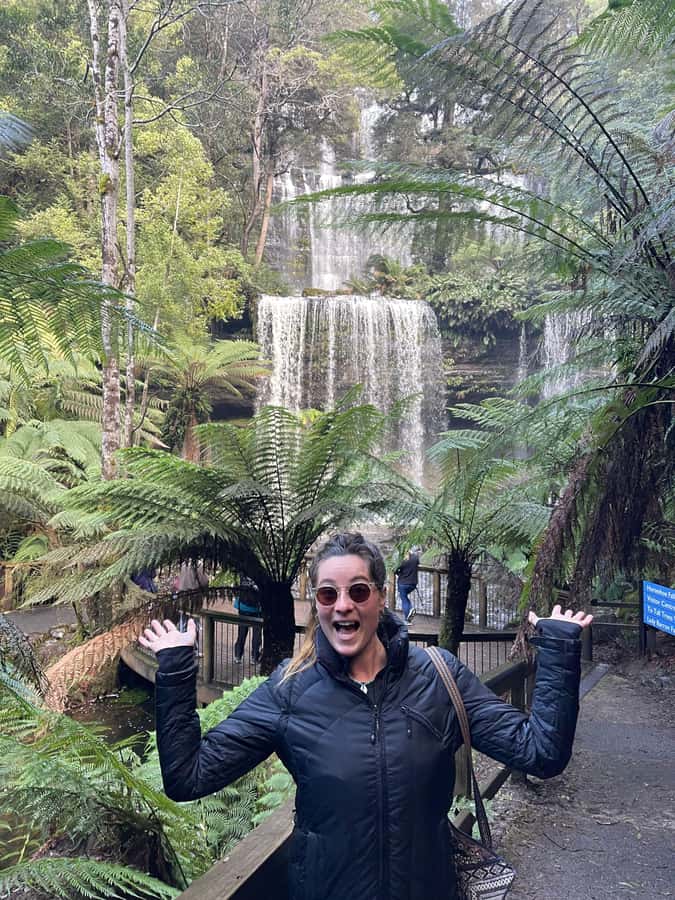
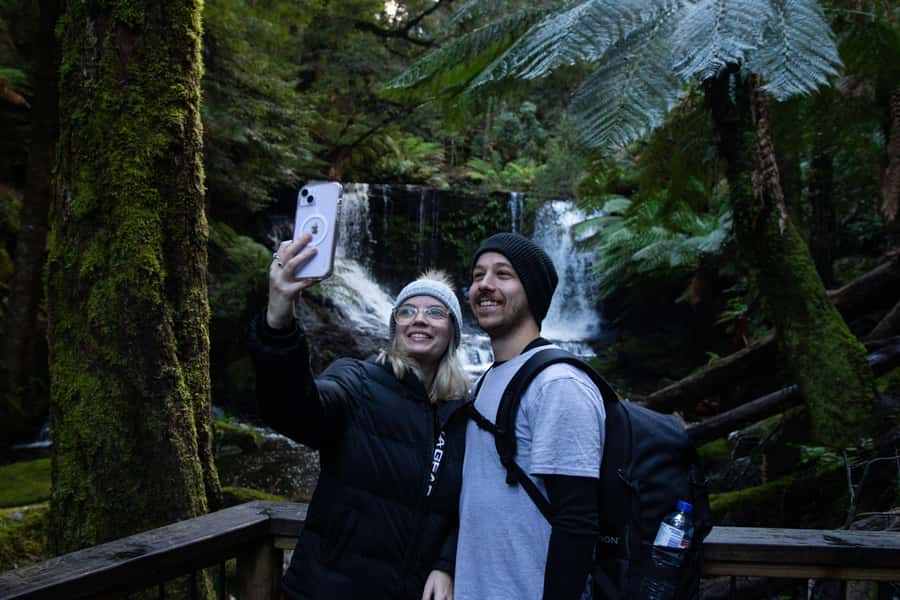
The tour starts with an easy walk along a quiet stream to Russell Falls. You’ll see water pouring over rock in three tiers, which is one of those details that makes planning feel easier. Instead of guessing where to stand, you’re walking to a view that’s already famous for its layered drop.
What I like about this setup is that it works for a wide range of visitors. The walk is short and paced as part of a guided day, not a test of endurance. Still, it’s in the outdoors, so your comfort depends on shoes and weather. Even with “easy” routes, rainforest terrain can get slick after mist.
Tip from the way guides run this day: if you care about photos, go early in the walk. The best waterfall angles often happen before the mid-day crowd rhythm takes over.
Horseshoe Falls and the dappled forest route
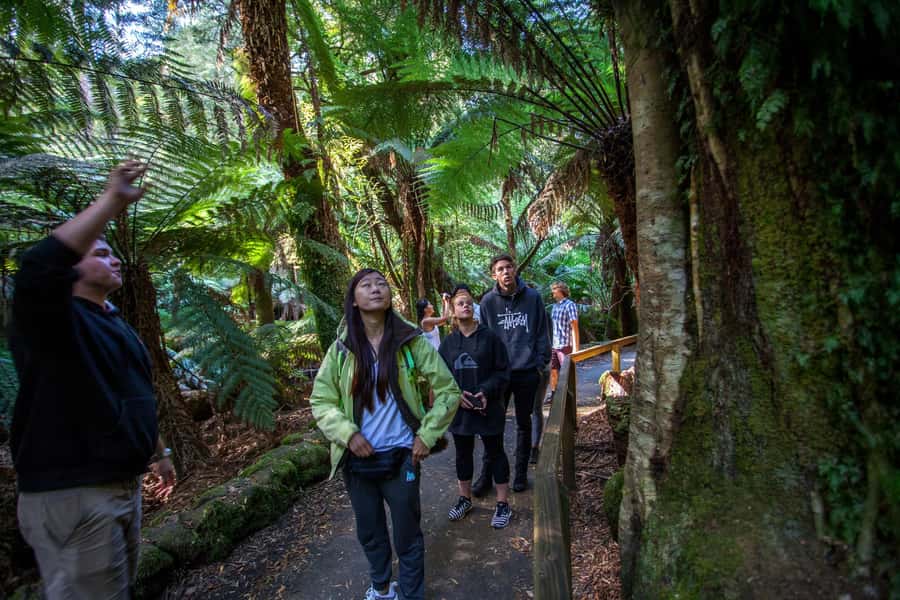
After Russell Falls, the itinerary pushes onward into the forest—dappled light, ferns, and that thick green feel you only get when you’re genuinely inside rainforest rather than just looking at it from a roadside. The goal is Horseshoe Falls, which the tour describes as a peaceful stop after your first waterfall.
This second fall is a nice change of pace. If Russell Falls gives you stacked drama, Horseshoe Falls gives you a more enclosed, softer feel. It’s also part of why the park day works so well: it’s not one big view, it’s a sequence. Your brain stays engaged, and you get multiple chances to pause and reset.
Potential drawback: because the day is scheduled around a cruise return time, you shouldn’t expect marathon wandering. You’ll get a guided experience with timeboxed walks, not endless trails. If your ideal day is hours of solo hiking, this may feel a bit structured.
Tall Trees Trail: Swamp Gums reaching over 80 meters
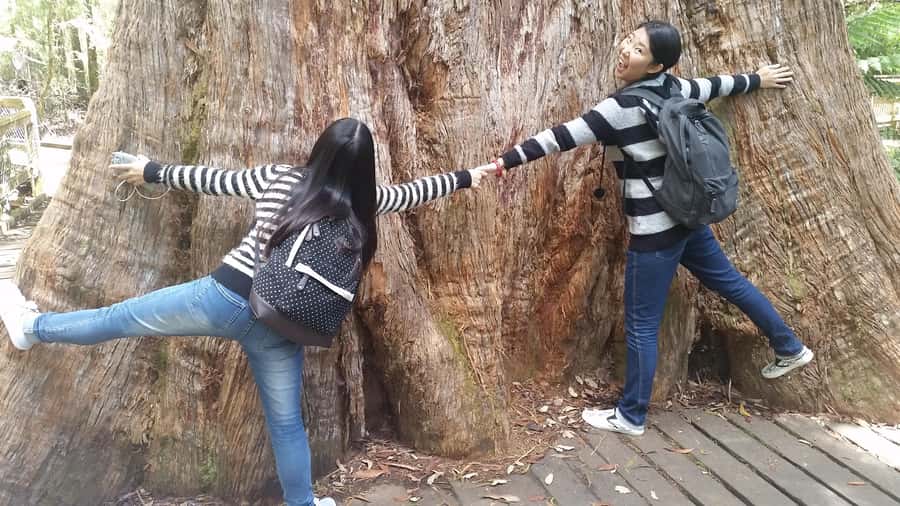
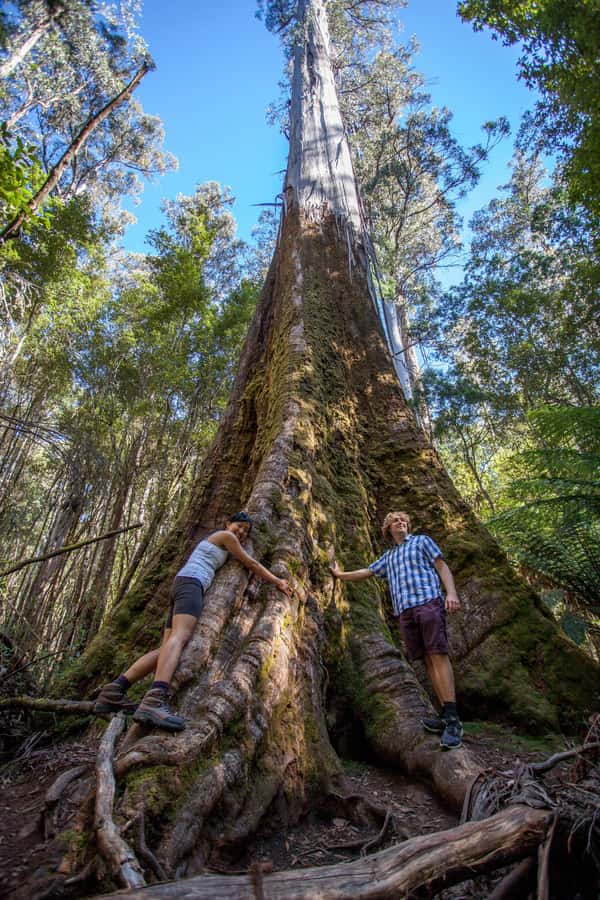
Next comes the Tall Trees Trail, a segment designed to give you that wow-factor scale moment. The standout are the Swamp Gums, described as stretching over 80 meters into the sky. Even if you don’t measure it with your own eyes, the forest height changes how the light hits the path and how the walk feels—more like walking inside a living cathedral than strolling through a theme park.
This is where I’d expect you to slow down a touch. The route is part of an organized day, but the trees make you want to look up. And if you’re traveling with a camera, this is the stop where you’ll likely use it the most.
One thing to keep in mind: the weather in Tasmania can change quickly. Rain or fog can make the trail feel cooler and quieter, but it can also make surfaces less forgiving. Wear the shoes you trust, not the ones you brought as a “maybe.”
New Norfolk break: a short reset that helps the whole day
About halfway through the morning drive, there’s a 15-minute break in New Norfolk. It’s not a long stop where you’ll fully explore, but it serves a real purpose: restrooms, quick snacks if you missed breakfast, and a chance to regroup before the park portion takes over.
This matters because the overall day is 7 hours. Short breaks like this make the rest of the itinerary feel more comfortable, especially on tour days where you’re stepping out of the bus every few segments.

Bonorong Wildlife Sanctuary: wombats, hand-feeding wallabies, and the Tasmanian Devil show
The wildlife portion at Bonorong is timed to feel focused: about 1.5 hours. That’s enough for a meaningful encounter, but it’s not enough to wander for half a day. So if you’re going for the animals, this is a great length. You get multiple highlights without losing your whole day to queueing and wandering.
The sanctuary experience includes:
- meeting resident wombats
- hand feeding wallabies
- seeing the Tasmanian Devils and learning from their feeding show
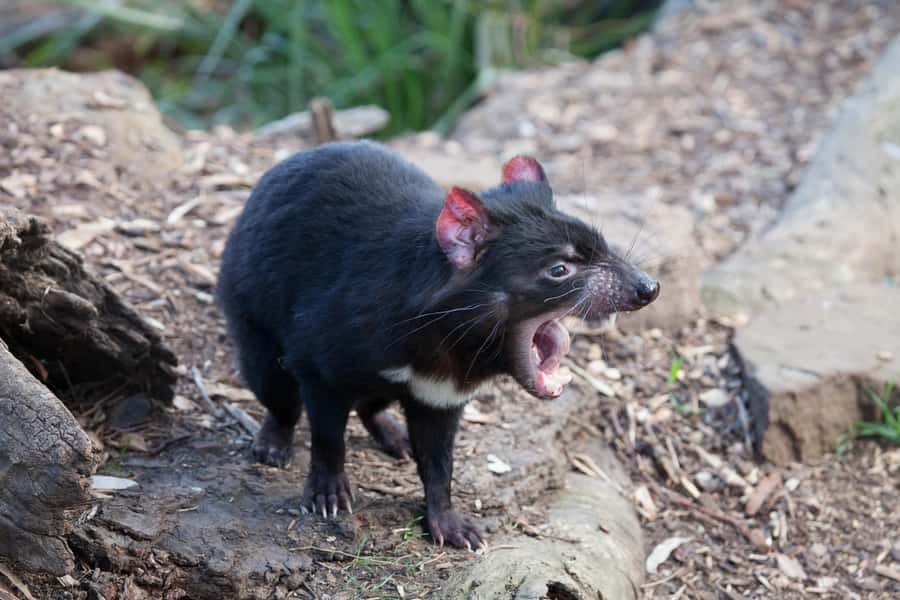
A key detail: Tasmanian Devils are described as carnivorous marsupials found only in Tasmania. They also have a reputation for being feisty and having a powerful bite. The feeding show is where you get that reality delivered in real time, with a strong education component.
What I like about Bonorong in a tour format is that it’s not just a photo stop. The day is built so you move from the park’s rainforest atmosphere into a hands-on wildlife setting. It gives you variety, and the wildlife portion gives meaning to the earlier nature theme—you’re not just seeing scenery, you’re meeting the fauna that makes Tasmania feel different.
One watch-out: if you love wildlife and wish you could linger, you might wish you had more time at Bonorong. The schedule is tight because you still need the full Mt Field portion and the return to the ship.
Pace, weather, and what you should pack for active short walks
Even though you’re not doing a long hike, you are doing multiple outdoor walks. The tour is set up for a comfortable day, but your comfort is still your job.
Bring:
- comfortable shoes you can trust on damp ground
- water
- outdoor clothing for changing weather
And then plan your food. Meals and drinks aren’t included. You’ll have a chance to buy a bakery-style takeaway lunch along the way, and lunch will be in a relaxed picnic area setting at Mount Field. I recommend you treat food as part of your plan, not an afterthought: if you’re sensitive to hunger or fatigue, pack a snack so you’re not waiting in line when the group moves.
Weather reality check: Tasmania’s conditions can shift fast. If it’s raining, the ground can be slick, and visibility can drop. That can actually make the park feel more “Tasmanian,” but safety still comes first.
Guides make or break the day: flexibility, spotting wildlife, and group flow
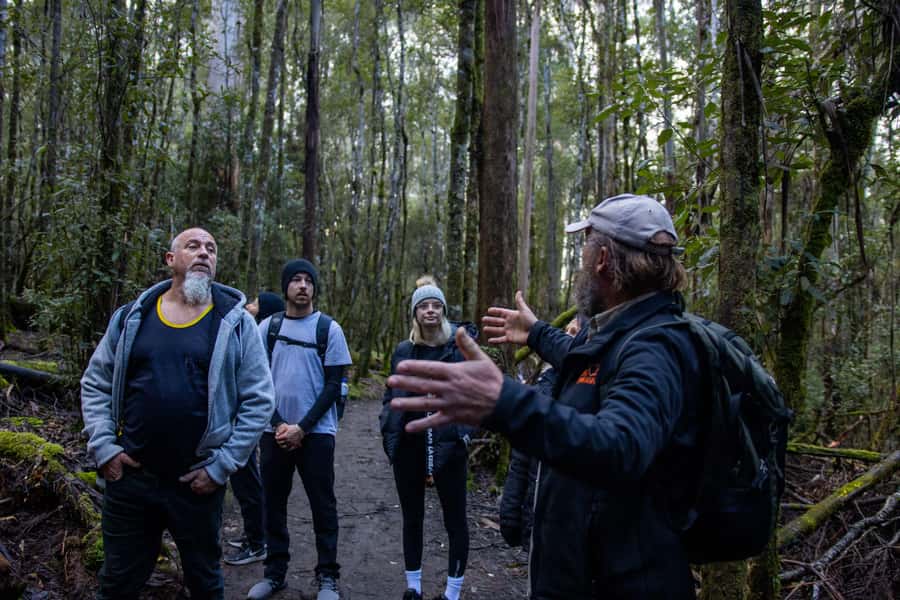
This is one of those tours where the guide quality really shows. Multiple experiences point to guides who know the park, keep the group moving at a good pace, and adjust timing when needed.
One named guide, Trevor, is specifically mentioned as knowledgeable about Mount Field National Park and as someone who kept a swift pace while still waiting for no-shows. He also spotted a “pandopelon” in thick tree growth, which tells you the kind of careful attention guides bring—small wildlife moments can pop up when you’re not just following the trail line.
That also helps you as a rider: when your guide is paying attention, you don’t have to worry about timing every turn. You also get extra context for what you’re seeing, which turns a checklist day into something you actually remember.
Price and value: what $130 covers, and what you’ll spend extra
At $130 per person, this tour is priced as a structured day with transportation time, guided activities, and entry fees included. You should see value in it if you want:
- guided park walking time
- guaranteed access to the park and sanctuary through entrance fees
- wildlife encounters that are hard to cobble together on your own in a cruise day
What’s included:
- Mt. Field National Park entrance fees
- Bonorong Wildlife Park entrance fees
- guided walks with professional tour guides
- small group active day tour adventure
What’s not included:
- meals and drinks
So the real cost picture is simple. Add lunch and snacks, plus whatever water you prefer. If you would otherwise pay for park entry, arrange a driver, and manage a tight schedule, the packaged structure starts to make sense—especially because cruise days don’t forgive delays.
Who this tour fits best (and who should think twice)
This works best for you if:
- you’re on a cruise and want a reliable, scheduled day trip
- you like guided walks that focus on the major highlights without needing your own map skills
- you want a nature + wildlife combo in one go
It may not fit if:
- you need wheelchair-friendly or mobility-friendly access (the tour isn’t suitable for people with mobility impairments or wheelchair users)
- you’re traveling with kids under 6 years (not suitable)
- you want a long, free-form hike with no timeboxing
And because this is cruise-based, it’s also best if you’re confident you can handle the timed meet point without stress. If you know your cruise port process can be slow, plan extra buffer.
Should you book this Hobart Mt Field and wildlife tour?
If you’re looking for a high-ROI cruise day, I’d say yes—especially if Mt Field’s falls and Tall Trees are on your wish list. The $130 price feels fair once you factor in entrance fees and guided walks, and the day has a nice rhythm: rainforest waterfall sequence, then a wildlife sanctuary stop with hands-on encounters and a Tasmanian Devil feeding show.
Skip it only if your top priority is slow, flexible hiking time or if accessibility needs can’t be met. Otherwise, this is one of the more practical ways to see what Tasmania does best during the limited window a cruise gives you.