REVIEW · BIG ISLAND OF HAWAII
Big Island, Hawaii: Volcanoes National Park Safari
Book on Viator →Operated by Safari Helicopters · Bookable on Viator
Volcanoes look different from the air. This Hilo helicopter safari is built for seeing Kīlauea country from above, with a pilot who talks you through what you’re flying over. You also get a taste of Big Island variety on the way in, from orchids to native forest, then the big lava-and-volcano views at the park.
I especially like the easy meetup at Hilo Airport with a short, focused flight plan, plus the whole thing is run by a long-time local operator. I also like the pilot-as-guide format, where you’re not stuck with silence and you can ask questions mid-flight.
One drawback to plan for: visibility is a weather game. If clouds or smoke block the caldera area, you may not get the exact volcano angles you hoped for, and the route can change for safety.
In This Review
- Key things to know before you fly
- Hilo airport starts fast: what the meetup feels like
- What you see en route: orchids, native forest, then lava
- Volcanoes National Park from above: caldera chances and weather reality
- Your pilot is the guide: the narration value you’ll feel in the air
- Seats, weight limits, and visibility: plan for comfort and safety
- Price and value for $379: what you’re really paying for
- Weather, cancellations, and alternate plans: how to stay flexible
- Who this tour suits best (and who should think twice)
- Should you book the Volcanoes National Park Safari?
- FAQ
- How long is the helicopter ride?
- How much does the tour cost?
- Where is the meeting point?
- Is hotel pick-up and drop-off included?
- What’s included in the price?
- Are snacks included?
- Is the tour offered in English?
- How many travelers are on the tour?
- What are the passenger weight limits?
- What if weather prevents flying over the volcanoes?
Key things to know before you fly
- Small group (max 6 travelers), which usually means less waiting and more personal attention in the air
- Pilot-led narration covering geology, history, and the islands’ peoples, not just pointing at views
- Volcanoes National Park views plus lava flows ranging from older fields to newer activity
- Weather-dependent routing, sometimes including alternate areas like Waimanu Valley or coast views
- Tight weight rules (accurate passenger weights matter for safety and seat assignment)
- Seat comfort and visibility vary, especially for seats behind the pilot
Hilo airport starts fast: what the meetup feels like
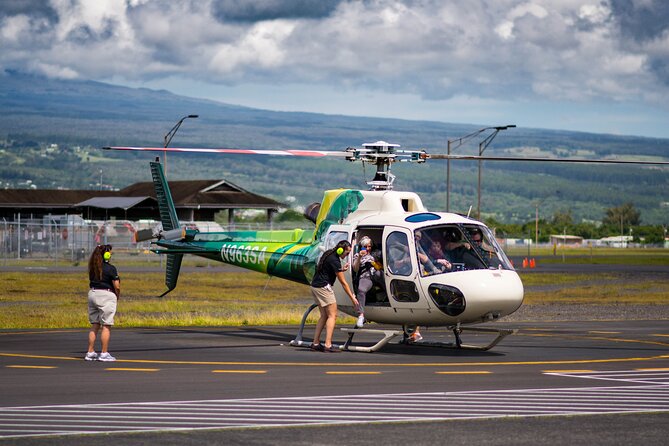
The best part of this tour for your schedule is how straightforward the start is. You meet at 2220 Kekuanaoa St, Hilo, then you fly from Hilo Airport. Hotel pickup and drop-off are not included, so plan to drive, taxi, rideshare, or use nearby public transport.
Give yourself time for the pre-flight routine. The show time is 40 minutes before departure, and they do a safety debrief before you go airborne. If you’re traveling with family, that advance check-in helps everyone settle and understand the rules without scrambling.
You should also know the ride is in English, and you get a mobile ticket. No printed ritual required.
You can also read our reviews of more tours and experiences in Big Island of Hawaii.

What you see en route: orchids, native forest, then lava
This tour isn’t just “go straight to the volcanoes and that’s it.” The flight path includes scenic layers that make the whole 55-minute experience feel like a mini aerial journey.
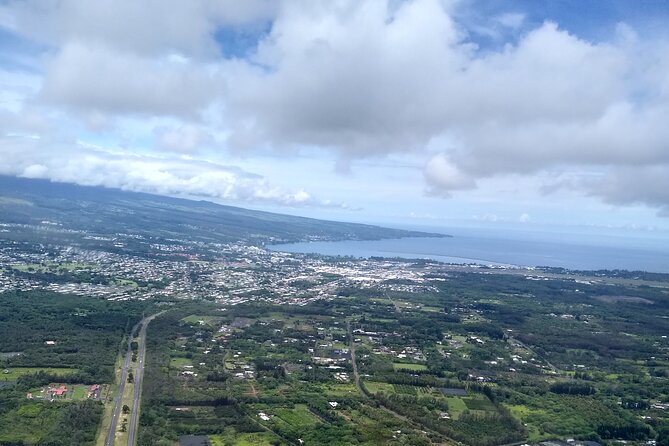
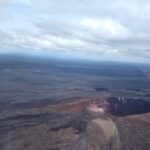
From Hilo, you can expect to look down at orchid farms and lush native forest along the way. That matters because it gives context: the Big Island isn’t only lava. It’s also rain-fed ecosystems that look very different from the drier sides of the island.
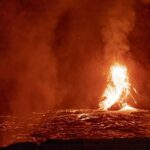
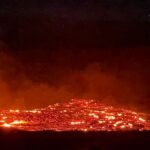
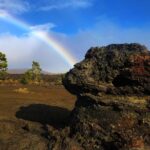
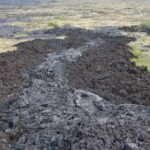
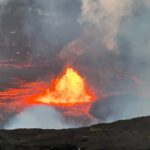
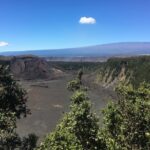
Then comes the payoff when you reach Volcanoes National Park, where the views shift to lava flows both older and newer. On clear days, you can get dramatic angles of the active terrain, including vents, craters, and lava fields.
If you’re the kind of traveler who likes a smooth story from start to finish, this flight design works. You’re not only chasing a single photo. You’re watching how the island formed and keeps changing.
Volcanoes National Park from above: caldera chances and weather reality
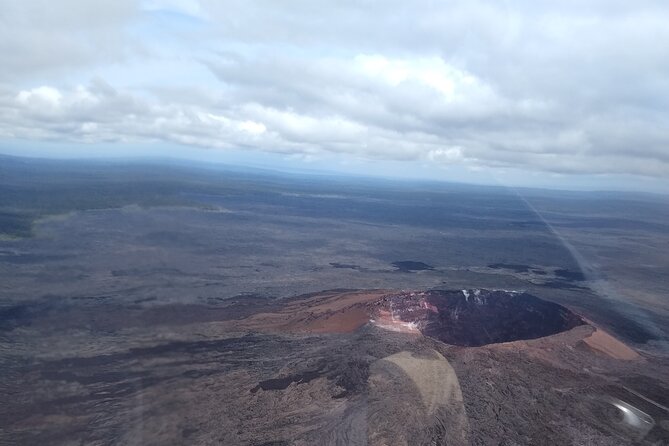
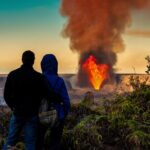
The headline is Volcanoes National Park, and on good visibility days you may get very specific drama. Some flights have included views that people describe as hovering over a volcano cone, seeing gases rising, and even watching active lava behavior when conditions line up.
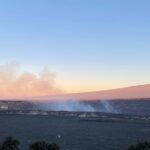
But here’s the practical truth: the caldera and the most active features are also the most vulnerable to cloud cover and smoke. If that happens, the crew will not force a flight where visibility is unsafe.
What you can expect in those cases is rerouting or adjusting the flight plan so you still see a lot of the park region. In past situations, guests have been offered an alternate experience when volcano visuals were blocked, like going to the north side of the island or Waimanu Valley, or focusing on coastline and other eruptive-history areas.
So I’d go into this with the right mindset: you’re booking a volcano safari, not a guaranteed caldera show. Your best odds are a clear-weather day, but the operation still aims to keep the experience meaningful even when the exact target is obscured.
Your pilot is the guide: the narration value you’ll feel in the air
One reason this tour earns high marks is what happens while you’re looking out the windows. The pilot acts as the captain and also doubles as your guide, offering running commentary so the flight makes sense instead of feeling like a random tour.
People have mentioned pilots such as Andrew and Jim providing clear explanations and history as they fly. The topics can include Hawaiian island history, culture, geology, and what you’re seeing in the terrain at that moment. You’ll also have time to ask questions, and the crew tends to keep things interactive.
Even the “small” details add up. Expect the pilot to adjust turns to improve sightlines. One review response noted flight patterns that create multiple figure-eight style passes over highlights, which is exactly what you want if you’re trying to see both sides of the helicopter during key moments.
If you’re a first-time helicopter rider, the narration also helps your brain stay calm. You’re not white-knuckling through the ride trying to figure out what you’re looking at.
Seats, weight limits, and visibility: plan for comfort and safety
This is where your pre-trip homework matters. There are strict weight rules:
- Total weight per passenger is 249 lbs
- If you’re over 250 lbs, you’ll need an additional seat
- There’s also a combined weight rule for two people totaling 420 lbs
- If your given weights are not accurate, you may be forced to buy another seat or step down from the tour, and there’s no refund for safety issues caused by inaccurate weights
That might sound intense, but it’s also the kind of rule that keeps operations safe and consistent. Just treat the weight question seriously when booking.
Comfort-wise, expect the cabin to feel small. Multiple guests have said the seats are tight, which is pretty standard for helicopters, but it can still matter for your experience. One passenger noted limited leg space and difficulty seeing from the seat behind the pilot. Another passenger’s response emphasized that there’s room to sit properly and that the flight path is planned for visibility on both sides.
My advice: if you care about seeing the biggest views, try to choose a seat with the best window access for your group. If you’re sensitive to motion, ask about which seats tend to offer clearer sightlines before you commit to your exact placement.

Price and value for $379: what you’re really paying for
At $379 per person for about 55 minutes, this isn’t a cheap activity. Helicopter time costs money, and you’re paying for more than “a ride.” You’re paying for access to volcano views that are hard, slow, or impossible to reach by hiking or driving.
What supports the value:
- All fees and taxes are included, so you’re not hunting for add-ons later
- The group is small (up to 6 travelers), which usually helps the experience feel more personal
- You’re getting the park plus the Big Island variety on the approach: forest and orchid farms before the lava fields
- You’re getting pilot narration that turns sightseeing into understanding (lava, vents, craters, and the island’s changes over time)
Is it worth it? For me, it’s a yes when you want a once-per-trip “Big Island on fast-forward” moment. It’s also a smart pick if you’re short on time or don’t want to spend a whole day driving and hiking just to get partial viewpoints.
If your primary goal is seeing a specific eruption feature on a specific day, keep expectations flexible due to the weather factor. The ride is still valuable, but the exact target might change.
Weather, cancellations, and alternate plans: how to stay flexible
This tour requires good weather, and that’s not a vague warning. Fog, low clouds, and smoke can limit safe flight routes, especially around the most delicate volcano visibility areas.
When the day doesn’t cooperate, the operator may offer alternative options, such as different areas on the island instead of the original Volcanoes National Park focus. In some cases, flights have been adjusted due to weather bands, and guests were offered the best available reroute.
There’s also a minimum traveler requirement for a given time slot. If that minimum isn’t met, you can be offered a different date or a full refund. If that happens, it’s not about a lack of interest in the product. It’s just how helicopter scheduling works.
My practical advice: if you’re planning multiple activities on the Big Island, build in breathing room. Don’t stack tours back-to-back on your most fragile travel day.
Who this tour suits best (and who should think twice)
This experience tends to fit well for:
- First-time helicopter riders, because you get guided context from the pilot and a safety routine that’s handled before takeoff
- People who want maximum views in minimal time, especially if you’re basing yourself near Hilo
- Families and multigenerational groups, since the operation is designed for small crews and the pilot can tailor pacing through the flight
Think twice if:
- You’re extremely sensitive to tight seating or you know you’ll struggle with window sightlines from your assigned spot
- You’re booking for one very specific caldera moment and would be upset if clouds block that exact angle
- You’re unsure you can meet the weight requirements exactly, because accurate weights matter for safety and seat assignment
Should you book the Volcanoes National Park Safari?
I’d book this if you want a high-impact Big Island experience that mixes volcano views with living ecosystems, and you care about learning while you look. The combination of small group size plus pilot narration is a strong match for travelers who like context, not just photos.
I would only hesitate if your schedule is rigid or your expectations are built around one guaranteed eruption sightline. In that case, you’ll be happier booking with some weather flexibility in mind, since routing changes are part of how the day works.
If you can do that, this is one of the more efficient ways to see why the Big Island earns its volcano reputation.
FAQ
How long is the helicopter ride?
The Volcanoes National Park Safari is approximately 55 minutes.
How much does the tour cost?
It costs $379.00 per person.
Where is the meeting point?
The tour meets at 2220 Kekuanaoa St, Hilo, HI 96720, USA.
Is hotel pick-up and drop-off included?
No. Hotel pick-up and drop-off are not included.
What’s included in the price?
The price includes the helicopter flight over Volcanoes National Park plus all fees and taxes.
Are snacks included?
No. Snacks are not included.
Is the tour offered in English?
Yes, the tour is offered in English.
How many travelers are on the tour?
The tour has a maximum of 6 travelers.
What are the passenger weight limits?
The total weight per passenger is 249 lbs. Passengers over 250 lbs need an additional seat. There’s also a combined weight limit of 420 lbs for two people.
What if weather prevents flying over the volcanoes?
The experience requires good weather. If it’s canceled due to poor weather, you’ll be offered a different date or a full refund. If weather limits the original route, you may be offered an alternate flight path.