REVIEW · BIG ISLAND OF HAWAII
Private Guide Meet In Hawaii Volcanoes National Park
Book on Viator →Operated by Big Island VIP · Bookable on Viator
Volcanoes feel close up with a private guide. This 3-hour Big Island VIP tour takes you through Kīlauea highlights at a human pace, with time spent on what those features mean, not just where they are.
You start at the Kīlauea Visitor Center, then move on to the lava tube, steam vents, and the best stretches of Chain of Craters Road.
What I like most is the customizable itinerary. Your guide keeps the group together and adjusts stops for your family, your timing, and how steady everyone feels on the ground.
The second big win is the added value around your photos. You get digital photo souvenirs for your group, plus bottled water and adult plastic ponchos, so you’re not scrambling for gear or worrying about capturing every moment.
One thing to weigh: you’re paying for a premium private guide experience, and the park entrance fee is separate ($30 per car). Also, the tour depends on good weather, and some walking is on rugged terrain.
In This Review
- Key things to know before you go
- Starting at Kīlauea Visitor Center, even while renovations are happening
- Nahuku–Thurston Lava Tube: the 600+ year-old walk you’ll remember
- Steam vents at Kīlauea summit: the science behind that foggy steam
- Chain of Craters Road: how to read past eruptions in 2 hours
- Morning vs afternoon: choosing your timing for crowd control and light
- The value behind $625 per group (up to 10 people)
- What you’ll actually do during the 3 hours
- Comfort and readiness tips that make the day easier
- Who should book this private Kīlauea tour?
- So, should you book Big Island VIP for Kīlauea?
- FAQ
- How long is the private tour in Hawai’i Volcanoes National Park?
- How much does the tour cost, and how many people can be in a group?
- Is this tour private?
- Where do we meet, and how do we find the guide?
- Which stops are included during the 3 hours?
- Do I need to pay the National Park entrance fee?
- Can the itinerary change for weather or your group’s ability?
- What happens if I cancel, or if the weather is bad?
Key things to know before you go
- Private tour that does not mix groups, so you get real attention the whole time
- Kīlauea Visitor Center meeting point works even during renovations (look for the Big Island VIP van)
- Nahuku–Thurston Lava Tube is a half-mile walk through a 600+ year-old system
- Steam vents stop explains what’s in the steam and how volcanic activity affects water and early travelers
- Chain of Craters Road is paced to your group, with stops adjusted for fitness and unloading speed
Starting at Kīlauea Visitor Center, even while renovations are happening
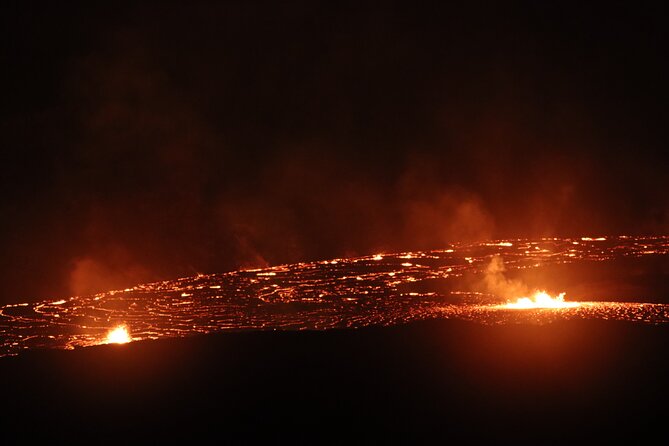
Your tour begins in the park’s temperate rainforest area at the Kīlauea Visitor Center, at 1 Crater Rim Drive, Volcano, HI 96785. The visitor center is undergoing renovations, but it’s still the best place to meet, and it’s easy to spot once you’re inside: after the ranger booths, it’s the first large building on the right.
This first stop may only be about 10 minutes, but it matters. You’re getting a quick orientation to the park’s volcanic story right as you settle in. With Kīlauea active through the period after Dec 23, 2024, the guide’s job is to help you connect what you see on the road to the forces that built it.
You’ll also notice a practical shift from self-guided exploring: the guide helps you avoid the trap of wandering at random. Instead of bouncing between pull-offs and guessing what you’re looking at, you start with the “why.”
You can also read our reviews of more tours and experiences in Big Island of Hawaii.

Nahuku–Thurston Lava Tube: the 600+ year-old walk you’ll remember
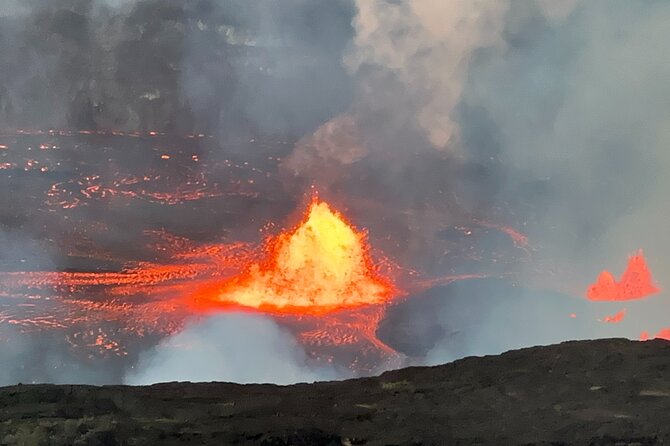
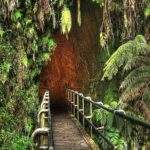
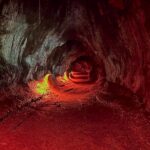
The next main stop is Nahuku–Thurston Lava Tube. Plan on about a 30-minute stop, including a half-mile walk through an older lava tube system where you can learn how lava tubes form in the first place. It’s not just a stroll. The guide connects the tunnel’s shape and features to the way molten rock cooled and drained.
This is also where the park’s life shows up in an unexpected way. You’ll move through a zone with endemic plants and birds, and the guide calls out specific species and how they survive in volcanic areas. One of the more interesting angles is the discussion of ancient uses of certain plants, and why those plants are still adapted to this environment today.
A realistic consideration: you’ll want decent walking shoes. Even though the distance is short, lava terrain and uneven ground can be tricky. If your group has anyone who needs extra stability, ask the guide early to pace the walk and choose the easiest route through the tube area.
Steam vents at Kīlauea summit: the science behind that foggy steam
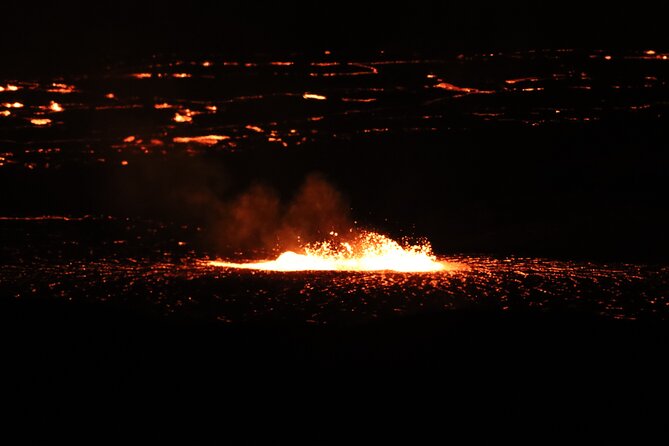
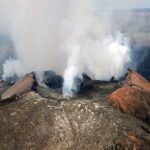
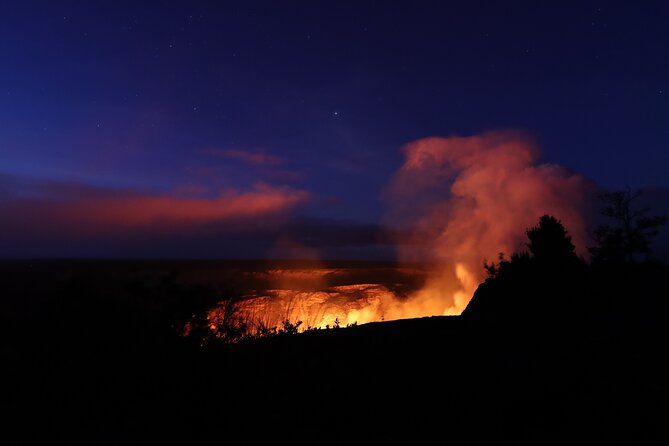
Next up is the steam vent area. Expect around 15 minutes here, but you’ll come away with a clearer picture of what those vents are doing and why they’re significant.
The guide explains how the vents were created and what’s in the steam. That sounds simple, but it changes how you interpret the scene: steam in a volcanic setting isn’t just “hot air.” It’s tied to geologic processes happening below the surface.
There’s also a human angle. The guide discusses how local people have used volcanic areas for water—specifically noting that drilling down can hit hot rock. You’ll also learn about a local wild orchid and how the steam vents benefited early travelers who passed through the summit area.
This stop is a good example of why a private guide is worth it. Without explanation, you might just see weather-like steam. With context, the vents become a clue to what’s happening underground.
Chain of Craters Road: how to read past eruptions in 2 hours
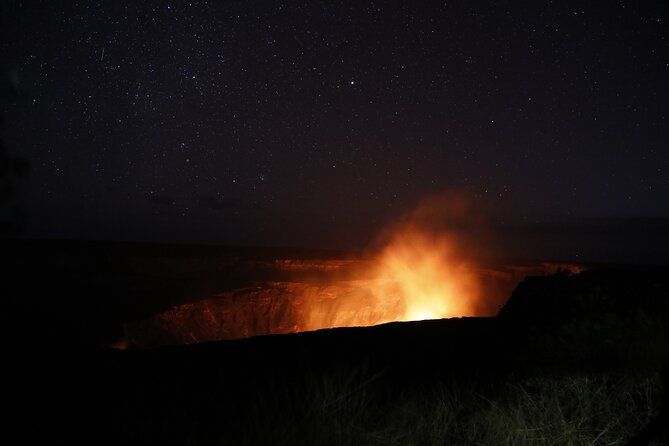
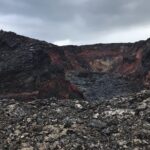
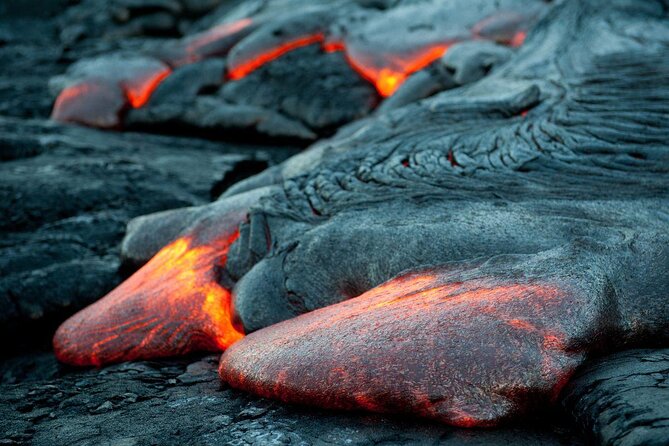
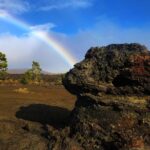
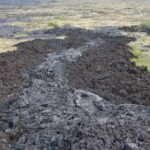
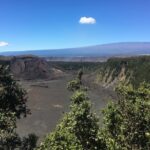
Chain of Craters Road is one of the most “show me” parts of the park. Your tour dedicates about 2 hours here, and the guide focuses on showing you multiple lava formations and signatures of past eruptions rather than trying to cram in every viewpoint.
A key note from the tour plan: in a 3-hour experience, it’s not possible to list every specific stop in advance. The exact stops can vary based on weather, how quickly the group can load and unload, and how sure-footed everyone is. In other words, you don’t just ride a fixed script.
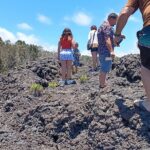
Expect rugged terrain and uneven ground in places. The guide adapts the amount of hiking and the walking pace to your group’s fitness level and comfort. That matters on this road, because it’s easy for self-guided visitors to feel rushed, stuck in the wrong parking area, or stuck behind crowds.
What you’ll gain is better pattern recognition. You start to see how different eruptions leave different shapes behind, and how those shapes relate to the volcanic history you were introduced to earlier at the Visitor Center. The guide is basically translating geology into something you can actually notice.
Morning vs afternoon: choosing your timing for crowd control and light
This tour offers morning or afternoon departure, and that choice can change your day.
If you want an easier start and fewer people in the park, the morning usually wins. In multiple real-world examples, guides like Rob have set early meeting plans so you can see more before the park gets packed. There’s also the practical bonus that you’re less likely to feel rushed by traffic and parking once you’re inside.
Afternoon can work well too, especially if your schedule is tight or you want a more relaxed pace. Just keep in mind that visibility for steam and dark volcanic features can be affected by weather and sun angle, so you’ll want to keep expectations flexible.
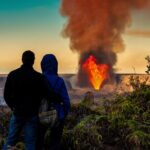
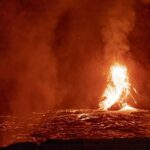
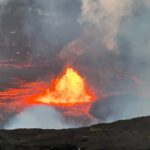
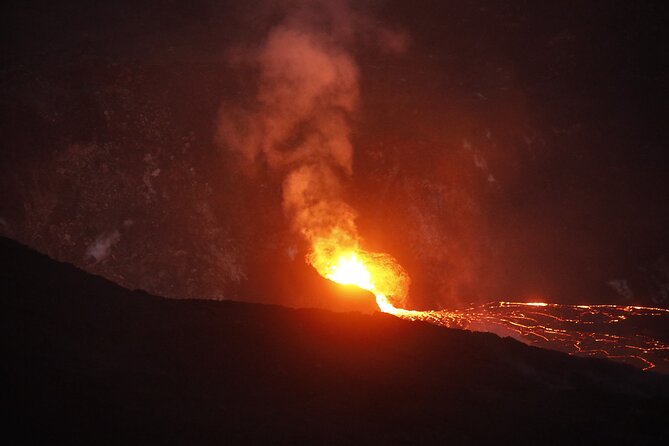
One extra thing to know for active eruption periods: when eruptions happen, the guide may adjust timing and route to help you catch the best viewing window. For example, Rob has met clients earlier than planned when an eruption started earlier in the day, and then built the rest of the tour around that timing.

The value behind $625 per group (up to 10 people)
At $625 per group for up to 10 people, the math can be surprisingly reasonable if you’re traveling as a small family or a group of friends. It’s not the kind of cost you compare to a single bus seat. It’s more like buying time, context, and logistics handled for you.
Here’s what that price buys in practical terms:
- A National Park certified interpretive guide (not just someone who can drive)
- Private transportation for your group
- No mixing with other people, so your guide can keep moving at your pace
- Bottled water and adult plastic ponchos
- Digital photo souvenirs for your group
That last point is the one people often underestimate. When the guide is taking photos for your group, you spend less time trading seats, switching phones, and missing the moment while you’re trying to frame the shot. In real examples, photos and a download link have been provided soon after the tour, which helps you avoid the post-trip mystery folder problem.
Also, your guide’s focus on avoiding crowds is not fluff. It changes the experience. You’re more likely to get space at viewing points and you’re more likely to have time to ask questions without feeling squeezed.
Yes, the park entrance fee is separate: $30 per car, valid for 7 days. But compared to the cost of standing in line and searching for your bearings, paying for a private plan is often worth it.
What you’ll actually do during the 3 hours
This is a short tour by design, and the guide follows the same logic: limit driving, maximize seeing and understanding.
You’ll drive for about an hour or less. The rest of the time is spent at the stops where volcanic features are visible and interpretable. You’re not just collecting postcards. You’re learning how to connect what’s in front of you to the larger volcanic process.
You’ll also get a guide who uses multiple teaching tools. Past tours have included videos and conversation to reinforce what you’re seeing in each area. If you have teenagers, volcano nerds, or anyone who keeps asking why things look the way they do, this style tends to work well.
Finally, the tour is meant to be adaptable. The guide never mixes groups, and they swap stops to match your family or group needs. That means you’re not stuck watching a generic route that ignores your pace.
Comfort and readiness tips that make the day easier
If you want this tour to feel smooth, plan for volcano park conditions.
First: bring shoes you trust. You’re doing a short lava tube walk and moving across rugged terrain on Chain of Craters Road. Even with adjustments, this is not flat sidewalk travel.
Second: use the ponchos. Adult plastic ponchos are included, and weather around the park can change fast.
Third: don’t overpack your schedule. A 3-hour tour is short, but it includes loading, walking, and viewpoint time. If you’re trying to stack another activity right after, you might feel rushed if the guide slows down for safety or photo stops.
Fourth: come with at least one question. Ask about lava tube formation, what the steam vents mean, or why certain plants are suited to this environment. Guides like Rob and Jodi have been praised for answering questions and pointing out plants and birds you’d otherwise walk past.
Who should book this private Kīlauea tour?
This tour fits best if you:
- Want a private experience instead of sharing the day with strangers
- Like your travel with explanation, not guesswork
- Are visiting Kīlauea during an active eruption period and want help interpreting what’s happening
- Have a group size that makes per-person value better (up to 10)
It can be a great pick for families, couples, and solo travelers who don’t want to spend the day solving logistics. It also works well if you prefer a guide to handle photo duties so you can actually enjoy the views.
If you’re the type who loves solo road-tripping with no stopping for explanations, you might not get as much value out of the guide time. And if walking on uneven ground is a serious limitation for your group, you’ll need to confirm how comfortable everyone is with the rugged terrain at Chain of Craters Road.
So, should you book Big Island VIP for Kīlauea?
I’d book this tour if your priority is learning plus efficiency. The combination of a certified interpretive guide, private transportation, and digital photo souvenirs is the kind of package that saves time and boosts your satisfaction.
I’d think twice only if your budget is tight or if you strongly prefer self-guided exploring without structured stops. Otherwise, this is one of the most practical ways to experience Kīlauea’s key features in a tight window, while still getting explanations that make the park feel understandable.
FAQ
How long is the private tour in Hawai’i Volcanoes National Park?
It runs about 3 hours.
How much does the tour cost, and how many people can be in a group?
The price is $625 per group, up to 10 people.
Is this tour private?
Yes. It is a private tour/activity, and only your group participates.
Where do we meet, and how do we find the guide?
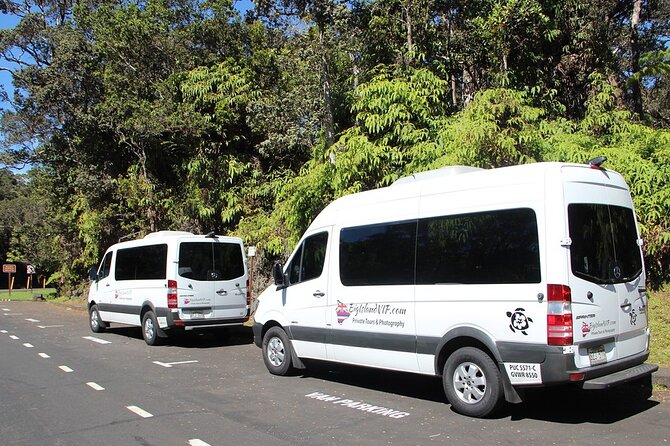
Meet at the Kīlauea Visitor Center (1 Crater Rim Drive, Volcano, HI 96785). After you enter the park and pass the ranger booths, the visitor center is the first large building on the right. Look for a Mercedes van that says Big Island VIP.
Which stops are included during the 3 hours?
You’ll visit: Kīlauea Visitor Center, Nahuku–Thurston Lava Tube, Steam Vents, and Chain of Craters Road.
Do I need to pay the National Park entrance fee?
Yes. National Park entrance is $30 per car (good for 7 days). The tour includes free admission for the listed stops, but the park entrance fee still applies.
Can the itinerary change for weather or your group’s ability?
Yes. The guide customizes the itinerary, and the amount of hiking and traveling across rugged terrain is adapted to the group’s fitness level and ability to walk and load/unload quickly.
What happens if I cancel, or if the weather is bad?
You can cancel for a full refund if you cancel at least 24 hours in advance. If the tour is canceled due to poor weather, you’ll be offered a different date or a full refund.