REVIEW · BIG ISLAND OF HAWAII
Private Tour: Hawaii Volcanoes National Park Eco Tour
Book on Viator →Operated by Kilauea EcoGuides · Bookable on Viator
Volcanoes feel alive on this private hike. You begin at Volcano House inside Hawaii Volcanoes National Park and walk through steam, sulfur, rainforest, and caldera trails while your guide explains how Kīlauea works.
I love the private pace. You’re not stuck timing your photos with a bus crowd, and your guide can steer you toward the best spots for your group. I also like the mix of walking plus real science and living Hawaiian culture, from lava-tube formation to how native plants handle volcanic gases. One consideration: this is a lot of moving, with both walking and driving between stops, and the park entrance fee (USD $30/vehicle) isn’t included.
In This Review
- Key highlights you’ll actually feel on the ground
- Volcano House start: where your guide turns time into understanding
- Stop 1: Volcano House area, steam vents, and sulphur banks
- Stop 2: Nahuku–Thurston Lava Tube, a 500-year-old world underground
- Stop 3: Halemaumau Trail and the caldera story in real time
- Stop 4–6: Steam vents, sulphur banks, then Kīlauea Iki’s moon-walk feeling
- Stop 7: Devastation Trail and the 1959 burial of the rainforest
- Stop 8: Chain of Craters Road and pit craters (Lua Manu)
- Stop 9: Keanakako’i Overlook and the best active eruption chance
- Stop 10: Kīlauea Visitor Center, souvenirs, and Junior Ranger badges
- Stop 11–12: Holei Sea Arch and the Volcano Art Center
- Price, value, and what to plan for before you go
- Guides matter: the difference between seeing and learning
- Should you book this private Volcanoes Eco Tour?
- FAQ
- How much does the Hawaii Volcanoes National Park Eco Tour cost?
- How long is the tour?
- Is the tour private?
- Where does the tour start?
- Is the National Park entrance fee included?
- What’s included in the price?
- Do I need to pay for the lava tube or other stops?
- Can you choose a morning or afternoon time?
- Will you be able to see the active summit eruption?
- What language is the tour offered in?
Key highlights you’ll actually feel on the ground
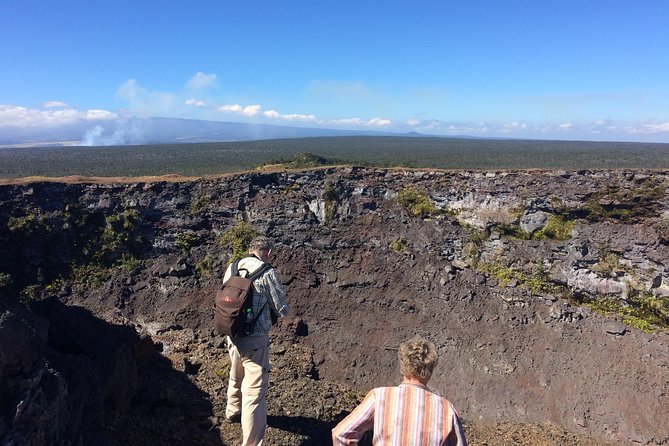
- Start inside the park at Volcano House so you lose less time getting oriented
- Steam vents and sulfur banks with a guide-led look at heat, geology, and plant adaptations
- Nahuku–Thurston Lava Tube (about 500 years old) with formation and interior features explained
- Halemaumau Trail + summit caldera views tied to what’s happening now (eruption visibility varies)
- Kīlauea Iki, Devastation Trail, and 1959 eruption stories you can walk through, not just read about
- Keanakako’i Overlook with binoculars or a spotting scope for the best possible eruption-view chance
Volcano House start: where your guide turns time into understanding
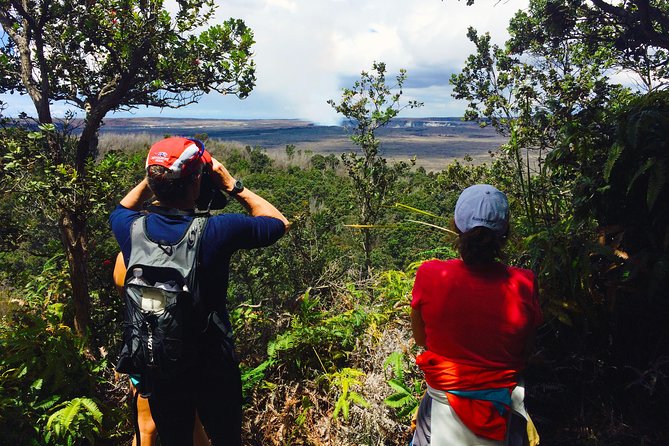
This tour is built for people who want more than a checklist. Starting at Volcano House, right inside Hawaii Volcanoes National Park, makes a big difference. You get into the story fast, with the park’s heat and geology already around you before you’ve even settled in.
Your guide’s job is simple but powerful: connect each stop to the bigger pattern of what’s going on on Kīlauea. That’s where the private format shines. I like that you can ask follow-up questions and adjust your pace. In the real world, that turns a 3-hour visit into something that feels like you actually learned the place, not just “saw it.”
And yes, you’ll get a lot of walking. Most stops are short, but they stack up. If you want a mostly-strolling experience with frequent pauses for explanation, this is a good match.
You can also read our reviews of more tours and experiences in Big Island of Hawaii.

Stop 1: Volcano House area, steam vents, and sulphur banks
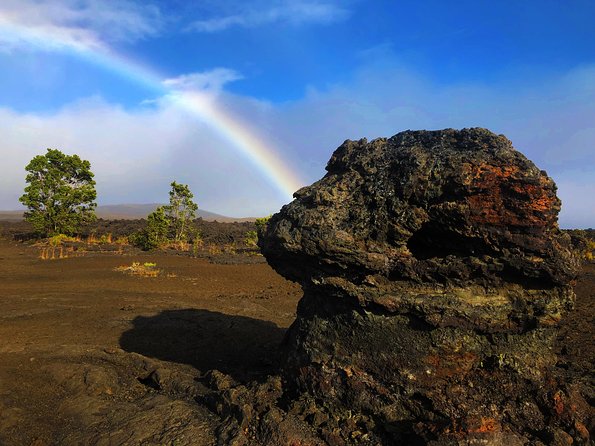
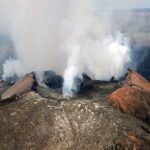
You kick off at the historic Volcano House hotel area inside the park, then move toward places where the ground literally breathes heat. This is where the tour earns its “eco” label in a practical way: you’re looking at active geothermal features while your guide explains what you’re seeing and why it matters.
Expect a sensory start. You’ll walk toward steam vents and sulphur banks, and you’ll feel the warmth from the ground. From there, you head through native rainforest toward the devastation area—an “on-foot timeline” of what volcanic activity changes and how quickly the landscape responds.
What I like most here is the safety-and-learning combo. The sulphur banks portion is described as safe to explore due to low gas concentration, and your guide helps you understand why that matters. You’re not just taking pictures—you’re learning how to interpret the environment around you.
Stop 2: Nahuku–Thurston Lava Tube, a 500-year-old world underground
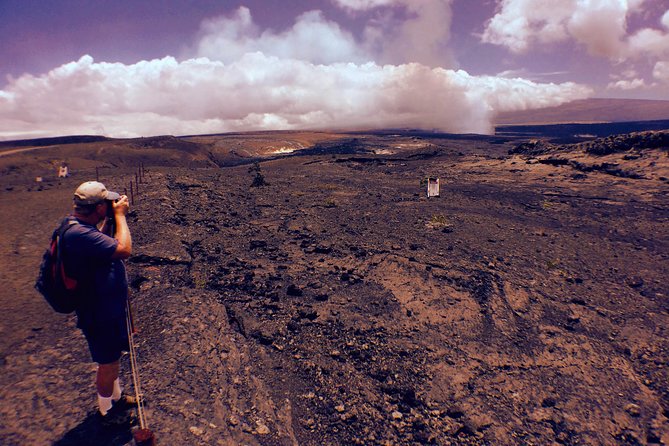
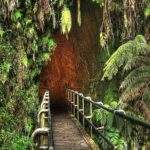
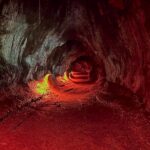
Next comes the Nahuku–Thurston Lava Tube, roughly 500 years old. This isn’t just a quick walk-through. Your guide talks through how lava tubes form and points out features you might miss if you were doing it alone.
The best part is the contrast. You step from rainforest and vents into something that feels like a different climate and a different era. Lava tubes can be tricky visually because the cool truth is inside the structure, not just in the entrance. With a guide, you get the “how it happened” explanation that makes the interior feel logical instead of random.
The tube stop is short (about 15 minutes), but it’s enough time to get meaning, especially if you ask questions while you’re there.
Stop 3: Halemaumau Trail and the caldera story in real time
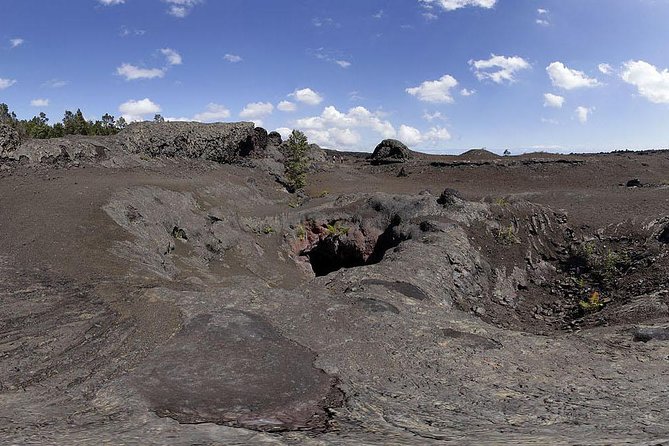
Halemaumau Trail is all about views of the summit caldera. Your guide walks with you along the historic trail and adds the context: geology specific to Hawaii, native plants and birds, and how Hawaiian culture still connects to this living volcanic system.
One big truth about active volcano touring: what you see depends on current conditions. The summit caldera views can be stunning even without big action, but the guide’s explanations help you read the signs. You start noticing the patterns—what’s new, what’s changed, and why the area matters beyond being dramatic.
This is also one of the stops where your guide’s personality makes a difference. In past groups, guides like Jay and Erik have stood out for combining humor and history while keeping the science tied to what you can look at right now.
Stop 4–6: Steam vents, sulphur banks, then Kīlauea Iki’s moon-walk feeling
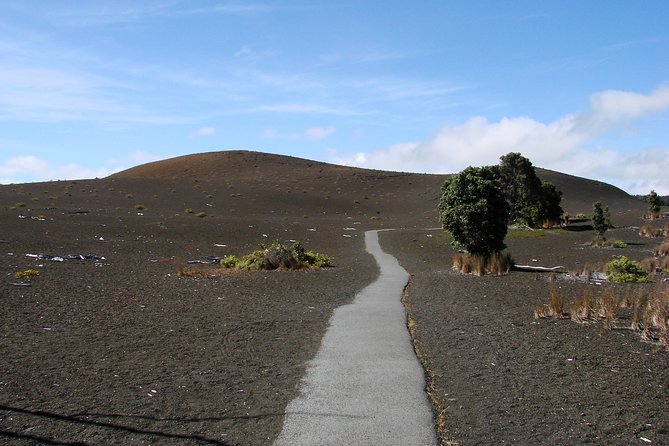
The tour loops back through geothermal areas for steam and sulphur viewpoints, then heads to Kīlauea Iki Trail. Even when the stops are brief (often around 15 minutes), they’re arranged like a lesson plan.
- Steam vents: you feel geothermal heat and get photo opportunities while your guide explains the basics of how the system releases energy.
- Sulphur banks: this is where your guide can connect geochemistry to what plants do in gas-heavy or mineral-rich areas. You’ll learn why certain native plants survive here and how their adaptations matter.
- Kīlauea Iki Trail: this is the “walking on the moon” part. You’ll hike the most popular trail in the park and get the 1959 eruption story, including the very intense lava fountaining event described in recorded history.
If you’re the type who likes to understand what you’re seeing before you take photos, this portion is worth it. Without explanations, it’s easy to treat these trails like dramatic scenery. With the guide, it becomes an interpretive walk through volcanic processes.

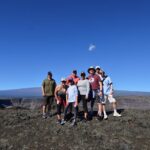
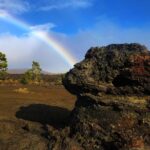
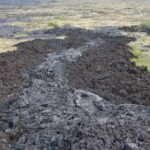
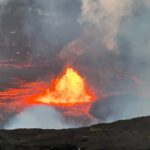
Stop 7: Devastation Trail and the 1959 burial of the rainforest
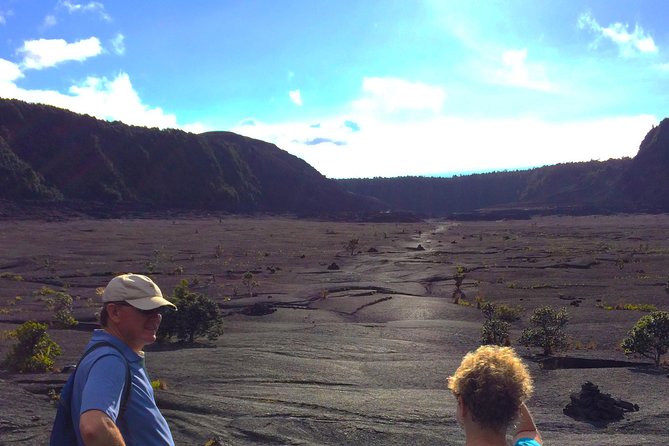
Devastation Trail is where the tour gets emotional in a grounded way. You’ll explore an area where native rainforest was buried in volcanic debris in 1959. This isn’t a long hike, but it’s a meaningful one because it reminds you that volcanoes don’t just create beauty—they erase and reset ecosystems.
Your guide helps you look for specific things like Pēle’s tears, olivine crystals, and other volcanic rock formations. That makes the walk feel like fieldwork. You’re learning how to notice clues that a typical self-guided stop might gloss over.
For me, this is one of those “I’m glad we stopped” parts. The park can be visual overload if you’re rushing. Devastation Trail slows you down just enough to turn sight into understanding.
Stop 8: Chain of Craters Road and pit craters (Lua Manu)
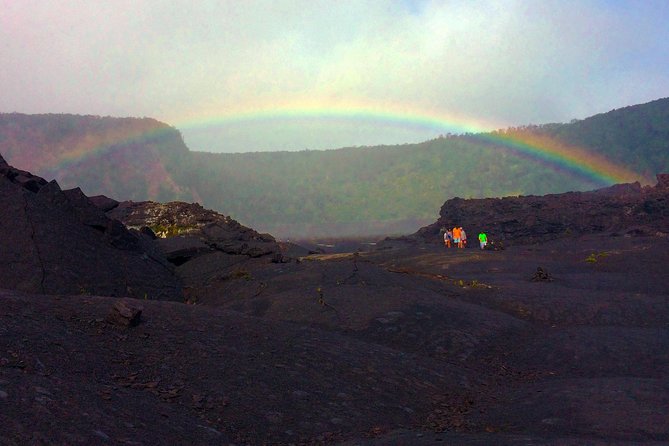
Chain of Craters Road is one of those stretches that makes you realize the park is a living classroom. Along the way, you’ll stop at points like Lua Manu and talk about pit craters and their significance on Kīlauea volcano.
You’ll get volcanic landscapes of the past and rare rock formations, but the real value is in the explanations that connect the shapes you see to volcanic behavior. Without context, pit craters are just weird holes. With context, they become evidence.
This stop is about 45 minutes, which feels like a sweet spot: long enough to slow down and ask questions, not so long that you lose energy. It also helps that the tour is private. You can stop when your guide needs you to look closely, not when a crowd allows it.
Stop 9: Keanakako’i Overlook and the best active eruption chance
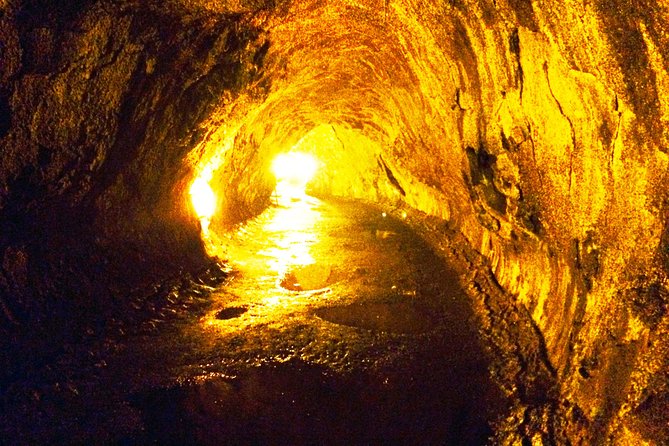
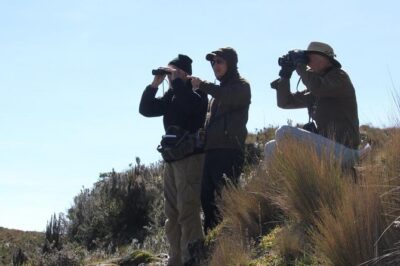
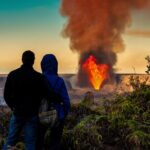
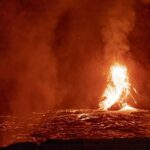
This is the “hope for action” stop. Keanakako’i Overlook is described as the best location to see the active summit eruption when lava is visible. Your guide uses binoculars and/or spotting scopes, which is a practical upgrade if you’re hoping to catch something bright and fast-moving.
The key point is honesty: summit eruption viewing depends on current eruption conditions. That’s not a sales pitch; it’s just reality with an active volcano. Still, going with a guide increases your odds of getting the best view possible given what’s happening that day, because your guide knows where to stand and how to focus your attention.
This stop is only about 15 minutes, so it’s not “sit and wait forever.” It’s more like, check fast, focus, and adjust.
Stop 10: Kīlauea Visitor Center, souvenirs, and Junior Ranger badges
If you want a quick reset, the Kīlauea Visitor Center is the place. You can grab a park book or a local-culture read, and if you brought children, this is where the Junior Ranger program happens.
Your guide helps younger guests complete the program and get an official Junior Ranger badge. That’s a real perk for families who don’t want the kids to spend the day staring at volcano rocks while everyone else gets the full experience.
Even if you’re adult-only, the visitor center can be useful for getting your bearings, especially if you want to return later to explore at your own pace.
Stop 11–12: Holei Sea Arch and the Volcano Art Center
Near the end, you take an easy walk along the coast for Holei Sea Arch. It’s a short stop, but it’s a nice reminder that Kīlauea isn’t only “up in the crater.” The coast shows volcanic impact through natural formations, plus you’ll learn about native sea birds.
Then you finish at the Volcano Art Center Gallery. You can see the original Volcano House Hotel, noted as the oldest hotel in the state. It adds a human layer to the day, especially if you’re into how places evolve from settlement to protected park.
Price, value, and what to plan for before you go
At $160 per person for a private eco tour, you’re paying for two things: expert guidance and time-saving direction. The park entrance fee (USD $30/vehicle) is not included, and you’ll also want to budget for food and drinks unless you’ve arranged otherwise.
Here’s how I think about the value. If you’re trying to do Hawaii Volcanoes National Park in one day on your own, you’ll likely spend time guessing where to go, how to interpret what you see, and how to handle the spacing between trails. This tour turns those decisions into a guided route with a coherent “why this stop exists” narrative.
One practical note from real-world visits: there aren’t many easy lunch options, so bring snacks and water. Even if you can grab something later, it’s smart to keep your energy up so you enjoy the trails instead of rushing through them.
Also, pack for uneven terrain and changing conditions. This is a volcano park: hot patches near vents, cooler areas in rainforest, and sun exposure at viewpoints. Solid walking shoes help more than you’d expect.
Guides matter: the difference between seeing and learning
A recurring theme in the guides’ reputations is how well they connect geology to everyday observation.
- Erik is often praised for deep explanations and for being especially adaptable with kids.
- Jay stood out as funny and memorable, with a retired park ranger background that helps with both science and park context.
- Michelle has been highlighted for being especially strong during active eruption conditions, pairing lava tube and plant life with clear interpretation.
- Tyson has been described as having a geology background, and he’s also the type to keep the day moving while answering questions.
- Justin has a reputation for tailoring routes toward what you want, including lesser-known sights.
Since your tour is private, your guide’s style matters more than it would on a big group bus day. You’re not just along for the ride—you’re in a conversation with the person translating the volcano for you.
Should you book this private Volcanoes Eco Tour?
If you want a guided day that feels like you’re learning the park’s language—steam, sulfur, rainforest, lava tubes, caldera views, and the human stories tied to Kīlauea—this is a strong buy. The private format helps you move through the park with less crowd stress and more attention on what you’re actually looking at.
I’d skip it if you only want a quick, mostly passive photo stop with minimal walking. This tour is active, and the real payoff comes from walking segments plus a guide’s explanations.
FAQ
How much does the Hawaii Volcanoes National Park Eco Tour cost?
It costs $160.00 per person.
How long is the tour?
The tour runs about 3 to 6 hours.
Is the tour private?
Yes. It’s a private tour, and only your group participates.
Where does the tour start?
The meeting point is 1 Crater Rim Drive, Hawaii Volcanoes National Park, HI 96718, USA.
Is the National Park entrance fee included?
No. The National Park entrance fee is USD $30/vehicle and is not included.
What’s included in the price?
You get a professional guide and a private tour, and all taxes, fees, and handling charges are included.
Do I need to pay for the lava tube or other stops?
Some stops are marked as free within the experience (including the lava tube, trail stops, and the visitor center). However, the park entrance fee for the vehicle is still not included.
Can you choose a morning or afternoon time?
Yes. You can choose from morning or afternoon tour times. After booking, you need to contact the local operator to share your preferred departure time.
Will you be able to see the active summit eruption?
That depends on current eruption conditions. The best eruption-viewing stop is the Keanakako’i Overlook, using binoculars or spotting scopes.
What language is the tour offered in?
The tour is offered in English.