REVIEW · CHIANG MAI
Chiang Mai: Doi Inthanon National Park Private Tour
Book on GetYourGuide →Operated by Beyond Experience · Bookable on GetYourGuide
Doi Inthanon is Thailand’s altitude reality check. This private tour takes you into the Roof of Thailand with a guided plan, good English, and real time in the forest instead of a rushed bus loop. I especially like the way you can tailor the day with either a non-trekking sightseeing route or one of two nature-trail trek options, depending on your pace.
One thing to consider: you’re dealing with changing mountain weather and insects, and the trek choices require a solid fitness baseline. Also, the Kew Mae Pan Nature Trail has seasonal closure from June 1 to October 31, so timing matters.
In This Review
- Key highlights worth planning for
- Doi Inthanon’s altitude shift: why this day feels different
- Pickup, private pacing, and the three ways to do this tour
- Option 1: Non-trekking sightseeing
- Option 2: Kew Mae Pan Nature Trail trek
- Option 3: Pha Dok Sieo Nature Trail trek
- Summit first or later: how the day flows on this route
- Twin Royal Pagodas: the view payoff (and why you’ll remember it)
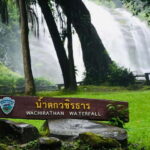
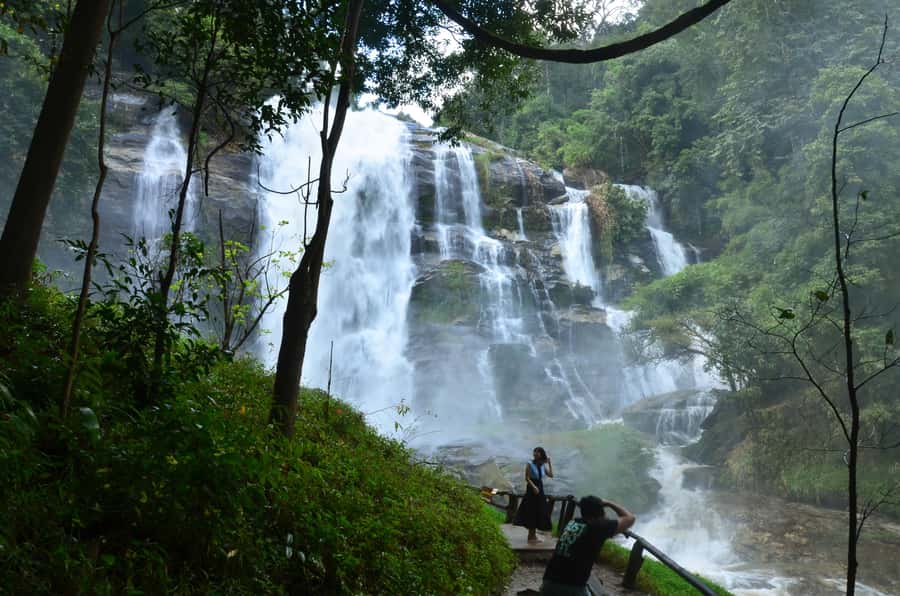
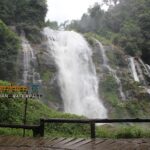
- Wachirathan Waterfall: plan for a short stop with the right expectations
- Karen Hill Tribe village and market: culture you can see up close
- Trekking days (Option 2 and 3): what’s actually different
- Kew Mae Pan Nature Trail with a Hmong guide
- Pha Dok Sieo Nature Trail with Karen community interaction
- Fitness and weather matter
- Lunch inside the park: a real meal that keeps the day moving
- What to pack for Doi Inthanon so you don’t suffer
- Price and value: is $144 per person fair for this setup?
- Who this tour suits best (and who should skip it)
- My booking advice: choose based on your day, not just the photos
- FAQ
- FAQ
- How long is the Chiang Mai: Doi Inthanon National Park Private Tour?
- What tour options are available?
- Does the tour include hotel pickup in Chiang Mai?
- Is lunch included?
- Are national park entrance fees included?
- Is there drinking water during the tour?
- Do trek options include trekking support like walking sticks?
- What is the seasonal closure for Kew Mae Pan Nature Trail?
- Is the tour suitable for children and people with mobility limits?
- Is smoking allowed during the tour?
Key highlights worth planning for
- Three tour options that match your fitness level, from summit-and-pagodas to trail trekking
- Twin Royal Pagodas and the highest point in Thailand, timed for the best flow of the day
- Wachirathan Waterfall stops built into both trekking and sightseeing styles
- Karen Hill Tribe village and market for cultural context, not just photos
- Hmong or Karen-led segments that can add local detail and farming knowledge
- Private pickup across Chiang Mai districts, so you’re not fighting traffic first thing
Doi Inthanon’s altitude shift: why this day feels different
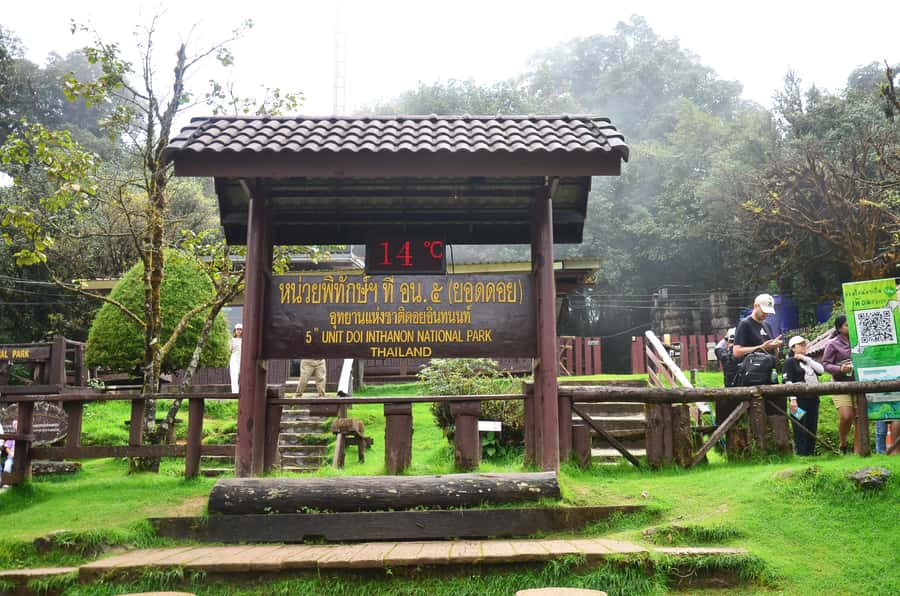
Doi Inthanon National Park is often called the Roof of Thailand, and once you’re up in the cooler zones, you get why. The park covers 482 square kilometers and includes everything from tropical forest areas to cooler summit highlands. That ecosystem change isn’t just a line in a brochure. It changes what you smell, what the air feels like, and what kind of birds and plants you might spot during the trails.
From Chiang Mai, the drive itself is part of the setup. You leave the city, then you gradually trade roadside heat for mountain air. When the tour gets into the sightseeing and viewpoints, the goal is simple: make it easy for you to reach the key spots without managing logistics, timing, or route decisions.
You can also read our reviews of more tours and experiences in Chiang Mai.
Pickup, private pacing, and the three ways to do this tour
This is a private group day trip, with hotel pickup across a long list of Chiang Mai areas, including the Old City, Nimmanahaeminda Road, Tha Phae Road, Chang Klan, and more. That matters because Doi Inthanon is a full-day outing. If you waste time on complicated meeting points, you pay for it with less time at the places you came for.
The tour also gives you control through three options:
Option 1: Non-trekking sightseeing
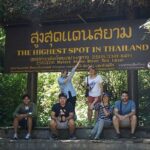
If you want mountain sights without long walking, this route is built for you. You’ll go toward the summit of Doi Inthanon (Thailand’s highest point), then continue to the Twin Royal Pagodas. After that come the Karen Hill Tribe village & market and the Wachirathan Waterfall. It’s a good choice if you’re short on fitness days, traveling with limits, or just want the high points plus culture with less trail time.
Option 2: Kew Mae Pan Nature Trail trek
This is the cloud-forest style option. You meet a local Hmong guide and trek the Kew Mae Pan Nature Trail, walking along a mountain ridge with panoramic viewpoints. Expect regular rest stops, and look out for native flora and birdlife along the way. After the nature portion, you still get the Twin Royal Pagodas, Wachirathan Waterfall, and the Karen Hill Tribe village & market, then you finish with the summit.
Option 3: Pha Dok Sieo Nature Trail trek
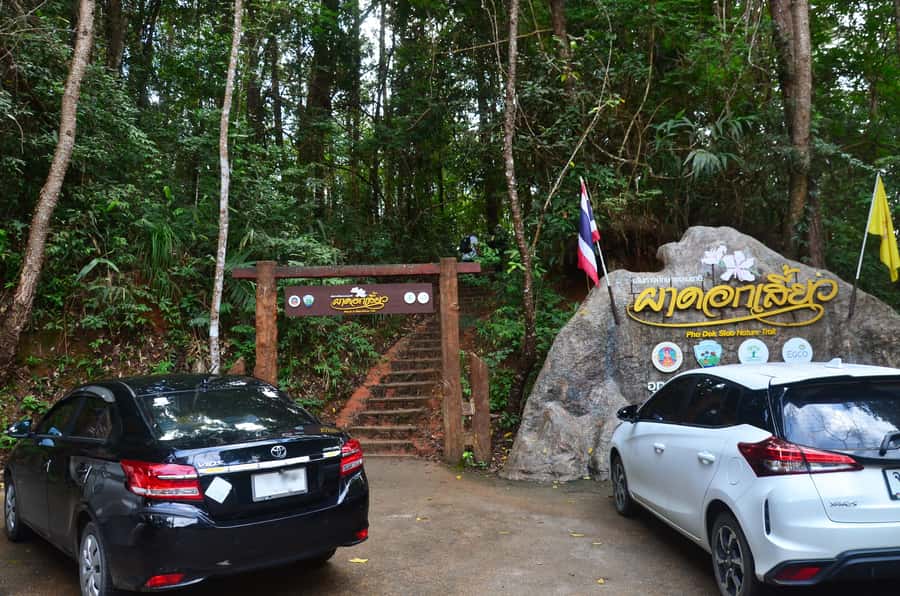
This one is more about waterfall-and-farmland scenery. You start with the Pha Dok Sieo Nature Trail and stop for views that can include rice terraces. The route also includes a coffee plantation, plus interaction with the Karen community and learning about traditional farming methods. Like the other option, it ties the day back to the main landmarks: Twin Royal Pagodas, then the Wachirathan Waterfall and lunch, before returning to Chiang Mai.
A practical note on pacing: Option 2 and Option 3 are trek days. The tour provides walking sticks for the trek options, which helps if the ground is uneven or slick.
Summit first or later: how the day flows on this route
No matter which option you choose, the day is built around three anchors: the summit area, the Twin Royal Pagodas, and Wachirathan Waterfall. The difference is the order and how long you spend on foot.
In the non-trekking sightseeing version, the plan starts at the highest point and then moves to the Twin Royal Pagodas. If you’re the type who likes to get the biggest “check” out early, you’ll probably appreciate that.
In the trek options, you typically spend morning time on trails and viewpoints, then shift into pagodas and waterfall segments. That tends to work well for people who don’t want the pagodas to feel like a break from sitting. You’re still moving, just in different ways.
Twin Royal Pagodas: the view payoff (and why you’ll remember it)
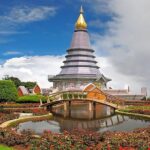
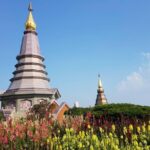
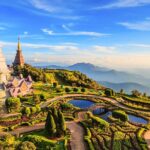
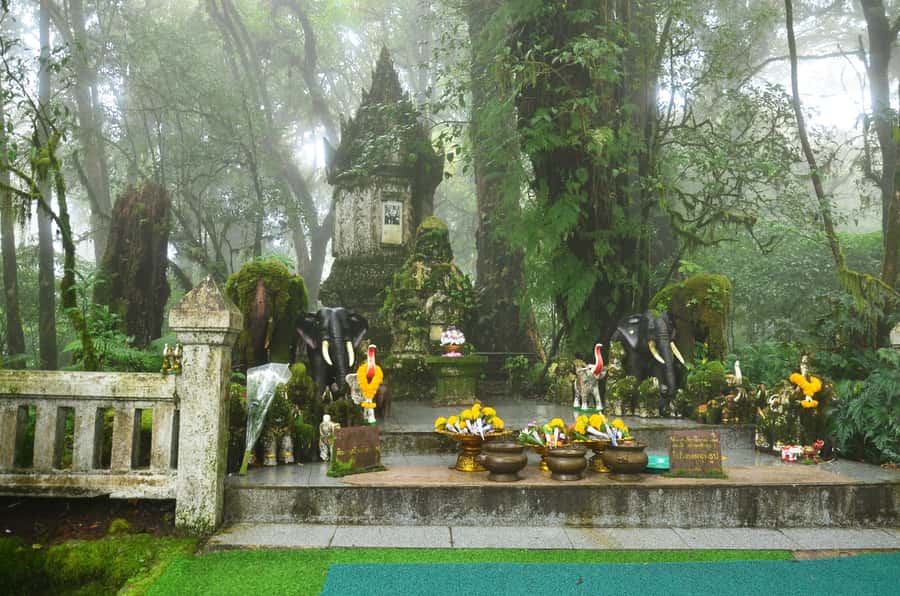
The Twin Royal Pagodas (Grand Pagoda Nabhapolbhumisiri and the related twin) are a major reason this tour exists. These pagodas are not random photo stops. They’re placed at a high point in the route so you can look out over the valley and feel the mountain scale.
On the tour, you’ll get a guided visit with time to take photos, then you continue on. In practical terms, the pagodas are your “reset moment” on a mountain day: you can slow down, look around, and take in the air and light before the waterfall segment.
If you’re doing one of the trek options, you also get a nice rhythm: ridge walks and forest stops, then a more open viewpoint setting. That mix is what makes the day feel like more than just transportation between dots.
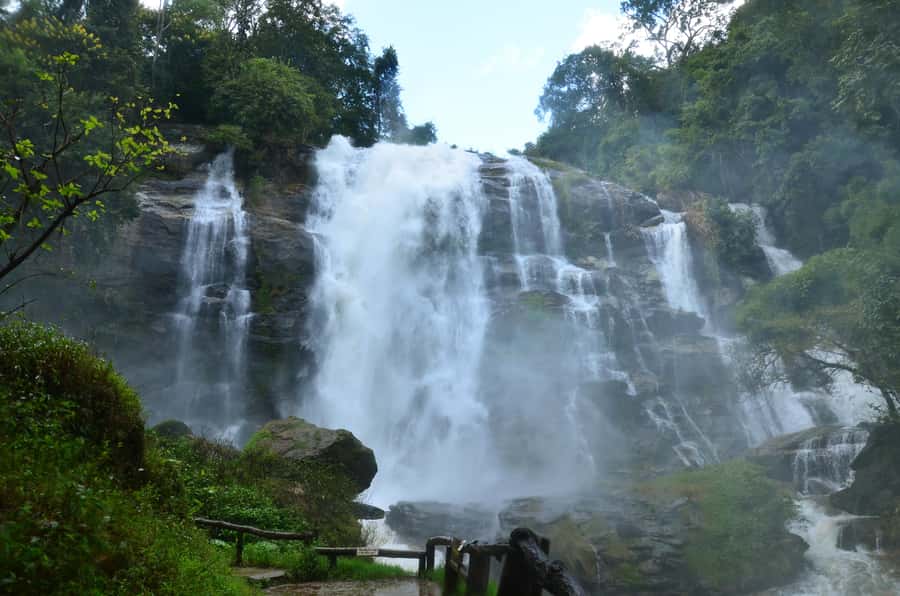
Wachirathan Waterfall: plan for a short stop with the right expectations
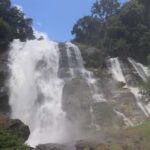
The Wachirathan Waterfall stop is built to be efficient. You’ll have break time, photo time, and free time, with walking involved (the walk segment is listed at around 30 minutes in the itinerary details you’ll be following).
Here’s how I’d set your expectations: this is a good stop for photos and a quick recharge, not a long waterfall hike. If you want a waterfall day with extended trekking time, you may find you want more after this. But if you want one standout waterfall paired with the summit and pagodas, this is the balanced route.
Also keep your eyes open for weather. Mountain rain can make surfaces slippery, and it can change visibility. If you’re the type who likes clear views, the best approach is to stay flexible and let your guide adapt if conditions shift.
Karen Hill Tribe village and market: culture you can see up close
One of the strongest parts of this day is that you don’t only visit viewpoints. You also visit the Karen Hill Tribe Village & Market.
In practical terms, this gives you a chance to see daily life and local commerce, not just ceremonial monuments. You’ll have guided context during the village stop, and the market element means you may see how people structure everyday needs during their mountain lives.
In Option 3, the cultural time expands. You interact with the Karen community and learn about traditional farming methods, plus you’re combining that with trail scenery such as rice terraces and a coffee plantation segment. Even if you’re not shopping, that kind of learning-through-context tends to stick better than a quick photo stop.
A small reality check: cultural visits can vary depending on timing and local activity. The tour’s value here is that it’s guided, so you’re less likely to wander through confused or missing the key context.
Trekking days (Option 2 and 3): what’s actually different
If you choose a trekking option, you’re signing up for a mountain walk, guided by local insight and fitted with small breaks. The tour also includes drinking water, lunch, and trekking support like walking sticks.
Kew Mae Pan Nature Trail with a Hmong guide
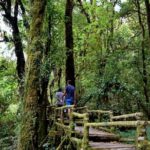
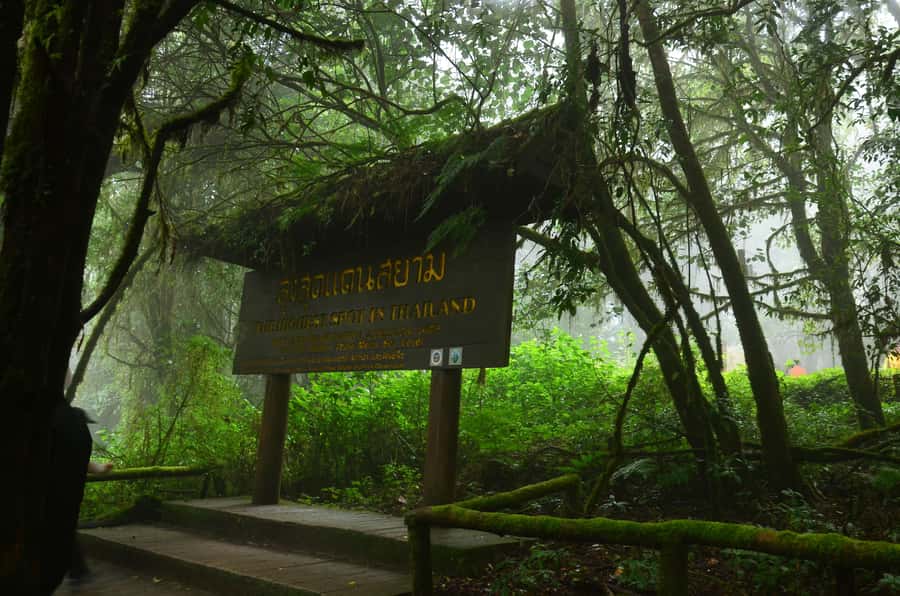
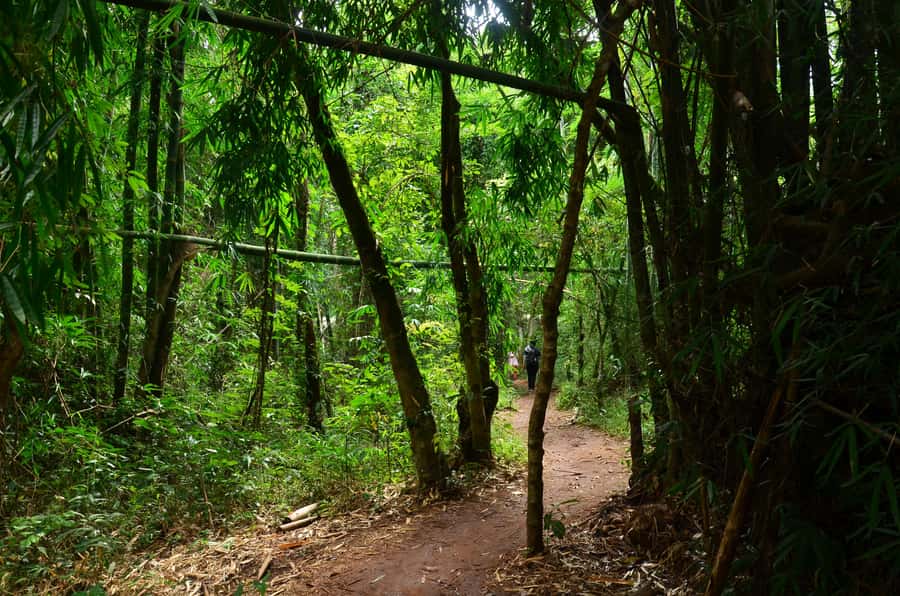
The big selling point for Option 2 is the Kew Mae Pan Nature Trail through cloud-forest conditions. The ridge walking and panoramic viewpoints are the stars. A Hmong guide is there to help you read what you’re seeing, including native plants and birdlife you might not notice alone.
This option can be ideal if you want a more “nature-forward” experience, with viewpoints and forest feel being the main theme.
Pha Dok Sieo Nature Trail with Karen community interaction
Option 3 feels more like a full mountain story. The Pha Dok Sieo Nature Trail includes multiple waterfall stops, views over rice terraces, and a coffee plantation. The Karen community interaction and traditional farming learning turn the trail from scenery into a cultural map.
If you like travel days that connect nature to how people live, this tends to be the best fit.
Fitness and weather matter
Both trekking options require a good fitness level. The tour notes that weather-dependent modifications are possible. In mountains, that usually means you may adjust timing or stop durations for safety and comfort.
If you’re thinking about going but you’re unsure, be honest about your walking comfort. This isn’t a flat-city stroll.
Lunch inside the park: a real meal that keeps the day moving
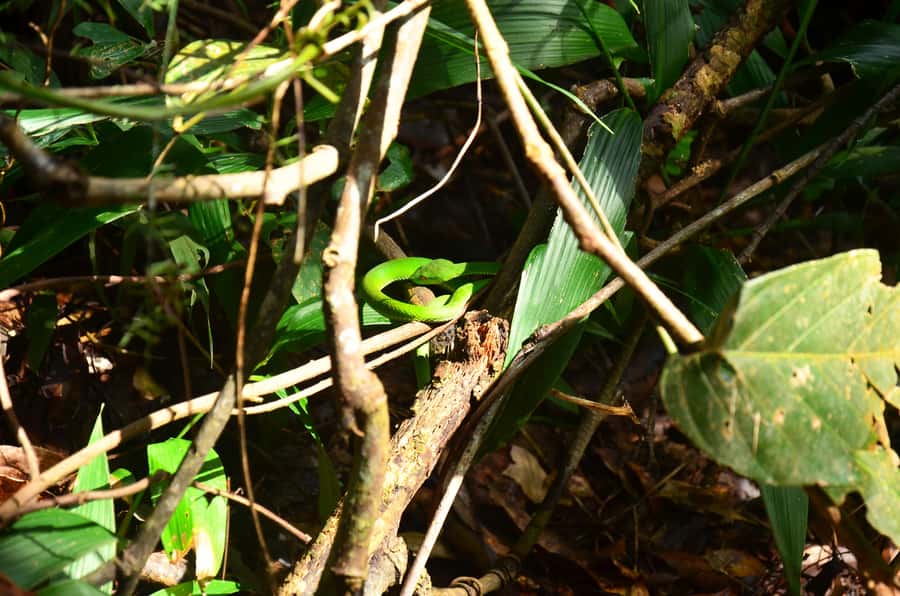
Lunch is included, and it’s described as a local Thai restaurant within the park area (with lunch and light snacks for the day). That’s a practical advantage. On long tours, the worst-case scenario is eating something random just to keep going.
Here, the idea is to fuel you properly between the morning sights and the afternoon summit/pagodas/waterfall pieces.
If you’re sensitive to weather swings or hungry easily, pack the mindset that you’ll eat on schedule rather than hunting. It makes the day feel calmer.
What to pack for Doi Inthanon so you don’t suffer
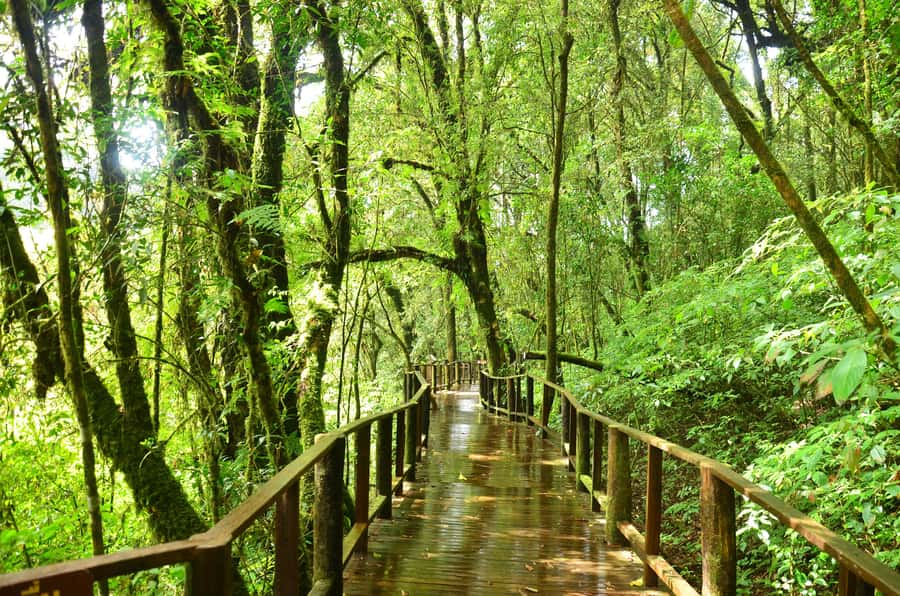
This is a mountain day in Thailand, which means you should pack like it could change fast.
Bring:
- Camera (you’ll want it for ridge viewpoints and waterfall shots)
- Insect repellent
- Cash (useful for personal expenses)
- ID card (a copy accepted)
- Power bank
Dress appropriately. The tour warns that weather conditions vary, so plan for cooler air at higher elevations and the possibility of mist or rain. If you’re doing trek options, wear footwear that handles uneven ground and damp conditions.
And one more item: you’re told smoking isn’t allowed. Simple rule, but it’s good to know ahead of time.
Price and value: is $144 per person fair for this setup?
At $144 per person for an 8–9 hour private day trip, the value depends on what you compare it to.
You’re paying for:
- Round-trip transportation from your Chiang Mai pickup zone
- A professional English-speaking guide
- National park entrance fees when your option includes them
- Lunch and light snacks, plus drinking water
- Accident insurance
- Trek support like walking sticks on trekking days
- A private format, so you’re not sharing the schedule with a large group
You’re also paying for decision-free logistics. Doi Inthanon is not a place you want to wing with a short trip and no plan. The itinerary is clearly built around the biggest anchors of the park and a Karen Hill Tribe cultural stop.
The recent positive feedback highlights the guide-driver team. One review mentioned Jen and Mr. Dawn working as a perfect pair, with attentive care and clear English explanations. That kind of teamwork matters on a day like this, because it keeps the timing smooth and makes the stops feel guided instead of confusing.
So yes, the price can be fair, especially if you want a private guide in a national park day format where timing and route matter.
Who this tour suits best (and who should skip it)
This tour is a strong fit if you want a guided day into Doi Inthanon’s big highlights from Chiang Mai and you value local cultural time.
You’ll probably be happiest with one of these profiles:
- You want high-altitude views and pagodas without navigating yourself
- You like a mix of nature and culture
- You want a choice between sightseeing and trekking based on your day
It’s not suitable for:
- Children under 4 years (pricing notes for ages 4–10 apply to trekking options)
- Pregnant women
- People with mobility impairments
- People with heart problems
If you’re in any of those categories, you’ll want to look for a more suitable alternative.
My booking advice: choose based on your day, not just the photos
Should you book this private Doi Inthanon tour? If you want the park highlights plus a Karen cultural stop, I’d say yes—especially because you can choose your effort level.
Book Option 1 if you want:
- Summit and pagodas with less walking
- A full day that still hits the big icons like Twin Royal Pagodas and Wachirathan Waterfall
Book Option 2 if you want:
- Cloud-forest ridge walking and viewpoint stops with a Hmong guide
- More nature time while still getting summit and waterfall
Book Option 3 if you want:
- Waterfalls plus rice terrace views and Karen community learning
- A route that connects coffee plantation and traditional farming to the scenery
One last timing tip: if you’re traveling between June 1 and October 31, the Kew Mae Pan Nature Trail closes, which affects Option 2. Plan around that and you’ll keep your expectations aligned.
FAQ
FAQ
How long is the Chiang Mai: Doi Inthanon National Park Private Tour?
The duration is listed as 8 to 9 hours.
What tour options are available?
There are three options: a non-trekking sightseeing tour, a Kew Mae Pan Nature Trail trek, and a Pha Dok Sieo Nature Trail trek.
Does the tour include hotel pickup in Chiang Mai?
Yes. Pickup is available throughout Chiang Mai district, including areas like the Old City, Nimmanahaeminda Road, Tha Phae Road, and Chang Klan.
Is lunch included?
Yes. Lunch and light snacks are included.
Are national park entrance fees included?
National park entrance fees are included if your selected option includes them.
Is there drinking water during the tour?
Yes. Drinking water is included.
Do trek options include trekking support like walking sticks?
Yes. Walking sticks are provided for the trek options.
What is the seasonal closure for Kew Mae Pan Nature Trail?
The Kew Mae Pan Nature Trail closes June 1st to October 31st.
Is the tour suitable for children and people with mobility limits?
It is not suitable for children under 4 years. It is also listed as not suitable for people with mobility impairments and people with heart problems.
Is smoking allowed during the tour?
No. Smoking is not allowed.