REVIEW · SEOUL
Seoul: Mt. Seoraksan National Park Autumn Foliage Day Tour
Book on GetYourGuide →Operated by KTOURSTORY · Bookable on GetYourGuide
Fall turns the mountains into a color map. This day trip to Seoraksan National Park is the fast way to trade Seoul’s streets for tall granite peaks and serious autumn scenery, with a morning start that gets you into the park area around 10:00. I especially like the simple, guided transportation and staff support that makes a remote-feeling place feel doable.
Second, I like that your time on the mountain is flexible. You can choose an easier walk or push yourself up toward the Ulsanbawi area, where the views are the point and the steps are real. The one drawback to plan for is weather: wind or rain can cut visibility or leave you soaked, so your best photos depend on conditions.
In This Review
- Key things I’d watch for
- Seoraksan autumn in one day: peaks, trails, and real mountain time
- Seoul-to-Seoraksan timing: why the schedule actually works
- Your 5 hours on the mountain: choosing the hike you can handle
- If you want the tough-but-worth-it option
- If you want easier walks and big scenery without the stair marathon
- Temples and quiet corners
- Cable car: when to use it, and why the ticket matters
- Staff and on-the-ground support: English/Chinese help that feels practical
- Price and value: what $60 includes, and what you’ll likely pay extra
- Weather reality: what to do when wind or rain changes the view
- Who this tour suits best (and who should reconsider)
- Should you book this Seoraksan autumn day tour?
- FAQ
- Where is the meeting point, and will I return there?
- What time do we arrive at Seoraksan and when do we head back to Seoul?
- How much time do I get to explore in the park?
- Is the cable car ticket included?
- What languages are supported by the staff?
- Are meals included in the tour price?
- What should I bring for the hike?
- You might also like
Key things I’d watch for
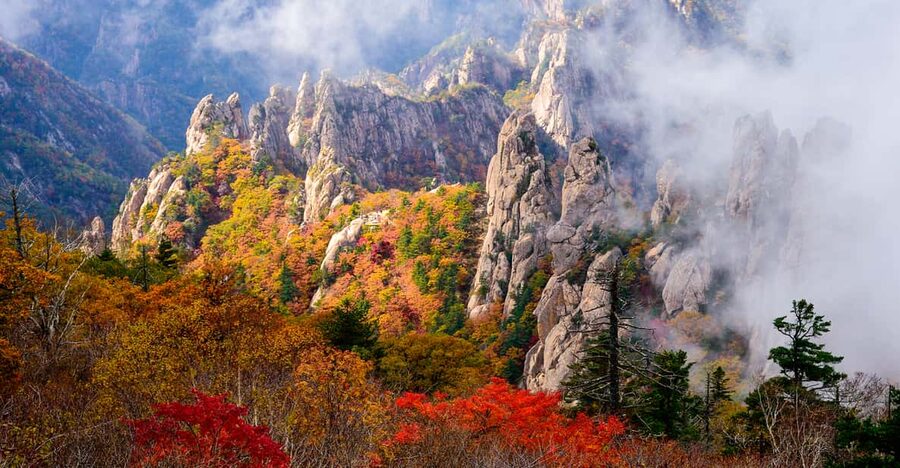
- Early arrival around 10:00 so you’re not just rushing through leaves
- About 5 hours on-site for choosing your own hike rhythm
- Ulsanbawi-style viewpoint options from tough step climbs to calmer routes
- Cable car not included, so decide based on your energy and the sky
- Rest stop with basic info from staff to help you get your bearings fast
- Weather can change the day from clear views to near-mist and rain
Seoraksan autumn in one day: peaks, trails, and real mountain time
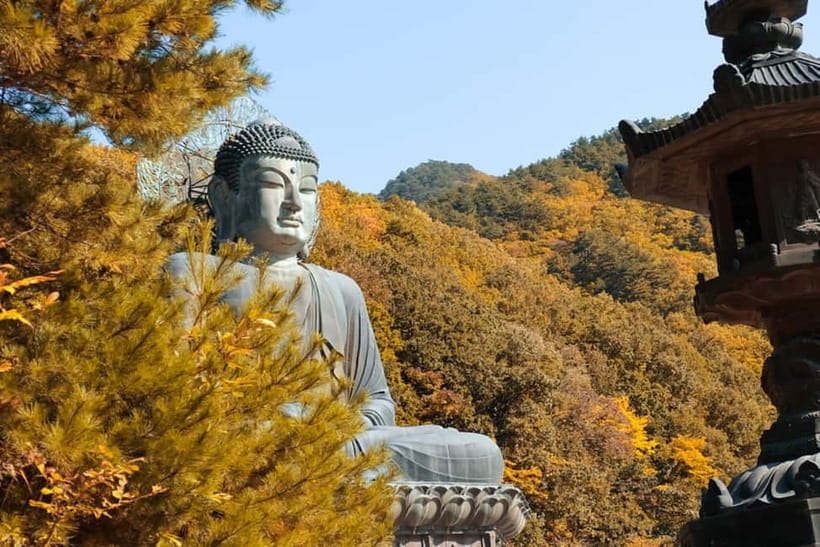
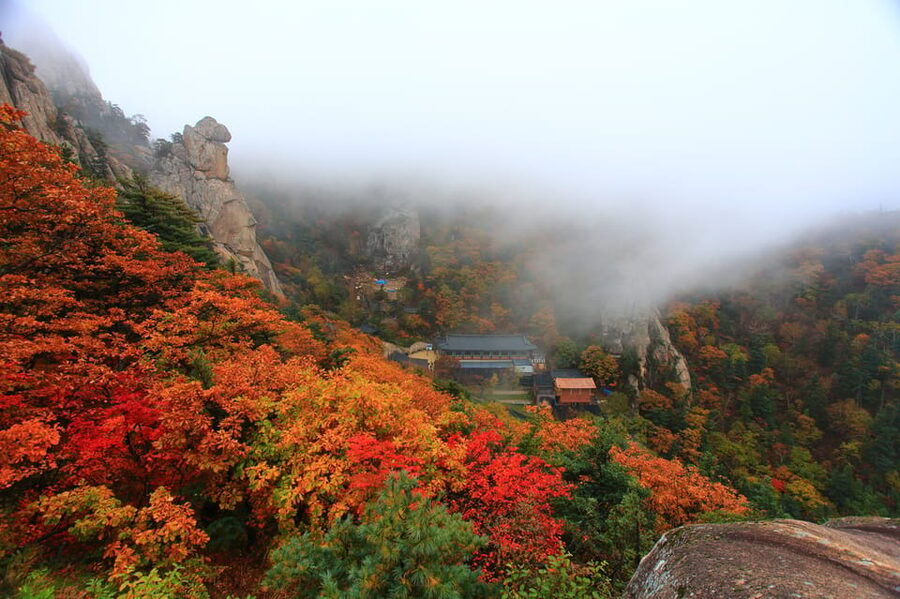
Seoraksan sits in South Korea’s Gangwon Province and is the northernmost national park in the country. It’s famous for some of the tallest peaks in Korea, and that matters because autumn here isn’t just a “pretty walk.” The mountains are steep, the granite shows through, and the best views come from getting a little altitude and putting yourself in the right spot at the right time.
What I like about the way the day trip is built is that you’re not stuck doing one rigid thing. You’re dropped into the park with enough time to move at a pace that fits you. If you want gentle forest walking and photo stops, you can do that. If you’re feeling strong and want the higher viewpoint areas (including the popular Ulsanbawi hike), you have the window to earn those big vistas.
And because this is a well-known autumn destination, you’ll notice families and groups out too. That’s not a bad thing. It just means the park feels alive in an orderly way—busy enough to feel safe and supported, but still unmistakably mountain quiet once you’re off the main paths.
You can also read our reviews of more tours and experiences in Seoul.

Seoul-to-Seoraksan timing: why the schedule actually works
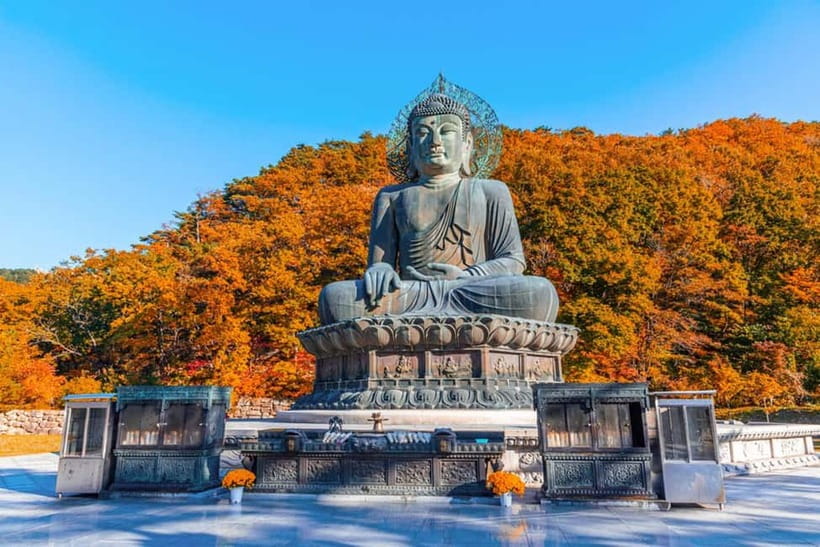
This is an early-departure day trip. You leave Seoul in the morning and approach Seoraksan around 10:00. That timing is key: in autumn, light and color are never frozen in place, and late starts make you feel like you’re chasing the best moment.
After your time in the park, the group heads back around 15:30. You should reach Seoul in the 18:30–19:20 range. That’s a normal-feeling day: long enough to feel like you left the city, not so long that you’re dragging yourself back in the dark.
Meeting points can vary depending on the option you book, and the day ends back where you started. Practical advice: show up early for the meeting point. A late start isn’t just annoying—it can ripple through the whole schedule, since everyone depends on the same return timing.
Also note the day is subject to traffic and weather. That’s not “fine print.” It affects what you see, especially when wind or rain changes visibility on exposed viewpoints.
Your 5 hours on the mountain: choosing the hike you can handle
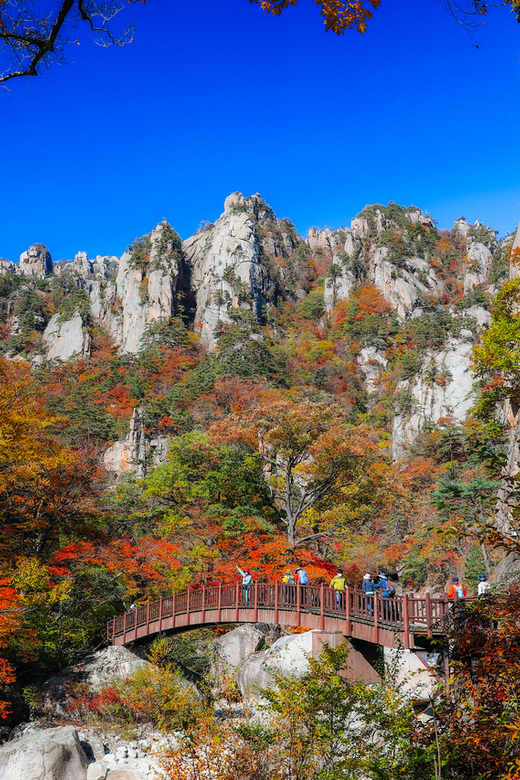
Once you arrive, you get free time to explore. In practice, that’s around five hours for independent walking in the park area. You’ll be around enough trails and viewpoints that you can pick a route without feeling like you’re locked into one “correct” path.
If you want the tough-but-worth-it option
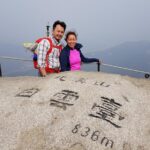
The hike up toward the Ulsanbawi area is often described as step-heavy and tough. Expect lots of stairs and a real workout. The payback is the kind of view that makes you stop planning and just start taking photos.
If you go for this, be honest with your energy. The hike can take roughly 4 hours for someone who wants to move steadily and still enjoy the scenery. That said, you usually still have time for food afterward if you pace yourself and don’t sprint uphill like you’re late for karaoke.
If you want easier walks and big scenery without the stair marathon
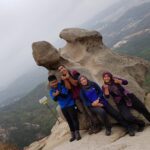
You can also choose more basic routes. This is the part I think makes the day trip work for a wider range of fitness levels. You can enjoy dramatic granite peaks and colorful forest scenes without committing to the steepest climb.
The trick is to pay attention to signs and viewpoint points as you walk. Even on easier routes, the park’s autumn colors show up in layers: ground-level color first, then leaves catching light along the slopes, and then the contrast of rock against trees as you look outward.
Temples and quiet corners
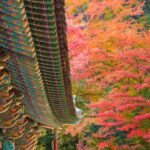
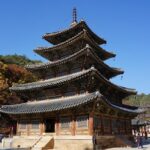
You may also encounter small temples and wooded pockets along the walking routes. These are the spots that make the day feel deeper than “just hiking.” They give you a calm break from steep paths and a chance to slow down, look around, and reset before your next climb or descent.
Cable car: when to use it, and why the ticket matters
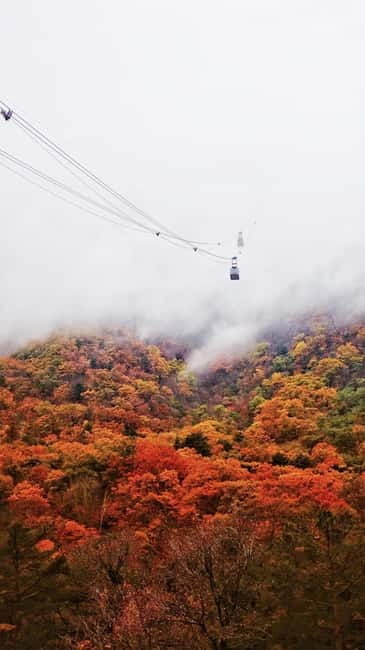
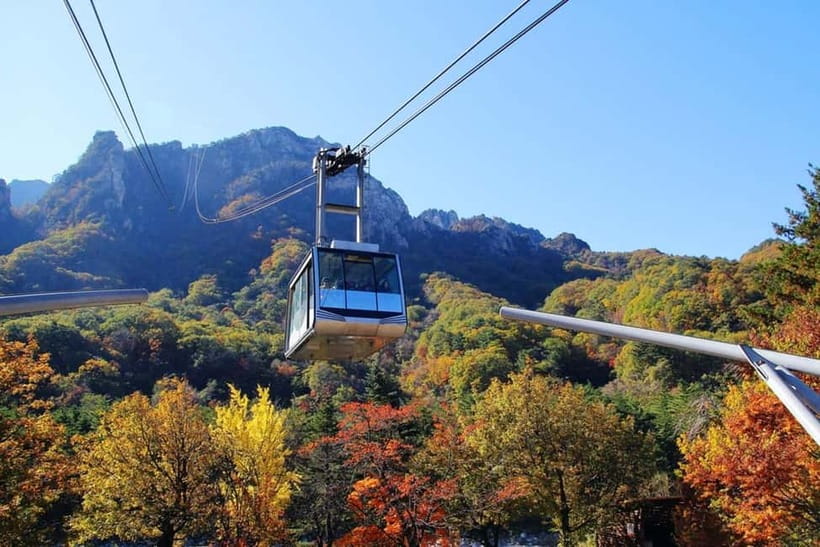
The cable car can be a helpful shortcut on some days—but the cable car ticket isn’t included. That means you’ll need to decide on the spot whether it’s worth paying extra.
Use common sense here:
- If the day is clear and you want to maximize viewpoint time, it can help you cover more ground.
- If it’s windy, foggy, or rainy, cable car time may be less useful than you hope, since visibility is what makes those far views pop.
There’s a real-world lesson from weather-affected outings: if wind shuts down the view, you can end up feeling like you saw almost nothing from the higher areas. So when you’re choosing routes (and whether to spend money on the cable car), let conditions guide you.
Staff and on-the-ground support: English/Chinese help that feels practical
You get English and Chinese speaking staff. That’s a big deal in a national park where signage and timing can be tricky, especially if you’re trying to coordinate your own hikes while still staying on schedule.
I also like that the support doesn’t try to micromanage the day. One helpful touch is a rest stop break on the way, where staff provide basic information. People have mentioned getting guidance from staff like Alice during that stop, and it helps you understand what to aim for once you’re in the park.
Guides seen in prior outings include David and Jiwwon, and the consistent theme is attentiveness. You want that kind of calm competence when you’re spending hours walking independently but still relying on a fixed return time.
One more practical thing: stick to meeting times. Late arrivals affect everyone when the group is waiting for you on the way back. If you’re slower hiking, build in extra buffer for descents and any weather delays.
Price and value: what $60 includes, and what you’ll likely pay extra
At $60 per person, this tour is priced like a “transport + access + staff” day. Here’s what’s included:
- Transportation
- Entry to the national park
- English & Chinese speaking staff
What’s not included:
- Meals
- Traveler’s insurance
- Other personal expenses
- Cable car ticket
So the value question comes down to how you handle the extras. If you’re okay bringing your own snacks or buying lunch on-site, you’re in good shape. There are also restaurants in the park area, so meals aren’t a crisis point—you’re not forced into packaged food because options are scarce.
Where the money really goes is in removing the hassle of getting there and back on your own. For many people, that alone is worth it. Seoraksan is the kind of place where public transport can be doable but time-consuming; this day trip compresses the effort into one smooth plan, so you spend your day walking instead of figuring.
Weather reality: what to do when wind or rain changes the view
Autumn in the mountains is beautiful, but it’s also unpredictable. You should expect that operation period can change due to weather, and the itinerary can be adjusted because of traffic & weather conditions.
Also, don’t treat the “comfortable shoes” advice as optional. People have described getting soaked during autumn hikes, so plan like rain can happen even if the morning looks fine.
Here’s how I’d handle it:
- If the weather is poor, keep your route flexible. Choose viewpoint spots that don’t require the highest exposure.
- If the wind is strong and visibility drops, focus on what you can see: close forest color, granite textures, and temple areas along the way.
- Bring gear for wet conditions and assume temperatures can feel cooler as you gain elevation.
The bottom line: the tour is set up for fall scenery, but nature runs the schedule. Your best win is going in with a mindset that still lets you enjoy the hike even if the far-distance view fades.
Who this tour suits best (and who should reconsider)
This is a strong match for:
- People who want a no-stress day escape from Seoul without renting a car
- Travelers who enjoy choosing their own hike pace within a set time window
- Families and groups who want autumn scenery with enough structure to keep things simple
- Photo-minded walkers who want chances to capture mountain peaks in fall colors
It might be less ideal if:
- You need guaranteed access to the cable car or guaranteed viewpoint clarity, because weather can change what you see and the cable car isn’t included
- You’re not comfortable with hills and stairs, especially if you’re tempted by the tougher Ulsanbawi climb
- You’re relying on very specific accessibility needs (the day includes walking, and you should plan accordingly)
One logistics note: infants are free of charge, but there’s no seat available, which matters for how comfortable the ride back and forth will be.
Should you book this Seoraksan autumn day tour?
If your goal is to see Seoraksan’s autumn colors without turning your day into a logistics project, I think this tour is a solid booking. You get the key pieces that matter: transport, park entry, English/Chinese support, and enough on-site time to make the day feel like more than a quick stop.
I’d book it if you’re:
- okay with walking on mountain trails,
- willing to dress for rain and wind,
- and happy to adapt if visibility isn’t perfect.
Skip the “must-hit-every-view” mindset. Even on a weather-challenged day, you’ll still be in a national park with real trails, temple corners, and that steep-rock-and-leaves combination that only Seoraksan seems to deliver.
FAQ
Where is the meeting point, and will I return there?
The meeting point can vary depending on the option you book, and the activity ends back at the meeting point.
What time do we arrive at Seoraksan and when do we head back to Seoul?
You approach Seoraksan around 10:00 AM. After your free time in the park, you relax on the ride back starting at 3:30 PM and arrive Seoul around 6:30 to 7:20 PM.
How much time do I get to explore in the park?
You’ll have free time in the park for independent hiking, typically around 5 hours.
Is the cable car ticket included?
No. The cable car ticket is not included, so you’ll need to purchase it separately if you want to use it.
What languages are supported by the staff?
Staff provide support in English and Chinese, and the activity also lists Korean as one of the available languages.
Are meals included in the tour price?
No. Meals are not included.
What should I bring for the hike?
Bring comfortable shoes, since you’ll be walking on mountain trails.
You might also like
If you tell me your fitness level (easy walks vs stair climbs), I can suggest whether you should aim for the Ulsanbawi-style route or stick to calmer trails for the best day.