REVIEW · SEOUL
Hiking in Seoul : Bukhansan National Park
Book on Viator →Operated by VIP TRAVEL Co.Ltd · Bookable on Viator
Seoul turns into a mountain workout fast. I love that this Bukhansan hike lets you pick a route that fits your fitness, and I also love the English-speaking guide who keeps the steep parts manageable. You get temple stops, granite stair climbing, and big viewpoints without spending your whole day on logistics.
The main consideration: don’t confuse beginners-friendly with easy. Even the less-demanding trail climbs hundreds of meters with lots of rocky steps, and the footing can be steep and slippery.
The good news is the day is built around comfort and timing: central pickup, a small group (max 15), and about 4.5 hours total starting around 9:00 am near Myeongdong Station.
In This Review
- Key points before you go
- Bukhansan National Park: Real Mountain Time next to Seoul
- Route Choices: Seunggasa Temple vs Bibong Path
- Pickup, Timing, and the Flow of Your 9:00 am Start
- What You’ll See: Temples, Ritual Culture, and Views that Feel Close to the Sky
- Pace, Pace, Pace: How Steep Granite Stairs Change the Day
- What to wear
- Price and Value: Is $142 a Smart Trade in Seoul?
- The Korean Spa Finish: Jjimjibang Can Be a Highlight or a Weird Moment
- Who This Hike Fits Best (and Who Should Rethink It)
- Weather, Help, and Booking Smart
- Should You Book This Guided Bukhansan Hike?
- FAQ
- What time does the tour start?
- Is hotel pickup included?
- How long is the hiking tour?
- What’s the difference between the two hike routes?
- What’s included in the price?
- Is lunch or food included?
- Can I get a refund if my plans change?
Key points before you go
- Two trail styles: Seunggasa Temple is the gentler option (about 400m climb), while Bibong ramps up with a narrower, stream-side path (about 560m climb).
- City-to-nature fast: You’re in the park with Seoul close enough to feel modern, but quiet enough to hear water and birds once you start climbing.
- Guides set the pace: People consistently mention guides pacing the group and helping with steep terrain, including loaned walking sticks on some climbs.
- Temples along the way: Buddhist temple culture is part of the hike, not just a photo stop at the top.
- A possible spa finish: Many schedules end with a jjimjibang-style Korean spa experience, which is fun for some and uncomfortable for others.
- 4.5 hours is the sweet spot: Long enough to feel like you earned the view, short enough to still enjoy Seoul afterward.
Bukhansan National Park: Real Mountain Time next to Seoul
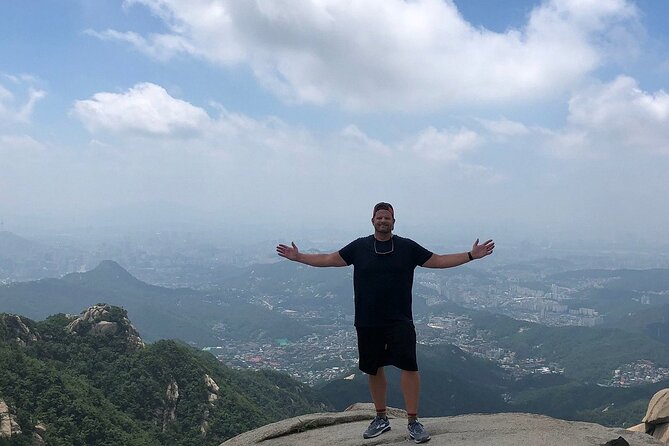
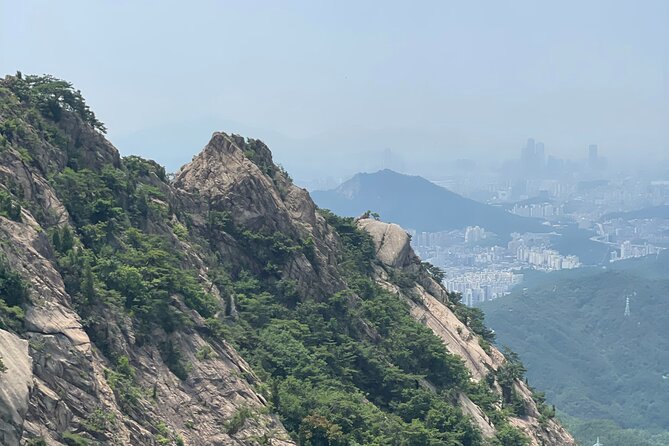
Bukhansan National Park is one of the few places where you can leave a megacity vibe behind in a hurry. The park sits close to Seoul, and that’s exactly why this kind of hike works so well as a first-day activity or a mid-trip reset. One minute you’re dealing with the city pace, the next you’re on granite rock stairs with your calves doing the talking.
What I like about this tour format is that it’s not just about moving forward. Your guide explains what you’re seeing: the granite mountains, gorges, and the Buddhist temples that dot this area. That turns the hike from pure exercise into a story you can follow as you walk.
It also helps that the group stays small. With a maximum of 15 people, you’re not just a number in a line. Guides can slow down, regroup, and keep you from falling behind when the climb gets steep.
You can also read our reviews of more tours and experiences in Seoul.
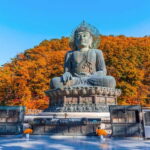
Route Choices: Seunggasa Temple vs Bibong Path
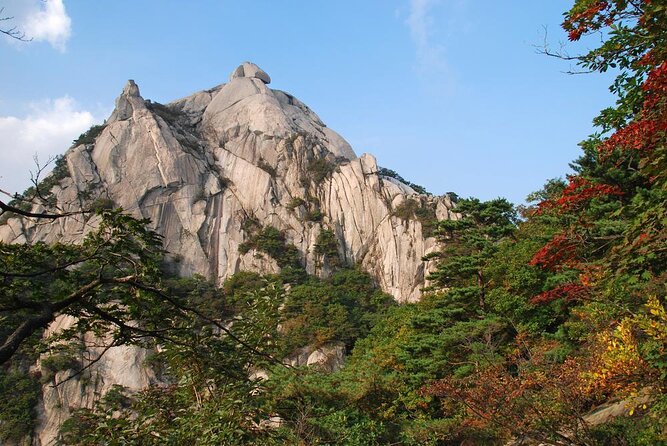
This is where the tour earns its keep: you get a choice of trails based on your comfort level. The operator uses the group’s ability and preferences to choose a route, so you’re not stuck on the hardest option just because you booked.
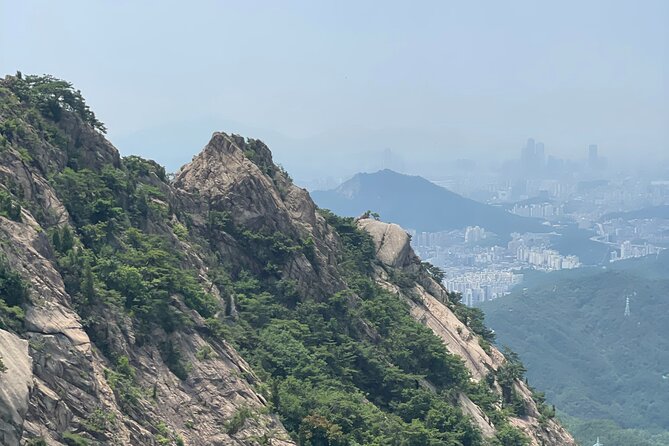
If you want a more beginner-leaning hike, you’ll likely head toward Seunggasa Temple, which climbs roughly 400 meters (1,300 feet). The key word here is climb. It may be described as relatively easy, but it still means uphill effort, lots of stone steps, and time on uneven ground.
If you want more challenge, the Bibong path is the step up. It’s described as a narrow trail with a mountain stream running on either side, and it climbs about 560 meters (1,835 feet). Narrow and steeper usually means you’ll go slower, take more breaks, and use your arms more for balance.
My practical advice: if you can handle steep stairs at home without thinking, you’ll probably be fine. If you get winded quickly on hills, plan for extra rest stops and bring proper footwear. This is real hiking, not a stroll with a skyline view.
Pickup, Timing, and the Flow of Your 9:00 am Start
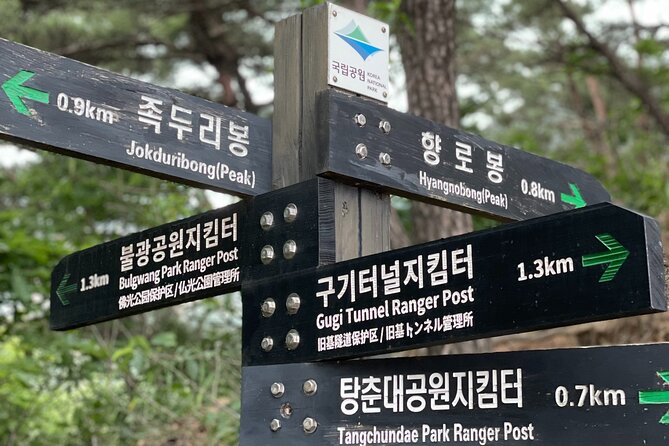
Your day starts in central Seoul, either with pickup from your hotel or by meeting at Myeongdong Station (Exit 10 is listed, and the address notes the Chungmuro area). The start time is 9:00 am, which is smart. You get out early enough to avoid some of the harshest heat and crowd pressure on popular sections.
From there, you drive to the national park. Even the ride matters because your guide uses it to set context—what makes these mountains different, where temples appear, and what to watch for as you climb. It’s not just travel time; it’s part of the experience.
On the trail, expect uphill sections with frequent stops for photos and breathing. Some routes include a temple midway up, so you’re not stuck walking in one long straight line. That break matters when you’re climbing 400m to 560m, because it gives you a chance to reset.
At around 4 hours on the mountain experience (with total time listed around 4 hours 30 minutes), you should finish with that satisfied, tired feeling that makes hiking worth it. You don’t need a whole day of travel to get the payoff.
What You’ll See: Temples, Ritual Culture, and Views that Feel Close to the Sky
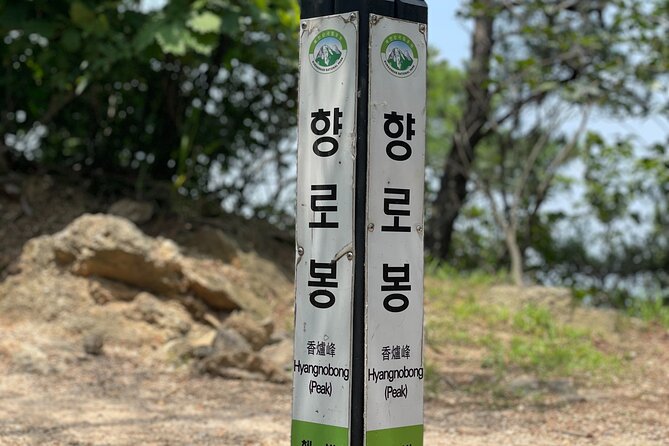
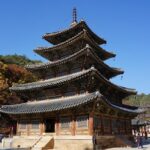
The highlight isn’t only the summit view. It’s the temple culture woven into the hike. Your route includes Buddhist temples in the area, and the tour is specifically positioned as a way to see Korean ritual and spiritual life, not just scenery.
A nice detail from real experiences: guides often explain temple rules and what’s going on during the walk, which helps you look at the site with more respect and less confusion. People also talk about how the climb brings you past calmer spots—streams, rock formations, and quieter resting areas—so the temples feel earned rather than rushed.
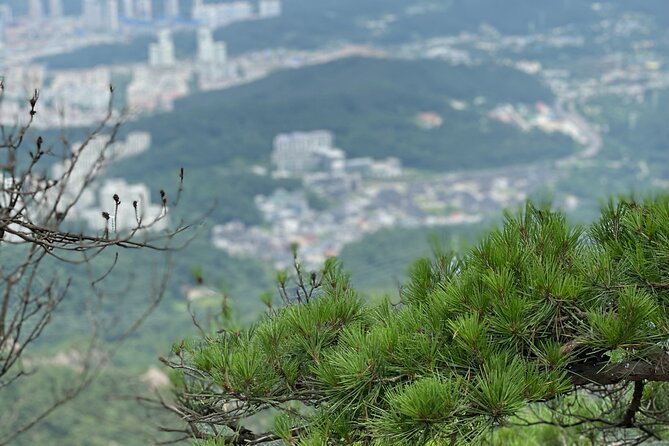
Once you reach the top or the turnaround point, the viewpoints can feel surprising given the city right outside. This is a place locals use on weekends, and you can feel that pulse. Then, as the trail narrows and climbs, the soundscape changes. You’re hearing water and footsteps more than traffic.
If you’re into photography, you’ll want time. The steep sections can limit how often you pause, but the tour pace typically includes enough photo breaks to capture the view without turning the hike into a constant stop-start.
Pace, Pace, Pace: How Steep Granite Stairs Change the Day
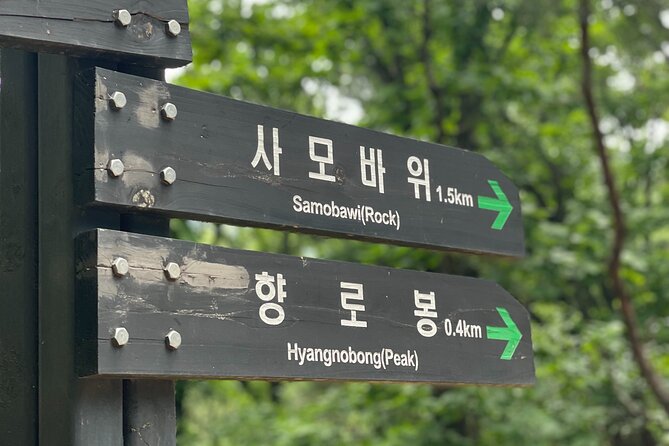
Even when the tour is framed for different fitness levels, the terrain is still the terrain. Reviews and descriptions keep circling back to steep stone stairs, rocky steps that act like stairs, and slick spots where careful foot placement matters.
That’s why I think the guide support is one of the biggest values here. People mention guides like Chance and BK helping set a workable pace, and some groups report loaner walking sticks that make the climb steadier. Others mention guides being patient about photos and regrouping when someone needs a break.
My rule for hikes like this: go slower than you think you should in the first third of the climb. If you start too fast, the top becomes a suffer-fest instead of a goal. With a guided group, you can stay in rhythm, take breaks when your body asks for them, and still feel like you completed something.
What to wear
You’ll be on rough ground and steep steps. Bring walking shoes with grip and wear comfortable clothes you can move in. If you only pack fashion sneakers, be prepared for sore feet and slippery stretches.
Price and Value: Is $142 a Smart Trade in Seoul?
At $142, you’re paying for more than a trail. You’re paying for:
- a professional English-speaking guide
- central round-trip transportation (pickup offered and included for central Seoul)
- a small group size (max 15)
- taxes and fees handled
If you hike Bukhansan on your own, you can save money, but you’ll also spend more time figuring out routes, transit timing, and temple etiquette. A guide cuts the uncertainty and helps you choose the right difficulty level instead of guessing and regretting it halfway up.
The value gets even better if it’s your first visit to Seoul and you want one active day that doesn’t require heavy planning. A guided hike also works well for jet lag. You get movement, fresh air, and a sense of accomplishment early in the trip.
The one pricing caution: food and drinks are not listed as included unless specified. Some experiences you’ll see end with lunch and even a spa add-on, but you shouldn’t assume that’s fully covered in every booking. Budget for water and snacks, and be ready to pay for meals if they’re not part of your exact package.
The Korean Spa Finish: Jjimjibang Can Be a Highlight or a Weird Moment
This tour experience is often described as including a Korean-style spa stop afterward. People refer to it as jjimjibang, and the vibe can be either rejuvenating or awkward depending on your comfort level.
What I like about the spa concept is timing. After steep climbing, warm water and scrubbing help you feel human again. Some experiences even mention add-on massage experiences and say it felt like the perfect recovery.
What to think about: the spa setup can be more shared and less private than Western-style facilities. Some people describe it as an indoor setup where you’re nude in common areas, with staff chatting nearby. If you’re sensitive about privacy or you hate being in a situation where you feel watched, this can be a deal-breaker.
So here’s my practical approach: treat the hike as the main event. If the spa stop is included in your day, decide ahead of time if you’re comfortable with the format. If not, you might prefer to skip it or keep expectations realistic.
Who This Hike Fits Best (and Who Should Rethink It)
This tour makes sense if you want:
- a guided workout with temple culture in the middle of it
- a choice between an easier climb (Seunggasa) and a tougher climb (Bibong/Bibong)
- a small group pace that’s easier than solo navigating
It’s also a great pick if you enjoy being outdoors but still want expert help on the details. The guide-led explanations in the drive and along the route help you understand what you’re seeing instead of just collecting photos.
Rethink it if:
- you want flat walking or minimal elevation gain
- you struggle with steep, rocky steps and slippery footing
- you’re not comfortable with the possibility of a Korean spa finish, especially if it’s nude and shared
Age note: the minimum age is 11. Some people consider it too much for younger kids, mainly because of steep terrain and hot-weather conditions. If you’re traveling with kids, be honest about their hiking stamina.
Weather, Help, and Booking Smart
This is a good “book with eyes open” type of tour. The experience is described as requiring good weather. If conditions are poor, you may be offered a different date or a full refund. That matters because wet stone steps can turn a challenging climb into a risky one.
Also keep it simple: wear proper shoes, drink water, and plan for rest. The route choices exist for a reason, and the guides generally pace the group so you can keep moving without pushing beyond what you can handle.
Should You Book This Guided Bukhansan Hike?
Book it if you want a short Seoul itinerary that delivers real mountain hiking, temple culture, and a guide that helps you pick the right difficulty level. The small group size, central pickup, and English-speaking guidance make it easier to enjoy the experience instead of managing logistics.
Skip it or look for a gentler alternative if you’re chasing an easy walk, you dislike steep stairs, or you’d rather not deal with the possibility of a Korean spa finish.
If you do book, my best advice is to match your trail choice honestly. The views are worth it, but the mountain doesn’t negotiate. Go in with grippy shoes, a calm pace, and the mindset that taking breaks is part of the plan.
FAQ
What time does the tour start?
The listed start time is 9:00 am.
Is hotel pickup included?
Pickup is offered, and round-trip travel from central Seoul is included for convenience.
How long is the hiking tour?
Duration is approximately 4 hours 30 minutes.
What’s the difference between the two hike routes?
One option heads toward Seunggasa Temple with an elevation climb of about 400 meters (1,300 feet) and is described as relatively easy for beginners. The Bibong path is more challenging, with a narrow trail and a stream, climbing about 560 meters (1,835 feet).
What’s included in the price?
A professional English-speaking guide is included, along with all taxes, fees, and handling charges.
Is lunch or food included?
Food and drinks are not included unless specified, and lunch is not listed as included.
Can I get a refund if my plans change?
Free cancellation is available up to 24 hours in advance for a full refund. The experience also requires good weather, and if it’s canceled due to poor conditions you’ll be offered a different date or a full refund.