REVIEW · SRI LANKA
Udawalawa National Park Safari & Elephant Transit Home Tour
Book on GetYourGuide →Operated by Tiger Safaris · Bookable on GetYourGuide
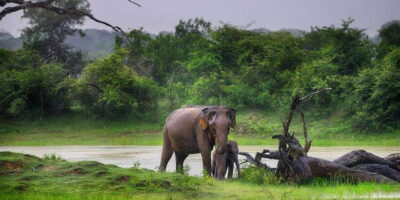
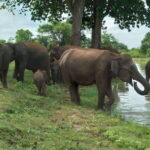
Elephants are the main event here. What makes this Udawalawe National Park safari worth your time is the combo: you’re out in the park first, then you head to the Elephant Transit Home to see how rescued elephants get cared for and readied for life back in the wild.
I also like that you get hotel pickup and drop-off plus a comfortable 4×4 jeep setup designed for small groups. One thing to consider: the headline price doesn’t cover park entry or the transit home fee, so your final cost will be higher.
In This Review
- Key points to know before you book
- Udawalawe Safari and Elephant Transit Home: what the 4 hours really feels like
- The jeep ride in a 4×4: comfort, group size, and spotting chances
- Wildlife in Udawalawe: what you’re aiming to see (and what makes it realistic)
- The guide experience: how binoculars and explanations change everything
- Elephant Transit Home: why the rehabilitation visit adds real value
- Photography and timing: getting good shots without stressing out
- Price and value: is $15 really the deal?
- Who should book this safari (and who might want another option)
- A realistic view of expectations: the best mindset for Udawalawe
- Should you book Udawalawe National Park Safari and Elephant Transit Home?
- FAQ
- How long is the Udawalawa safari and Elephant Transit Home tour?
- Do I get hotel pickup and drop-off?
- What’s included in the price?
- Are the national park tickets included?
- Is the Elephant Transit Home fee included?
- What should I bring for the tour?
- Is it suitable for pregnant women or people with back problems?
Key points to know before you book
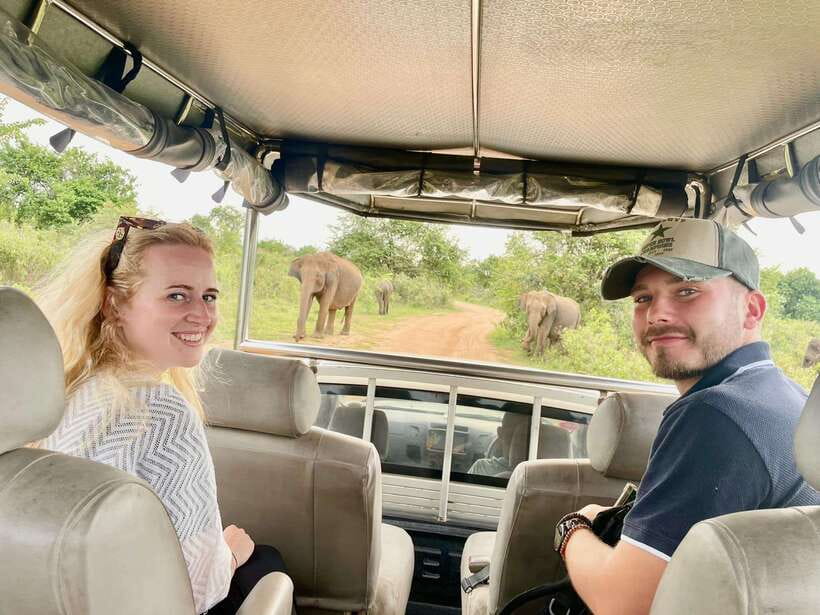
- 4×4 safari jeeps with small groups (max 6 passengers, and 5+ can be private)
- Elephants are the big target, with chances for other wildlife like crocodiles, leopards, and more
- Binoculars are included, which makes a real difference when animals are far off
- Guides help you read the park, not just drive around
- You can take photos during the safari, so bring your camera setup
- The Elephant Transit Home adds meaning, letting you see rehab work after the sightings
Udawalawe Safari and Elephant Transit Home: what the 4 hours really feels like
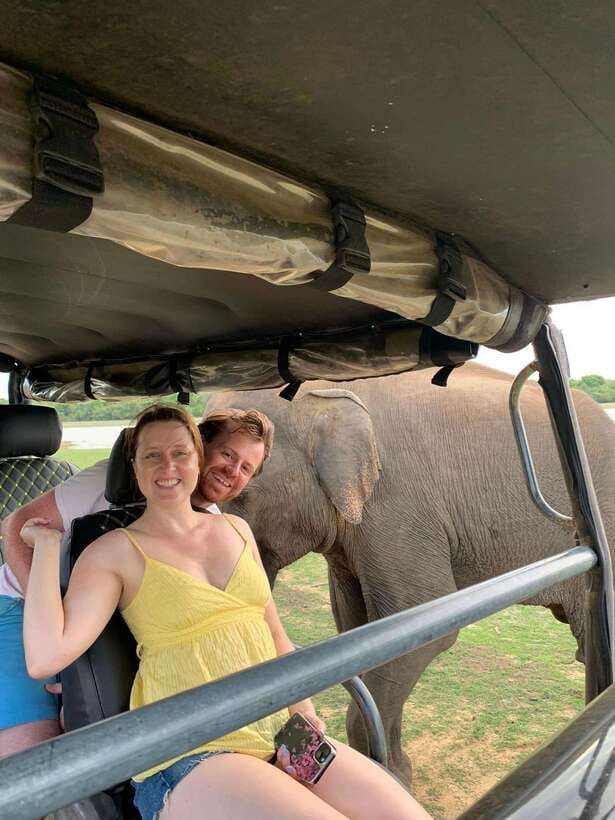
This tour is built around one simple idea: you get both sides of Sri Lanka’s elephant story in a short window. First, you hunt for wildlife in Udawalawe National Park. Then you switch gears to the Elephant Transit Home, where rescued elephants are cared for and rehabilitated.
It’s only 4 hours, so the pace is practical, not slow and wandering. If you’ve got limited time in the Eastern Province, this kind of structured loop is a smart way to maximize it without feeling like you spent the whole day in transit.
And yes, animals are the goal. But the bigger win is how much you can understand during the drive, especially with an English live guide and tools like binoculars.
You can also read our reviews of more tours and experiences in Sri Lanka.
The jeep ride in a 4×4: comfort, group size, and spotting chances
You’ll start with pickup in the Udawalawe area. The idea is that you don’t have to figure out timing or roads on your own. You wait in the hotel lobby about 10 minutes before pickup, then your guide handles the handoff.
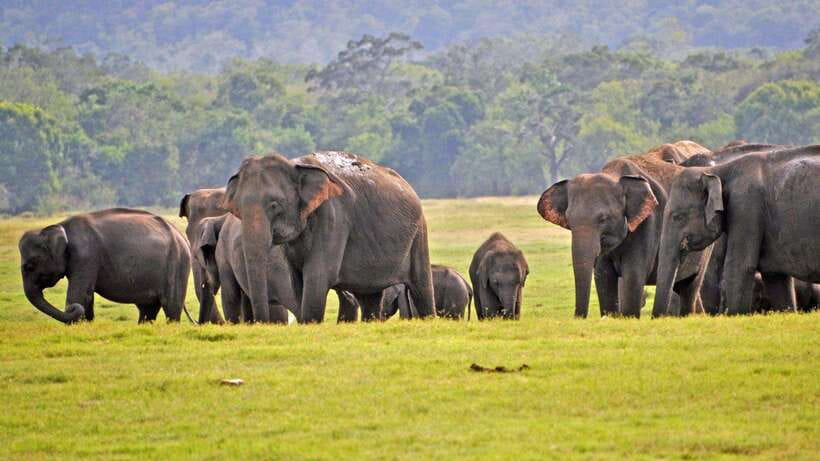
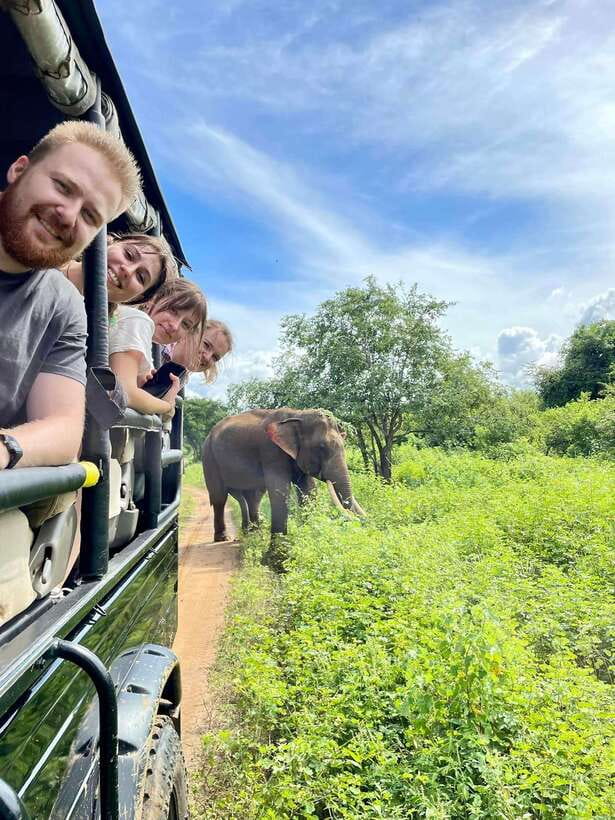
Once you’re in the jeep, the small-group setup matters. Each 4×4 safari jeep is limited to up to 6 passengers, and if you’re traveling as 5 people or more, you can get a private jeep. That means less crowding, more space for your camera and legs, and easier conversation with the guide while you’re scanning for wildlife.
Also, the safari is the kind of activity where positioning matters. A smaller group can make it easier to get everyone facing the same direction at the same time when your guide spots movement.
Wildlife in Udawalawe: what you’re aiming to see (and what makes it realistic)
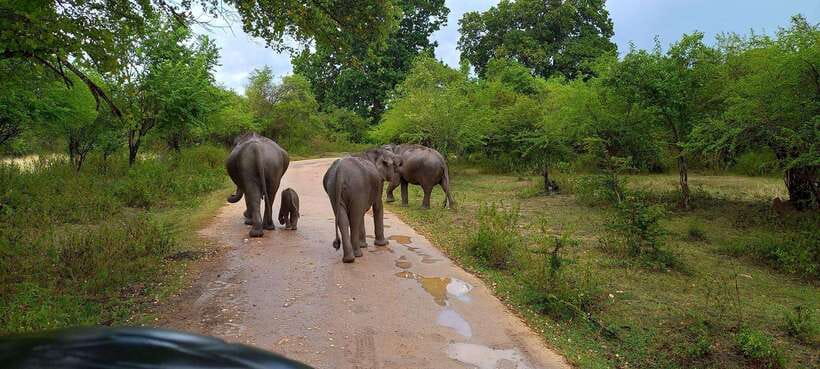
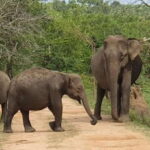
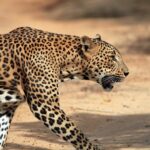
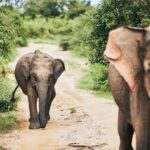
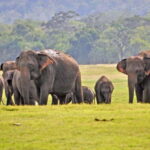
Udawalawe is famous for elephants, and this tour leans hard into that. The stated goal is to spot elephants plus other wildlife like crocodiles and leopards, with the chance for additional animals such as bears and more.
In practice, you should treat it as a wildlife safari with variable results. Some days you’ll get classic elephant viewing. Other days you might see fewer animals, especially beyond elephants. That doesn’t mean the trip is a waste; it just means you’re trusting the guide’s scouting and being patient with how wildlife behaves.
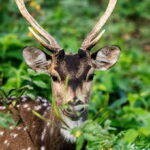
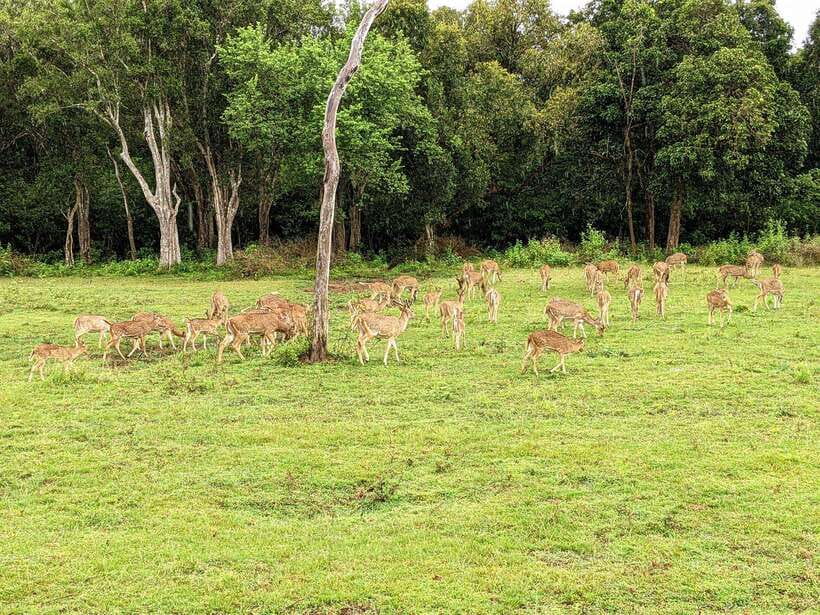
You’re also likely to encounter other species in the broader mix, including deer and wild buffalo, plus bird species. Even when the big moment takes a bit, the guide’s explanations help you notice the smaller stuff that you’d otherwise miss.
The guide experience: how binoculars and explanations change everything
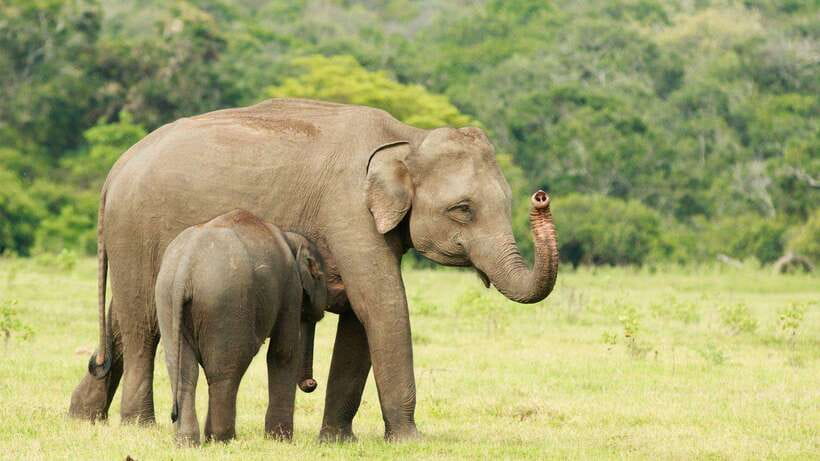
A safari without guidance can turn into a guessing game. The good news here is that you’re not just riding along. You’ll have an English live guide who helps you understand what you’re seeing and what you should look for.
Binoculars being included is a big deal. When animals are far off, binoculars can turn vague movement into actual sightings. One guide name that comes up in the details is Rochel, praised for taking time and using the binoculars to explain fauna and flora.
That’s what makes this tour feel more like a guided field experience than a drive-through. You spend less time staring at empty ground and more time learning how wildlife shows itself.
Elephant Transit Home: why the rehabilitation visit adds real value
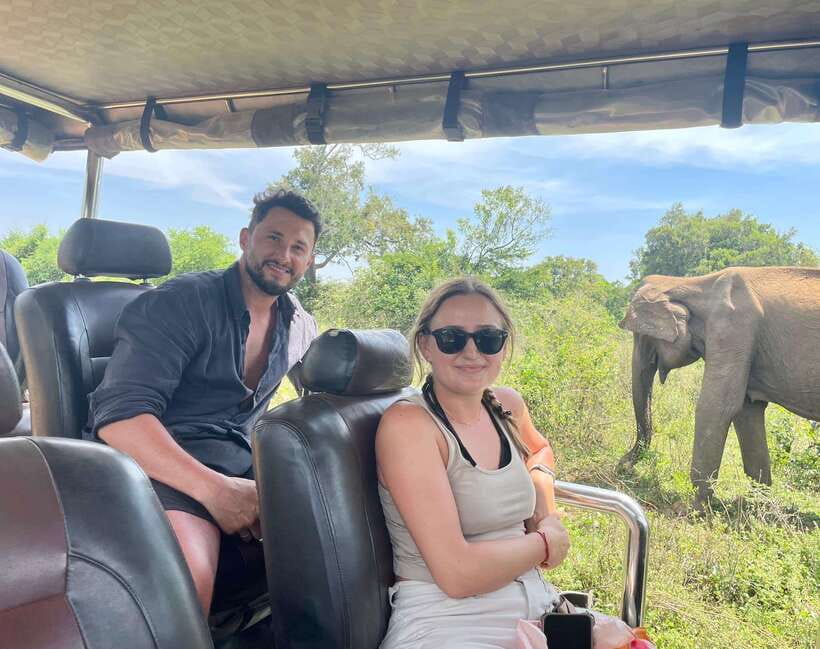
The safari part is thrilling, no question. But the Elephant Transit Home stop is the part that usually sticks in your memory for the right reasons.
Here, you see rescued elephants being rehabilitated and prepared for release back into the wild. It’s one of those stops that shifts your mindset from just spotting animals to understanding why they need help in the first place.
This is also where the earlier safari observations connect. When you’ve seen elephants in the park, you’re better able to appreciate the rehab mission afterward. It turns the day into a fuller story instead of two separate activities.
One practical thing: the transit home fee is not included. The info given lists it at about $6, so plan to cover it separately.

Photography and timing: getting good shots without stressing out
You can take pictures during the safari, and that’s important because wildlife moments tend to be short. You’ll likely be taking photos from a moving vehicle or with animals at a distance, so a little preparation goes a long way.
Wear comfortable clothes and shoes, because you’ll be repositioning and standing when your guide calls something out. Also, keep your camera or phone accessible rather than buried in a bag. You don’t want to miss the moment because you’re still unzipping.
Since the tour duration is only 4 hours, the schedule doesn’t drag. That can be a plus if you like efficiency. Just don’t plan a separate long stop afterward unless you’ve built buffer time.
Price and value: is $15 really the deal?
The listed price is $15 per person, and that’s attractive on the surface. The key is what’s included versus what’s extra.
What’s included:
- Hotel pickup and drop-off in Udawalawe area
- 4×4 safari jeep (small group, up to 6)
- Experienced guide
- Udawalawe Safari Tour
- Elephant Transit Home visit
- Binoculars
What’s not included:
- National park entry tickets (about $38 per adult)
- Elephant transit home fee (about $6)
- Food and drinks
So the real cost picture is: the $15 helps cover the guide, jeep, and the tour service. But park access and the transit home fee are the major add-ons. If you’re budgeting, treat the $15 as the service fee and add the entry costs on top.
Is it still good value? Usually, yes—because the experience bundles the safari transport, guiding, and rehab visit into one organized half-day. If you were to piece it together yourself, you’d spend time coordinating vehicles and timing, and you might lose the guide support that helps with spotting.
Who should book this safari (and who might want another option)
This tour fits best if you:
- want a short, structured wildlife day in Udawalawe
- enjoy guided spotting (especially with binoculars)
- like the idea of pairing sightings with a rehabilitation-focused visit
It’s not for everyone. It’s marked as not suitable for pregnant women and for people with back problems, which makes sense given the safari jeep ride.
You should also follow the rules: no alcohol and drugs.
Finally, English-speaking guests are covered with a live English guide, which helps you get real meaning from the experience rather than just moving between stops.
A realistic view of expectations: the best mindset for Udawalawe
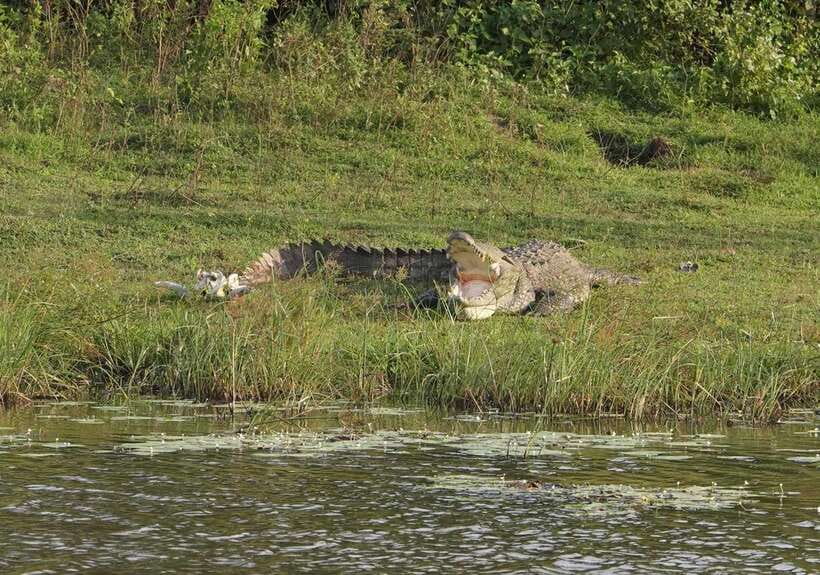
This is wildlife. That means you’re trading certainty for possibility. The tour clearly aims for elephants and other animals, but some days may deliver more elephant time and fewer extras.
Here’s the mindset that works: focus on the guide’s explanations and on using the binoculars. If you’re watching attentively, you’ll likely get more from the trip even on a day with fewer animals beyond elephants.
Also, small-group jeep riding helps. You’re less likely to be blocked by other passengers when something appears suddenly.
And when you do get those elephant moments, you’ll understand why Udawalawe is so well regarded. It’s not just about the size of the animals. It’s the way the park lets you see their behavior up close, from a respectful distance, with someone helping you read what you’re seeing.
Should you book Udawalawe National Park Safari and Elephant Transit Home?
Book it if you want a high-signal half-day: a guided safari in a small 4×4 jeep plus a meaningful rehab visit you can’t easily replicate on your own.
Skip it or consider alternatives if you’re strictly budget-only and don’t want to add national park entry (~$38 per adult) and the transit home fee (~$6), or if jeep riding could be uncomfortable for you.
If your priority is elephants and you’ll appreciate a guide helping you spot and understand wildlife, this tour is a strong choice.
FAQ
How long is the Udawalawa safari and Elephant Transit Home tour?
It lasts 4 hours.
Do I get hotel pickup and drop-off?
Yes, hotel pickup and drop-off is included in the Udawalawe area.
What’s included in the price?
The tour includes the safari and the Elephant Transit Home visit, a 4×4 safari jeep (up to 6 passengers), an English live guide, binoculars, and pickup/drop-off.
Are the national park tickets included?
No. National park entry tickets are not included (about $38 per adult).
Is the Elephant Transit Home fee included?
No. The Elephant Transit Home fee is not included (about $6).
What should I bring for the tour?
Bring comfortable shoes and comfortable clothes.
Is it suitable for pregnant women or people with back problems?
No. It is listed as not suitable for pregnant women and for people with back problems.