REVIEW · SEOUL
Songnisan National Park & Beopjusa Temple UNESCO site Private Tour
Book on Viator →Operated by Outdoors Korea · Bookable on Viator
A temple day with hiking choices. This private outing pairs UNESCO-listed Beopjusa Temple with Songnisan National Park’s eco-minded primeval forest, so you get Buddhism, nature, and Korea’s everyday context in one long day. I really like that it is private for one group, with time you can shape on the spot, and that you can choose either a relaxed forest walk or a bigger effort hike to Munjangdae. One consideration: it runs about 10 to 12 hours, and even the optional hike takes real energy, so bring comfortable shoes and dress for weather.
I especially enjoyed how the guide’s explanations land while you ride. With Mr. Kim on the driving side, the trip becomes a moving classroom on politics, religions, society, and culture, plus what to notice in nature as the scenery changes.
You’ll also save hassle because admission tickets are included and you use a mobile ticket. The day is structured around a pickup-and-forest-temple rhythm, which helps if you want something organized without surrendering control of your pace.
In This Review
- Key Highlights Worth Planning Around
- Songnisan National Park and Beopjusa: UNESCO in a Living Forest
- Hotel Pickup From Seoul Makes the Day Run on Rails
- Choosing Your Walk: 2 Hours on Trails or the Munjangdae Climb
- The Park-to-Temple Flow: Picking the Order That Fits Your Day
- Beopjusa Temple: What You’ll Actually Be Seeing and Why It Matters
- Lunch in the Middle of the Mountains: Lunch Box or Korean Traditional Meal
- Mr. Kim’s Guidance: The Stories Behind Korean Culture on the Road
- Timing, Tickets, and Comfort Tips That Actually Help
- Price and Value: Is $248 Per Person Actually Reasonable?
- Who Should Book This Songnisan and Beopjusa Private Tour
- FAQ
- How long is the Songnisan National Park and Beopjusa Temple private tour?
- What’s included in the tour price?
- Is this tour private?
- Do you offer pickup from Seoul hotels?
- How much time is there for hiking in Songnisan National Park?
- Is a mobile ticket provided?
- Who is the experience provider?
- What if I cancel?
- When will I receive confirmation after booking?
- Should You Book This Private Tour?
Key Highlights Worth Planning Around
- UNESCO Beopjusa Temple in a real national park setting
- One-group private format with flexibility on timing
- Two hiking options: 2-hour forest trails or a longer Munjangdae climb
- Guide storytelling during the drive (politics, religions, society, culture, nature)
- Lunch support with a lunch box or Korean traditional meal
- Admission tickets included plus mobile ticket convenience
Songnisan National Park and Beopjusa: UNESCO in a Living Forest
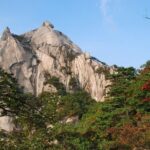
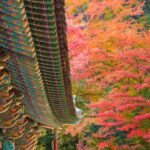
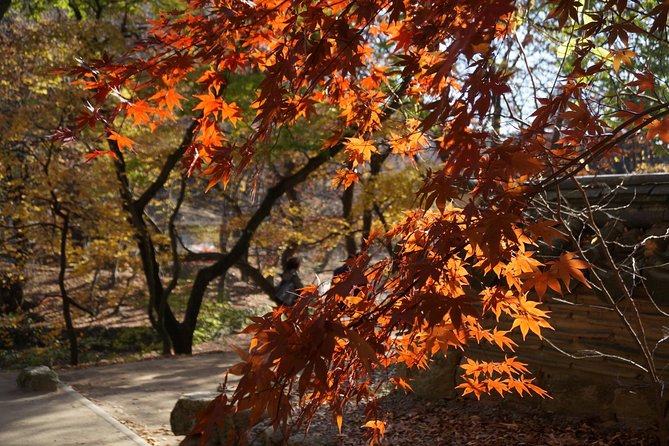
Songnisan National Park is the kind of place where the scenery feels like it belongs to the temple, not the other way around. You’re not doing a quick photo-stop in a city. Instead, you’re stepping into a protected, forest-heavy environment, with an eco-friendly primeval forest vibe that makes the day feel calmer than most day trips.
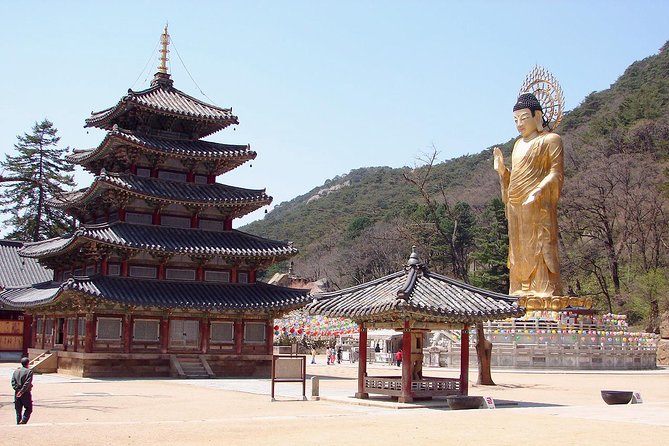
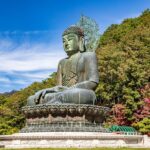
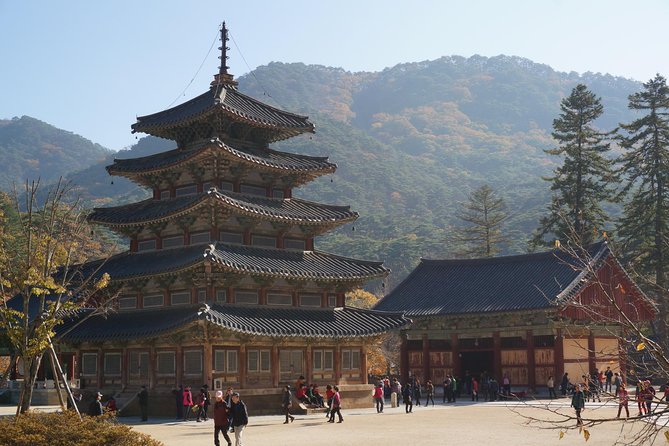
Beopjusa Temple is the UNESCO anchor here, and that matters because it turns the visit into more than a spiritual site checklist. You get a chance to slow down and look at the setting: the temple relationship to the surrounding mountains and trees, and how that landscape supports the Buddhist atmosphere.
If you care about context, you’ll appreciate that the experience doesn’t treat the temple as a disconnected museum object. You’ll be moving through nature first and then into sacred space, with a guide ready to connect what you see with broader Korean culture.
You can also read our reviews of more tours and experiences in Seoul.
Hotel Pickup From Seoul Makes the Day Run on Rails
This tour is built around pickup and drop-off at your hotel in Seoul or nearby Seoul. That sounds simple, but it’s a big deal for Songnisan, because you’re dealing with a long day and a 2-hour drive from the Seoul tourist area before you’re even near the park.
Once you’re on the road, the private setup helps you avoid the usual day-trip chaos: no scrambling to meet a group, no racing to a schedule that ignores your pace. Your guide handles the driving, you focus on what’s ahead, and you get to choose how your time gets spent at the park.
One more practical point: it’s a one-group private tour. So you’re not negotiating crowded timing with strangers, and your hike and temple time can stay aligned with your group’s comfort level.
Choosing Your Walk: 2 Hours on Trails or the Munjangdae Climb
This is where the tour gives you real options, not just “choose A or B and suffer quietly.”
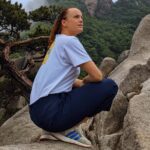
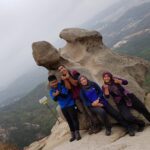
You can pick a comfortable 2-hour forest trail walk either before or after temple sightseeing. That option is a good match if you want a nature break and some gentle momentum without committing to a longer hike.
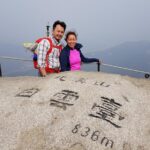
Or you can go for Munjangdae, the mountain top option, which takes about 5 hours. This is the choice for people who want a workout and bigger views and don’t mind investing more of the day to get higher.
Here’s how I’d think about it. If you’re traveling with a mix of fitness levels, the 2-hour trail option is the easiest way to keep everyone happy while still feeling like you earned your temple stop. If you’re fit and want the park to feel dramatic, Munjangdae is the decision that turns the day into a more physical adventure.
The Park-to-Temple Flow: Picking the Order That Fits Your Day
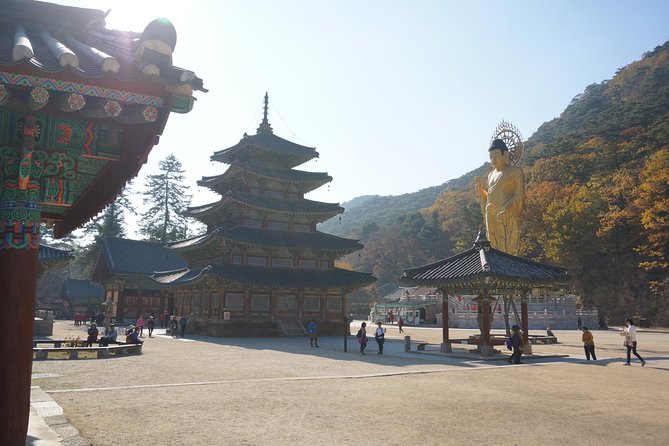
The tour lets you do the hike before or after temple sightseeing, which is a smart design. It also gives you a chance to match the day to weather and your energy.
If you hike first, you start the day in motion. That can feel great if you like getting the effort out of the way early and then treating the temple as a calmer finish. If the weather is cooler or dry, this order often feels easiest on the walk back to your car.
If you do the temple first, you get to slow down right away. Then you can step into nature with a clearer head and less pressure to “fit everything in.” Either order works because the tour is structured around both segments, not a rushed temple-and-go situation.
My practical tip: decide based on your group’s energy, not on what sounds more dramatic. A temple visit after an exhausting climb can be wonderful, but it can also make it harder to truly take things in. Your best order is the one you can enjoy without rushing.
Beopjusa Temple: What You’ll Actually Be Seeing and Why It Matters
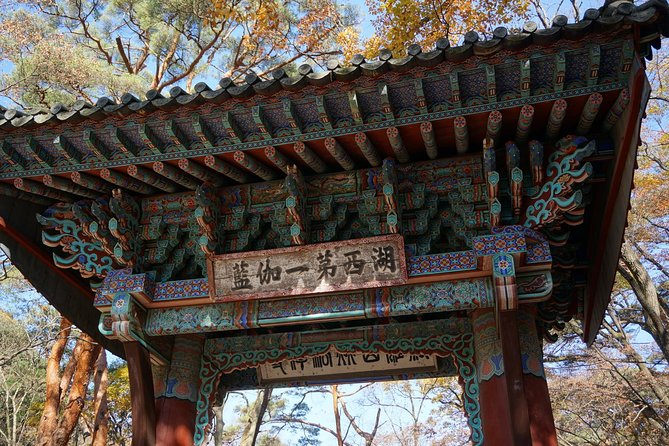
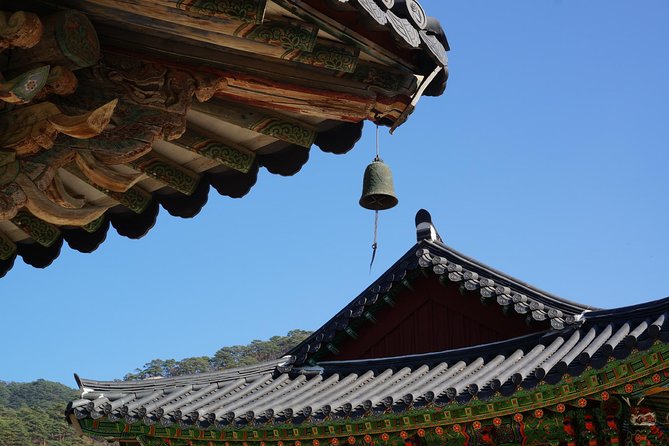
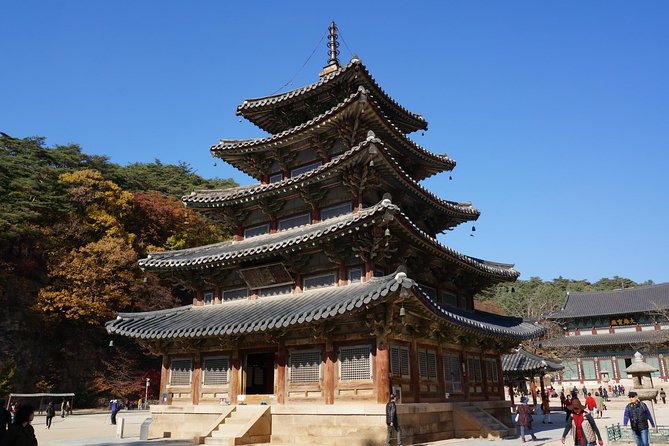
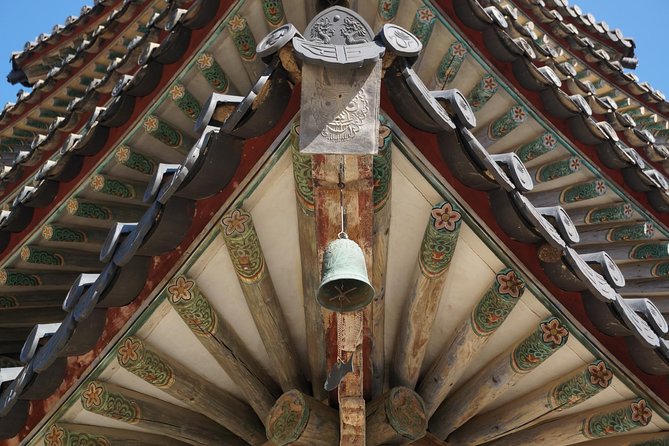
The core temple visit centers on Beopjusa Temple, the UNESCO-listed Buddhist site in the Songnisan area. The tour frames it as one of Korea’s most beautiful Buddhist temples, and the UNESCO status is a strong signal that this place is worth attention beyond quick sightseeing.
What makes the visit meaningful here is the build-up. You go from forest walking or a mountain-top hike into sacred space. That shift helps you notice details that you might otherwise miss, like how the environment supports the mood of a temple day.
Also, the guide’s commentary is part of the experience. The day isn’t only about what things are called; it’s about why they exist and how they connect to Korean life and beliefs. If you like cultural context, you’ll find that you’re not just looking at buildings and objects. You’re listening to how the guide ties them to religions and society.
Just remember: this is a full-day trip with long travel time. You’ll enjoy the temple more if you pace yourself and avoid treating every stone and doorway like a sprint to the next photo.
Lunch in the Middle of the Mountains: Lunch Box or Korean Traditional Meal
You’ll have lunch support during the day, either as a lunch box or a Korean traditional cuisine meal for a late lunch. This matters because it keeps you from burning time hunting for food after hiking or temple walking.
The “late lunch” detail is important. It signals that the schedule is built around the temple and forest segments first. So plan for a meal timing that’s a bit later than a typical city lunch.
What I like about the meal approach: it’s included, so you’re not stuck with the decision fatigue of where to eat while your legs are already thinking about rest. The tour also reduces logistical stress, which is a big part of why private day trips can feel worth it.
Mr. Kim’s Guidance: The Stories Behind Korean Culture on the Road
The most praised part of this experience is clearly the guide. Mr. Kim stands out for being kind, friendly, and genuinely engaged, and that energy changes how the whole day feels. Instead of treating the driving time as dead time, the guide uses it as part of the experience.
You’ll get useful information while riding about politics, religions, society, culture, and nature of Korea. Even if you don’t consider yourself a deep-country-studies person, those themes help you interpret what you see at a temple and what you notice in the forest.
One nice detail from the experience style: you can help determine how much time you spend in each location. That is a practical quality, not a fluffy one. It means you’re not forced into a rigid pace that might not match your group.
If you’re the type who likes tours where the guide talks like a person, not like a script, this is the setup you’ll enjoy most.
Timing, Tickets, and Comfort Tips That Actually Help
The tour includes admission tickets and uses a mobile ticket, which cuts down on on-site stress. You don’t want to waste precious temple time dealing with ticket lines or last-minute logistics.
What you should do is prepare for the walking reality. Even the optional 2-hour forest trail means you’re outside, and shoes matter. If you plan for Munjangdae, wear gear that can handle a longer, more demanding hike and keep you comfortable for hours.
Also, treat this as a “full day outdoors with a temple finish” rather than a casual stroll. It’s about 10 to 12 hours total, and the 2-hour drive from your Seoul area pickup is part of the equation.
A good mental trick: plan to be tired after. Then you’ll enjoy the end of the day more, instead of feeling annoyed that you didn’t “squeeze in” extra plans.
Price and Value: Is $248 Per Person Actually Reasonable?
At $248 per person, this tour isn’t the cheapest way to do Songnisan and Beopjusa. But value isn’t only about price tag; it’s about what you avoid.
You’re paying for:
- Private one-group transport from Seoul with hotel pickup and drop-off
- Admission tickets included
- A guide (Mr. Kim) who adds cultural context, not just directions
- Two flexible time options for the park segment
- Lunch support (lunch box or Korean traditional cuisine)
- A mobile ticket setup
If you travel as a group of friends or family, private tours often make more sense fast, because you’re not paying to occupy space on someone else’s schedule. Even solo, you’re buying convenience and reduced friction, especially with the long travel time.
If your main goal is just quick temple photos and you’re comfortable handling transport and hiking timing on your own, you may find lower-cost options. But if you want a smooth, guided, one-day solution that connects the temple to Korea beyond the basics, this price can feel fair.
Who Should Book This Songnisan and Beopjusa Private Tour
I’d put this tour at the top of your list if you:
- Want a private day trip with hotel pickup and drop-off
- Like guided context about Korean culture and religion
- Want to hike, but need options for different fitness levels
- Prefer a flexible pace, including the ability to decide how much time you spend in each stop
You might pause if you:
- Don’t handle long days well, since it’s around 10 to 12 hours
- Want minimal walking; the optional Munjangdae hike is about 5 hours
- Are trying to fit lots of plans later the same evening
FAQ
How long is the Songnisan National Park and Beopjusa Temple private tour?
It runs about 10 to 12 hours.
What’s included in the tour price?
Admission tickets are included, and lunch is provided as either a lunch box or Korean traditional cuisine for late lunch.
Is this tour private?
Yes. It is a private tour/activity, and only your group participates.
Do you offer pickup from Seoul hotels?
Yes. The tour includes pickup and drop-off at your hotel in Seoul or nearby Seoul.
How much time is there for hiking in Songnisan National Park?
You can choose a comfortable 2-hour forest trail walk, or hike up to the mountain top called Munjangdae, which takes about 5 hours.
Is a mobile ticket provided?
Yes, the tour uses a mobile ticket.
Who is the experience provider?
The provider listed is Outdoors Korea.
What if I cancel?
Free cancellation is available. You can cancel up to 24 hours in advance for a full refund.
When will I receive confirmation after booking?
Confirmation is received at time of booking, unless you book within 1 day of travel, in which case confirmation is received as soon as possible subject to availability.
Should You Book This Private Tour?
Book it if you want an organized, one-group private day that links Beopjusa Temple UNESCO with Songnisan’s primeval-forest atmosphere, and you’d rather have a guide like Mr. Kim connecting the dots between culture, religion, and what you see on the ground. It’s especially worth it when hiking is on your mind but you want real choice between a shorter trail and the Munjangdae climb.
Skip it (or choose the shorter walk) if a long 10 to 12 hour day and extended walking won’t work for your energy. If you’re comfortable with that, this is the kind of day trip that feels purposeful instead of frantic.