REVIEW · BRAGA
Peneda Gerês National Park: Self-Guided Electric Bike Tour
Book on GetYourGuide →Operated by TOBOGÃ · Bookable on GetYourGuide
One afternoon can feel like a whole escape. The Peneda-Gerês self-guided electric bike tour mixes national-park trails with stone villages, so you get movement plus real scenery without needing a guide for every turn.
I especially like the fact that you’re given a purpose-built KTM e-bike plus the basics (helmet, gloves, sunglasses), which makes a long-ish ride feel manageable. The main drawback to note is that the GPS route can be hit-or-miss, so plan to stay alert early and follow the directions carefully.
You also come away with two standout village stops: Soajo with its famous granaries, and Lindoso with its 13th-century castle and reservoir views. You’ll pedal about 50 km and experience roughly 1,300 meters of elevation change on varied terrain, including mountain sections that still feel like a real ride, not a flat cruise.
In This Review
- Key things to know before you roll out
- Peneda-Gerês on an e-bike: why this tour works
- The e-bike setup you’re given (and why it matters)
- Route overview: from Tobogã to Lima River crossings, then up to Soajo
- Tobogã Base (Entre Ambos-os-Rios): your launch point
- Cross the Lima River via Touvedo dam
- Ermelo: monastery sights before the climb toward Soajo
- Climb to Soajo: one of the park’s most iconic villages
- Soajo granaries and the meaning of village architecture
- Lindoso and its castle: reservoir views and defensive stonework
- The 13th-century castle
- Old granaries and the reservoir viewpoint
- The ride itself: terrain variety, pacing, and how to feel good at hour four
- What to bring so the day stays pleasant
- GPS reality check: the route is mostly easy, but don’t treat it like magic
- Value and price: is $94 for this self-guided e-bike tour fair?
- What kind of traveler should book this?
- Should you book the Peneda-Gerês electric bike tour?
- FAQ
- How long is the Peneda Gerês e-bike tour?
- How far do I ride and how much elevation change should I expect?
- What’s included in the price?
- Do I need to bring food and water?
- Is transportation to the meeting point included?
- What languages is support offered in?
Key things to know before you roll out
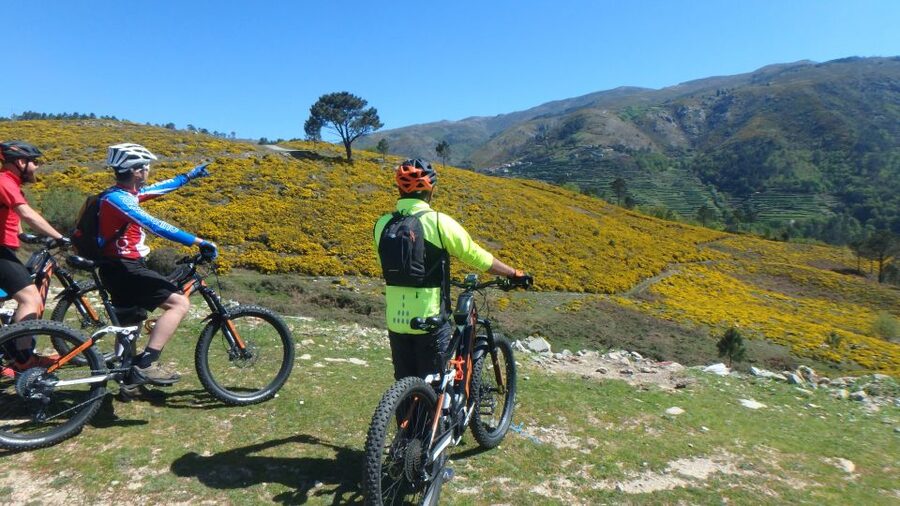
- 50 km / ~1,300 m elevation change over about 5 hours, so bring a steady effort mindset.
- Ermelo monastery to Soajo is the core “culture + climbs” stretch you’ll remember.
- Soajo granaries are more than decor; they’re a symbol of how locals stored crops for generations.
- Lindoso’s 13th-century castle ties the ride to older conflicts and mountain defense.
- GPS-following matters: some routes feel crystal-clear, others need extra attention near the end.
Peneda-Gerês on an e-bike: why this tour works
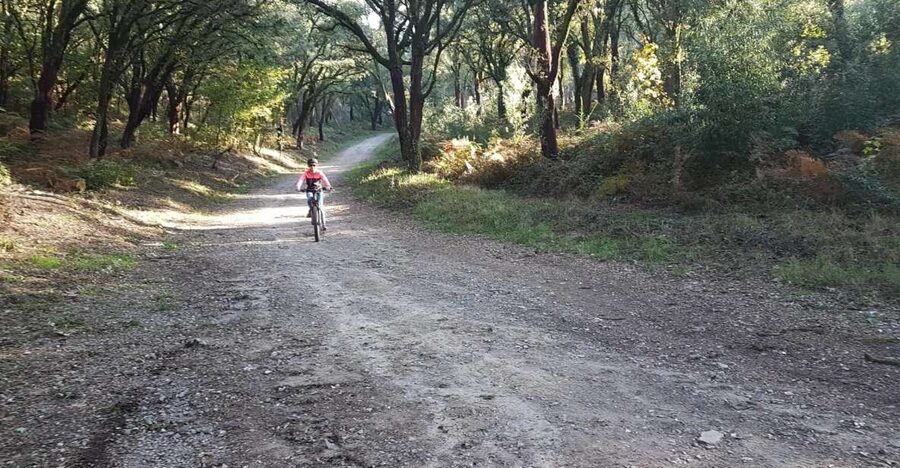
Peneda-Gerês National Park is Portugal’s only national park, and it’s a place where nature and human life have always shared the same space. This self-guided e-bike format is a smart way to see it because you cover ground without turning the experience into a workout-only mission.
For you, that means two things. First, you can actually spend more time looking around instead of surviving the slope. Second, you’re free to ride at your own pace while still staying on a planned loop that’s long enough to feel like you did something, not just a quick spin.
The ride is built for people who can bike comfortably for around five hours on mixed surfaces. If you’re expecting effortless riding the whole way, you may feel the terrain. If you’re okay with some climbs and the occasional bumpy segment, the e-bike helps you keep going.
You can also read our reviews of more tours and experiences in Braga.
The e-bike setup you’re given (and why it matters)
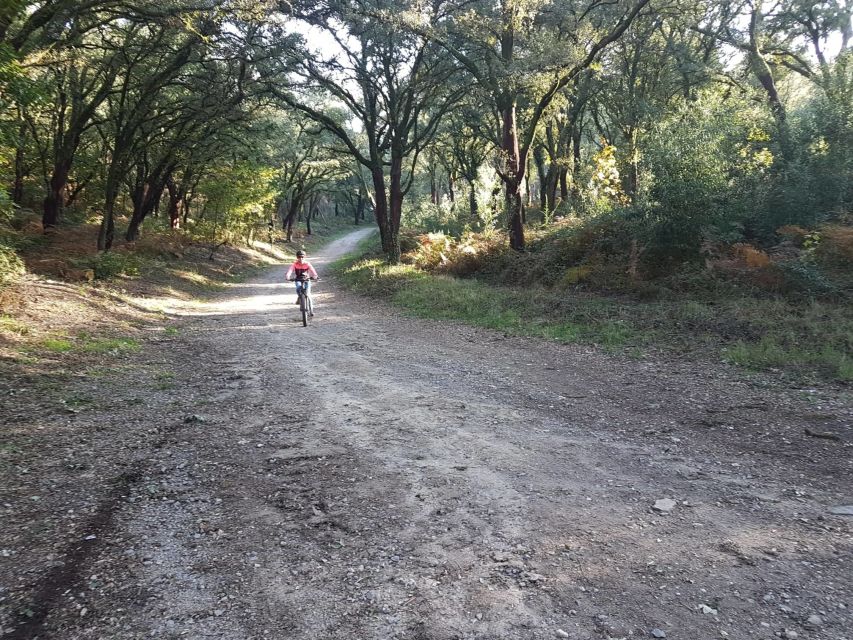
This tour provides a KTM MACINA KAPOHO 7973 (2024) electric mountain bike plus helmet, gloves, and sunglasses, and it includes insurance. That’s not just nice-to-have. It changes the math of the day.
Mountain bikes handle uneven ground better than rental road bikes, and the included protective gear keeps you from improvising. You’ll also be thankful for the sunglasses in open sections, especially when you’re riding near reservoirs and exposed ridgelines.
I’d also treat this as a day where your comfort choices affect the whole experience. Wear clothing you can adjust to changing shade in forests and brighter conditions on ridges. And yes—bring sunscreen, because you’ll be outside for hours.
Route overview: from Tobogã to Lima River crossings, then up to Soajo
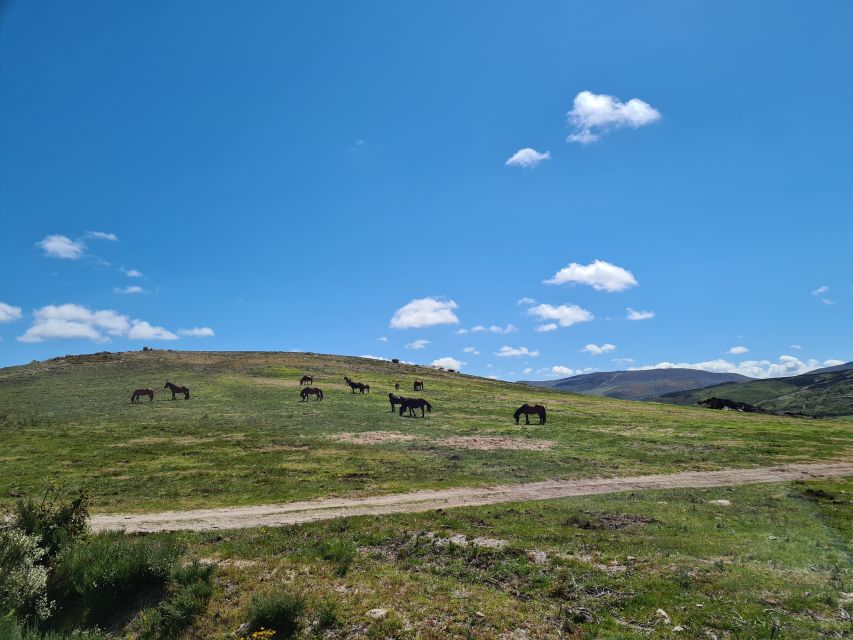
The tour starts at Tobogã Base and follows a 50-km loop that drops about 1,300 meters of elevation change as described, while also including mountain riding that climbs toward Soajo. Expect a real mix: forest trails, village lanes, and segments that feel more like mountain travel than “stay on asphalt.”
Here’s the flow, in the order you’ll experience it:
Tobogã Base (Entre Ambos-os-Rios): your launch point
You begin at Tobogã Base in Entre Ambos-os-Rios. Think of this first stretch as your setup phase: check your bike settings, get your bearings, and confirm you understand the route guidance before you commit to the more remote sections.
From your own perspective, the first minutes matter because GPS routes can behave differently depending on the phone and signal. If you start with a calm mindset—zoom in on turns, watch the track, and don’t rely on a single screen—you’ll ride easier the whole day.
Cross the Lima River via Touvedo dam
Early on, you’ll cross the Lima River at the Touvedo dam. This is where the park starts to feel open and dramatic. River crossings also tend to signal a shift in the ride rhythm: you leave one character of terrain and enter another.
The view isn’t just a photo moment. It’s a mental reset. After this, you’re in “ride and explore” mode—less urban movement, more mountain pace.
Ermelo: monastery sights before the climb toward Soajo
Next you pass through Ermelo, where you’ll see a beautiful monastery. This stop works because it breaks the ride into two moods: nature-to-nature, then nature-to-culture.
If you want to enjoy it, don’t rush. Take a minute or two to step in, look at the stonework and layout, and then remount with a steady cadence. It’s an energy-friendly pause before the heavier climbing sections toward Soajo.
Climb to Soajo: one of the park’s most iconic villages
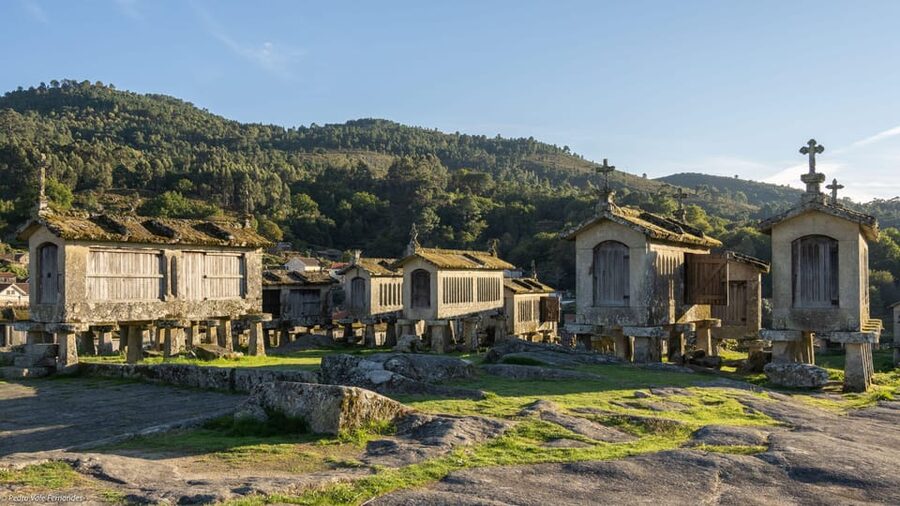
Then comes Soajo, described as one of the most iconic villages in Peneda-Gerês National Park. The village is known for its stone architecture and, especially, its granaries—the sturdy structures locals used to store cereals. They’re a visual signature of Soajo and a key reason the village feels distinctive rather than generic.
In a practical sense, Soajo is also a reward stop. You’ve done real riding to reach it, and the village gives you a calmer, human-scale break: you can walk the lanes, look up at views, and slow down without getting bored.
Soajo also connects you to food and craft traditions in the area, with local cuisine including Soajo-style goat and wooden handicrafts that show up as part of the village culture. Even if you don’t order a meal, it gives context to what you’re seeing.
Soajo granaries and the meaning of village architecture
If you care about what you’re looking at, Soajo is worth your attention. Those granaries aren’t just old buildings. They represent how people adapted to mountain life—protecting stored crops from weather and time.
When you’re riding a place like this, it’s easy to see villages as scenic stops. Soajo helps you see it as something else: living architecture that still reflects how people once survived here. That makes your time feel more grounded, not just picturesque.
It also explains why Soajo is a highlight of the tour. The village is a reason you’re riding, not only a dot on the map.
Lindoso and its castle: reservoir views and defensive stonework
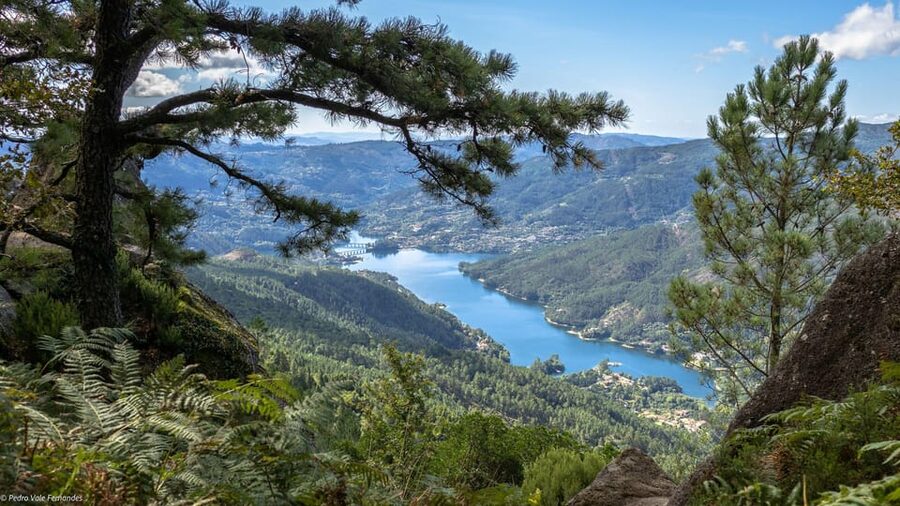
After Soajo, you continue toward Lindoso, another mountain village of Alto Minho. Lindoso is known for two big things: its 13th-century castle and its granaries, plus views over the Lindoso Reservoir.
The 13th-century castle
The castle is your history hit. It’s described as having defended Portugal during conflicts with a neighbor, which makes the place feel tied to real, old geography—high ground wasn’t a hobby here, it was survival.
When you approach the castle area, give yourself time to look from different angles. Defensive sites were built to see and respond, so you’ll likely find viewpoints that explain the strategy even if you don’t study the walls like a historian.
Old granaries and the reservoir viewpoint
Then there are the older granaries and the reservoir views—perfect for a breather. This part of the day pairs well with the e-bike concept: you’re not forced into long hikes, but you still reach dramatic viewpoints.
Try to time your pause so you’re not rushing your photos. You’ll enjoy this more if you watch the water and sky shift for a few minutes instead of snapping and moving.
The ride itself: terrain variety, pacing, and how to feel good at hour four
This tour is outdoors with different types of terrain. It’s also not listed as suitable for people who can’t ride a bike. That sounds obvious, but it’s really about your comfort on mixed surfaces, not speed.
You’re doing about five hours, and the park terrain can change quickly: smooth sections for cruising, then rougher moments where you’ll need control and balance. The e-bike helps, but you still must ride actively.
What to bring so the day stays pleasant
Since food and drinks aren’t included, plan like a minimalist day-hiker:
- Bring snacks because snack bars are described as only a few along the route
- Bring a water bottle and refill it from drinkable springs water you’ll find during the way
- Wear weather-appropriate clothing, and bring layers if the morning feels cool and the afternoon warms up
GPS reality check: the route is mostly easy, but don’t treat it like magic
Some ride experiences are described as very well marked and easy to follow, while others mention the GPS sometimes failing or being less clear than expected. My practical advice: treat the route as guidance, but also use common sense—when you’re unsure, slow down, zoom in, and confirm your next turn before committing.
If you download the needed map or instructions ahead of time and keep your phone secured (and charged), you’ll reduce stress.
Value and price: is $94 for this self-guided e-bike tour fair?
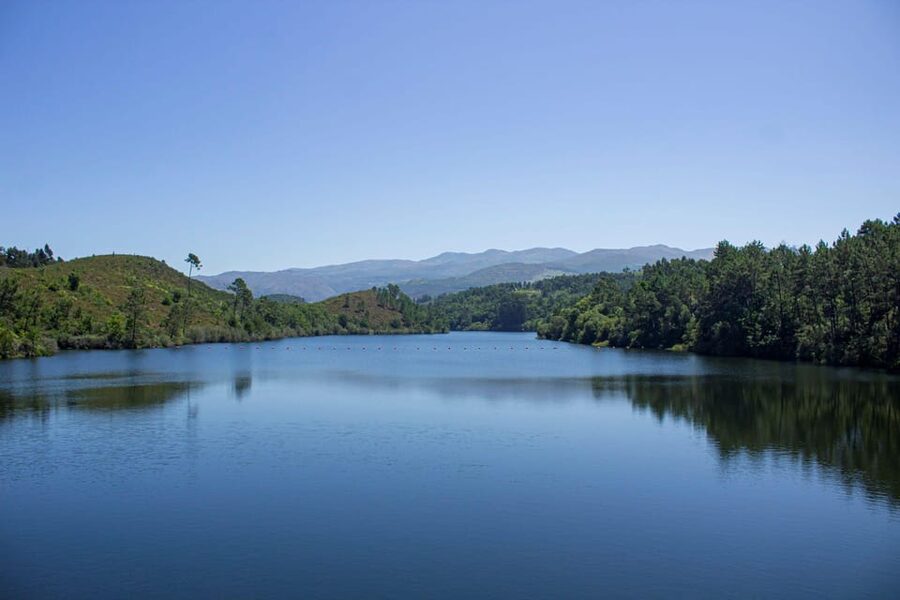
At $94 per person for about 5 hours, this can be good value if you want a controlled route through Peneda-Gerês without the cost of a private guide. You’re not just paying for a bike. You’re paying for the complete setup: electric mountain bike rental, helmet/gloves/sunglasses, and insurance.
The main “cost” isn’t the money—it’s your prep time. You’ll need to bring snacks, water, and appropriate clothing. You also handle your own start-to-finish route navigation. If you do that well, you get a smooth day that includes multiple village highlights and real mountain riding.
If you need a tightly supervised experience, the self-guided aspect might feel less comfortable. But if you’re confident following a route and okay with some GPS quirks, $94 starts to look like a fair trade.
What kind of traveler should book this?
This fits best if you:
- Can ride a bike comfortably for about five hours
- Want a mix of nature + villages + historic stops without intense hiking
- Like the idea of stopping when you want, instead of being pulled along on a fixed tempo
- Are okay bringing your own snacks and managing water refills
It might not fit if you:
- Want a purely flat ride with minimal effort
- Don’t feel comfortable using a route track and checking turns
- Prefer guided storytelling throughout every segment (this is self-guided)
Should you book the Peneda-Gerês electric bike tour?
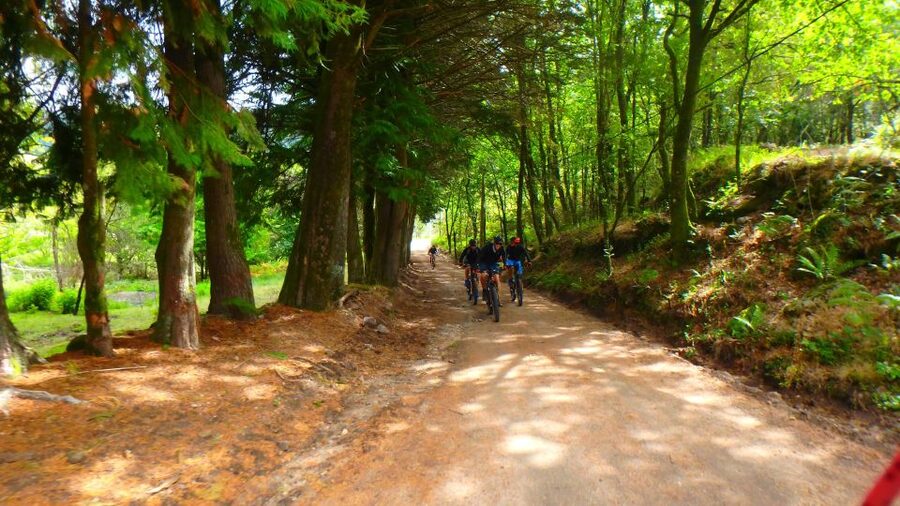
I’d book it if you want a day where you actually get inside Peneda-Gerês—through Soajo’s granaries, Lindoso’s castle, and the river-and-forest rhythm between them—while still keeping the ride doable on an e-bike. It’s a smart value for the time, especially because you’re supplied with solid gear and a route that hits the park’s most interesting village moments.
I’d think twice if you’re easily thrown by navigation uncertainty. The GPS experience can vary, so bring patience and use the route actively instead of blindly.
If you’re the kind of traveler who likes practical independence—ride, pause, look closely, keep moving—this tour is a strong match.
FAQ
How long is the Peneda Gerês e-bike tour?
The tour lasts 5 hours.
How far do I ride and how much elevation change should I expect?
The route is 50 km and includes about 1,300 meters of elevation change as described.
What’s included in the price?
Included are the electric bike (KTM MACINA KAPOHO 7973, 2024), helmet, gloves, and sunglasses, plus insurance.
Do I need to bring food and water?
Yes. Food and drinks aren’t included, and there are only a few snack bars along the route. You should bring snacks and a bottle of water for refilling from drinkable springs.
Is transportation to the meeting point included?
No. Transfer isn’t included, and the tour starts at Tobogã Base.
What languages is support offered in?
The host or greeter is listed in Spanish, English, French, and Portuguese.