REVIEW · SEOUL
Hike at Mt. Bukhansan National Park with professional Guide(including Lunch)
Book on Viator →Operated by Bergen travel · Bookable on Viator
Granite peaks in Seoul, guided by a pro. I love how this tour pairs a licensed English-speaking mountain guide with a route matched to your group and the weather, and I also like that Korean hiker’s lunch is handled on-trail. The only real catch: the hike is moderate, with a few steep rock slabs, so you’ll want solid shoes and an open mind about pace.
This is a great way to experience Bukhansan without turning it into a logistics project. You’ll go past granite ridges and valley paths, hit major sights along the way, and still spend the day feeling supported instead of lost in an endless set of trail choices.
You can also expect that the tour moves at a human speed. It runs about 6 hours, includes door-to-door transfers, and gives you water, snacks, and seasonal fruit so the day stays enjoyable from start to finish.
In This Review
- Key things I’d watch for
- Why Bukhansan is such an easy win from Seoul
- Pickup, timing, and how the 6-hour day is paced
- The route: valley water, fortress gate, mountain temple, and Baegundae views
- Moderate trail reality: steep slabs and the easier path option
- Lunch and snacks: authentic Korean hiker style, not an afterthought
- Bergen Park and the kind of guiding that changes the hike
- Price and value: why $170 can make sense
- Seasonal notes that actually affect your comfort
- Optional spa and dinner: how to round out the day
- Who should book this, and who might skip it
- Should you book this Bukhansan National Park hike?
- FAQ
- What time does the hike start, and how long is it?
- Does the tour include hotel pickup and drop-off?
- Is lunch included?
- What fitness level do I need?
- Are children allowed?
- What is the cancellation policy?
Key things I’d watch for
- Licensed guide, real route choices: Your guide selects the best trail for your ability, experience, and the day’s weather.
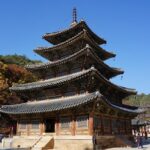
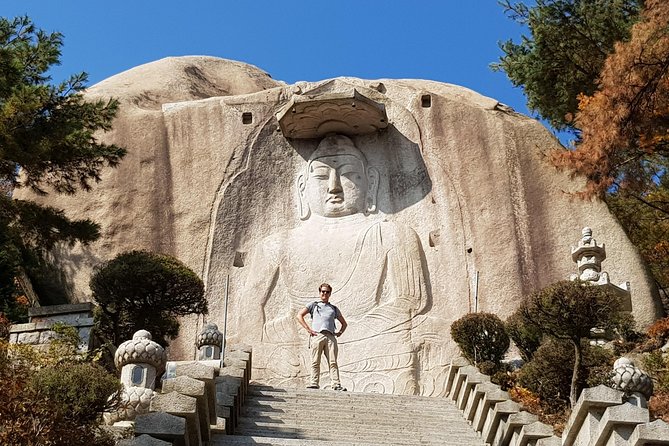
- Fortress gate and a mountain temple: You’ll pass through a Chosun-dynasty fortress wall gate and visit a Buddhist temple on the ridge.
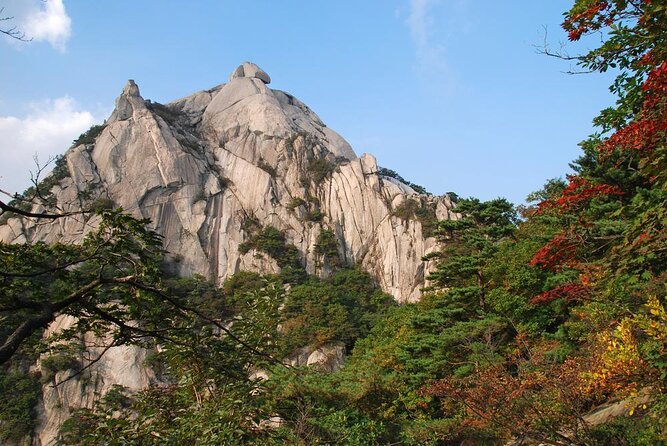
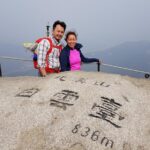
- Panoramic views at Baegundae (836m): The summit stop is built for big Seoul-and-beyond photo moments.
- Korean hiking lunch on the trail: You get an authentic hiker-style meal plus snacks, water, and seasonal fruit.
- Door-to-door comfort: Round-trip transfers from your hotel reduce the most annoying part of hiking from a city.
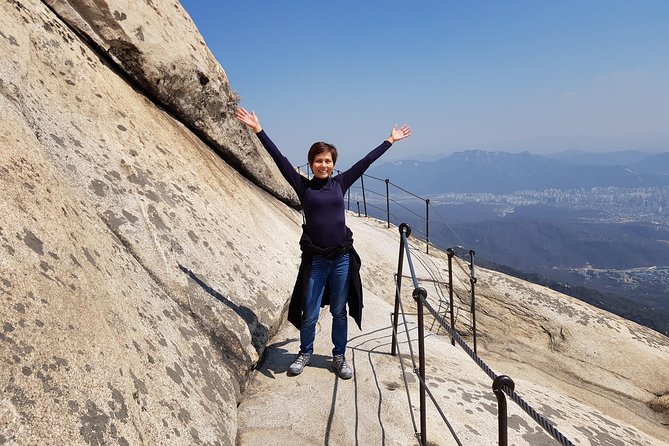
- Moderate terrain with options: There are steep rock slabs on the main route, and an easier path may be available for less confident hikers.
Why Bukhansan is such an easy win from Seoul
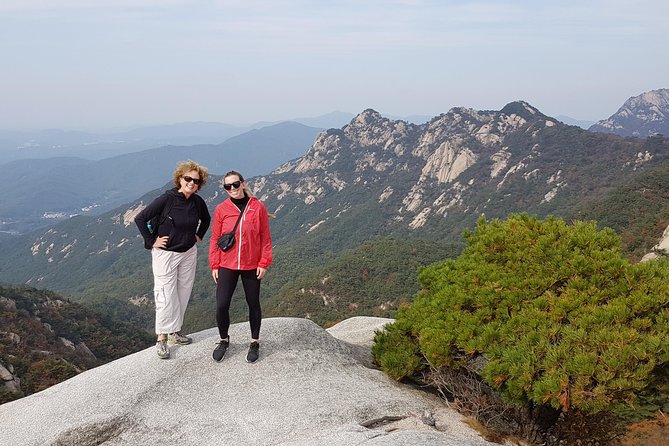
Seoul gets credit for a lot of things, but what matters for hikers is simple: you can reach real mountains fast. Bukhansan National Park sits close enough to the city that your day still feels like a day out, not a whole travel weekend.
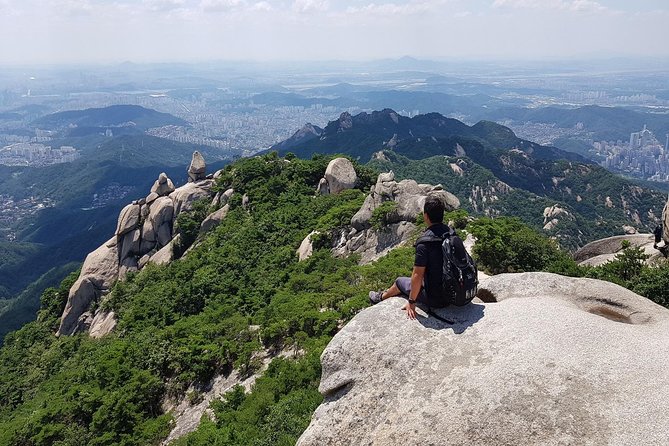
What makes Bukhansan special is the mix of terrain and viewpoints. You’re not stuck on one kind of trail. Expect granite ridges, river-valley walking with clear water, and sections that feel more like climbing than strolling. That variety is a big part of why the hike works across seasons, from cool winter steps to greener spring and summer forests, then back to fall color.
Another plus: the park is built around story-worthy stops. Instead of only walking between viewpoints, you also pass fortress wall gates and ancient mountain temples. You get history in the most practical way possible: it’s on the route, not in a separate museum detour.
You can also read our reviews of more tours and experiences in Seoul.

Pickup, timing, and how the 6-hour day is paced
Start time is 9:00am, and the day is designed around a steady rhythm. You’re picked up from your hotel, then driven to the trailhead in an air-conditioned vehicle. That matters more than it sounds. One less morning scramble means you start the hike fresher.
On the trail, plan for a total of about 6 hours including resting and pictures. That timing is a helpful reality check. This isn’t a sprint. It’s also not a slow, wandering stroll where you lose half the morning waiting for the group to catch up.
The pace is guided. Your mountain guide adjusts the route to match your group’s physical abilities and the day’s weather. If conditions are tougher, you’re not left improvising. You’ll also have snack breaks along the way, so the day feels like hiking with support rather than hiking with a survival mindset.
The route: valley water, fortress gate, mountain temple, and Baegundae views
The hike is organized around classic Bukhansan landmarks, with a route that can flex. Here’s the core sequence you should expect.
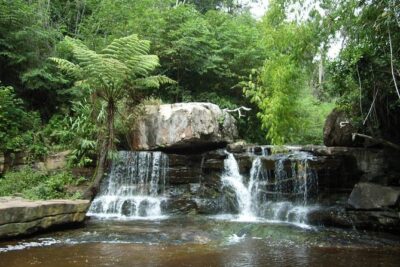
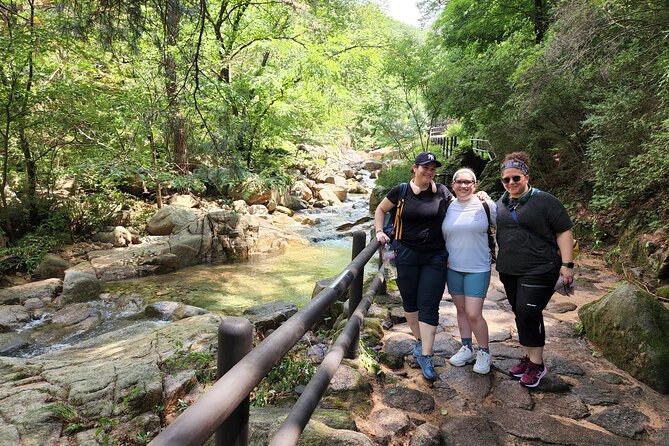
First comes the trail into the valley area, where clear water flows through the landscape. Even if the trail itself is modest that day, this is where you feel like you’re escaping the city. It’s also a good warm-up stretch before the steeper parts.
After about an hour of hiking, you reach a fortress wall gate built during the Chosun dynasty. It’s a short stop, but it’s the kind of moment that changes your mindset: you start noticing the structure of the mountain and the way humans once controlled access to key ridges.
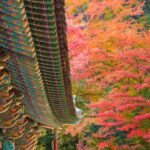
From there, you visit a Buddhist temple located on the mountain ridge. That stop tends to break up the effort and gives you a calmer view of what you’re walking through. It’s also the kind of place where your guide’s context helps, since the temple is tied to the mountain itself.
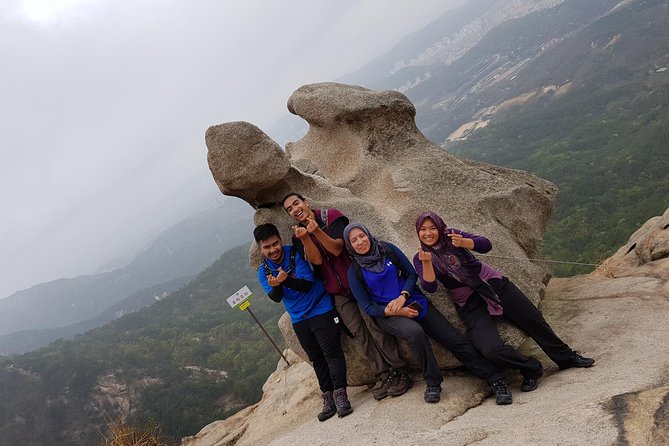
Then you continue toward Baegundae (836m), where you reach a summit-style payoff. The goal here is the panoramic view—Bukhansan and Seoul spread out enough to make the climb feel worth it. Even in less-than-perfect weather, the ridge-to-city perspective can be dramatic.
Routes can vary based on ability and conditions, so you might see other peaks or temples depending on the day’s plan. What stays consistent is the structure: valley access, key cultural stops, then a ridge viewpoint.
Moderate trail reality: steep slabs and the easier path option
This hike is labeled moderate, and it’s fair. You’ll find a few steep rock slabs along the way. Those sections can make a confident hiker speed up, but for newer hikers they’re the part that needs respect.
The good news is that you’re not locked into the hardest line. There’s another easier path around the track that’s suitable for beginner hikers. Your guide chooses the best trail considering your experience and preference, so you can signal what kind of challenge you want rather than guessing.
Practical takeaway for you:
- Bring comfortable clothing and footwear with solid grip. You’ll want ankle confidence on those slabs.
- Use your time wisely on breaks. The route includes resting and picture stops, and that’s part of keeping the day comfortable.
- If you feel off that morning, tell your guide early. The whole point is tailoring the hike, not testing stubbornness.
If you’re nervous about heights or traction, this is one of those tours where having a licensed guide is more than a nice-to-have. It turns the rock-stuff from a stress into a manageable step.
Lunch and snacks: authentic Korean hiker style, not an afterthought
One of the biggest values here is simple: you eat on the mountain. The tour includes Korean hiking lunch, plus water, snacks, and seasonal fruit. That means fewer decisions and fewer chances to burn your morning hunt for food.
The lunch is described as authentic Korean hiker’s lunch, served by the hiking guide during the hike. In other words, it’s not a bag of crackers and a vending machine moment. It’s meant to refuel you for the rest of the climb and descent.
You should expect a meal that fits a hiking pace: easy to eat, practical for outdoor timing, and satisfying enough that you don’t feel stuffed and heavy halfway up the ridge.
From past experiences with this kind of trail food, I’d think about it like this: the lunch is one of the reasons this doesn’t feel like a purely athletic trip. It’s a day in the park with the right human breaks built in.
Bergen Park and the kind of guiding that changes the hike
A big part of why this experience scores so high is the guide. One guide connected to this program is Bergen Park. His style shows up in the details: humor, encouragement, and route knowledge that helps you understand why the mountain looks the way it does.
In one case, the guide used playful energy to keep the group moving up steeper stretches—like a mountain goat mindset—and that kind of encouragement matters when the trail gets demanding. There’s also evidence of flexibility. On a chilly early-Feb hike, he offered an alternative route that stayed equally scenic, so the day didn’t fall apart just because the weather tightened up.
It’s that combination—history context plus real-time trail adjustment—that makes a licensed mountain guide worth paying for. You’re not only paying for someone to walk ahead. You’re paying for someone who can manage the day when conditions change.
Price and value: why $170 can make sense
At $170, this isn’t the cheapest way to hike. But it also isn’t just a route and a meeting point.
You’re paying for:
- A professional English-speaking guide with an official tour guide license
- Door-to-door hotel pickup and drop-off
- Air-conditioned vehicle transport to the trailhead
- The included Korean hiking lunch
- Bottled water, snacks, and seasonal fruit
- A private group experience limited to your group only
If you tried to recreate this on your own, you’d quickly pay for transport, guide time (or risk navigating on your own), and you’d still need to solve lunch on a tight hiking schedule. Here, most of the messy parts are handled.
So the value question for you is really about what you want from the day. If you want a calm, guided, food-included outing with transport taken care of, $170 is easier to justify. If you’re a self-directed hiker who loves route planning, you might find cheaper options—but you’d be giving up the safety net and the on-trail meal.
Seasonal notes that actually affect your comfort
This hike runs year-round, and the park changes with the seasons. The main seasonal guidance is built right into the experience idea:
- Spring: light green leaves and flowers
- Summer: dense forest cover and flowing valley water
- Fall: red and yellow autumn colors
- Winter: snowy footing and winter mountain views
Now the practical part: your clothing and expectation.
Early February can be chilly. Winter hiking often means slower starts and extra attention to traction. Summer, on the other hand, can bring thick humidity. That’s why having snacks, fruit, and water on hand matters. You’re less likely to run out of steam, and you’re less likely to skip breaks because the day feels too hot to manage.
I’d also keep an open mind for small surprises on the trail. In one experience, the group noticed bugs and mushrooms, plus even cats around the route. You can’t plan for wildlife, but it’s a reminder that Bukhansan is alive, not just stone and stairs.
Optional spa and dinner: how to round out the day
After the hike, you return to your hotel. If you want to go one step further, there’s an option for relaxation at a Korean-style spa. Some groups also choose to celebrate with dinner after the trek.
This is a nice add-on if you’re traveling with sore legs in mind. A spa day is the most logical reward after a sustained hike. Just remember it’s optional, so you can keep your day simple if you’re tired.
Who should book this, and who might skip it
You should book if:
- You want a guided hike with a licensed professional and clear route planning
- You appreciate cultural stops like fortress gates and mountain temples
- You’d rather spend money on an included lunch and transport than on separate logistics
- You like the idea of a moderate hike with options if the terrain feels too steep
You might skip it if:
- You’re already an experienced hiker who enjoys route-finding and doesn’t need a guide
- You want a full-day endurance push with no support breaks (this hike is paced with rest, photos, and food included)
Also, bring a moderate fitness level. The tour is aimed at people who can handle a climb, rests, and uneven ground without needing constant recovery time.
Should you book this Bukhansan National Park hike?
If you’re in Seoul and you want a mountain day that feels organized, safe, and satisfying, I’d book it. The combination is the reason: hotel pickup and drop-off, a licensed guide who can adapt the route, and a proper Korean hiking lunch plus snacks and fruit.
This is especially smart for first-time hikers in Korea. You get the best kind of learning—on the trail—without guessing your way through steep rock slabs. And if you’re a returning hiker, the cultural stops and the guide’s flexibility still make it worth your time.
If you’re nervous about difficulty, tell the guide what you want. The existence of an easier path option is the safety valve that lets this hike work for more people.
FAQ
What time does the hike start, and how long is it?
The start time is 9:00am, and the hike lasts about 6 hours including resting and taking pictures.
Does the tour include hotel pickup and drop-off?
Yes. You get door-to-door round-trip hotel transfers, plus private transportation by air-conditioned vehicle.
Is lunch included?
Yes. You’ll have Korean hiking lunch during the hike, along with bottled water, snacks, and seasonal fruits.
What fitness level do I need?
You should have a moderate physical fitness level. The route is considered moderate and includes some steep rock slabs, with an easier path available for beginner hikers.
Are children allowed?
Children under 12 must be accompanied by an adult.
What is the cancellation policy?
You can cancel for a full refund up to 24 hours before the experience’s start time. If you cancel less than 24 hours before, the amount paid is not refunded.