REVIEW · SRI LANKA
From Udawalawa : Udawalawa National Park Safari Tours
Book on GetYourGuide →Operated by Tiger Safaris · Bookable on GetYourGuide
A lot can happen in just a few hours. An Udawalawe National Park safari is built around big sightings, and this one pairs that with comfortable 4×4 safari jeeps and hotel pickup and drop-off for an easy day out. I like the small-vehicle feel (max 6 per jeep), which keeps things calmer when you’re searching the bushes for movement.
What you’re really paying for is time with wildlife in the park—plus a guide who talks you through what you’re seeing, not just where to sit and wait. The tradeoff is simple: wildlife is wildlife. Even with a great guide and a strong chance at elephants, some days have fewer animals than you hope for, so plan to be flexible if sightings feel slower.
In This Review
- Key Highlights You’ll Feel Right Away
- First Stop: Udawalawa Pickup and That Pre-Safari Wait
- Riding in a 4×4 Safari Jeep (and Why It’s the Right Choice)
- Into Udawalawe National Park: Where Elephants Usually Steal the Show
- Wildlife viewing reality check
- The Habitat Mix: Grasslands, Forest Edges, and Wetlands
- The Udawalawe Reservoir Photo Stop: Why Water Changes Everything
- Guided Tour Time: How the 3 Hours in Park Feels
- What You Can Do (and What You Can’t)
- The Money Question: Is $18 a Good Deal?
- Comfort and Timing: What to Expect Beyond the Park
- Who This Safari Fits Best (and Who Should Skip It)
- One Smart Booking Tip: Talk to the Guide About Extras
- Should You Book This Udawalawe Safari?
- FAQ
- How long is the safari?
- Is hotel pickup and drop-off included?
- Are binoculars included?
- What vehicle do you use?
- Is park entry ticket included in the price?
- Is food and drinks included?
- Can I take photos during the safari?
- Is the tour guide available in English?
- What should I bring?
- Is the tour suitable for everyone?
Key Highlights You’ll Feel Right Away
- Hotel pickup and drop-off in the Udawalawe area to keep the day low-stress
- 4×4 safari jeeps (up to 6 passengers) for comfortable, track-friendly viewing
- Binoculars included, so you can actually use your camera well once you spot something
- Wildlife focus on elephants plus other species, with regular chances to photograph
- A guided route through grasslands, forests, and wetlands to spread your odds across habitats
First Stop: Udawalawa Pickup and That Pre-Safari Wait
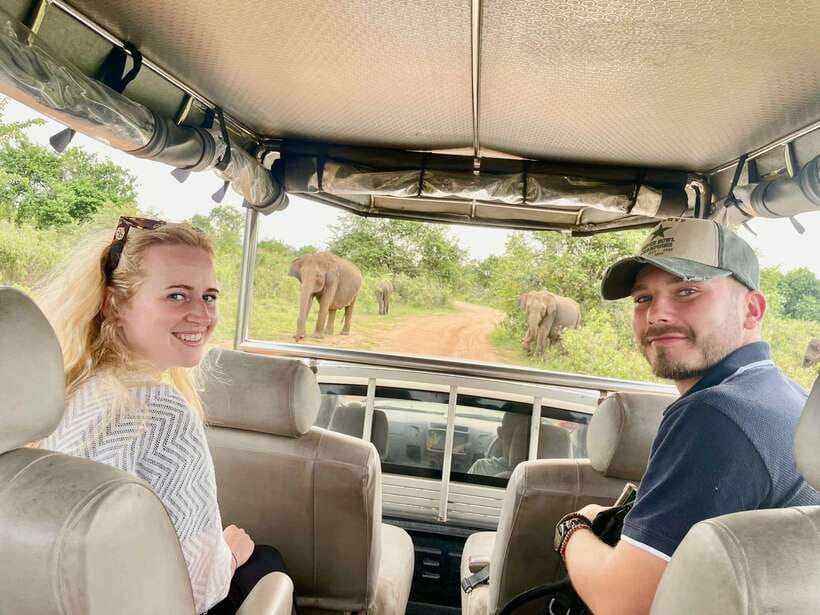
Your day starts with pickup from your hotel (or a designated meeting spot) near Udawalawa. The schedule is straightforward: you should be ready in the lobby about 10 minutes before pickup. Then it’s off by jeep or SUV, heading toward the park.
This 20-minute drive matters more than it sounds. It’s when you’ll get briefed by your live guide, and it’s also when you can start scanning for early animal signs. If you’re a nervous first-time safari person, this part helps you get your bearings fast.
You can also read our reviews of more tours and experiences in Sri Lanka.
Riding in a 4×4 Safari Jeep (and Why It’s the Right Choice)
This safari uses luxury and comfort 4*4 safari jeeps. The cap is max 6 passengers per jeep, which usually means you’re not stuck behind a wall of people when something finally appears. For groups of 5 or more, you can also get a private tour in the safari jeeps (still up to 6 passengers), which is a nice upgrade if you’re traveling with friends or want a quieter pace.
Two practical tips from how these jeeps are set up:
- Wear comfy clothes you don’t mind getting dusty. You’re on dirt tracks, not a mall parking lot.
- Bring your camera strap so you’re not fighting with loose gear every time the driver slows.
Your guide is with you throughout, and they’ll navigate the route across different habitats rather than doing only one style of scenery.
Into Udawalawe National Park: Where Elephants Usually Steal the Show
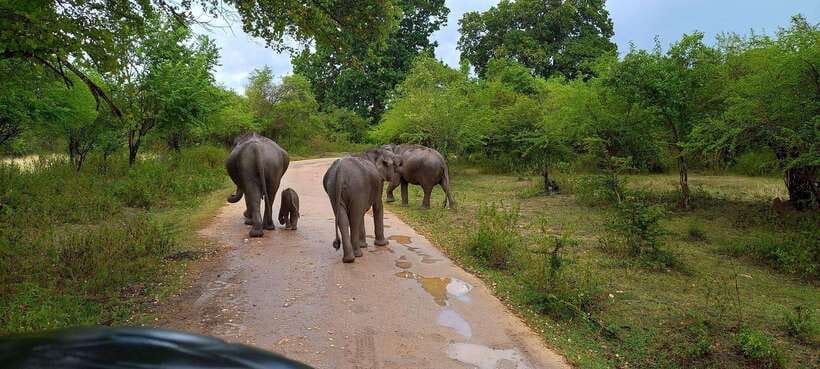
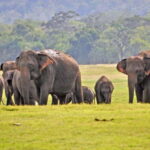
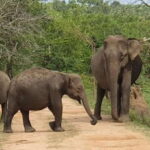
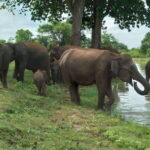
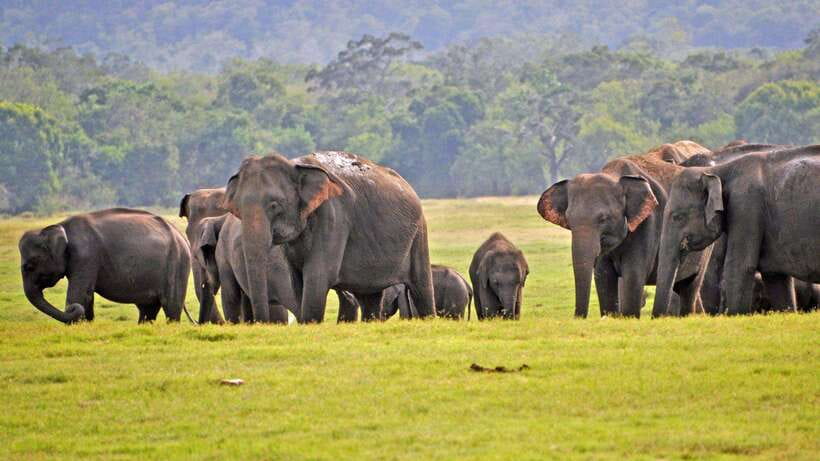
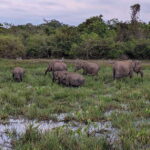
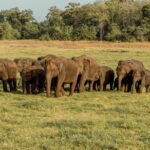
Once you enter Udawalawe National Park, your main job is watching. The park is especially known for elephants, and this safari is designed to give you repeated chances to see them up close in their natural setting.
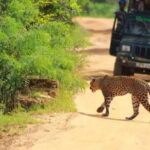
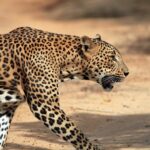
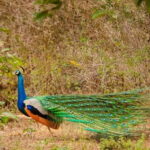
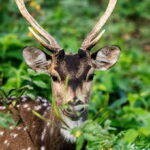
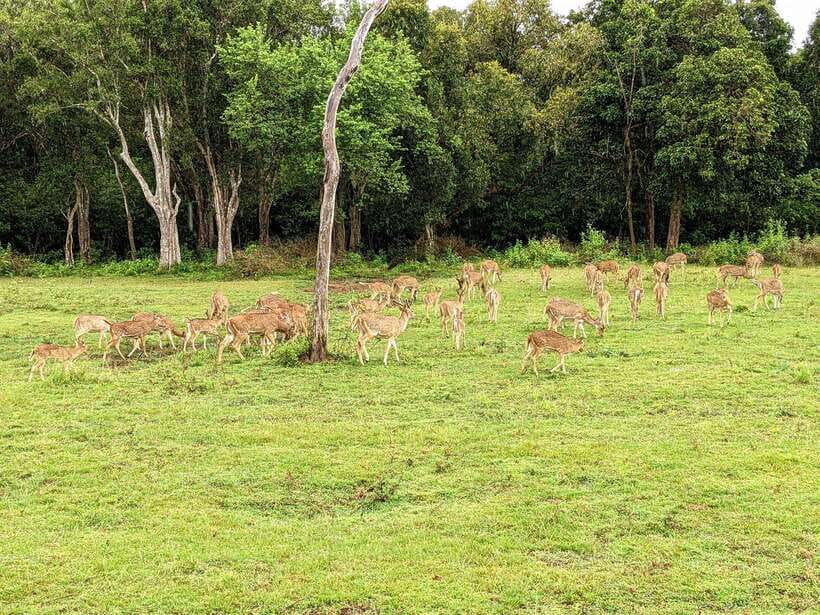
I like that the focus isn’t only on elephants, though. You may also spot other wildlife such as deer, wild buffalo, bears, birds, and even crocodiles or leopards if conditions and movement line up during your time in the park. The point isn’t to promise rare sightings—it’s that your guide is actively searching across habitats so you’re not stuck in one narrow viewing zone.
Wildlife viewing reality check
One thing I think you should expect: sightings can come in bursts. You might be quiet for stretches, then suddenly the jeep slows because something is moving. That’s where having binoculars (included) helps. Use them when the animal is farther away or partially hidden, then switch back to your camera once it’s clearer.
The Habitat Mix: Grasslands, Forest Edges, and Wetlands
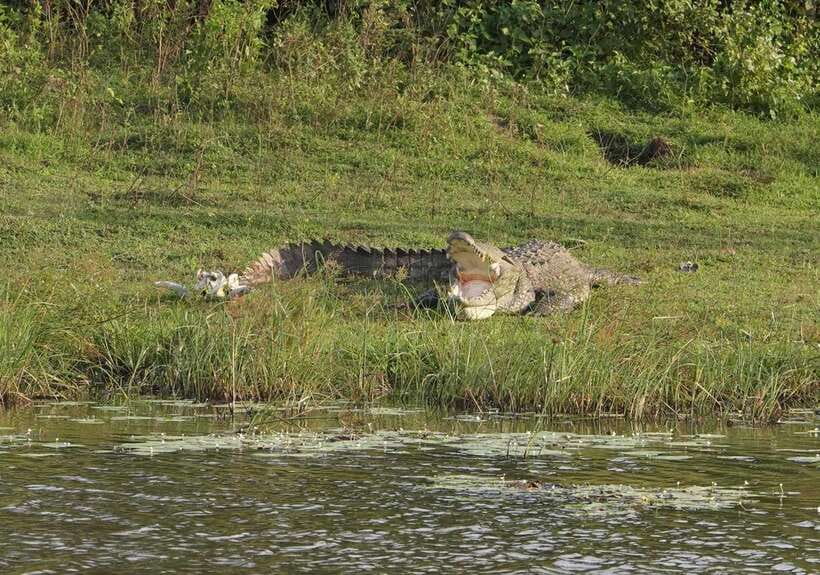
Your guide takes you through a mix of areas, including grasslands, forests, and wetlands. That variety is smart. Different animals feed, rest, and travel in different places, and the timing of where they appear can depend on water, cover, and food.
In practical terms, habitat variety increases the odds that you’ll see at least several types of wildlife. Even if the day doesn’t deliver a leopard moment, you can still end up with a great mix of elephant behavior, birds around water, and other grazing animals.
Your guide also provides insights into animal behavior and ecology. You don’t need a college degree for this. Even simple explanations—how animals use cover, what movement patterns mean, why certain spots get repeat visits—turn random sightings into something you remember later.
The Udawalawe Reservoir Photo Stop: Why Water Changes Everything
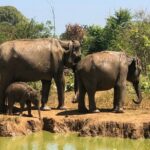
A highlight on this safari includes a stop at the Udawalawe Reservoir. Water areas tend to act like magnets in wildlife country. When animals come to drink or move along the edges, it often creates the most photogenic moments of the day.
This is also where your camera can earn its keep. If you like wildlife photography, the reservoir backdrop can add depth to your shots, not just a plain view of scrub and grass. If you’re more of a casual photographer, it’s still a strong moment because it often means animals are more likely to appear around accessible viewing points.
The safari schedule also includes “photo stop” time, so you’re not only driving past everything at speed. You get a chance to pause, look carefully, and shoot calmly.
Guided Tour Time: How the 3 Hours in Park Feels
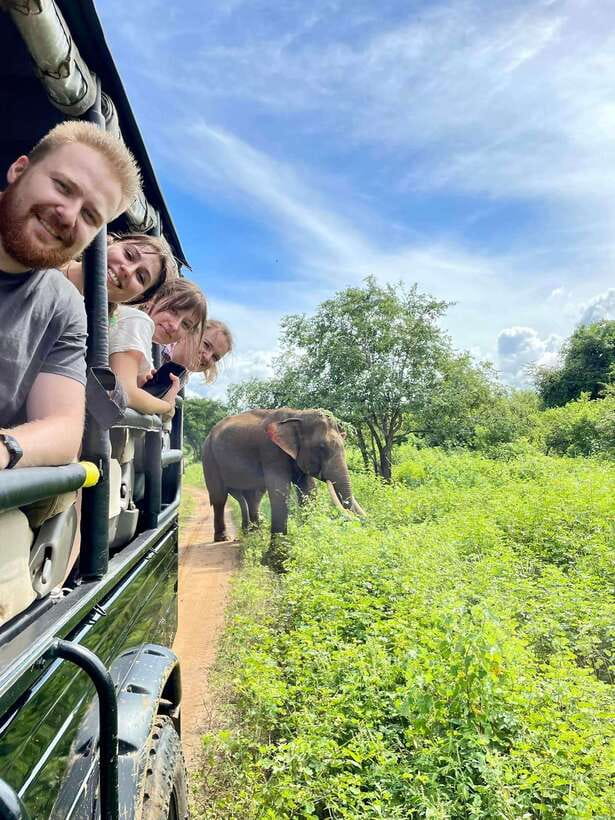
Your time inside Udawalawa National Park is about 3 hours. That’s long enough to do more than a quick drive-through, but it’s not so long that your legs and patience become a test.
During this stretch, the safari is a guided tour, with sightseeing and scenic views along the way. The practical benefit is that your guide is making the decisions about where to slow down and what to watch for. Your job is to stay ready—camera in reach, eyes scanning, and a quick reaction when the driver stops suddenly.
One consideration: on lower-activity days, those stops don’t always turn into a parade of animals. If you’re going with a strict checklist mindset (must see leopard, must see crocodile), I’d soften the expectations. A day with steady elephant sightings can still be a win, because elephants are not just big—they’re full of behavior to watch.
What You Can Do (and What You Can’t)
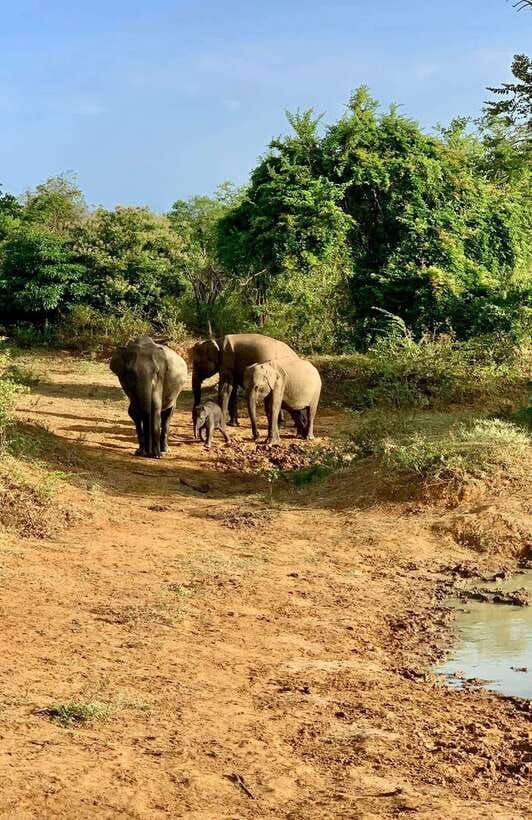
You’re allowed to take pictures of wildlife during the safari, so bring your camera plan. For best results, have a lens ready that can handle both closer subjects and farther viewing (especially if animals are cautious or at a distance). The safari also includes binoculars, which helps you confirm what you’re seeing before you frame the shot.
Alcohol and drugs are not allowed. It’s one of those rules that keeps the safari focused and respectful of safety and wildlife conditions.
The Money Question: Is $18 a Good Deal?
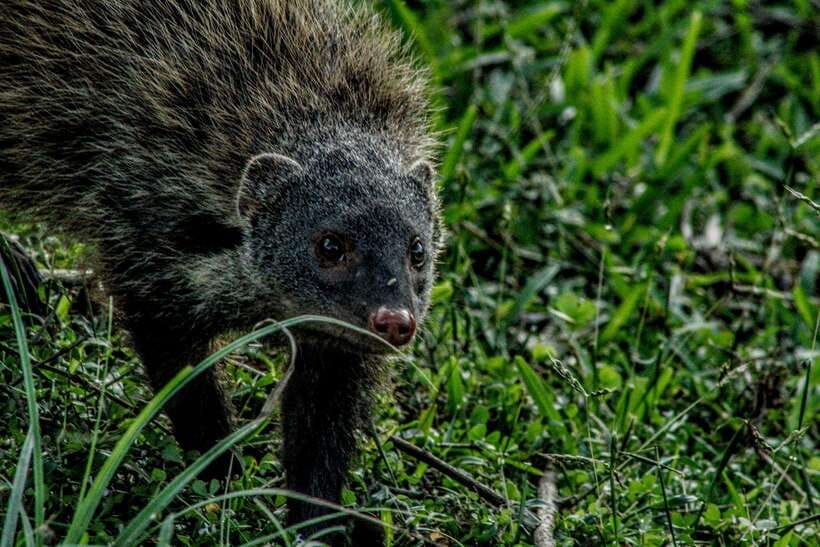
The listed price is about $18 per person, but the National Park entry tickets are not included (about $38 per adult). Food and drinks aren’t included either.
So what are you really paying for? In plain terms, you’re paying for:
- hotel pickup and drop-off in the Udawalawe area
- a guided wildlife safari experience
- a small-group 4×4 jeep setup
- binoculars included
- about 3 hours inside the park, with a reservoir photo stop
If you add park entry, the day can land around the mid-$50s per adult range before you buy snacks or lunch. That can still be good value in Sri Lanka wildlife terms, especially if you care about comfort and guidance rather than just sitting in a big bus-style tour. The biggest factor for “value” is sightings. If your day brings strong elephant viewing, you’ll feel like you got your money’s worth quickly.
Comfort and Timing: What to Expect Beyond the Park
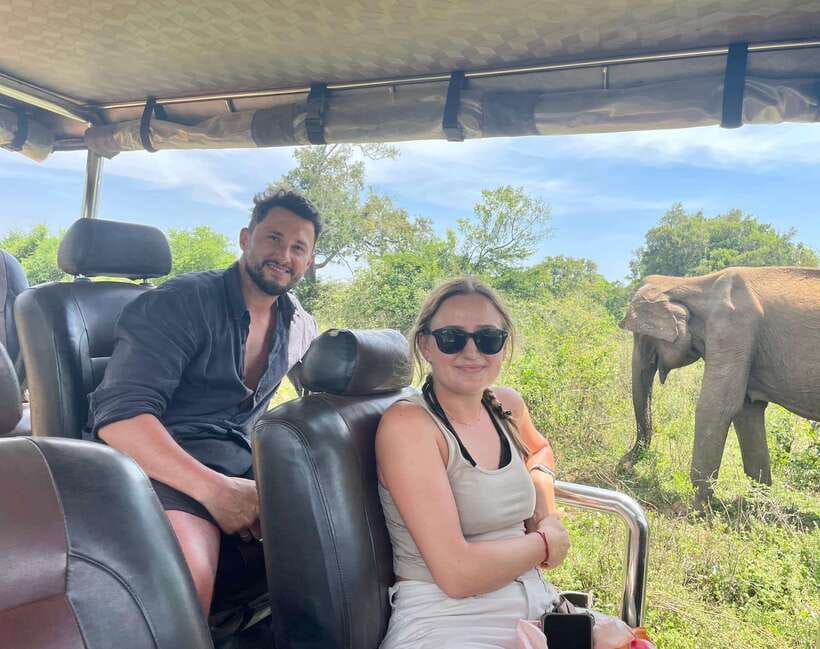
The itinerary includes travel time on both ends: about 20 minutes going in and about 20 minutes coming back. That means you should plan for a longer outing than the 3 hours in the park alone.
Also keep in mind what you’ll be doing for those hours:
- sitting in a jeep on uneven tracks
- scanning for animals
- occasionally switching between binoculars and camera
This isn’t a walking safari. It’s vehicle-based viewing, which is great for comfort, but you still want comfortable shoes and clothes you can move in.
Who This Safari Fits Best (and Who Should Skip It)
This tour is a strong match if you:
- want a guided wildlife day focused on elephants
- prefer small-group comfort with limited passengers per jeep
- like photography and want time for photo stops
- want pickup and drop-off so you’re not planning transport yourself
It’s not suitable for pregnant women or people with back problems. If you’re unsure, think about how a 4×4 jeep rides on bumpy roads and whether you can sit comfortably for the full outing.
One Smart Booking Tip: Talk to the Guide About Extras
One practical note to save you stress: there can be confusion around tipping behavior. On at least one past experience, a guide asked for tips in a way that felt unnecessary, and the cost of being surprised at the wrong moment is real.
So here’s what I recommend: before you start handing over cash or promising anything extra, ask a simple question in plain language about whether any additional gratuity is expected. Keep it respectful. Then you can relax and focus on spotting wildlife.
Should You Book This Udawalawe Safari?
If you want an elephants-first wildlife safari with small-group comfort and a guide who actually points out what to look for, I think this is a solid choice. The included binoculars and the reservoir photo stop add real value for camera lovers. Plus, the hotel pickup is the kind of convenience that makes wildlife days easier, not harder.
I’d say “maybe” only if you’re the type who needs guaranteed rare sightings like leopards. With wildlife, some days are quieter. But if you can enjoy elephants, bird life, and the general feel of Udawalawe, you’re very likely to leave happy.
FAQ
How long is the safari?
The experience duration is about 3 hours in the park, with additional travel time for pickup and drop-off.
Is hotel pickup and drop-off included?
Yes. Pickup and drop-off are included in the Udawalawe area.
Are binoculars included?
Yes, binoculars are included.
What vehicle do you use?
You ride in a luxury and comfort 4×4 safari jeep with a maximum of 6 passengers per jeep.
Is park entry ticket included in the price?
No. National Park entry tickets are not included and are about $38 per adult.
Is food and drinks included?
No. Food and drinks are not included.
Can I take photos during the safari?
Yes, you can take pictures of wildlife during the safari.
Is the tour guide available in English?
Yes. The live tour guide is available in English.
What should I bring?
Bring comfortable shoes and comfortable clothes.
Is the tour suitable for everyone?
No. It is not suitable for pregnant women or people with back problems. Alcohol and drugs are not allowed.