REVIEW · SRI LANKA
Jeep Safari at Kumana National Park
Book on Viator →Operated by Sage Tours · Bookable on Viator
Kumana keeps your eyes busy. This private jeep safari in Kumana National Park gets you out into the Ampara District, where birdwatchers come for breeding wetlands, and wildlife lovers come for big chances. I like that it’s just your group—no big bus herd—so you can react fast when your guide spots something worth stopping for.
The park’s “bird-first” reputation is real, but it’s also a place where mammals show up too.
I also like the practical touches that make a long outing feel easier: bottled water is included, and the pickup is flexible enough to start at your door. That means less fiddling around and more time focused on the view out the window—either birds on the move or a mammal silhouette in the brush.
One consideration: entrance fees to the national park are not included, so you’ll want to budget a bit more than the base price. And since it depends on conditions, expect the day to run best in good weather.
In This Review
- Key points to know before you go
- Kumana National Park: birds, wetlands, and top predators in one circuit
- Private door-to-door jeep safari in a group of up to six
- The 6-hour rhythm: making the most of time in Kumana
- Kumana Villu wetland focus: why this mangrove area is such a big deal
- Big-mammal odds from a jeep: elephants, leopards, and the fishing cat
- Price and value: $100 per group plus park entry
- When this Kumana jeep safari is the right fit
- Should you book this Kumana Jeep Safari?
- FAQ
- How long is the Jeep Safari at Kumana National Park?
- What’s included in the tour price?
- Are national park entrance fees included?
- Is this safari private or shared?
- What wildlife might I see at Kumana?
- What happens if the weather is poor?
Key points to know before you go
- Private group of up to 6 means fewer interruptions and more time for real sightings.
- Door pickup cuts down on hassle before you even enter Kumana.
- Bottled water included helps you stay comfortable during your hours in the park.
- Jeep access covers more ground than sticking to a slow walking pace.
- Kumana Villu and wetland bird habitat are a major reason birdwatchers target this area.
- Big-mammal possibilities include elephants, leopards, and even the wetland fishing cat.
Kumana National Park: birds, wetlands, and top predators in one circuit
Kumana National Park is large—35,664 hectares—and it sits in a setting that mixes water, mangroves, and wildlife corridors. If you picture Sri Lanka as only beaches or old temples, Kumana is the reminder that the island also has serious wetland country. This park has a western boundary marked by River Kumubukkan Oya, and its southern stretch connects toward the south-eastern coast.
The wetland side matters because it supports nesting and feeding cycles. Inside the park, there’s a 200-hectare mangrove swamp called Kumana Villu. At times, it gets inundated with sea water, and that salt-and-fresh mix supports the kind of habitat where water birds gather and nest. The park notes that many water birds nest during May and June, which is when the birdwatching potential is especially high.
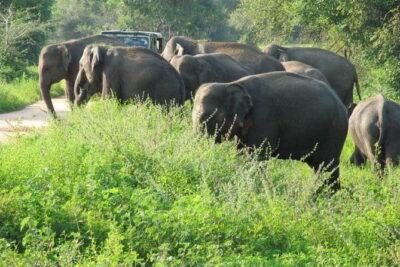
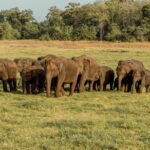
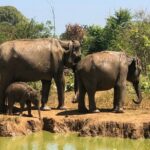
Now for the part that makes this safari appeal beyond bird lists: Kumana isn’t just birds. The wildlife you’re hunting can include jackals, elephants, leopards, and the endangered wetland fishing cat. That combination is why Kumana tends to attract two types of people—serious birders and big-wildlife watchers—and both groups find enough to keep them interested.
You can also read our reviews of more tours and experiences in Sri Lanka.
Private door-to-door jeep safari in a group of up to six
This is a private tour, so it’s you and your group. The pricing is $100 per group (up to 6), and the math gets better as more people share the cost. In other words, it’s not the kind of tour that only makes sense for solo travelers; it’s designed for small groups who want a more flexible day.
The tour also includes private transportation and a jeep approach for getting around inside the park. That’s important in Kumana because a jeep doesn’t just get you from point A to point B—it helps you position yourself when your guide sees movement. In a wildlife setting, timing can beat luck.
You also get pickup offered, and the tour is described as starting at your door with flexibility. For you, that can mean a smoother start, especially if you’re staying in or near Arugam Bay. Less transit stress also means you’re more likely to be alert when the good moments start happening.
The 6-hour rhythm: making the most of time in Kumana
Your safari runs for about 6 hours. That length is long enough for proper wildlife searching, but not so long that you’re exhausted and cranky before anything good happens. It’s a good middle ground for people who want a full wildlife experience without turning the day into a marathon.
Inside Kumana, the big advantage of the jeep format is that you can cover more ground than on foot. That matters in a park where different species use different habitats—open water edges for bird activity, thicker cover for mammals, and water-rich zones where predators and prey overlap. A jeep route lets you shift faster between those micro-areas as conditions change.
What makes that work better is having help that’s tuned to wildlife spotting. The tour highlights that your guide improves your chances. And that’s exactly what you want: not just someone who can drive, but someone who can read the landscape—watching for signs and listening for cues you might miss if you’re scanning on your own.
Kumana Villu wetland focus: why this mangrove area is such a big deal
One of the most distinctive habitat names in Kumana is Kumana Villu. It’s a 200-hectare mangrove swamp inside the park, and the park notes it can be occasionally inundated with sea water. That detail isn’t trivia for trivia’s sake. It helps explain why the wetland attracts water birds for nesting and feeding.
When wetlands mix in this way, you tend to get a strong food chain. More fish and invertebrates can mean more birds. More birds can mean more predators. That creates the kind of wildlife ripple you’re looking for on a safari day.
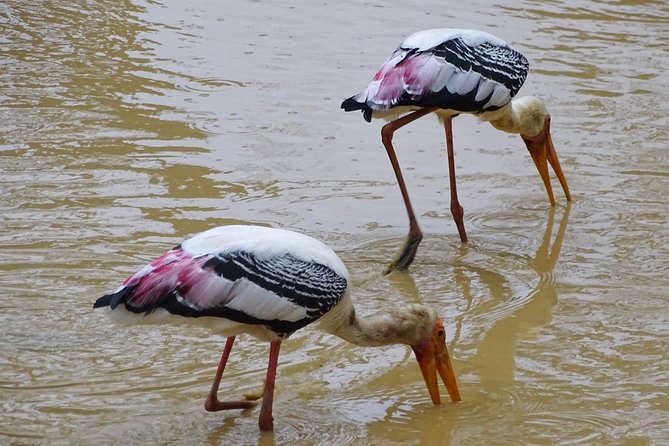
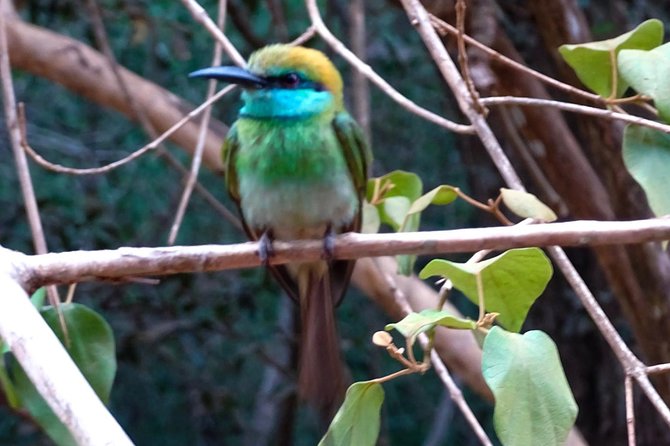
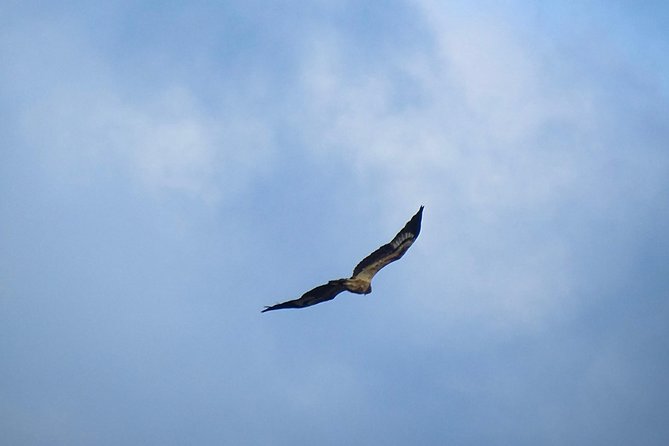
If you’re a birdwatcher, this is the part you’ll likely care about most. The park information points out that Sri Lanka records more than 430 bird species across endemic, resident, and migrant birds, and that birdwatchers can often watch over 200 species easily in the right spots. Kumana’s wetland zones are one of the reasons birding here can feel unusually productive.
Even if you’re not a hardcore birder, you’ll still appreciate the bird energy. Birds are often the first sign that an area is active. When your guide is steering toward bird-rich zones, it’s also a method for finding where other animals might be moving nearby.
Big-mammal odds from a jeep: elephants, leopards, and the fishing cat
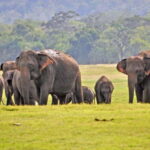
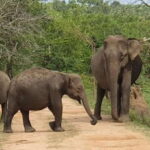
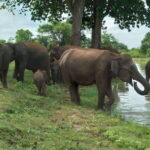
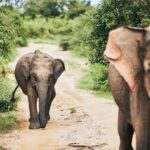
Kumana’s “wow list” includes jackals, elephants, and leopards, plus the endangered wetland fishing cat. Let’s be real: you can’t treat a safari like a guaranteed show. But you can stack the odds in your favor with the right setup, and this jeep approach is built for that.
Jeep driving changes your odds because it helps with positioning. You can pause where your guide sees the best chances, and you can move when something shifts. In a place like Kumana, wildlife doesn’t stay in one scene for long. It moves, hides, and reappears on the edges of what you can see.
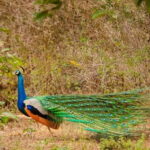
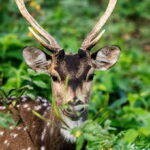
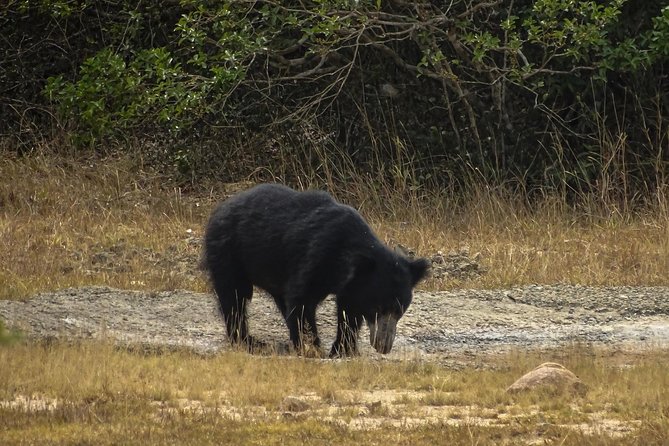
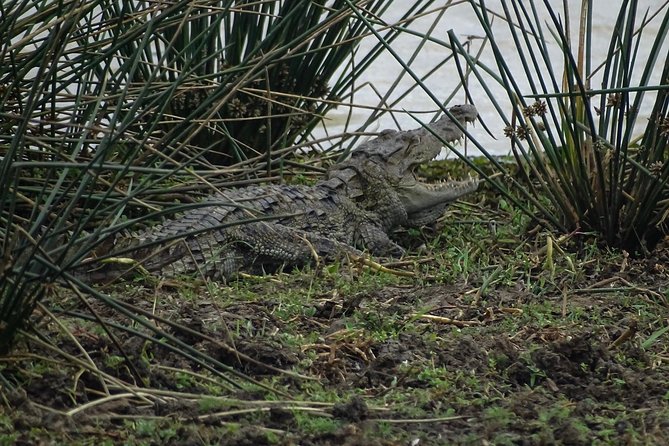
This is also one of those places where the day can surprise you beyond the top names. The safari experience has included sightings such as sleuth bear, crocodiles, wild pigs, and plenty of birds and other wildlife alongside the big cats. I’d file that under a practical expectation: if you only focus on elephants and leopards, you’ll miss some of the fun. Keep your attention broad and you’ll have more chances to enjoy the moment, even if the leopard doesn’t appear right away.
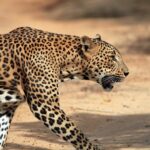
One more thing: leopards are a special kind of challenge in any safari setting. The payoff tends to come when your guide times stops and reads behavior from a distance. If your guide is good at spotting and steering, you can go from seeing only tracks to seeing the animal itself. That’s the difference between a normal wildlife drive and a memorable one.
Price and value: $100 per group plus park entry
Let’s talk money like adults. The safari costs $100 per group for up to 6 people, for about 6 hours. That price includes private transportation and bottled water.
The main extra cost you need to plan for is entrance fees to the national park, since those are not included. So your real budget is the tour price plus whatever the entry fees add up to on your travel day.
Is it good value? It usually is if you’re traveling as a small group. With up to six people sharing, the cost per person can drop a lot compared with tours priced per traveler. You’re also paying for something concrete: private movement in a jeep, flexible pickup, and a guide focused on wildlife spotting. Those are the ingredients that make time inside Kumana count.
If you’re traveling solo or as a couple, it can still be worth it if you value the private format and don’t want to share the experience. Just be honest with yourself: you’ll likely pay more than a shared group option.
When this Kumana jeep safari is the right fit
This safari fits best if you want:
- A small, private group experience rather than a crowded outing
- A wildlife-focused day that leans on a guide’s spotting skills
- A mix of wetland bird habitat and larger mammals in the same park
- A setup that covers more ground with a jeep instead of slow walking
It’s especially appealing if you’re already in the Arugam Bay area and want one of the region’s more wildlife-leaning adventures. And if you’re the kind of person who enjoys waiting, scanning, and reacting fast when something appears, you’ll fit right in.
Should you book? If you’re aiming for a true nature day in Sri Lanka that goes beyond headlines, this is a strong pick.
Should you book this Kumana Jeep Safari?
I’d book it if you meet two conditions. First, you’re traveling with a group large enough to share the $100 per group cost. Second, you’re comfortable with the real safari rhythm: patience, scanning, and taking the day as it comes based on what the park is showing that morning and afternoon.
Skip it—or at least rethink it—if you’re trying to minimize all extra spending. Entrance fees aren’t included, and the best wildlife days still depend on good weather.
If you want a private jeep day in Kumana that targets birds, wetlands, and serious mammals, this one is built for exactly that.
FAQ
How long is the Jeep Safari at Kumana National Park?
It’s approximately 6 hours.
What’s included in the tour price?
The tour includes private transportation and bottled water.
Are national park entrance fees included?
No. Entrance fees to the National Park are not included.
Is this safari private or shared?
It’s a private tour, and only your group will participate.
What wildlife might I see at Kumana?
The safari highlights chances to see jackals, elephants, leopards, and the endangered wetland fishing cat. You may also spot other wildlife and a wide range of birds.
What happens if the weather is poor?
The experience notes that it requires good weather. If it’s canceled due to poor weather, you’ll be offered a different date or a full refund.