REVIEW · SEWARD
Full-Day Kenai Fjords National Park Cruise
Book on Viator →Operated by Major Marine Tours · Bookable on Viator
This cruise turns Seward into a front-row seat to glaciers. Two active tidewater glacier stops plus wildlife watching around Resurrection Bay makes the day feel like a greatest-hits tour. I especially liked the onboard naturalist narration, with guides such as Captain Gary and Captain Marcella calling out what you’re actually seeing.
The biggest drawback is also the most honest one: this route goes out into the open Gulf of Alaska, so motion sickness-prone folks should plan carefully. If you’re prone to seasickness, the half-day options that stay closer to calmer water are the safer bet.
In This Review
- Key Points at a Glance
- Setting Off From Seward: What the Day Feels Like
- The Route: Resurrection Bay to Kenai Fjords in One Go
- Bear Glacier and Holgate Glacier: Two Active Calving Stops
- Aialik Bay: When Tidewater Glaciers Put on a Show
- Wildlife Watching: Who You Might See and Where It Makes Sense
- Seabird Colonies and the Chiswell Islands or Cape Resurrection Call
- Onboard Comfort: Heated Cabin, Binoculars, and Lunch That Actually Helps
- The Captain and Naturalist Difference: How the Day Improves When People Know What They’re Doing
- Seasickness Reality Check: Plan for the Open Gulf Part
- Weather and Visibility: What You Can Control
- Value for Your Money: Why This One Costs What It Costs
- Who This Cruise Fits Best
- Should You Book Full-Day Kenai Fjords on This Catamaran?
- FAQ
- How long is the Full-Day Kenai Fjords National Park cruise?
- Does this cruise visit more than one glacier?
- Is lunch included, and what options are available?
- Is there indoor seating and a heated cabin?
- What should I know about seasickness?
- What happens if the trip is canceled due to weather?
Key Points at a Glance
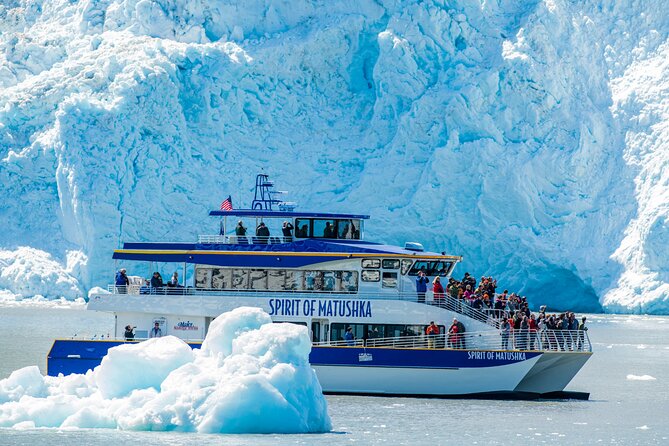
- Two actively calving tidewater glaciers with time close enough to watch ice break off
- Aialik Bay for calving drama, plus an excellent chance to see big wildlife out at sea
- Heated cabin + reserved indoor seating, so you’re not stuck freezing on deck all day
- Binoculars included, plus a naturalist who helps you spot and understand what’s out there
- Good odds for wildlife variety, from sea otters and Steller sea lions to puffins and whales
- Weather-driven flexibility, including seabird colonies at Chiswell Islands or Cape Resurrection
Setting Off From Seward: What the Day Feels Like
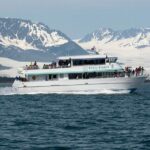
You start with a real day trip schedule: the cruise runs about 7.5 hours, departing at 9:30 a.m. and returning around 5:00 p.m. That timing matters. It gives you daylight for glacier viewing and enough hours for a steady wildlife hunt without rushing you.
The boat spends time moving through Resurrection Bay first, then pushes farther out where the Gulf of Alaska can get choppy. On calm days, it feels smooth and scenic. On windier days, you’ll want to be ready with layers and a strategy for motion.
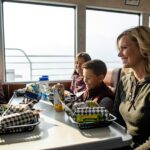
One practical win: this ship has a heated cabin and reserved seating inside, so you’re not playing musical chairs with people who arrived early. You can also circulate—get your photos, then duck back inside when the breeze turns colder.
You can also read our reviews of more tours and experiences in Seward.
The Route: Resurrection Bay to Kenai Fjords in One Go
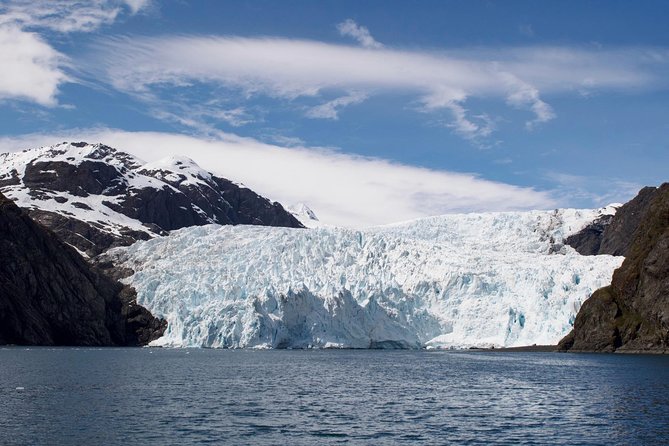
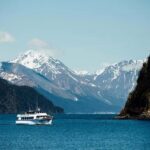
This isn’t a quick “look and leave” cruise. You travel about 130 miles roundtrip, running through Resurrection Bay into Kenai Fjords National Park. That distance is part of the value, because it increases your chances of hitting different wildlife hotspots.
Here’s what I think you should care about: the itinerary gives you both protected-water viewing and more open-water action. That mix helps explain the wildlife variety you can get—seabirds and sea lions tend to show differently depending on where the ship is.
Also, the cruise is capped at up to 150 travelers. It’s big enough to be comfortable and well-run, but not so huge that you feel lost in a crowd all day.
Bear Glacier and Holgate Glacier: Two Active Calving Stops
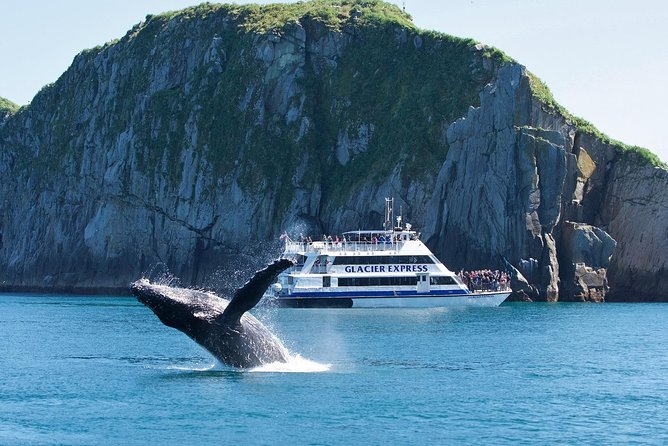
The glacier portion is built around a simple idea: you don’t just want to see ice. You want to see it change in real time.
You’ll pass Bear Glacier first. It’s a piedmont glacier and the largest glacier in Kenai Fjords National Park, which is exactly the kind of detail your naturalist will help you translate into something visual. Expect thick ice and a dramatic shoreline presence.
Next comes Holgate Glacier, another actively calving tidewater glacier. You spend about 20 minutes in front of each glacier, floating among icebergs while you watch calving. Twenty minutes doesn’t sound long until you’re the one staring at a wall of ice waiting for the crack.
A possible downside: conditions can change the viewing. If weather fogs up windows (some decks have less clear visibility in certain conditions), you may feel like you’re watching through a damp camera lens. Dress for the full day, but also plan to use both indoor seating and outdoor views as the weather shifts.
Aialik Bay: When Tidewater Glaciers Put on a Show
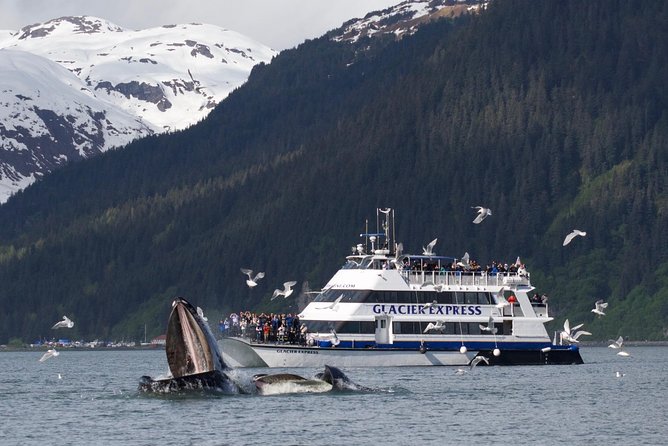
If you want the headline moment, Aialik Bay is where it happens. You round Cape Aialik (pronounced I-al-ik) and get your first solid look at Aialik Glacier, an active tidewater glacier.
Here, the cruise does what you came for: it stops in front of the glacier and you watch calving, where chunks of ice break off and crash into the water. That sound is part of the experience. It’s not a silent postcard.
This is also a great place to understand why people love this kind of cruise. Tidewater glaciers are alive. They’re not frozen in time. Seeing ice collapse into the sea turns “glacier” from a word into a living process.
You also benefit from timing. Because you’re spending real time in front of the glaciers, you’re more likely to catch calving events rather than just seeing the ice from a distance and moving on.
Wildlife Watching: Who You Might See and Where It Makes Sense
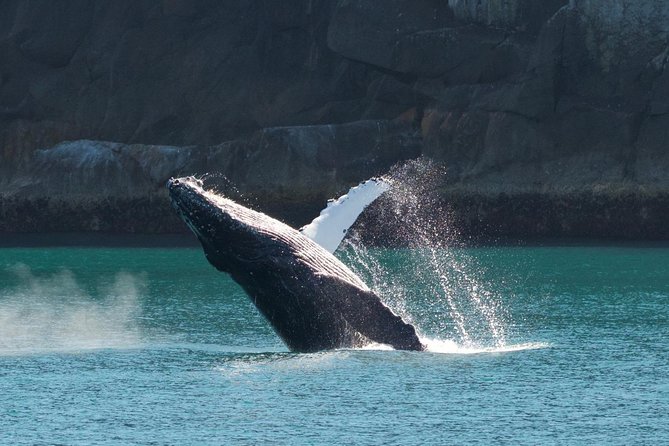
Wildlife is never guaranteed. But this itinerary is set up to maximize your odds across several habitats.
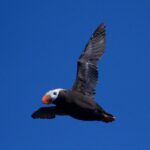
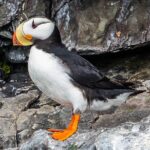
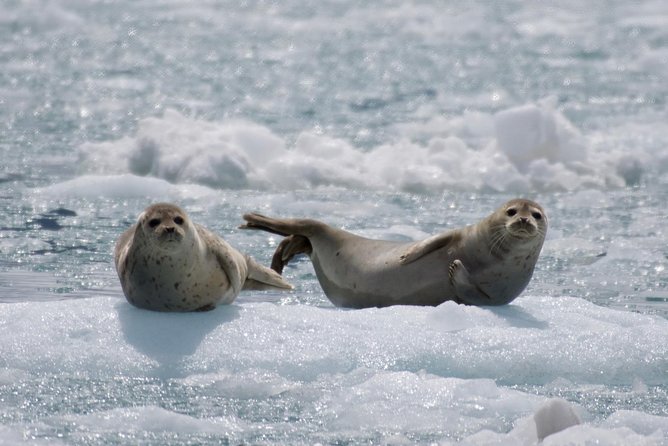
In Resurrection Bay and around the national-park waters, you’re in the right zone for marine mammals. Based on what has been seen on past trips, you might spot Steller sea lions, sea otters, bald eagles, and mountain goats along rocky coastal areas. You may also see seabirds like puffins, kittiwakes, and cormorants, especially around places where the captain can get close to nesting areas.
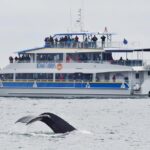
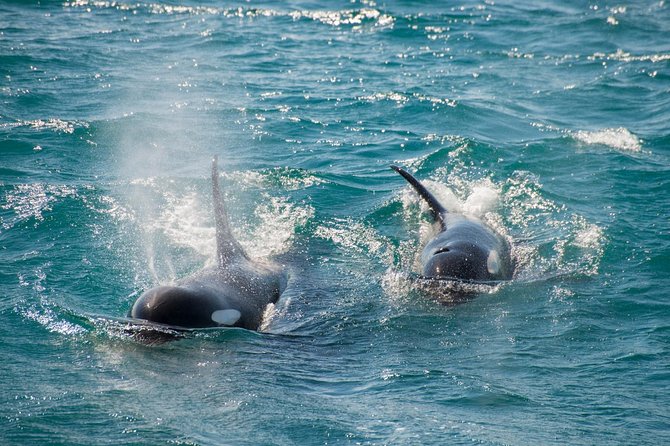
Whales are the big draw. Past runs have included humpback whales and orcas, plus sightings of other whales. One particularly memorable highlight you should keep in mind is humpback bubble-net feeding—a cooperative feeding behavior where whales work together to herd prey. Even if you’re not guaranteed that specific behavior, your chances improve because the crew actively works the water for sighting opportunities.
A fair warning: some people finish the day wanting one more whale moment and don’t get it. If orcas are your only must-see species, keep your expectations flexible and focus on the full wildlife spread instead of one checkbox.
Seabird Colonies and the Chiswell Islands or Cape Resurrection Call
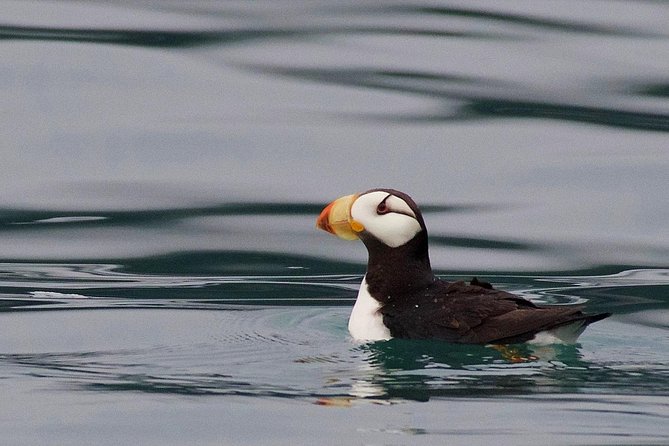
Depending on weather, you’ll either cruise toward the Chiswell Islands or Cape Resurrection. These areas are known for thousands of nesting Alaskan seabirds, including puffins, kittiwakes, and cormorants.
What makes this stop valuable is the approach: the captain stops the boat very close to the nesting areas for strong photo opportunities. That closeness can change how you see birds—suddenly they aren’t just “dots” on a cliff. They’re active, noisy, and busy.
This is also where you’ll often notice how the landscape and wildlife mix, even if you only have a quick glance before the ship moves again. If you’re the type who loves bird detail, you’ll be glad they build in this option.
Onboard Comfort: Heated Cabin, Binoculars, and Lunch That Actually Helps
This tour does comfort the way Alaska often demands: you dress warm, but you’re also given a place to thaw out.
You get reserved seating inside a heated cabin, plus access to restroom on board. Water, coffee, and tea are included, which is a simple but smart inclusion when you’re spending hours near cold spray.
Binoculars are provided. That matters more than you might think. With small birds and distant wildlife, good binoculars turn guesswork into focus. You’ll also get help from the onboard naturalist narration on what you’re looking at and where to look next.
Lunch is a complimentary deli sandwich with turkey, roast beef, or vegetarian options. It’s not a fancy sit-down meal, but it’s warm food you can keep down if the water gets choppy. And if you’ve ever done a glacier day without eating, you know why that’s not a minor detail.
Alcohol isn’t included, but it’s available to purchase. If you’re prone to motion sickness, don’t make the situation worse with extra alcohol. Stick to water and tea if you need your stomach on your side.
The Captain and Naturalist Difference: How the Day Improves When People Know What They’re Doing
This is one of those tours where the narration isn’t “background.” It’s part of the viewing.
The onboard naturalist provides fully narrated commentary—and the best part is how it ties sights to context. You learn why a glacier calving event matters, what certain birds are doing, and how wildlife use the water and coastline.
Crew and captains also seem to work the ship to get the best views while respecting animals. In past departures, guides such as Captain Gary, Captain Clint, Captain Nicole, and Captain Marcella (with crew leads like Jordan mentioned in past experiences) have helped passengers feel safe and cared for—especially when conditions turned rough for a stretch.
If you’re the kind of traveler who gets restless when the day is just “look around and hope,” this added expertise usually makes the hours feel purposeful.
Seasickness Reality Check: Plan for the Open Gulf Part
Let’s be direct. The cruise goes far enough into the open Gulf of Alaska that it can get rough. It’s not recommended for anyone prone to motion sickness.
If you are unsure, I recommend treating this as a “plan as if it will be bumpy” day, not a “maybe it’s fine” day. One practical tip that has helped: take Dramamine at least an hour before you reach the rougher water. On similar itineraries, the wavier stretch can start about 30–40 minutes after departure.
And yes, the breeze can bite even when the sky looks friendly. Bring warm layers, a hat, and something windproof. Even if you stay mostly inside, you’ll want outdoor time for glacier calving and whale spotting.
Weather and Visibility: What You Can Control
This cruise operates in all weather conditions, as long as you dress for it. That’s a big deal in Alaska, where “weather” can mean clear sun one minute and sleet the next.
The good news: the ship has a heated cabin and the day isn’t locked into one single viewing angle. You can swap between indoor comfort and deck viewing as conditions change.
If you do hit fog or window issues on a specific deck, it’s not the end of the day. Just adjust where you sit and when you step out. Glacier ice and seabirds can still be clearly spotted once you find the best viewing side.
Also, the experience needs decent conditions to run. If the trip is canceled due to poor weather, you’ll be offered a different date or a full refund.
Value for Your Money: Why This One Costs What It Costs
At $297.33 per person for about 7.5 hours, you’re paying for more than transportation. You’re paying for distance, glacier time, and the naturalist-led interpretation that makes the sightings click.
Here’s the value equation I’d use:
- Two active tidewater glacier stops with meaningful time in front of ice that’s actively calving
- A full day that covers Resurrection Bay, Kenai Fjords waters, and wildlife zones rather than one quick pocket
- Heated indoor seating + included drinks and lunch, which can save you money and keep you comfortable
If your alternative is a shorter cruise that doesn’t reach as far out, you’re likely trading away wildlife and glacier time. Based on what people rave about, this longer push is a big reason the day feels like a true expedition rather than a sightseeing loop.
Who This Cruise Fits Best
This works best if you want a classic Kenai Fjords day with real glacier drama and multiple wildlife environments.
It’s also a great fit if you:
- Want to see two active tidewater glaciers in one trip
- Like learning while you watch (naturalist narration is a core part of the value)
- Prefer warm indoor seating instead of trying to tough it out outdoors all day
It’s less ideal if you:
- Are highly prone to motion sickness and don’t want to risk open-water chop
- Need guaranteed whale sightings of one specific species (whales are wild and can be unpredictable)
Should You Book Full-Day Kenai Fjords on This Catamaran?
Yes, if you want a high-likelihood day built around real calving glaciers and a steady wildlife chase. The combination of Aialik Bay, Bear Glacier, and Holgate Glacier is the core reason this cruise stands out, and the onboard comfort makes it manageable even when the weather shifts.
Book it with two clear expectations. First: wildlife can be spectacular or slightly quiet depending on what the sea is doing that day. Second: this is an open-water day, so plan for motion.
If those two points work for you, this is one of the best ways to turn Seward into a full-day Kenai Fjords story instead of a half-day preview.
FAQ
How long is the Full-Day Kenai Fjords National Park cruise?
It runs for about 7.5 hours, departing daily at 9:30 a.m. and returning around 5:00 p.m.
Does this cruise visit more than one glacier?
Yes. You’ll see Bear Glacier and then Holgate Glacier, and you’ll also stop in Aialik Bay for Aialik Glacier calving.
Is lunch included, and what options are available?
Lunch is included as a deli sandwich. Options are turkey, roast beef, or vegetarian.
Is there indoor seating and a heated cabin?
Yes. The cruise includes reserved seating inside a heated cabin, plus restroom access on board.
What should I know about seasickness?
Because the route goes into the open Gulf of Alaska, it’s not recommended for people prone to motion sickness. If you’re sensitive, plan accordingly and dress for cold wind and choppy water.
What happens if the trip is canceled due to weather?
If canceled due to poor weather, you’ll be offered a different date or a full refund.