REVIEW · SRI LANKA
Kumana National Park Half Day Jeep Safari
Book on Viator →Operated by Arugambay Tours · Bookable on Viator
Kumana brings birds close fast. A half-day jeep safari from Arugam Bay is a smart way to see Kumana National Park without eating your whole day, with hotel pickup and drop-off plus a dedicated 200-hectare birdwatching zone (especially meaningful in May and June). It also works as a calm, focused outing inside a huge reserve of 35,664 hectares, where reptiles and turtles sit on the same agenda as birds and larger animals.
My other big plus is how the experience is run with time in mind: a punctual pickup and a driver who keeps things smooth so you can actually enjoy the sightings window. The main consideration is that the safari needs good weather, and if you choose the afternoon slot you’ll be dealing with the park’s peak heat.
In This Review
- Key highlights at a glance
- Kumana Jeep Safari From Arugam Bay: Why This Half-Day Option Makes Sense
- Morning vs Afternoon: Choosing Between Sunrise Quiet and Afternoon Heat
- The Safari Route at Kumana National Park: What You’re Actually Watching For
- Birdwatching at Kumana’s Special 200-Hectare Area (May–June)
- Wildlife Possibilities: A Realistic Checklist of Species to Scan For
- Jeep Safari Comfort, Pickup Rhythm, and the Private-Group Feel
- Price and Value: Is $94 Per Person a Smart Safari Spend?
- What to Bring (and How to Pick the Right Slot)
- Should You Book This Kumana National Park Half-Day Jeep Safari?
- FAQ
- How long is the Kumana National Park half-day jeep safari?
- Where does the safari start and end?
- Does the tour include hotel pickup?
- What is the price per person?
- Is admission to Kumana National Park included?
- Is it private for my group?
- Are there different time options?
- Is there a birdwatching area inside the park?
- What kinds of animals and birds might I see?
- What happens if the weather is poor?
Key highlights at a glance
- Arugam Bay hotel pickup and return keeps logistics easy for a half-day plan
- Birdwatching first: a special 200-hectare area is set aside for bird watching in May and June
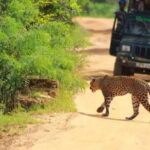
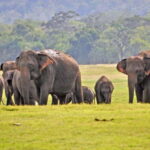
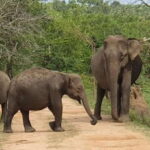
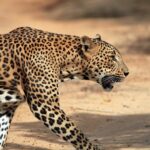
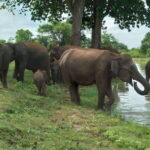
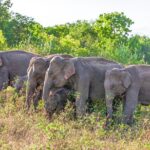
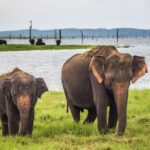
- Wildlife viewing on one route: elephants, leopards, jackals, crocodiles, and turtles are all on the possible list
- Reptiles and turtles included as a clear part of what you’re looking for
- Admission ticket included for the park portion of the outing
- Private for your group feel, even though you may see group discount options
Kumana Jeep Safari From Arugam Bay: Why This Half-Day Option Makes Sense
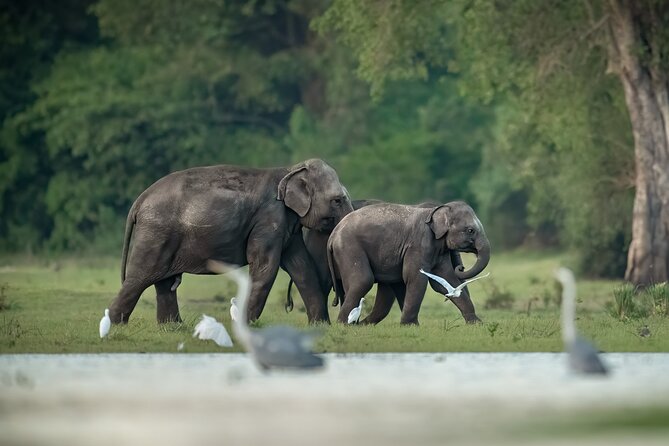
Kumana National Park covers a massive 35,664 hectares, so trying to see much of it on your own can turn into a guessing game. This half-day jeep safari gives you a structured way to cover ground with a clear goal: birds, reptiles (including crocodiles), turtles, and the chance at bigger wildlife.
The other thing I like is that the day is built for flexibility. You can pick a morning outing when conditions are typically more comfortable, or choose an afternoon run when the sun and heat are at their strongest. That choice matters because Kumana is a place where you’re moving and scanning for animals, and comfort affects how much you enjoy the time outside.
There’s also a practical side that’s easy to overlook: admission is included, and you get pickup from Arugam Bay and return to the same meeting point. For a safari, that means less time sorting paperwork and more time in the field.
You can also read our reviews of more tours and experiences in Sri Lanka.
Morning vs Afternoon: Choosing Between Sunrise Quiet and Afternoon Heat
The tour is offered in two styles: one that lines up with the outbreak of the morning sun, and another during the peak afternoon heat. If you’re the kind of person who wants better light for spotting birds and a calmer start, the morning slot is the obvious pick.
If you’re chasing an afternoon wildlife rhythm, the hotter timing can still work. The park is active across the day, and jeep time means you’re not hiking in the sun. Still, the afternoon option is for people who don’t mind heat while they search through grasses and watery edges.
My practical advice: choose your slot based on your comfort level with sun and time outdoors. If you know you’ll rush or get cranky when it’s hot, go morning and keep the experience enjoyable from start to finish.
The Safari Route at Kumana National Park: What You’re Actually Watching For
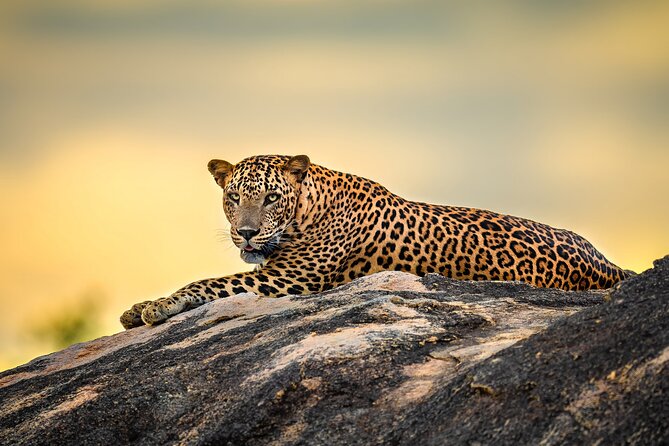
This experience is one main stop: Kumana National Park. The value is that it’s not just a generic “drive around” idea. Your sightings focus is clearly set up, with bird watching as a standout, plus reptiles and turtles as part of the core plan.
Here’s what you can expect to look for while the jeep is moving and stopping for scanning:
- Bird watching: Kumana is known for bird activity, and there’s a special 200-hectare area set aside for bird watching in May and June. That seasonal focus is a big reason the area is so popular.
- Reptiles and turtles: the safari highlights reptiles and turtles as a normal part of the outing, not a side bonus.
- Broader wildlife spotting: your guide route aims to give you moments for seeing multiple animal types in one half-day window.
Because the park is huge, you’ll feel like you’re getting variety without needing full-day logistics. It’s also helpful that the tour is set to run roughly 4 to 6 hours, which is long enough to settle into the spotting rhythm.
Birdwatching at Kumana’s Special 200-Hectare Area (May–June)
One of the most interesting details is that about 200 hectares inside Kumana are allocated solely for bird watching during May and June. That’s the kind of setup you notice immediately because it signals two things: bird life is a primary reason this park is worth visiting, and the viewing area is planned with bird watchers in mind.
If you’re traveling during May or June, this is where your time is likely to feel most focused. Instead of trying to “just look around,” you’re positioned for bird spotting in an area designed for it.
In practical terms, this is also why you’re offered both morning and afternoon timing. Birds can be active at different times, and your chance of seeing more species improves when you’re not forcing yourself into only one schedule.
Wildlife Possibilities: A Realistic Checklist of Species to Scan For
Kumana’s appeal isn’t only birds. The safari’s sighting list includes reptiles, turtles, and larger mammals that make the drive feel exciting instead of routine.
While you shouldn’t expect every species every time, this is a useful checklist of what your scan may turn up inside the park:
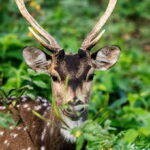
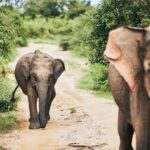
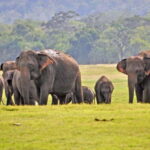
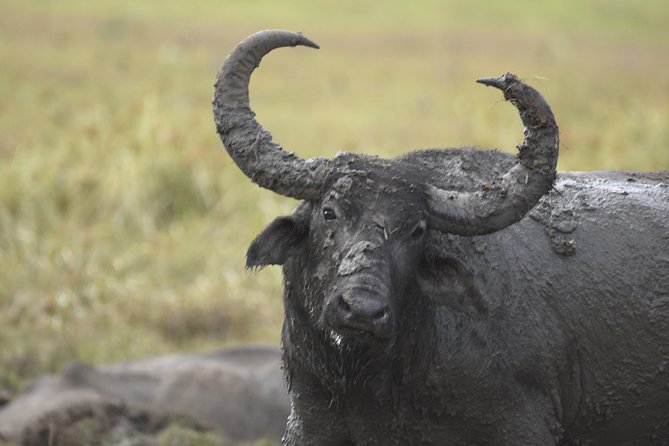
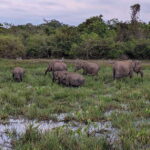
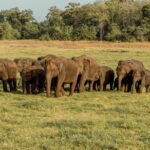
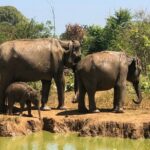
Mammals (on the possible list): elephants, leopards, golden jackal, and wild boars.
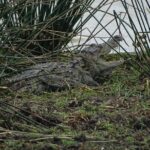
Reptiles and wetlands animals (on the possible list): mugger crocodile and European otter.
Turtles and aquatic life (on the possible list): turtles are explicitly part of what the safari aims to show.
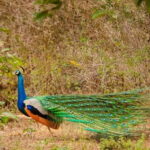
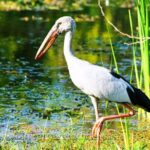
Birds you might spot include: pelicans, painted storks, Lesser Whistling Glossy Ibis, purple heron, great egret, intermediate egret, Indian pond heron, spoonbills, white ibis, herons, egrets, and duck black-crowned night heron.
Even if you only catch a handful of these, the mix is the point. You’re not watching one “thing.” You’re moving through a park where birds, water edges, and wildlife crossings can all matter in the same half-day.
Jeep Safari Comfort, Pickup Rhythm, and the Private-Group Feel
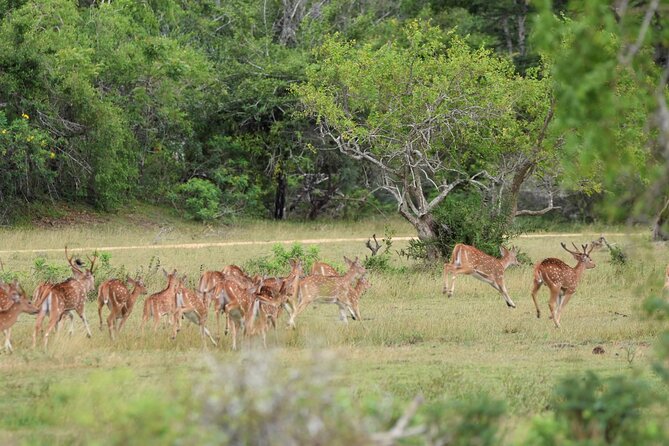
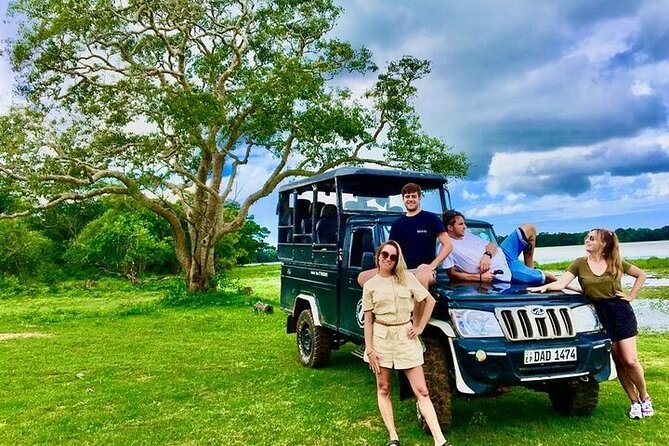
This is built around convenience for people staying in Arugam Bay. You’re picked up from your hotel in Arugam Bay and then returned back to the same meeting point at the end. That reduces the hassle of getting yourself to a far park on your own schedule.
The experience is also private in the sense that only your group participates. If you’re traveling with friends or family, that matters for two reasons. First, you’re not sharing the jeep with strangers you didn’t plan for. Second, it keeps the pacing and photo stops more natural for your group.
One more detail from real feedback: the driver was described as super punctual and willing to take time rather than rush the outing. That kind of pacing can make or break a safari that lasts only about 4 to 6 hours. When the timing is tight, you want the ride to feel respectful of your actual spotting time.
Price and Value: Is $94 Per Person a Smart Safari Spend?
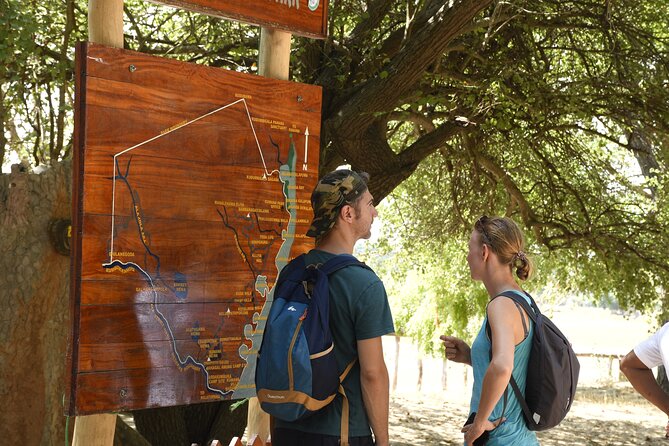
At $94 per person, this half-day safari sits in a reasonable zone for a national-park jeep experience, especially because a few key items are included: admission ticket is part of the package, and pickup is handled.
For value, I look for three things, and this one checks them:
- Time efficiency: you get a focused safari run without spending a whole day traveling and figuring things out.
- Park entry included: the tour explicitly includes the admission ticket portion.
- Convenient door-to-park flow: hotel pickup and return from Arugam Bay saves you both time and stress.
There’s also a small planning advantage: on average, this is booked about 18 days in advance, so you’ll want to lock in your preferred time slot early if you’re aiming for a specific morning or afternoon schedule. If you’re traveling in a group, ask about group discounts since they’re listed as a feature.
If you want a safari outing that feels organized and time-friendly, this price structure aligns well with what you’re getting.
What to Bring (and How to Pick the Right Slot)
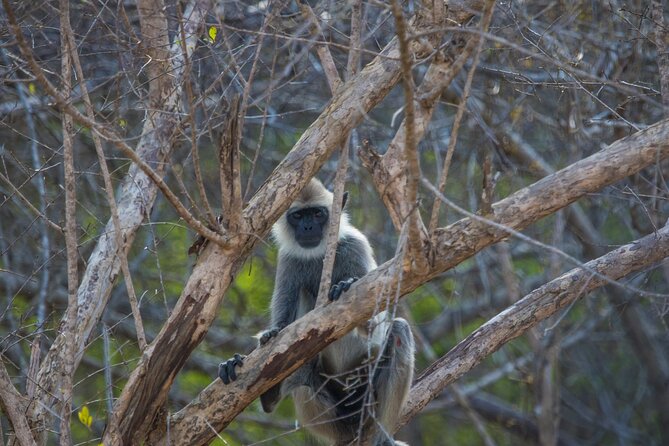
You’re out in Kumana for several hours, and the tour offers both morning and peak afternoon heat. So your packing list should match that reality.
I’d plan for:
- Sun protection: hat/cap and sunscreen are practical for the afternoon slot.
- Light layers: mornings can feel cooler, while afternoons can feel punishing.
- A water plan: even during a half-day, you’ll be scanning outdoors and moving in sun.
If bird watching is your priority, pick the timing that fits you best and gives you the energy to stay alert. A safari works best when you’re not rushing through it.
Also, because the experience requires good weather, keep an eye on conditions as your date gets closer. If weather turns, the plan may shift.
Should You Book This Kumana National Park Half-Day Jeep Safari?
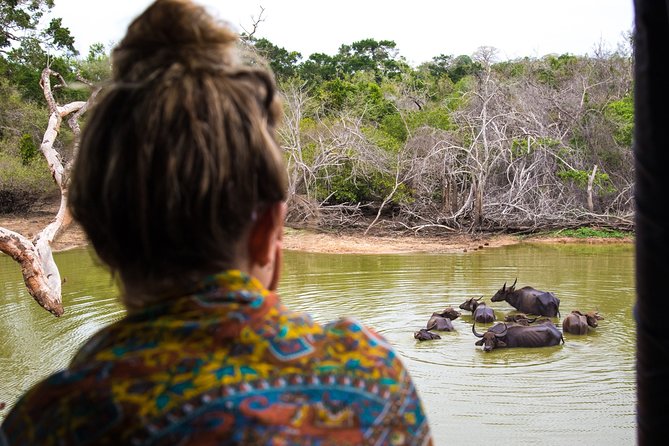
Book it if you want a straightforward safari with pickup from Arugam Bay, admission handled, and a clear emphasis on birds plus reptiles and turtles. The May–June birdwatching setup in a dedicated 200-hectare area is a real draw if your travel dates match that window.
Skip it or choose a different plan if you hate heat and sun, since the afternoon slot is specifically described around peak heat. Also, if your travel dates have unstable weather, remember this experience depends on good conditions.
If you want a half-day that feels efficient, focused, and worth the money because it includes park access and transportation, this one is an easy yes.
FAQ
How long is the Kumana National Park half-day jeep safari?
It runs about 4 to 6 hours.
Where does the safari start and end?
It starts in Arugam Bay, Sri Lanka and ends back at the meeting point, returning you to where you began.
Does the tour include hotel pickup?
Yes. Pickup is offered from Arugam Bay and you are dropped back at your hotel.
What is the price per person?
The price is $94.00 per person.
Is admission to Kumana National Park included?
Yes. The tour includes an admission ticket.
Is it private for my group?
Yes. It’s described as a private tour/activity, with only your group participating.
Are there different time options?
Yes. You can choose between a morning safari around sunrise and an afternoon safari during peak heat.
Is there a birdwatching area inside the park?
Yes. About 200 hectares is allocated for bird watching during May and June.
What kinds of animals and birds might I see?
The tour highlights sightings such as elephants, leopards, golden jackal, wild boars, European otter, mugger crocodile, turtles, and many birds including pelicans, painted storks, purple heron, great egret, spoonbills, and herons/egrets.
What happens if the weather is poor?
The experience requires good weather. If it’s canceled due to poor weather, you’ll be offered a different date or a full refund.