REVIEW · PHNOM PENH
Kirirom National Park Multisport Adventure Inclusive of Meals and Accommodation
Book on Viator →Operated by Vana Adventure Travel · Bookable on Viator
Two days of bike trails and temple climbs. This Kirirom National Park multisport adventure pairs cycling through Tonle Sap-area villages with a serious hike through bamboo and pine forests, capped by big mountain viewpoints and a homestay night. You get the ride plus the village side, not just scenery in passing—cycling and a homestay are the core of the experience.
I especially like the range of terrain. On day one, you move through riverside areas, floating village life, rice and lotus farms, and even a silversmith stop. On day two, the route shifts gears into bamboo forest, a hidden waterfall area, and a bat cave before you reach Kirirom’s cliff views over the Cardamom mountain range.
One consideration: this is not a sit-and-snap tour. You’ll need moderate physical fitness for cycling plus multiple hikes, and the dress code is listed as formal, so you’ll want to plan clothing that works for both temple moments and moving on trails.
In This Review
- Key Things to Know Before You Go
- Why This Kirirom Multisport Trip Feels More Than One Activity
- From Phnom Penh at 7:30am: How the Two-Day Flow Works
- Cycling Through Tonle Sap Area Life: Rice, Lotus, Floating Villages, and Craft
- Oudong Temple: Why a Former Royal Capital Makes a Great Midday Goal
- The Homestay Night: What Overnight Accommodation Adds
- Bamboo Forest to Hidden Waterfall: The Most Immersive Hike Moment
- Kirirom’s Pine Forest Climb and Cliff Views Over the Cardamoms
- Wildlife in Kirirom: What You Might See (and How to Think About It)
- Transport, Bikes, and the Smooth Stuff That Saves Your Energy
- Meals and Small Comforts: Breakfast, Lunch, Dinner, and Coconut Juice
- Price of $235.03: Is It Good Value for What You Get?
- Getting the Timing and Clothing Right (Dress Code: Formal)
- Who Should Book This Kirirom Adventure (and Who Might Pass)
- Should You Book This Kirirom National Park Multisport Adventure?
- FAQ
- What is the meeting time for this tour?
- Where does the tour take place?
- How long is the experience?
- What does the tour include for meals?
- Is a vegetarian option available?
- What equipment is provided for the cycling part?
- Are tickets included for the stops?
- How big is the group?
- What is not included in the price?
- What fitness level do I need?
Key Things to Know Before You Go
- Small group max 12 means you’re less likely to feel rushed or lost in a crowd
- Hotel pickup at 7:30am keeps the start simple in Phnom Penh
- Bike + helmet included takes one big decision off your plate
- Two “wow” settings: Oudong Temple by morning and Kirirom cliffs with wide mountain views later
- Wildlife potential in Kirirom includes species like sunbears and pleated gibbons (often seen only in zoos elsewhere)
Why This Kirirom Multisport Trip Feels More Than One Activity
Most tours in Cambodia pick a lane: either slow sightseeing or active outdoor time. This one mixes them on purpose, so your days feel full in a good way. You cycle through lived-in countryside and then hike through forest terrain that’s built for changing perspectives—shade, sounds, and sudden view corridors.
What makes it practical is that the logistics are handled. You’re picked up in Phnom Penh, you ride with a guide, and you get transported by private vehicle. At the finish, there’s a vehicle waiting so you don’t end up “guessing your way back” after a long morning.
And the tone is tuned for real-world variety. You’re not only chasing photos. You’re moving past rice paddies, fishing community areas, lotus farms, and village workshops on day one—then into bamboo forest and pine forest on day two. That mix gives you a more complete picture of rural life, without turning it into a lecture.
You can also read our reviews of more tours and experiences in Phnom Penh.

From Phnom Penh at 7:30am: How the Two-Day Flow Works
The tour starts at 7:30am with hotel pickup in Phnom Penh. From there, there’s a transfer to the meeting point, and day one begins with a bike briefing before you start cycling.
Expect a rhythm of:
- travel by vehicle,
- cycle in the countryside,
- temple time,
- then an overnight stay with accommodation included,
- and on day two, hiking that keeps building toward bigger views.
The program is listed as 2 days (approx.), and the itinerary descriptions run deep enough that you should plan for long-but-manageable days. This is the kind of schedule where you’ll want to arrive well-rested, because you’ll spend time on both bike and foot.
Also, the group size is capped at 12 travelers. That matters more than it sounds. With a smaller group, guide attention is easier, and it’s less chaotic when the route turns narrow or you stop frequently.
Cycling Through Tonle Sap Area Life: Rice, Lotus, Floating Villages, and Craft
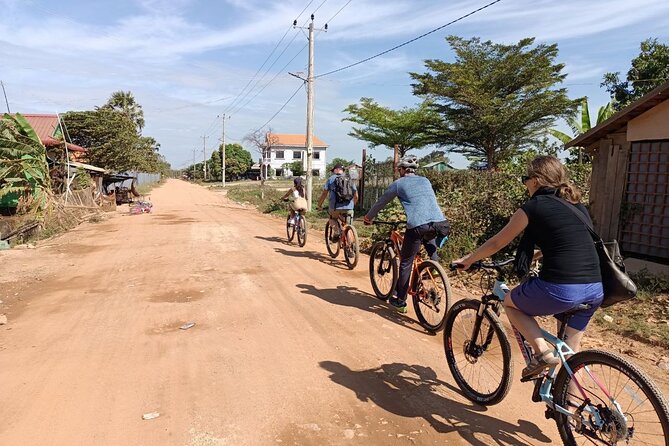
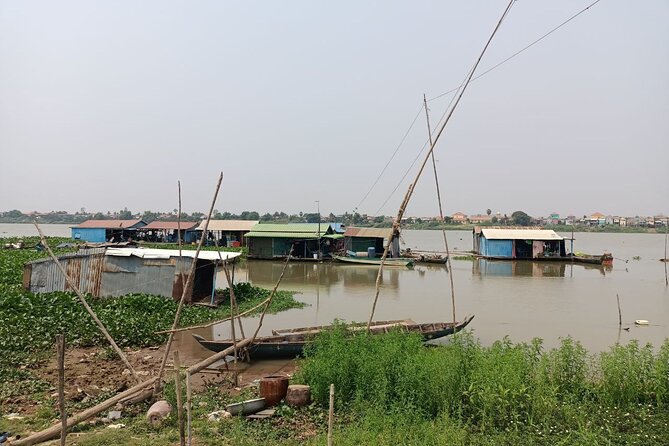
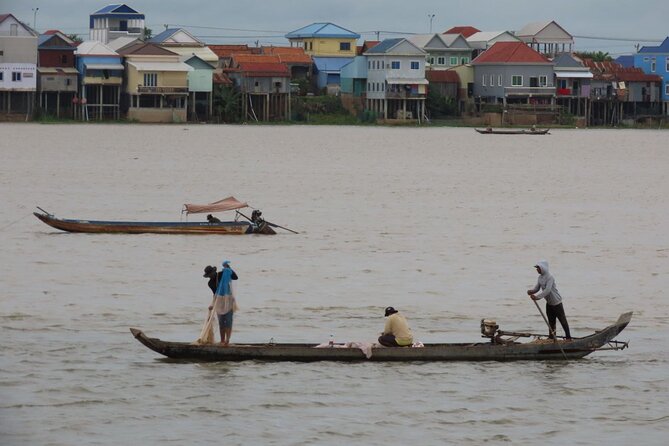
Day one is built around cycling as a slow-moving window into rural Cambodia. After your pickup, you’ll get a briefing and then set out toward the riverside area of Tonle Sap.
This is one of the strongest parts of the itinerary because the stops aren’t random. You cycle past:
- local villages,
- floating villages,
- paddy rice fields,
- lotus farms,
- and fishing community areas.
Those are different textures of the same region. From the bike seat, you can actually see how daily life works around water, fields, and the shoreline.
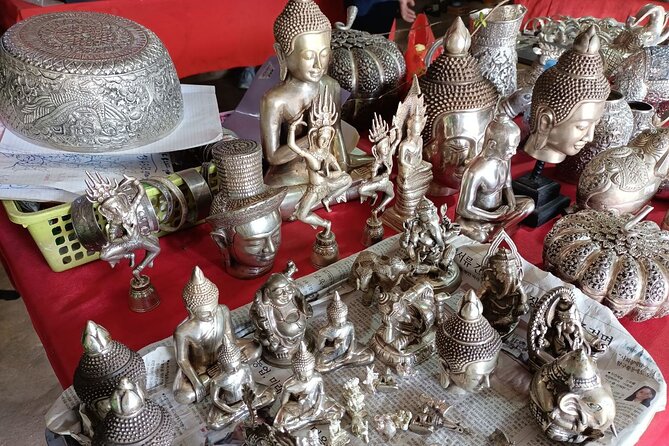
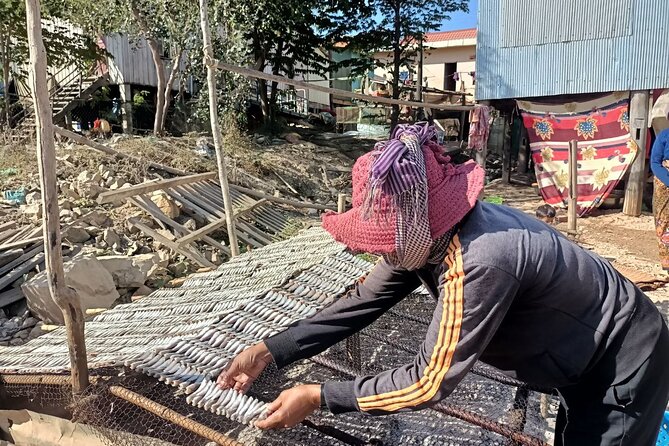
You also get a cultural workshop moment. The route includes visiting a silversmith workshop, where you connect with a local artisan. If you like understanding how skills travel through families and workplaces, this kind of stop is a big payoff. It turns the day from a photo ride into a place-based experience.
And there’s a practical refresh built in. After cycling and stops, there’s time for coconut juice before you continue on toward Oudong.
Oudong Temple: Why a Former Royal Capital Makes a Great Midday Goal
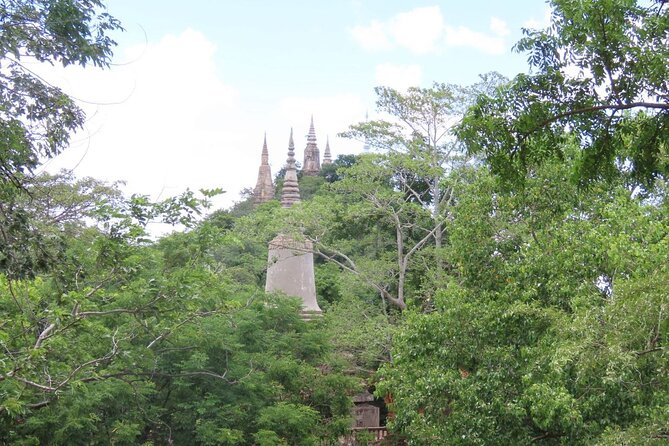
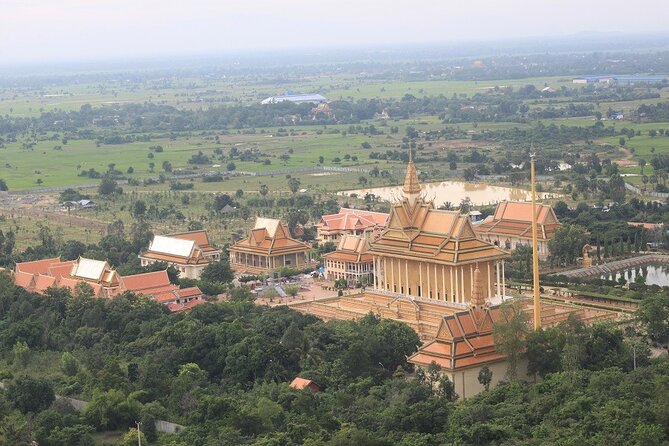
After your first cycling stretch and the refresh break, you head to Oudong Temple. Oudong served as a royal capital of Cambodia from the 17th to the 19th centuries. So even if you’re not a deep history person, the place has weight. It’s a temple stop that explains why people built here and kept returning to this part of the country.
The temple visit is listed with an admission ticket included, which is helpful for keeping the schedule smooth. The bigger value, though, is how it functions in the day. You spend the morning in motion through village and farm settings, and Oudong gives you a structured pause—time to look, breathe, and take in views from the temple complex.
If you’re thinking about the dress code, this is where it matters most. The tour lists formal dress code, and temples are usually the moment they’ll expect it to show. You’ll want to dress in a way that fits both “moving on foot/steps” and “temple-appropriate.”
The Homestay Night: What Overnight Accommodation Adds
One of the reasons this tour is more than a two-day workout is the inclusion of overnight accommodation with a homestay component. The overview describes it as a homestay in a small Cambodian village, which shifts the experience from a day trip format into something more personal and place-based.
What you can count on from the info you have:
- you’ll have a real sleep stop (not just a long transfer and back-to-back activities),
- meals are included per the itinerary: B for breakfast, L for lunch, D for dinner,
- and you’ll be part of a schedule that flows with the area rather than purely city timing.
Even without extra details about what the homestay is like, the structure still matters. You’ll finish day two’s hiking with less stress because you already have the overnight built in, and day two is clearly designed to move you onward into nature rather than back into constant travel.
Bamboo Forest to Hidden Waterfall: The Most Immersive Hike Moment
Day two is the “nature engine.” The itinerary follows the Chambok community, a rural tourism project that supports local farmers. That’s a meaningful detail because it frames the route as more than sightseeing. You’re walking through areas where tourism can provide income and visibility for the people who live there.
Your hike starts in bamboo forest toward a hidden waterfall area. You’ll explore the forest and then visit a bat cave before continuing deeper toward Kirirom National Park.
This is a route style I like because it changes the “feel” of hiking. You’re not just walking between points—you’re passing through different micro-areas:
- bamboo forest shade and sound,
- a waterfall approach (even if it’s brief),
- and then a cave stop that changes the temperature and atmosphere.
There’s also a picnic lunch included in nature surroundings. That matters for value and energy. Instead of stopping at a random place, you keep momentum and you eat where you’re already going to be looking around.
Kirirom’s Pine Forest Climb and Cliff Views Over the Cardamoms
After lunch, the hike continues through pine forest. Then the route pushes toward a mountain cliff with a stunning view across the Cardamom mountain range.
This is where Kirirom shows why it’s known for views rather than just forests. A cliff viewpoint turns everything you’ve done into context. You realize how much distance you covered, and you can compare day one’s watery countryside with day two’s high, open ridges.
One practical advantage: by the time you reach the cliff and panorama time, the itinerary is already set up to get you back safely. After enjoying the views, you walk down through ranger routes to the vehicle finish point.
That vehicle pickup setup is one of those small details that makes the whole trip feel less stressful. You’re not trading one unknown for another at the end.
Wildlife in Kirirom: What You Might See (and How to Think About It)
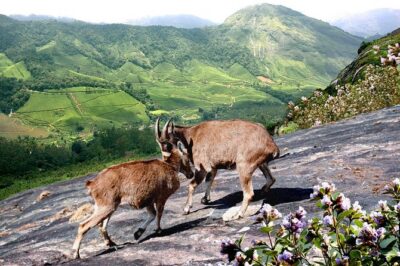
The tour highlights mention that Kirom is home to wildlife often only seen in zoos, including sunbears and pleated gibbons. That’s exciting, but it also needs a realistic mindset.
Based on what’s provided, you should treat wildlife as a “possible bonus,” not a guaranteed checklist. Dense forest hikes and careful rangers don’t always mean a quick sighting. Still, knowing the park supports species like these raises the odds you’ll feel more connected to the environment you’re walking through.
Even if you don’t spot those animals, you’re hiking in an area where birds and scenic views are part of the experience. The best approach is to slow down at stops and look and listen during brief pauses, because wildlife spotting tends to come from attention, not luck.
Transport, Bikes, and the Smooth Stuff That Saves Your Energy
A big part of value here is removing friction. You get:
- hotel pickup and drop-off,
- private vehicle transport,
- use of a bicycle,
- and use of a helmet.
That means you don’t need to hunt down gear in Phnom Penh or worry about how to move a bike for a tight schedule.
There’s also a detail worth noting from how the tour is described: on the cycling day, one participant mentioned being picked up at their Phnom Penh hotel and traveling by minibus across the city before hitting quiet country roads. The point for you is clear: you’re not thrown into countryside immediately from chaos. There’s a buffer transfer, which helps when you’re about to cycle.
At the end of day two, you also walk down to where the vehicle is waiting—again, less guesswork when tired legs want an easy exit.
Meals and Small Comforts: Breakfast, Lunch, Dinner, and Coconut Juice
Food is included as:
- breakfast (B),
- lunch (L),
- dinner (D),
matched to the itinerary.
On day one, coconut juice is specifically mentioned as a refresh during the cycling segment. On day two, there’s a picnic lunch in the nature area during the hike progression.
This matters for your planning because it reduces decision fatigue. You’re not hunting for meals between temple time, hikes, and transitions. It also keeps the day on schedule, which is crucial on a 2-day trip where timing is everything.
If you prefer vegetarian meals, a vegetarian option is available. You just need to advise during booking.
Price of $235.03: Is It Good Value for What You Get?
At $235.03 per person, you’re paying for a tight package: two active days, an overnight stay, guided cycling and hiking, private transport, bikes and helmets, and admission tickets for the included attractions.
What makes the value feel solid is the “stack” of included services:
- meals across multiple parts of the itinerary,
- accommodation,
- local guide,
- pickup and drop-off,
- bicycle + helmet use,
- transport by private vehicle,
- and admission tickets.
Plenty of tours can get expensive once you add up separate bike rentals, guide fees, park entries, and meals. Here, those pieces are already bundled. The two main things not included are alcoholic drinks and souvenir photos, which is pretty standard.
My take: if you want active days plus real village time, this price is easier to justify than a pure city tour or a tour that excludes food and overnight.
Getting the Timing and Clothing Right (Dress Code: Formal)
The tour lists a formal dress code. That can feel odd for a day that includes cycling and hiking, but it’s a real constraint in your packing plan.
So here’s the practical approach: bring clothing that meets formal expectations while still letting you move. Think clean, modest layers you can wear on temple terrain and during longer stops. If you’re unsure what formal means for your group, you should ask before you go—especially if you’re traveling with a partner and want everyone to match.
Also, keep the physical side in mind. The tour says travelers should have moderate physical fitness level. So if you’ve never cycled for an extended stretch or you dislike hikes on uneven paths, this may be more effort than you want.
Who Should Book This Kirirom Adventure (and Who Might Pass)
This is a strong fit if you:
- like mixing active time with culture (cycling, temples, homestay),
- want countryside immersion without the stress of planning transfers,
- enjoy nature walks that lead to viewpoint rewards,
- and appreciate small-group pace with up to 12 travelers.
It’s a less ideal fit if:
- you want an entirely relaxing schedule,
- you need very short walking days,
- or you’re uncomfortable with moderate fitness demands plus formal dress expectations.
Should You Book This Kirirom National Park Multisport Adventure?
If you want two days that feel like Cambodia beyond the capital, this is a smart choice. The combination of cycling through village and water-adjacent life, then hiking through bamboo and pine forests to cliff views, hits a nice balance of culture and outdoor time. The inclusion of bikes, helmets, guides, meals, and accommodation makes it easier to say yes without a pile of add-ons.
I’d book it if you’re comfortable moving for most of each day and you can dress for temples. If not, consider a more relaxed outing or a shorter hike tour. But for active travelers who still want local connection, this one is worth your time.
FAQ
What is the meeting time for this tour?
The tour start time is 7:30am, with hotel pickup offered from Phnom Penh.
Where does the tour take place?
The tour is in Cambodia, with the meeting and pickup point in Phnom Penh.
How long is the experience?
It is listed as 2 days (approx.).
What does the tour include for meals?
Meals are included as per the itinerary, with B for breakfast, L for lunch, and D for dinner.
Is a vegetarian option available?
Yes. A vegetarian option is available, and you should advise at booking time.
What equipment is provided for the cycling part?
The tour includes the use of a bicycle and a helmet.
Are tickets included for the stops?
Admission tickets are included for both Oudong Temple and Kirirom National Park based on the itinerary notes.
How big is the group?
The maximum group size is 12 travelers.
What is not included in the price?
Alcoholic drinks are not included (available to purchase), and souvenir photos are not included (available to purchase).
What fitness level do I need?
The tour notes a moderate physical fitness level is recommended for travelers.