REVIEW · SRI LANKA
Udawalawe National Park Safari with Elephant Transit Home Visit
Book on Viator →Operated by Nature Ceylon Tours - Udawalawe · Bookable on Viator
A day with wild elephants and baby elephants is a hard combo to beat. I like how this outing pairs a real Udawalawe jeep safari with a visit to the Elephant Transit Home, where you can watch young elephants at feeding time. One thing to consider: you’re viewing from set areas (not up close with the elephants), and the day depends on good weather to run.
What makes it practical is the setup: hotel pickup and drop-off, and a safari jeep that keeps groups small (up to 6 passengers per jeep). If you want a short, focused wildlife trip without spending most of the day driving around, this is a clean fit.
In This Review
- Key things to know before you go
- Udawalawe National Park jeep safari: where elephant sightings feel likely
- The safari jeep setup: small group comfort and better spotting
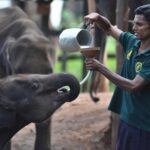
- Elephant Transit Home (ETH): baby elephants at feeding time, seen from a platform
- Timing and pacing: a 3–4 hour day that won’t swallow your schedule
- Price and value: what $24 includes (and what to double-check)
- Who this safari fits best (and who should reconsider)
- Practical tips to make the day run smoothly
- Should you book this Udawalawe safari with Elephant Transit Home?
- FAQ
- How long is the Udawalawe National Park safari with Elephant Transit Home visit?
- Where does the tour start and end?
- Is hotel pickup and drop-off included?
- Do I get a safari jeep?
- What will I do at the Elephant Transit Home?
- Are entrance fees included?
- Is the baby-elephant viewing guaranteed?
- What is the cancellation policy?
Key things to know before you go
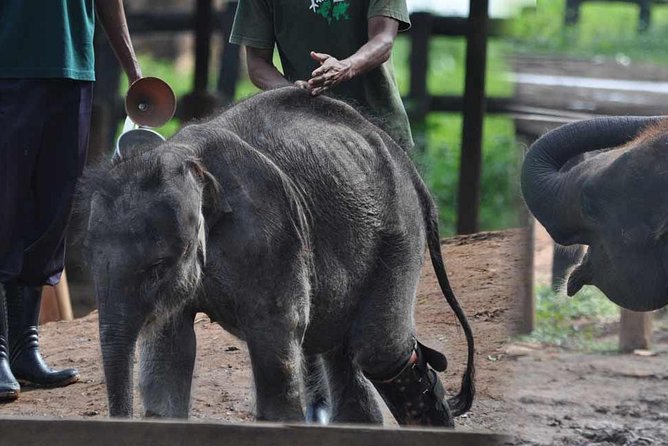
- Guaranteed baby-elephant sightings at the sanctuary feeding-time viewing
- Small safari jeeps (max 6 passengers per jeep) for easier spotting and photos
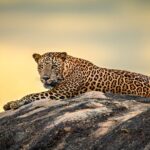
- Udawalawe wildlife beyond elephants may include water buffalo, mongoose, eagles, peacocks, and even leopards (if luck is on your side)
- Elephant Transit Home viewing is from a platform, so think observation, not interaction
- All entrance fees and taxes included is stated, but the detailed stop notes also say admission tickets aren’t included—confirm this before you go
- Good weather required, with a plan to reschedule or refund if poor conditions cancel it
Udawalawe National Park jeep safari: where elephant sightings feel likely
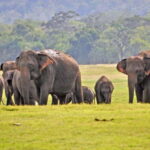
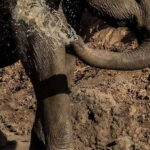
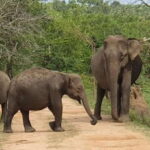
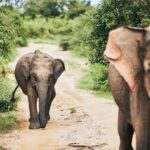
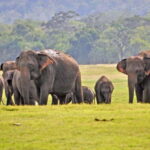
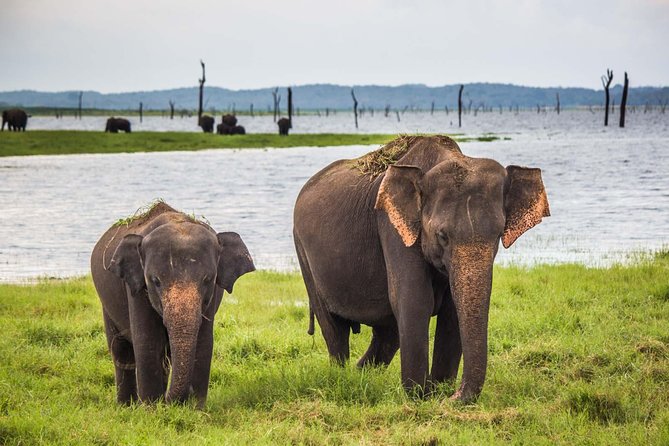
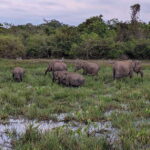
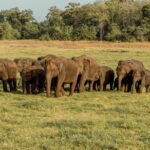
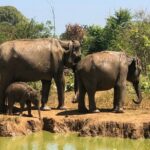
Udawalawe National Park is famous for elephants, and it’s easy to see why once you’re in the right habitat. The park is made up mostly of grasslands and bush forest, with highlands framing parts of the northern boundary. That mix creates open sightlines in many areas, plus the kind of vegetation where elephants feed and move around.
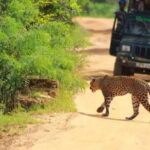
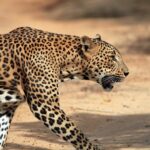
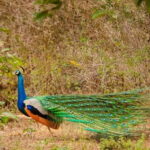
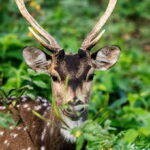
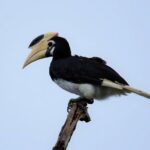
In a trip like this, I focus on what the park can deliver reliably: elephants first, but also the rest of the food web that shows up when large animals are active. You might see water buffalo in the broader ecosystem, mongoose moving through the undergrowth, and birds like eagles and peacocks. And yes, there’s always the chance of something rarer—leopards are mentioned as an elusive possibility—so you don’t want to treat the day like a one-species guarantee.
A practical tip: keep your expectations “wide.” The best wildlife safaris aren’t just about the big animal you came for. They’re also about the moments right before and after—when you suddenly notice movement in the grass, or birds start reacting because something bigger is nearby. If you stay patient, Udawalawe tends to reward you.
You can also read our reviews of more tours and experiences in Sri Lanka.
The safari jeep setup: small group comfort and better spotting
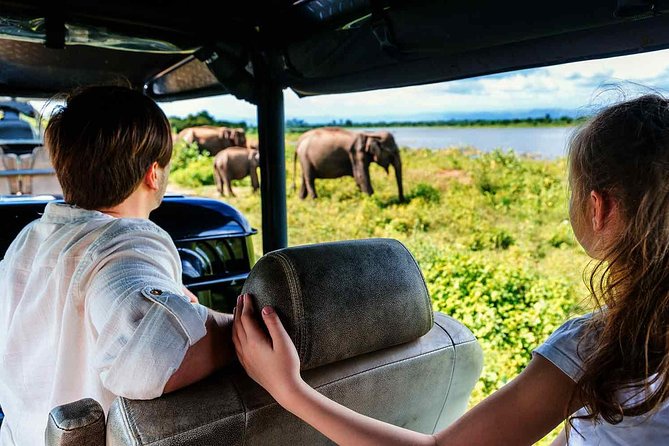
This experience uses a safari jeep with a maximum of 6 passengers per jeep. That detail matters more than it sounds. With fewer people packed in, you typically get smoother viewing through the open space around you, and you waste less time arguing over where the best angle is for photos.
You’ll have a driver/guide onboard as well. The goal isn’t just driving slowly until something appears; it’s scanning, reading animal movement patterns, and making quick calls on where to head next. One review highlighted how a guide named Pradeep was especially good at spotting wildlife and helping with photos, and that’s exactly what you want from this kind of safari.
To get the most out of the jeep time:
- Bring a sun hat and a light layer. Jeep rides can feel warm, and then suddenly cool when shade shifts.
- Keep your camera accessible. The best shots happen fast.
- If you have binoculars, bring them. Birds and smaller mammals are easier to track when you can zoom in without missing the action.
Also, remember the safari portion is only part of the total experience. In about 3 hours you’ll likely cover a lot of ground, but it’s still a short window compared to full-day safaris. So the jeep time is where you want to stay alert and ready.
Elephant Transit Home (ETH): baby elephants at feeding time, seen from a platform
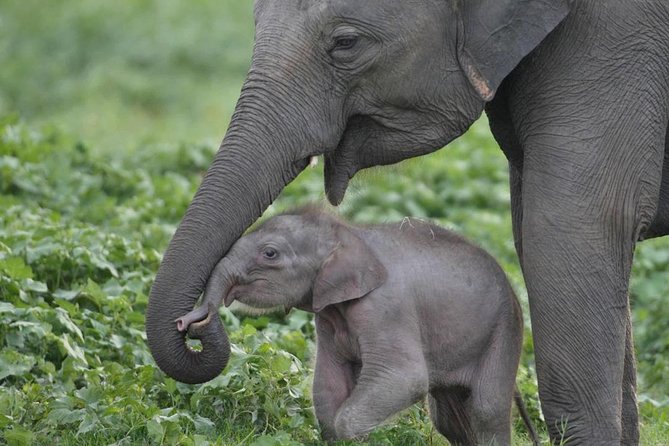
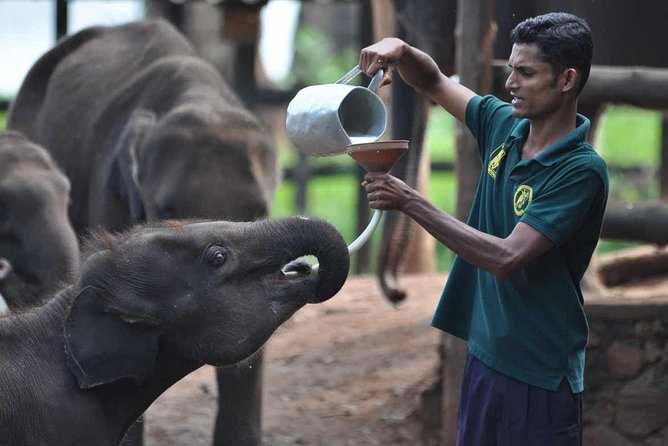
The Elephant Transit Home (ETH) is a halfway point for orphaned elephants. It’s supported by the Born Free Foundation, and the overall idea is rehabilitation first, then release back into the wild—many elephants eventually go to Udawalawe National Park.
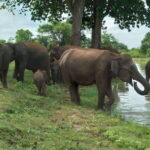
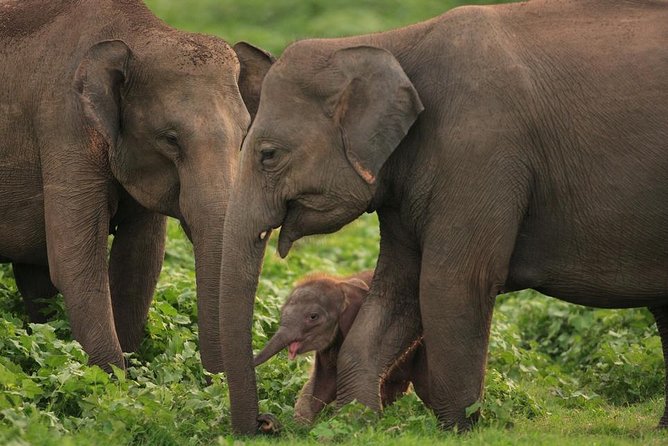
Here’s what makes this stop special: you’re there during feeding time, and young elephants are the focus. The experience is described as having guaranteed baby-elephant sightings at the sanctuary. That’s a big deal if you’re traveling with kids, or if you simply want the emotional payoff of seeing tiny elephants feeding and interacting.
The main limitation is also clear: you can’t get up close and personal. The viewing happens from a platform, so you’re observing rather than touching or standing beside the animals. That may sound like a trade-off, but in practice it can still be a memorable hour because feeding time has its own energy—standing, shuffling, moving toward milk, and reacting to the environment.
For your planning, think of ETH as a “meaningful add-on” to the safari. The park is about wild freedom and survival; ETH is about care and transition. Seeing both in one outing makes the day feel more complete, not just “watching animals for a few hours.”
Timing and pacing: a 3–4 hour day that won’t swallow your schedule
The total outing runs roughly 3 to 4 hours. The experience is structured around two blocks:
- About 3 hours for the Udawalawe National Park safari
- About 30 minutes for the Elephant Transit Home visit
In other words, it’s not a half-day you’ll stretch into an all-day adventure. It’s a focused, efficient format, with hotel pickup and drop-off so you don’t spend your time arranging local transport.
This pacing works best when you’re balancing multiple activities in Sri Lanka. If you’re moving between towns or you don’t want a long day behind the wheel, this time frame is a relief. It also helps you avoid “wildlife fatigue,” where after hours of scanning you get tired and start missing smaller behavior changes.
The one real variable is weather. The experience requires good weather, and if it gets canceled due to poor conditions, you’ll be offered a different date or a full refund. So if you’re trying to lock in a tight itinerary, I’d avoid scheduling this on your only day with no flexibility.
Price and value: what $24 includes (and what to double-check)
The price is listed as $24.00 per person, and that’s where this trip can feel like good value—especially because it bundles pickup, guiding, and safari jeep transport. It’s not just an entrance ticket. You’re paying for an arranged experience with a driver/guide and logistics handled.
At the same time, there’s one detail you should verify. The overview says all entrance fees and taxes are included, but the stop notes also indicate admission tickets aren’t included for the park and ETH. And the “not included” section mentions entrance fees.
So how should you think about it?
- If entrance fees truly are included, then $24 is a straightforward deal for a jeep safari + ETH feeding-time viewing.
- If they aren’t included for your booking, your final total will be higher than you expect, even though the safari component is still good value.
Best move: before you go, confirm with the provider what you personally will pay on-site versus what’s already covered. You’ll feel much calmer when you’re standing at the gate.
Also note the trip includes a mobile ticket and offers pickup from a specific meeting location area (hotel pickup and drop-off are part of what’s included). That usually reduces hassle day-of.
Who this safari fits best (and who should reconsider)
This experience is ideal if you want:
- Guaranteed baby-elephant viewing at ETH during feeding time
- A short Udawalawe jeep safari where you can realistically spend time looking for multiple animals
- A guided, organized trip with hotel pickup and drop-off
- A small-group jeep setup (max 6 per jeep)
It’s also a good choice for people who don’t want the complexity of arranging their own transport or hunting down a last-minute safari vehicle.
Consider reconsidering if you’re specifically looking for close, physical interaction with elephants. ETH is about rehabilitation and observation, and the structure is set up so you view from platforms. If your dream experience is standing right next to the animals, this won’t match that goal.
And if you’re very sensitive to time limits, keep the pacing in mind. You only get a short window at ETH, and the safari portion is about 3 hours—great for a highlight day, but not the same as a full, slow, all-day safari.
Practical tips to make the day run smoothly
A few things will help you get the most from both the safari and ETH:
- Dress for heat and bumpy roads. You’ll be in a jeep, and you’ll want comfortable shoes. Even if the day is warm, you can still get cool with shade changes.
- Bring a small bag for essentials (water, sunscreen, camera). Jeep rides can mean you can’t be digging around.
- If you’re booking through your accommodation, confirm pickup details so you know exactly where to meet. The experience includes hotel pickup and drop-off, and you’ll receive confirmation at the time of booking.
- Because good weather is required, check forecasts the day before. If conditions force cancellation, you’ll have a reschedule option or a full refund, so build in flexibility.
One more mindset shift: don’t wait for elephants to appear before you start looking. When birds and other animals are active, it often means larger animals are nearby. Udawalawe rewards alert watching, not just waiting.
Should you book this Udawalawe safari with Elephant Transit Home?
If your priority is to see elephants and also make room for baby-elephant viewing in a single short outing, I’d book it. The combination of Udawalawe jeep safari time plus ETH feeding-time viewing is exactly the kind of “high-impact, low hassle” plan that works well when you’re sightseeing in Sri Lanka.
Book it especially if:
- You want a guided day with pickup and a small jeep group
- You’re traveling on a tight schedule but still want a true wildlife experience
- You’re excited by the Elephant Transit Home mission and the chance to watch young elephants during feeding time
Skip or pause if:
- You need an up-close interaction experience (ETH viewing is from platforms)
- You’re planning on minimal weather flexibility, since the safari day needs good conditions
If you do book, take five minutes to confirm whether entrance fees are fully covered for your specific booking. After that, you can focus on what matters most: spotting wildlife in Udawalawe and watching the young elephants during their feeding window.
FAQ
How long is the Udawalawe National Park safari with Elephant Transit Home visit?
The experience lasts about 3 to 4 hours total.
Where does the tour start and end?
It starts at Hotel Niwahana (Ekamuthugama, Sevanagala, Udawalawe) and ends back at the meeting point.
Is hotel pickup and drop-off included?
Yes. Hotel pickup and drop-off are included.
Do I get a safari jeep?
Yes. You travel in a safari jeep with a maximum of 6 passengers per jeep.
What will I do at the Elephant Transit Home?
You visit the Elephant Transit Home (ETH) for about 30 minutes and watch feeding time from a viewing platform.
Are entrance fees included?
The overview says entrance fees and taxes are included, but the stop notes indicate admission tickets are not included. Check your booking details for your exact inclusions.
Is the baby-elephant viewing guaranteed?
The highlights state guaranteed sightings of baby elephants at the sanctuary.
What is the cancellation policy?
You can cancel for a full refund up to 24 hours before the experience start time. If it’s canceled due to poor weather, you’ll be offered a different date or a full refund.