REVIEW · SRI LANKA
Kumana National Park : Morning or Afternoon Safari Tour
Book on GetYourGuide →Operated by Tiger Safaris · Bookable on GetYourGuide
Kumana National Park has a special kind of quiet. I love how this park turns birdwatching into the main event, especially around the Kumana Villu mangroves.
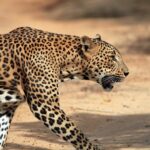
With a small-group 4×4 safari format, you also get a real shot at major wildlife like leopards and elephants, guided by people who focus on spotting.
One thing to plan for: vehicle comfort and rain protection can be hit-or-miss depending on conditions and the exact jeep/pickup used. If you’re sensitive to rough rides or weather, pack accordingly and don’t assume every seat feels the same.
In This Review
- Key highlights worth planning for
- Kumana (Yala East) is built for birds, with wildlife as a bonus
- Pickup from Arugam Bay, Pottuvil, or Panama without drama
- The 4×4 safari jeep: comfy for most, risky for some
- The safari route: Kumana Villu for birds, Kumbukkan Oya for atmosphere
- What you can realistically hope to see: birds first, big animals as payoff
- Morning vs afternoon: choosing based on your comfort and your priorities
- Your guide and the narration: English live help plus audio support
- Price and value: what $47 really covers (and what adds cost)
- Who this safari suits best (and who should skip it)
- Tips to make the day better (so you don’t spend it regretting clothing)
- Should you book the Kumana National Park safari with Tiger Safaris?
- FAQ
- How long is the Kumana National Park safari?
- Where are the pickup and drop-off locations?
- How long do you spend inside the park?
- What animals can you expect to see?
- Is the national park entry ticket included?
- What vehicle do you use and how many people fit?
- Is food or drinks included?
- What languages are available for the guide?
- Are there any rules on alcohol or drugs?
- Is the tour suitable for pregnant women?
Key highlights worth planning for
- Kumana Villu birdwatching at a mangrove swamp known for birdlife
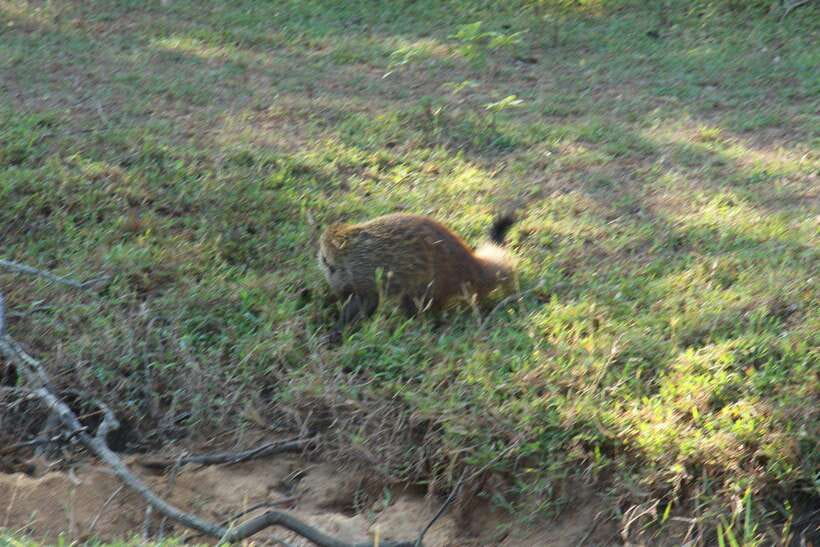
- Wildlife focus from deer and crocodiles to elephants and leopards
- Small-group 4×4 jeep rides (max 6 passengers) for better spotting
- English live guide plus audio guide so you’re not stuck in silence
- Flexible timing with a morning or afternoon safari option
- Photography-friendly safari pace so you can actually frame the shot
Kumana (Yala East) is built for birds, with wildlife as a bonus
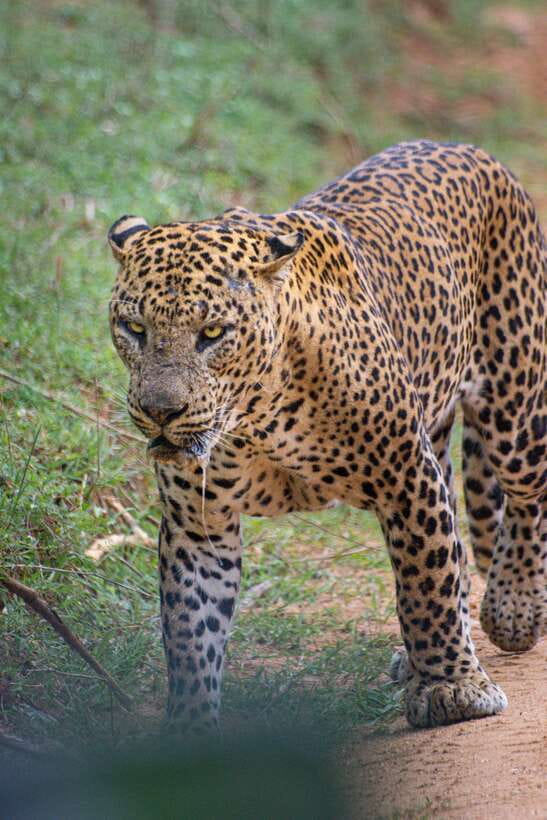
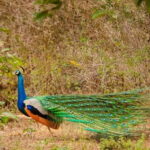
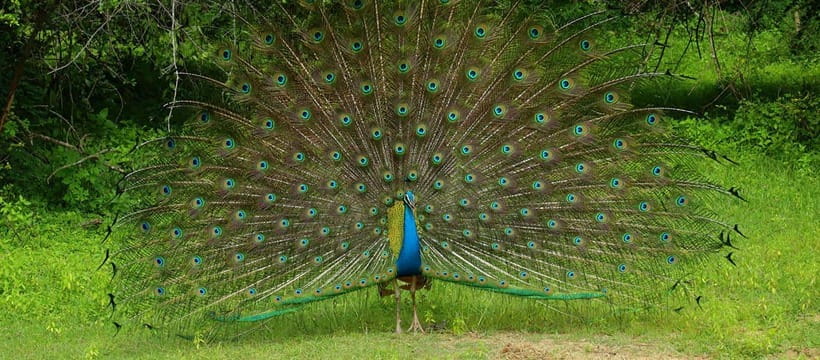
Kumana National Park, also called Yala East, is in Sri Lanka’s Eastern Province and is famous for birds. You’re looking at over 200 species, including rare and migratory birds, which is why this safari feels a little different from the typical “rush to find elephants” style.
What I like about that setup is how it gives you value even on days when the big cats are shy. The birds aren’t a side quest; they’re the headline. Add in the chance of elephants, leopards, deer, and crocodiles, and you get a day that can satisfy both bird lovers and serious wildlife spotters.
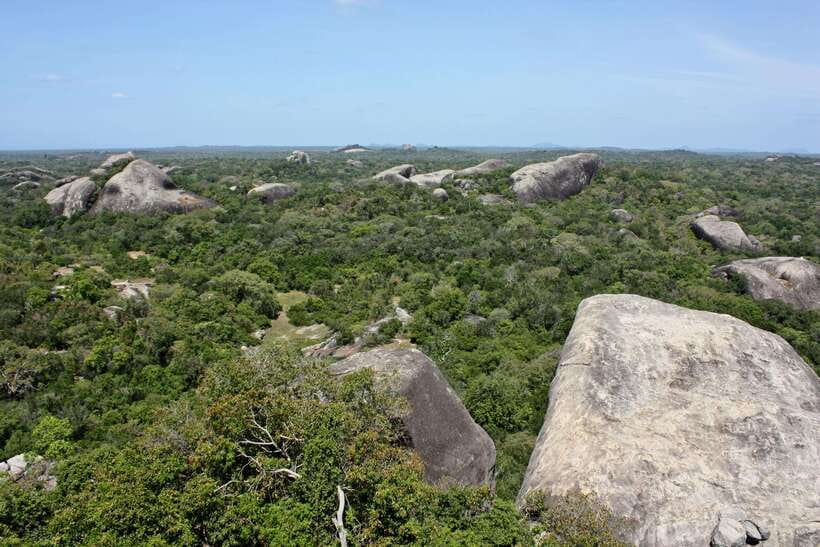
Also, Kumana’s landscape features matter. The Kumana Villu (a large mangrove swamp) pulls in birds like a magnet, and the Kumbukkan Oya river scenery adds a natural rhythm to the safari route.
You can also read our reviews of more tours and experiences in Sri Lanka.
Pickup from Arugam Bay, Pottuvil, or Panama without drama
The tour is designed to start smoothly. You get hotel pickup and drop-off from Arugam Bay, Pottuvil, Panama, and areas near Kumana, and you’re told to wait in the lobby about 10 minutes before pickup.
Why that’s practical: Kumana isn’t a “walk there and figure it out” kind of place. If you’re basing yourself in Arugam Bay, a scheduled pickup saves you time and stress, and it keeps the safari portion focused on the park instead of logistics.
The day is planned for a total 6 hours, with about 1 hour of travel time and 4 hours inside the park for sightseeing. That means you’ll have a real safari stretch, not just a quick loop.
The 4×4 safari jeep: comfy for most, risky for some
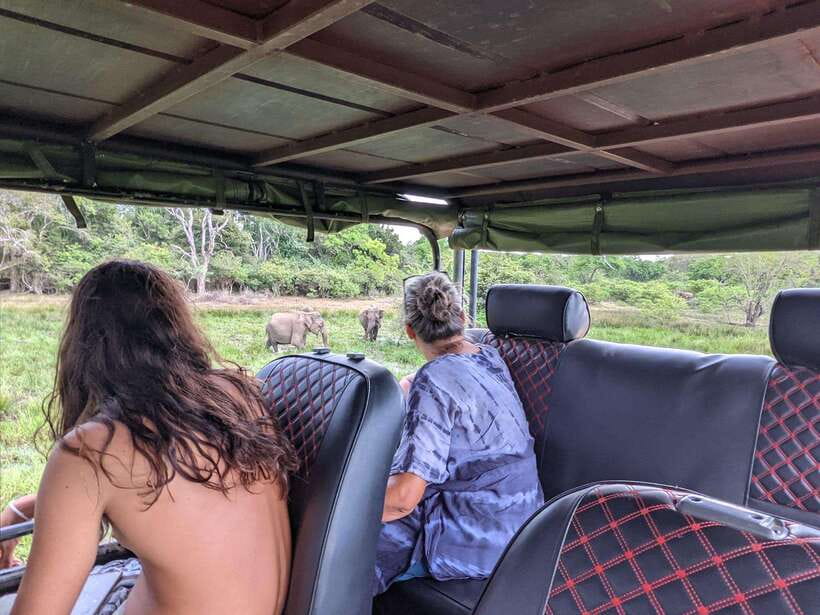
You’ll ride in a 4×4 safari jeep with a stated capacity of max 6 passengers. For bookings of 6 passengers or more, it notes a private tour setup in their safari jeeps, with a max of 6—so you should get that small-group feel.
That matters because wildlife spotting is easier with fewer people. Everyone can shift positions for sightlines, and the guide isn’t juggling a crowd.
Still, comfort isn’t guaranteed for every body. One person reported that the vehicle used (a Mahindra pickup) wasn’t ideal for safari seating, and they ended up with back pain from the transport. Another concern that showed up on a rainy day: parts of the jeep can get wet, while the guide stays more protected up front.
My advice: if you know you’re sensitive to bumpy rides, bring a small cushion or wear supportive shoes, and plan for rain. A lightweight rain jacket and a towel or dry bag can make the difference between a fun day and a cold, soaked one.
The safari route: Kumana Villu for birds, Kumbukkan Oya for atmosphere
Inside the park, the key stops are built around habitat. You’ll spend time around Kumana Villu, described as a large mangrove swamp that attracts lots of birdlife. This is the kind of location where you can stand, scan, and end up watching birds that feel oddly close—because they’re always doing something.
Then there’s Kumbukkan Oya, the scenic river flowing through the park. Even when the wildlife isn’t right in front of you, river corridors create movement: birds hop along edges, and bigger animals often show up as the day’s pattern unfolds.
These stops also help explain why the safari is only 4 hours in the park. The time isn’t wasted driving from one random spot to another. It’s more like a focused circuit through the areas with the best “bird + wildlife” overlap.
What you can realistically hope to see: birds first, big animals as payoff
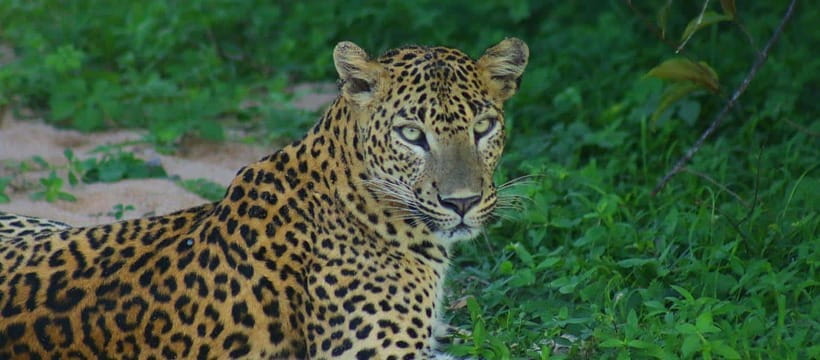
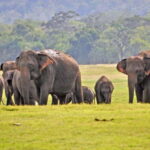
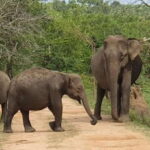
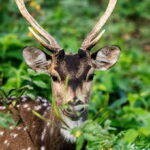
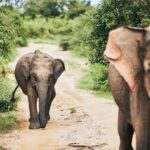
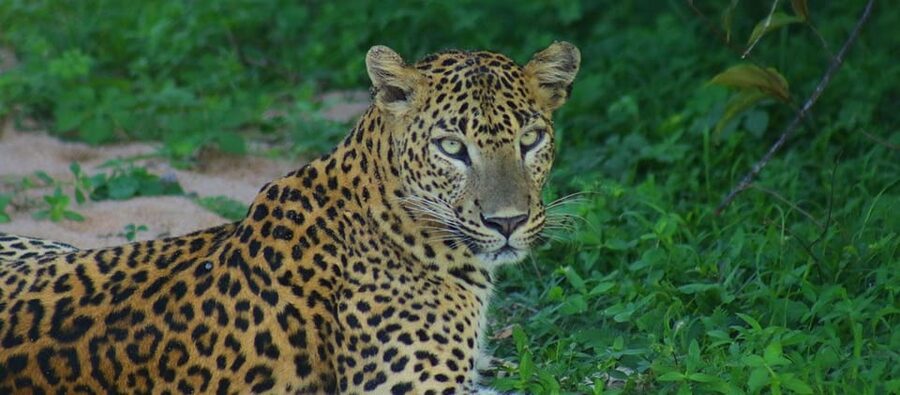
The tour’s mission is clear: showcase Kumana’s leopards, birds, and wildlife. The park is also associated with elephants, deer, bears, crocodiles, and other creatures, so you’ll be watching for a range of species—not only one target.
From the experience details, you’ll have opportunities to take photos during the safari. That’s important because Kumana can be fast-paced visually—birds appear suddenly, and if you’re ready with your camera/phone positioning, you’ll get better results.
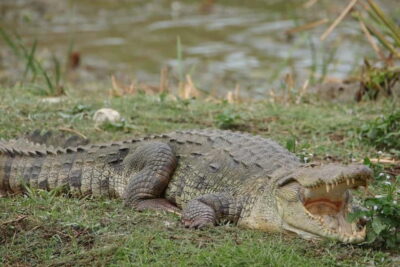
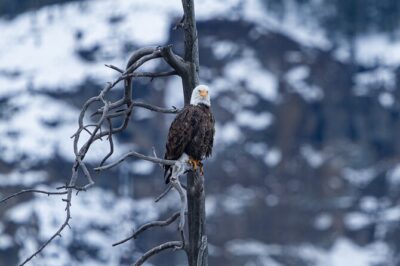
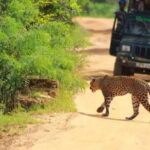
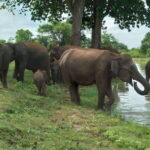
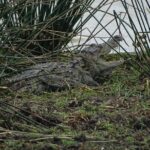
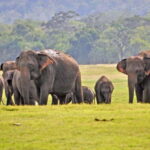
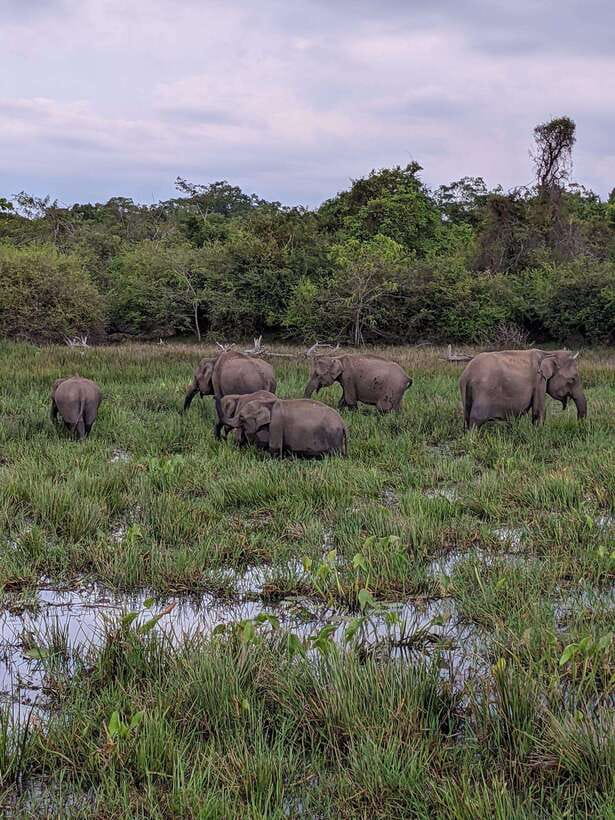
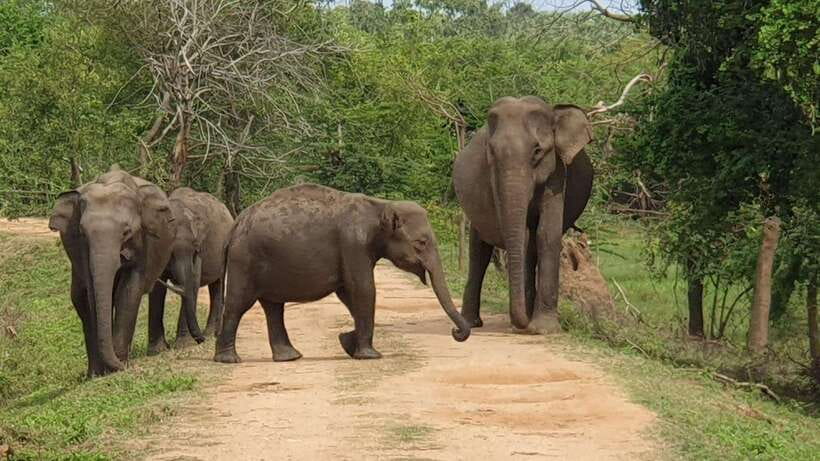
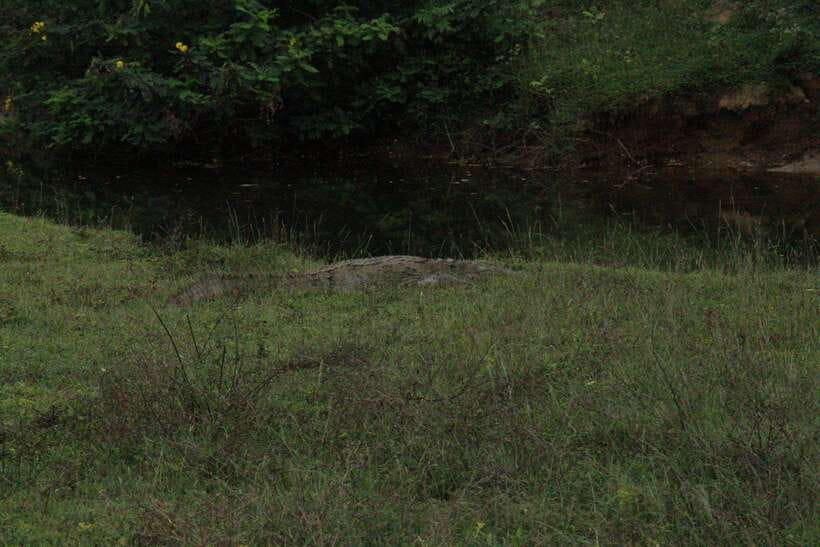
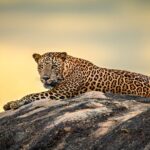
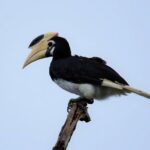
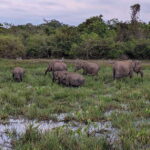
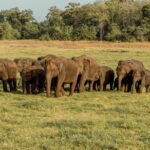
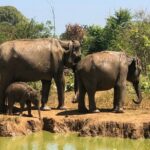
In the positive results, the big animal moments included a leopard sighting, multiple elephants, and crocodiles seen at close range. Bird highlights mentioned include owls and eagles, which tells you this isn’t only about small songbirds.
One more practical note: a guide’s style can affect your day. On one rainy safari situation, the guide wasn’t very considerate about people getting wet and didn’t provide much explanation while staying positioned up front. On the better side of the scale, guides were described as on time and highly motivated to show animals.
So here’s the balanced takeaway: you’re booking a safari, not a guarantee, but a good guide can turn a decent wildlife day into a memorable one.
Morning vs afternoon: choosing based on your comfort and your priorities
The title says Morning or Afternoon Safari, so you have flexibility. A useful clue from real-world experience: an early start was described as absolutely worth it, and that guide effort helped produce major sightings like leopard, elephants, and crocodiles.
If you’re a bird person, you might prefer the time of day that matches when you feel most alert for scanning. Kumana rewards patience—standing still, watching edges, and tracking movement—so don’t book a time that forces you to rush sleep or meals.
If your main goal is comfort, pick the slot that fits your heat tolerance and clothing plan. Also remember: rain can happen. Bring layers either way.
Your guide and the narration: English live help plus audio support
The safari includes an English live tour guide plus an English audio guide. That’s a solid combo if you like context while you’re watching.
When it works well, narration helps you understand what you’re looking at—calls, behaviors, and why certain animals choose certain edges of the habitat. When it doesn’t (such as a rainy day where the guide stayed up front and didn’t explain much), you can still see wildlife, but you lose some of the “why” behind it.
Practical move: ask your guide a simple question early on, like what species are most likely today or which area you’ll prioritize for birds. You’ll get more out of the safari if you treat it like an active conversation, not just a sit-and-wait ride.
Price and value: what $47 really covers (and what adds cost)
The price is $47 per person for about 6 hours, including hotel pickup and drop-off (Arugam Bay, Pottuvil, Panama, near Kumana), a 4×4 safari jeep, and the driver/guide plus English live tour and audio.
The big extra cost is park entry tickets. National Park entry tickets are not included and are listed as about $19. Food and drinks are also not included.
So your rough all-in math is: $47 + ~$19 = about $66 per person, plus whatever you spend on snacks or meals.
Is that value? For me, it makes sense if:
- You want a guided, habitat-focused safari rather than DIY travel.
- You appreciate birdwatching enough to treat it as the main attraction.
- You’re okay paying for entry and bringing your own food plan.
It’s not automatically “cheap,” but it’s fair for a half-day wildlife experience with pickup, small-group jeep time, and the bird-focused route.
Who this safari suits best (and who should skip it)
This tour is a good match for:
- Birdwatchers who want serious Kumana bird habitat, not a quick stop
- Wildlife fans who want a chance at leopards, elephants, crocodiles, and deer in one day
- People who like small-group safari time (max 6 passengers)
It’s also marked as wheelchair accessible, so it’s designed to work for mobility needs. Details on vehicle access steps or exact seating arrangement aren’t provided, so if this affects you, message the operator before booking.
It is not suitable for pregnant women, and alcohol and drugs are not allowed.
Tips to make the day better (so you don’t spend it regretting clothing)
- Bring rain protection. The safari can leave you wet depending on where you sit in the jeep during rain.
- Wear supportive shoes for repeated shifting and scanning. You’ll often be leaning forward or turning to track movement.
- Consider binoculars if you already own them. The park is bird-heavy, and scanning matters.
- Keep your camera/phone ready. Wildlife and birds can appear quickly, and the tour is photography-friendly.
If you care about comfort, ask ahead what exact vehicle type you’ll use and how seating is arranged. One guest reported a transport discomfort issue when the vehicle wasn’t well suited for safari comfort.
Should you book the Kumana National Park safari with Tiger Safaris?
Book it if you want a focused Kumana day where birds at Kumana Villu are the anchor and wildlife sightings—like leopard, elephants, and crocodiles—are the thrilling bonus. The combination of pickup, a small-group 4×4 jeep, and English guide support makes it practical for a half-day.
Don’t book it (or at least think twice) if:
- You’re very sensitive to rough transport and you can’t handle unpredictable seating comfort.
- Rain would ruin the experience for you unless you’re prepared with layers and protection.
- You need guaranteed animal sightings. This is nature; you’re buying a guided chance, not a controlled show.
One final point: cancellation is described as free up to 24 hours in advance, and there’s a reserve now and pay later option. That’s handy if your Arugam Bay plans are still changing.
FAQ
How long is the Kumana National Park safari?
The tour lasts about 6 hours total.
Where are the pickup and drop-off locations?
Pickup and drop-off are available around Arugam Bay, Pottuvil, and Panama (near Kumana).
How long do you spend inside the park?
The schedule includes about 4 hours of sightseeing inside Kumana National Park.
What animals can you expect to see?
The safari focuses on wildlife and nature including birds, elephants, leopards, deer, crocodiles, and other wildlife.
Is the national park entry ticket included?
No. National park entry tickets are not included and are listed as about $19.
What vehicle do you use and how many people fit?
You travel in a 4×4 safari jeep. The maximum stated capacity is 6 passengers.
Is food or drinks included?
Food and drinks are not included.
What languages are available for the guide?
The live tour guide is English, and an English audio guide is also included.
Are there any rules on alcohol or drugs?
Alcohol and drugs are not allowed during the tour.
Is the tour suitable for pregnant women?
No, it is not suitable for pregnant women.