REVIEW · PORT LINCOLN
Port Lincoln: Lincoln National Park Sunset Sand Dunes Tour
Book on GetYourGuide →Operated by Tour South · Bookable on GetYourGuide
Sunset looks different out on dunes. I love the modified 4WD ride and the sunset glow that turns windswept sand into something you only get here. You also get real wildlife searching, from birds to lizards, instead of just a quick drive-by.
One heads-up: this is dune driving and park wind can be strong, so come ready for a bit of sand and plenty of air. If you hate uneven ground, or you’re limited by the tour’s weight and age limits, double-check before you book.
In This Review
- Key things to know before you go
- Port Lincoln pickup to Lincoln National Park: the “golden hour” commute
- Modified 4WD dune runs: what it feels like and where the stops matter
- Sandford Beach: long-sand coastal views
- Wanna Sand Dunes: the main light show
- Wildlife spotting without rushing: birds, goannas, and echidnas
- Birdlife for the late-day scanner
- Seeing the sunset glow: timing, wind, and why the dunes win
- Guide quality: what makes a small-group dune tour feel safe and fun
- What’s included (and what that means for value)
- Price and logistics: the sweet spot for a 3.5-hour adventure
- What to bring (and what the dunes demand)
- Who this tour is best for—and who should reconsider
- Should you book this Lincoln National Park Sunset Sand Dunes Tour?
- FAQ
- How long is the Port Lincoln: Lincoln National Park Sunset Sand Dunes Tour?
- Where does the tour start and end?
- What’s included in the price?
- Is alcohol included or allowed?
- What wildlife might I see?
- What should I bring?
- Is this tour suitable for wheelchairs or limited mobility?
Key things to know before you go
- Small group (up to 6 people) keeps the stops flexible and personal.
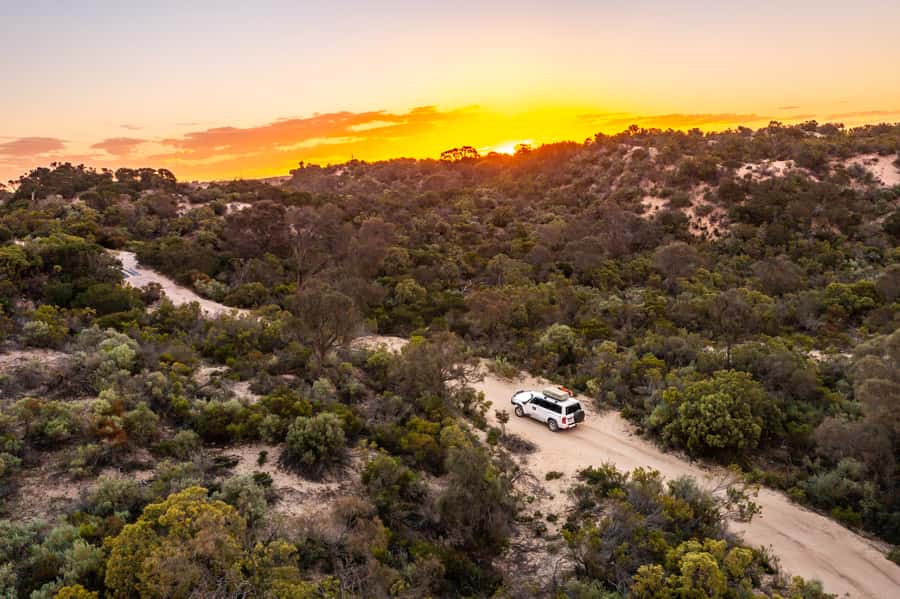
- Sand dune off-roading gives you that adrenaline feel without needing any driving skills.
- Sunset timing built in: departures are usually 2.5–3 hours before Port Lincoln sunset.
- Wildlife targets are specific (goanna, echidnas, and more than 130 bird species in the region).
- Sandford Beach plus Wanna Sand Dunes balance long views with dramatic dune light.
- You’ll get snacks, tea, and coffee plus a free photo, which helps value on a 210-minute outing.
Port Lincoln pickup to Lincoln National Park: the “golden hour” commute
This tour is built around one simple goal: reach the dunes in time for the best light and then spend real time there. You start with hotel pickup in Port Lincoln, then head out toward Lincoln National Park in a relaxed transfer. That drive matters more than it sounds, because dune sunset viewing depends on timing. If you arrive too late, the glow is gone and the dunes just look like dunes.
You’ll be on a 210-minute schedule (about 3.5 hours total), and the departure time shifts with the seasons. In practice, that means your pickup is planned to put you at the dunes well before the sun dips, then keep you moving to the best viewing points as the sky changes.
This is also one of those small details I appreciate: you’re not stuck waiting in a crowded park with no plan. With a small group limited to 6, your guide can adjust the route based on conditions, light, and what you’re actually seeing.
You can also read our reviews of more tours and experiences in Port Lincoln.
Modified 4WD dune runs: what it feels like and where the stops matter
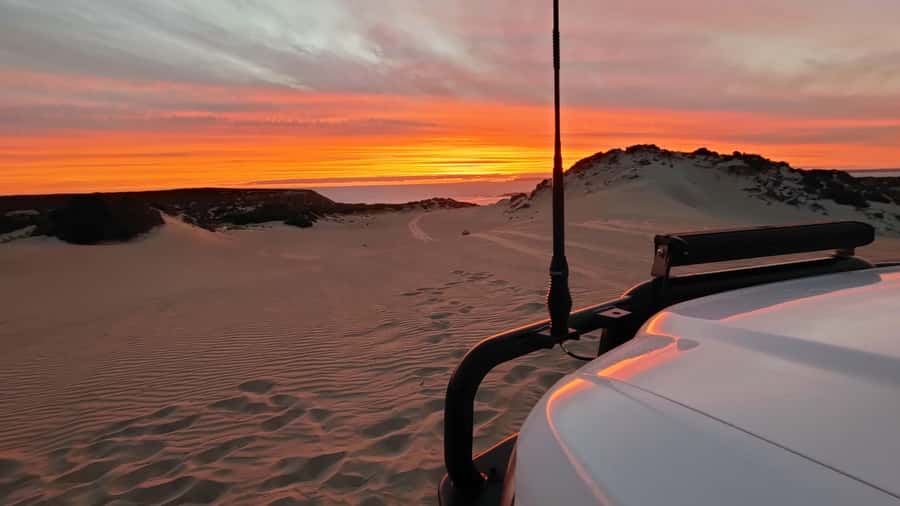
The core of the experience is the off-roading. You’ll ride in a modified vehicle that’s made for sand, not a polite paved-road shuffle. When you go off the beaten track, the dunes become a playground of wind-carved ridges and soft slopes. You’ll feel the engine work harder and the vehicle change its rhythm as it climbs, drops, and changes direction on the sand.
And you’re not just riding. You’ll stop at lookout points and take in the views as the dunes and coastline stretch out around you. That’s the key: the dune driving is the thrill, but the stops are where you turn that thrill into a real experience.
Sandford Beach: long-sand coastal views
One stop centers on Sandford Beach. This stretch of sand gives you wide coastal perspective and helps you understand how the park’s dunes sit in a bigger picture. For sunset watching, long sightlines are everything. When the light hits from the side, the sand texture pops and shadows deepen, which is why this kind of beach stop is so effective.
If you’re the type who likes taking photos but also wants to actually enjoy the moment (not just sprint between spots), this stop style fits: you can look out over the shoreline, then get back into the dunes when the guide is ready.
Wanna Sand Dunes: the main light show
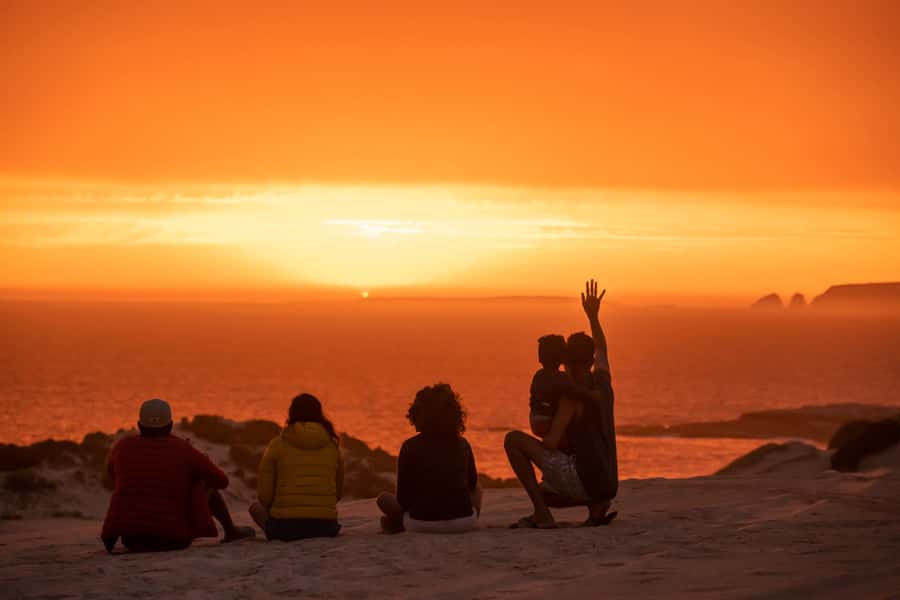
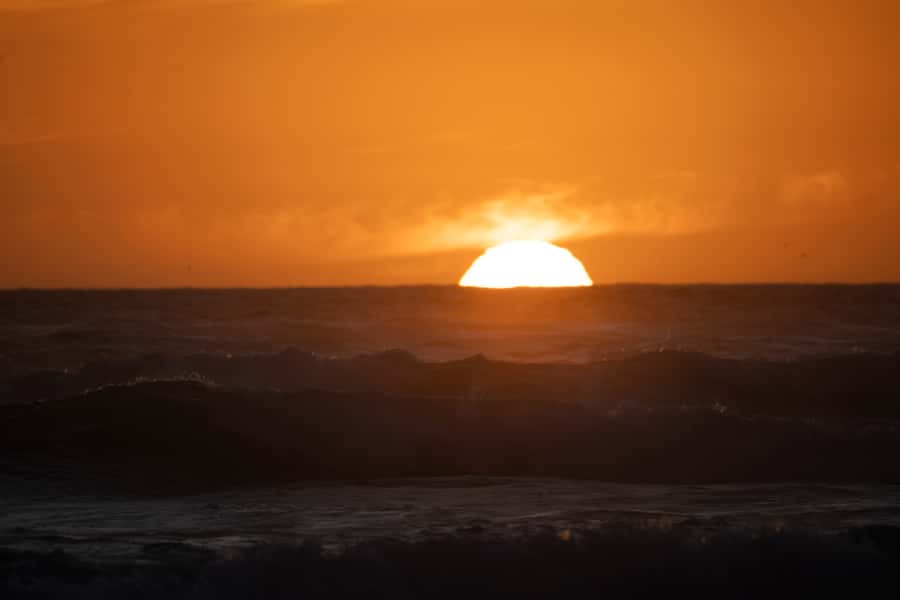
Your sunset viewing point is the Wanna Sand Dunes area. This is where the sky goes from bright to copper to dim, and the sand takes on that warm tone you don’t get in a city sunset. As the sun drops, the light catches the ripples and ridges, making the dunes look sculpted rather than flat.
What makes this worth doing as a tour is the guidance. A guide isn’t just a driver; they’re timing your movement and choosing where you’ll stand so the light hits the sand the way you want.
Wildlife spotting without rushing: birds, goannas, and echidnas
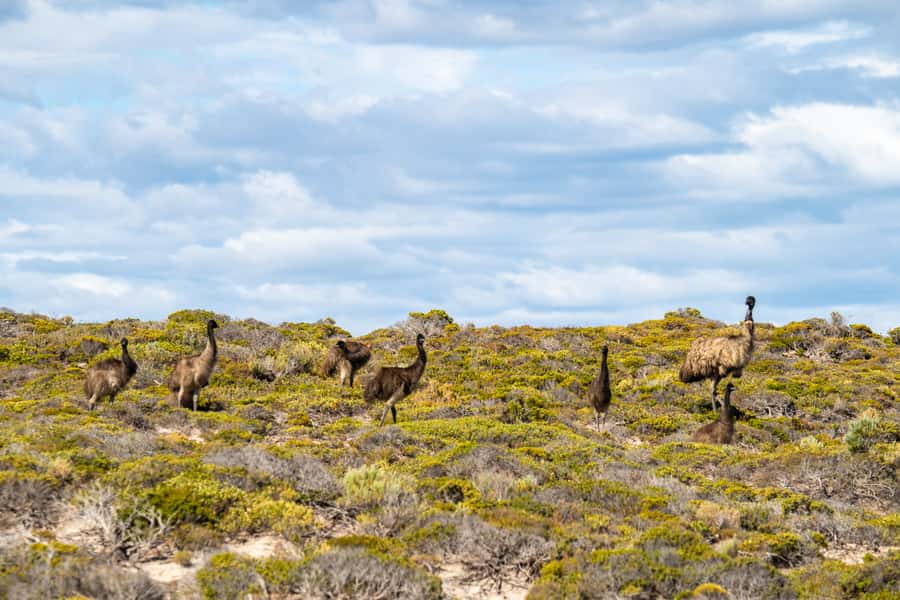
A lot of sunset tours stop at a view and call it a day. This one adds wildlife searching as part of the rhythm. You’ll keep an eye out for local species like Rosenberg’s goanna lizard, echidnas, and birds such as western whip birds and hooded plovers. The region also supports over 130 bird species, which gives you more than just a theoretical list—your chances improve because you’re scanning across different habitats around the dunes and beaches.
Here’s the practical part: wildlife spotting works best when you’re calm and patient. Dune driving is exciting, but once you’re stopped, the guide helps you slow down—watching movement in scrub edges, listening for calls, and checking likely spots rather than chasing every shadow.
If you’re hoping to see echidnas, just know you can’t force it. But the tour’s format—slow observation stops plus time in the right places—gives you a better shot than a quick walk-through.
Birdlife for the late-day scanner
Late-day bird activity often makes the sky feel more alive. The types mentioned (including malleefowls) suggest the guide is scanning for both visible birds and the kind you spot by sound and movement. You don’t need a birding checklist to enjoy this, but having one friend in your group who loves birds can make these moments even more fun.
Seeing the sunset glow: timing, wind, and why the dunes win
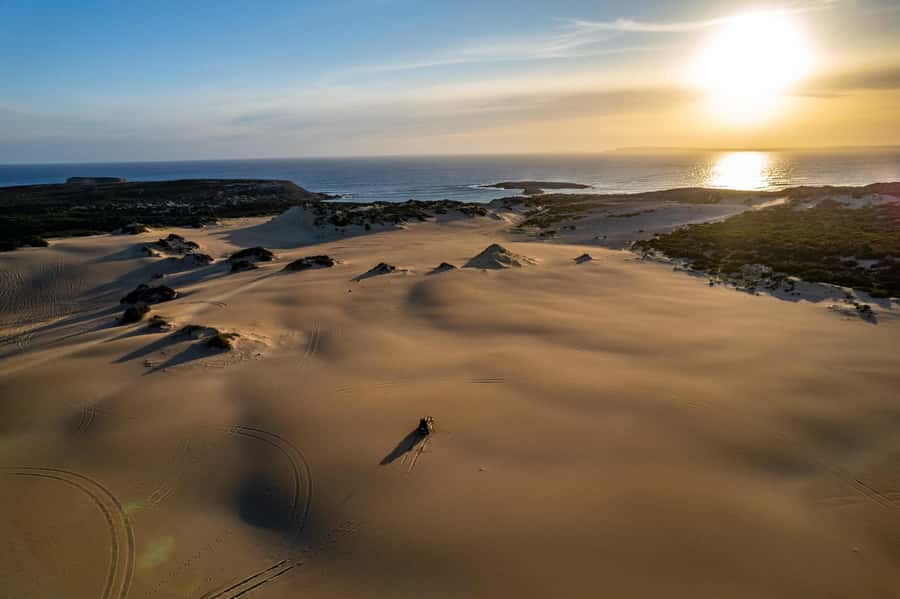
Watching sunset from sand is its own thing. On a beach, the light is dramatic but often flat. On dunes, the surface texture creates a second layer of drama—shadow lines, ripples, and highlights. As the sun lowers, the dunes can look almost 3D.
This tour is timed so you aren’t only catching the sunset at the end. You’ll typically depart 2.5–3 hours before Port Lincoln sunset time, then spend the lead-up moving through the best viewing points. That means you experience the gradual shift: bright orange, longer shadows, and then that softer final light when the dunes glow.
Wind is part of the deal here. It can look fantastic because it keeps sand surfaces changing and adds that coastal harshness that feels real. It can also be annoying if you show up unprepared. That’s why the “come ready for the wind” advice isn’t just a slogan.
Guide quality: what makes a small-group dune tour feel safe and fun
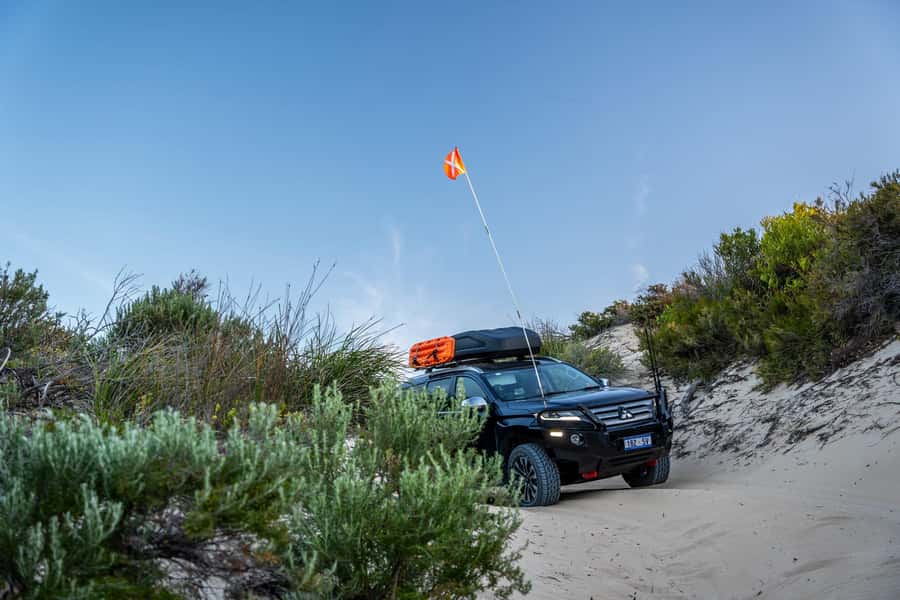
In this kind of terrain, the guide matters. You want someone who knows the tracks, understands when conditions change, and can keep the group moving at a good pace. The experience is set up for that: a live guide leads the tour, and it’s offered in English and Chinese.
In particular, guides like Ben are highlighted for being entertaining and highly experienced, and for knowing the track well. That combination matters because dune routes can vary with conditions. A well-prepared guide also makes the trip smoother—so you’re not spending time figuring out what’s next.
If you’re the kind of traveler who feels more comfortable when someone has done the route many times, this tour’s guide-focused setup is a strong match.
What’s included (and what that means for value)
You get the essentials that actually add up on a short tour:
- Hotel pickup and drop-off
- Guide
- Light snacks, tea, and coffee
- Free photo
At $112 per person for 210 minutes, the value comes from the combination: transportation + a capable guide + a small group + off-road access where getting there on your own wouldn’t be simple. You’re also not paying extra for basic comfort items like tea/coffee and light snacks, which keeps the tour enjoyable while you wait for sunset.
Meals aren’t included, so you’ll want to plan dinner for after. If you’re hungry late, it’s worth thinking about what you’ll eat right after the tour ends so you’re not scrambling.
Optional add-ons exist too: a cheese platter and local premium white and red wine are available for an extra charge, plus a professional photoshoot can be booked separately. Alcohol isn’t included in the base experience.
Price and logistics: the sweet spot for a 3.5-hour adventure
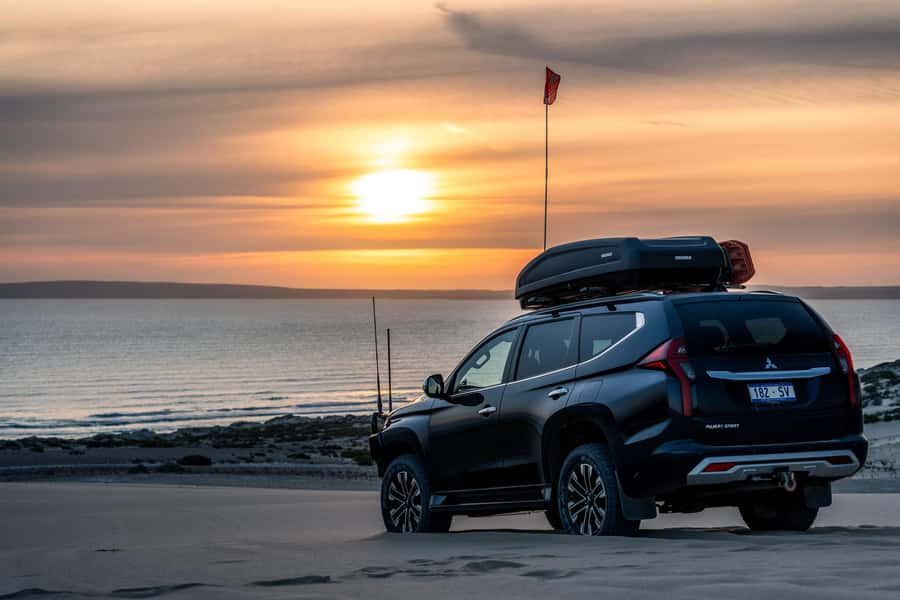
A dune sunset tour can easily end up overpriced if it’s mostly a bus ride and a quick photo stop. Here, your time is spent where it counts: sand driving, lookout moments, and watching the dunes as the light changes.
You’ll also benefit from the group size. A maximum of 6 participants sounds small because it is. That size helps your guide manage timing and wildlife scanning without constantly herding people. It also often means you’re not stuck behind a wall of bodies at the viewing points.
The one logistical reality: the tour duration is 210 minutes, so it’s not a full-day national park exploration. It’s a focused sunset experience, which is exactly what most people want when the goal is the dunes at golden hour.
What to bring (and what the dunes demand)
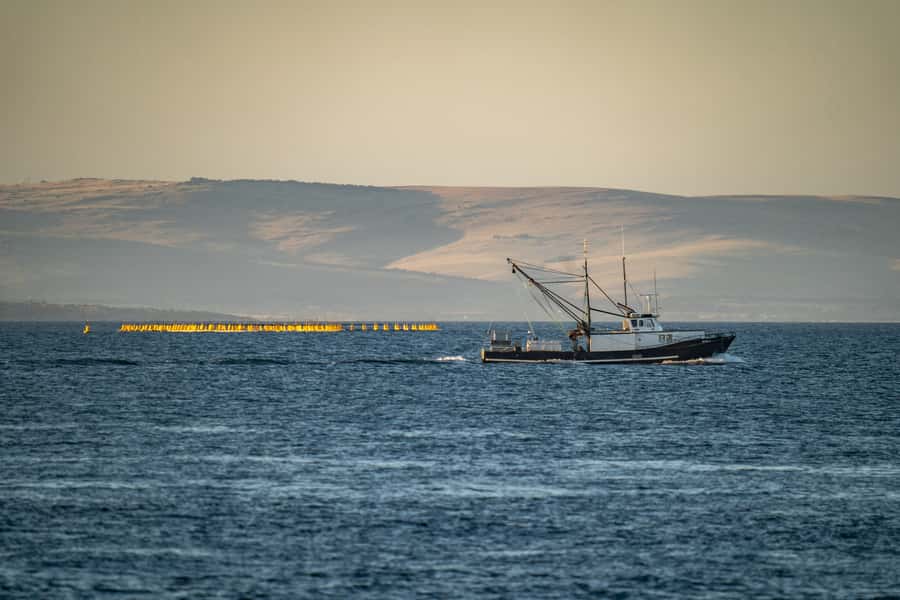
The park and dunes weather can change fast, so pack for wind and sand, not just the temperature.
Bring:
- Comfortable shoes
- Windbreaker
- Long pants
- Reusable water bottle
The windbreaker is especially important. Even when it’s warm, coastal wind can cut through at dusk.
Also note what’s not allowed:
- No drones
- No alcohol and drugs
If you’re planning to bring layers, do it. A thin extra layer can make the difference between enjoying the sunset and wanting to move on quickly when the temperature drops.
Who this tour is best for—and who should reconsider
This works best if you want:
- A sunset plan that’s more active than a simple walk
- The thrill of 4WD dune driving
- Wildlife scanning (birds plus the chance for reptiles and echidnas)
- A small-group format from Port Lincoln with pickup and drop-off
You should reconsider if:
- You need wheelchair accessibility (the tour isn’t suitable for wheelchair users)
- You fall outside the size limits: it’s not suitable for people over 264 lbs / 120 kg
- You’re over 95 years (this has an age limit)
- You dislike uneven ground, wind exposure, or the feel of riding on sand
One more practical point: severe weather can affect the tour. With dune terrain, that’s not surprising, but it’s worth keeping in mind when you pick your dates.
Should you book this Lincoln National Park Sunset Sand Dunes Tour?
I think it’s a strong booking if you’re coming to South Australia for real nature moments and you want a sunset that isn’t the same as every other viewpoint. The value is in the full package: Port Lincoln pickup, small-group dune time, sand dune sunset viewing, and wildlife searching built into the stops.
If you want a relaxing, paved-road outing with minimal movement, you might feel less happy here. This is about 4WD dunes and the energy of being out in a protected park where the light and wildlife are the stars.
If you’re within the weight/age limits, can handle wind and sand, and like the idea of seeing the coastline and dunes from a moving, track-savvy route, this tour is the kind you’ll remember long after sunset fades.
FAQ
How long is the Port Lincoln: Lincoln National Park Sunset Sand Dunes Tour?
It lasts 210 minutes.
Where does the tour start and end?
You get hotel pickup and drop-off from Port Lincoln.
What’s included in the price?
The tour includes a guide, light snacks, tea and coffee, hotel pickup and drop-off, and a free photo. Meals are not included.
Is alcohol included or allowed?
Alcohol is not included, and alcohol is not allowed during the tour.
What wildlife might I see?
You can look out for Rosenberg’s goanna, echidnas, and birds including western whip birds and hooded plovers. The region has over 130 species of birds.
What should I bring?
Bring comfortable shoes, a windbreaker, long pants, and a reusable water bottle.
Is this tour suitable for wheelchairs or limited mobility?
No. It is not suitable for wheelchair users, and it also has limits for people over 264 lbs / 120 kg and over 95 years.