REVIEW · BIG ISLAND OF HAWAII
Volcanoes National Park: Guided, Small-Group Hike
Book on Viator →Operated by Volcanoes Hiking Guides · Bookable on Viator
One look at Kīlauea Crater tells you Hawaii means business. This guided hike turns that drama into a walk you can actually manage, with crater access, great food, and a guide who connects the geology to what you’re stepping on.
I love the way this route strings together the park’s top volcanic “wow” stops—Halemaʻumaʻu, Kilauea Iki, and Thurston Lava Tube—without feeling rushed. I also really like that you’re limited to just your group, so the pace and questions don’t get swallowed by a big bus crowd.
One heads-up: this is on active volcanic terrain, so you need moderate fitness and good weather. If conditions change, parts of the day can be adjusted or the tour can be canceled with a refund or alternate date.
In This Review
- Key things to know before you go
- Why this Volcanoes National Park hike feels different
- Getting started at Kīlauea Visitor Center (and why it matters)
- The route: Halemaʻumaʻu to Kilauea Iki to the lava tube
- Halemaʻumaʻu Crater: watching a living volcano
- Kilauea Iki Trail: walking across a hardened lava lake
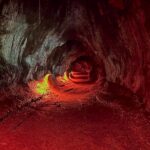
- Thurston Lava Tube (Nahuku): the halfway “how is this even real?” moment
- Native Hawaiian forest: the recovery story after fire
- Food, pacing, and comfort: why the meal setup is a big deal
- The guides: what you gain besides directions
- Price and value: what $220 buys you (and what costs extra)
- Weather, safety, and the real meaning of moderate fitness
- Who should book this hike
- Should you book Volcanoes National Park Guided, Small-Group Hike?
- FAQ
- FAQ
- How long is the guided hike?
- Where does the tour start and end?
- What hiking distance should I expect?
- Is the hike suitable for beginners?
- Is it a small-group tour?
- What’s included in the price?
- Do I need a park pass?
- What language is the tour offered in?
- What should I bring if I don’t have hiking gear?
- What happens if the weather is bad?
Key things to know before you go
- Small-group, private style: only your group participates, so you get real time with your guide
- ~8 miles with stops that matter: you’re hiking farther than a quick scenic loop, with time built in for viewpoints
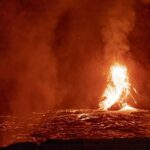
- Halemaʻumaʻu while it’s active: the crater has had lava eruptions since Dec 23, 2024, about once a week or every week or two
- Kilauea Iki hardened lava lake crossing: you’ll walk across the aftermath of a volcanic event
- Thurston Lava Tube (Nahuku): a major park highlight with a dedicated stop around the halfway point
- Meals and gear handled: breakfast, gourmet lunch, snacks, plus backpacks and trekking poles included
Why this Volcanoes National Park hike feels different
Volcanoes National Park can be overwhelming. There’s so much power in the ground that it’s easy to stare and miss the story.
This hike is designed to keep you moving and learning at the same time. You start at the Kīlauea Visitor Center, then work your way through the park’s big volcanic landmarks: first Halemaʻumaʻu Crater, then Kilauea Iki Crater, and halfway through you hit the Thurston Lava Tube. The guide handles the pacing and the explanations so you’re not trying to decode everything on your own.
Another reason I’d pick this style is the group size. “Small group” here really means it: you’re not sharing your day with a parade of strangers. One review noted a setup with two guides for a tiny group, and that kind of attention makes a half day feel like a private lesson.
You can also read our reviews of more tours and experiences in Big Island of Hawaii.

Getting started at Kīlauea Visitor Center (and why it matters)
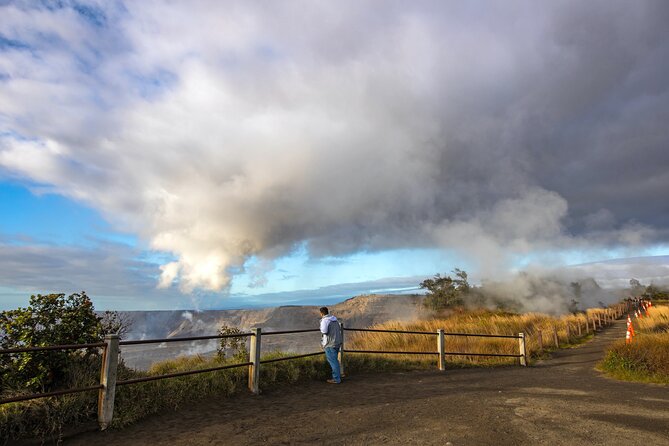
The meeting point is the Kīlauea Visitor Center at 1 Crater Rim Drive, Volcano, HI 96785. Ending back at the same place keeps the day simple: no complicated shuttles, no “where do we meet later?” anxiety.
The day runs about 6 hours 30 minutes. You’ll want to plan for a solid morning workout, not a casual stroll. The route is about 8 miles, and it includes multiple crater viewpoints plus the tube area and a walk through a native Hawaiian forest.
You’ll also be given practical support right from the start. The tour includes backpacks and trekking poles, which helps a lot on uneven volcanic ground. That’s a small detail, but it can make the difference between feeling fresh at the end and feeling battered.
The route: Halemaʻumaʻu to Kilauea Iki to the lava tube
This hike is built like a story with chapters. Each stop changes what you’re looking at—active eruption area, hardened lava surfaces, an underground lava feature, and then a forest that shows what life does after fire.
Halemaʻumaʻu Crater: watching a living volcano
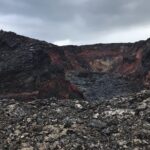
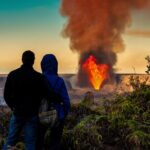
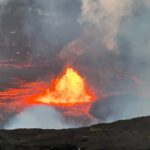
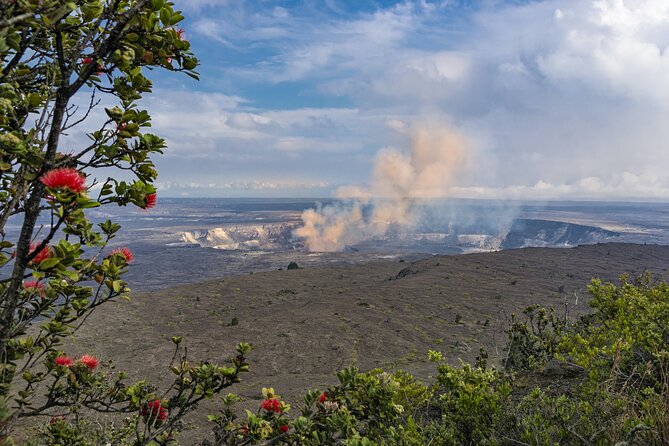
You begin by heading into Halemaʻumaʻu Crater. The crater has been seeing lava eruptions since Dec 23, 2024, with eruptions happening about once a week or every week or two. That timing matters because you’re not just learning about volcanoes from posters—you’re seeing a current, moving system.
What you’ll likely value most here is perspective. Halemaʻumaʻu isn’t just a dramatic sight; it’s the “engine room” behind the park’s recent activity. Your guide connects what you’re seeing to how eruption cycles shape the ground around it.
One practical note: active lava areas can shift, and safety comes first. Even with the best viewpoints, what you see may vary day to day. If the day lines up well, you might get a bonus moment seeing signs of eruption activity, but don’t treat that as guaranteed.
Kilauea Iki Trail: walking across a hardened lava lake
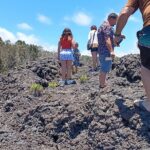
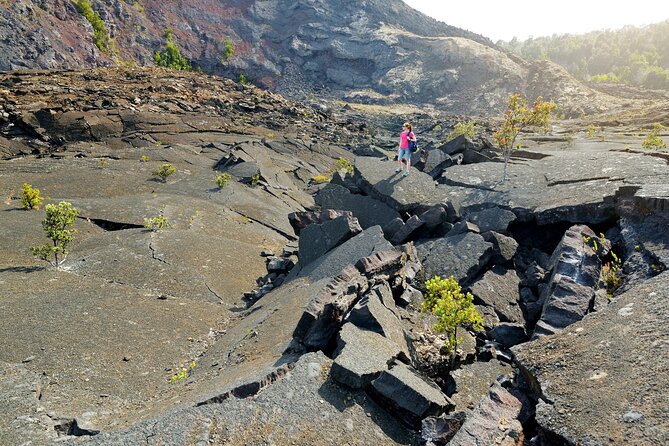
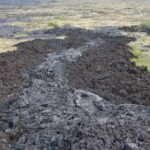
After Halemaʻumaʻu, the route leads you into Kilauea Iki Crater. This is where the hike gets extra satisfying because you can safely travel across hardened lava that once formed a lava lake.
This section is one of the main reasons people love the tour: it’s tactile geology. You’re not only looking at volcanic features from a rim. You’re moving across the altered rock that resulted from an eruption.
It also helps you understand why the park has rules and why certain areas get closed. Lava ground can be tricky underfoot, and your guide’s route choices keep you on the safe side of the line.

Thurston Lava Tube (Nahuku): the halfway “how is this even real?” moment
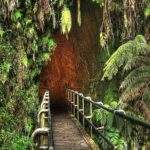
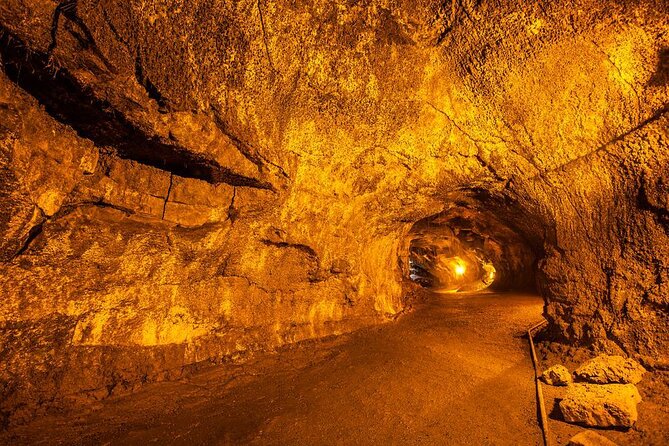
About halfway through, you’ll visit the Thurston Lava Tube. In the park, lava tubes are like time capsules—channels formed when the surface cooled while molten lava continued flowing inside.
The Nahuku-to-lava-tube portion is a major highlight, and you’ll feel that shift in the day. The terrain changes, the sound changes, and the whole experience becomes more about texture and atmosphere than open views.
Because the tour includes trekking poles and a small-group pace, this part doesn’t feel like a race. You get time to look, ask questions, and move at a comfortable speed.
Native Hawaiian forest: the recovery story after fire
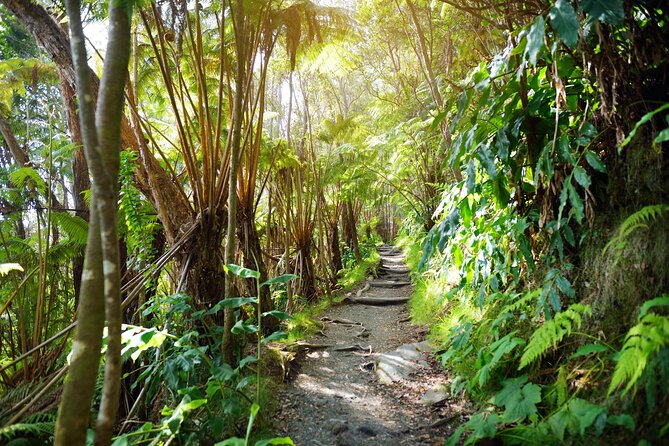
The hike doesn’t stop at craters. After the tube and lava-lake walking, you enter a native Hawaiian forest area.
This part matters because it keeps the story balanced. Volcanoes are destructive, but they’re also part of an ecosystem’s longer timeline. Your guide shares insights about the park’s geology and history while you walk among unique flora and fauna.
This section can also be a mental reset. When you’ve spent the morning staring at rock formed by extreme heat, it’s refreshing to shift to living detail—leaves, birds, and the quieter texture of the forest floor.
Food, pacing, and comfort: why the meal setup is a big deal
One of the smartest perks here is that you’re not hiking hungry. You get breakfast, snacks, and a lunch picnic in a “gourmet lunch” style, with a guided moment to relax and refuel.
That lunch isn’t just calories. It’s scheduled to let you take in the surroundings instead of shoving food into your mouth while you check your watch. One highlight from the tour’s feedback was lunch at an amazing lookout, plus extra treats like a homemade chocolate chip cookie brought by the guide.
If you’re the type who gets hangry on hikes, this is a real quality-of-life improvement. If you’re the type who likes photo breaks, the food timing gives you permission to pause without feeling behind.
Pacing is also part of the value. One review credited Jennifer with adjusting the pace to the group’s comfort level. Another described a balanced guide setup with two guides handling different strengths, which kept the day moving without cutting off questions.
The guides: what you gain besides directions
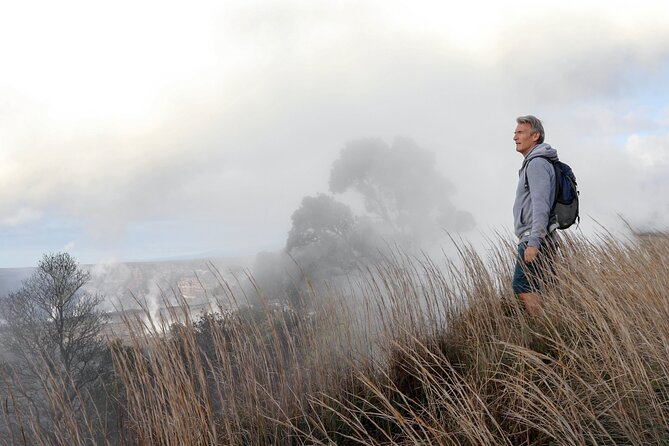
The magic of a guided volcano hike isn’t that you get to the right spots. It’s that someone connects your footsteps to the bigger why.
You might work with guides like Jennifer (including Jennifer Bell) or Yvonne, both known for volcanology-focused storytelling and for answering a wide range of questions. In at least one case, a guide’s son (Cameron) joined, turning the day into a two-person teaching team.
What you should expect is more than facts. You’ll hear explanations that make the crater and lava features feel readable—why a surface looks the way it does, what created it, and how the park is managed for sustainability and safety.
Also, guides here can be flexible. One day-focused comment was that the guide tailored the experience to what the group wanted. That’s especially useful at Volcanoes National Park because conditions can change—weather, light, and visibility can shift fast.
Price and value: what $220 buys you (and what costs extra)
The price is $220.00 per person and the tour runs about 6.5 hours. On paper, that’s not cheap for a hike. But you’re paying for several things that add up:
- Guide time for a technical, multi-stop route across craters and a lava tube
- Breakfast, gourmet lunch, and snacks included
- Backpacks and trekking poles provided, which can save you from renting or buying gear
- A route designed for a small group, not a mass-run scramble
You still need to budget for the National Park pass and park admission fee, which are not included: $15 USD for the National Park Pass and $15.00 per person for the Volcanoes National Park admission fee.
So your real cost is the tour price plus those park fees. Even then, the included food and gear make the price feel more reasonable—especially if you’re traveling light or don’t want to fuss with rentals.
If you love learning while you walk and you want the best chance at crater-level viewpoints without stress, this is the type of day that can justify itself.
Weather, safety, and the real meaning of moderate fitness
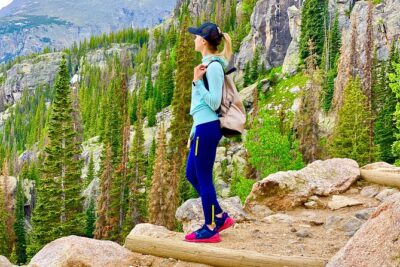
This hike requires moderate physical fitness. With about 8 miles and uneven volcanic terrain, you’ll want to be comfortable walking for hours and adjusting your stride on rocky ground.
Weather is a big deal at Volcanoes National Park. The tour also notes it requires good weather, and it can be canceled due to poor conditions. If that happens, you’ll get offered another date or a full refund.
In practice, that means you should watch the forecast for your booking day and keep your schedule flexible. The volcanic area can be changeable, and the guide’s job is to make sure the route stays safe and enjoyable.
Small-group format helps here too. In a larger group, safety stops can turn into bottlenecks. With a smaller group and guide-led pacing, it’s easier to keep everyone moving while staying controlled.
Who should book this hike
This tour is best for you if:
- You want the main Kīlauea crater highlights without spending your day plotting logistics
- You like hikes that mix views with real interpretation
- You’re okay with moderate effort and want help on footing using trekking poles
- You’d rather ask questions than try to read the terrain yourself
It may be less ideal if you want a super-short, low-effort hike or if you have mobility limits that make rocky, crater terrain hard.
It also fits couples well and small families who can handle the distance and pace. Private tour style means you can often match the day to your interests—views first, learning first, or a more relaxed tempo.
Should you book Volcanoes National Park Guided, Small-Group Hike?
If you’re deciding between doing Volcanoes National Park on your own and hiring a guide, I’d lean toward this guided option. You’re getting a crater-focused route that hits the park’s key wow areas—Halemaʻumaʻu, Kilauea Iki, and Thurston Lava Tube—plus you get food, gear, and small-group attention.
Book it if you want more than a walk. Book it for the chance to understand what you’re seeing while you’re standing in it.
Skip it only if you know you can’t handle moderate hiking or you’re traveling during a period when you can’t adjust plans if weather forces a change.
FAQ
FAQ
How long is the guided hike?
The hike runs about 6 hours 30 minutes (approx.).
Where does the tour start and end?
The tour starts at the Kīlauea Visitor Center at 1 Crater Rim Drive, Volcano, HI 96785, and it ends back at the same meeting point.
What hiking distance should I expect?
The custom route is approximately 8 miles.
Is the hike suitable for beginners?
It’s listed as requiring a moderate physical fitness level, so it’s best for people who are comfortable with a half-day hike.
Is it a small-group tour?
Yes. It is private, meaning only your group participates.
What’s included in the price?
The tour includes lunch picnic, snacks, and backpacks with trekking poles. It also includes breakfast as part of the day.
Do I need a park pass?
Yes. The National Park Pass is not included and costs $15 USD, and the Volcanoes National Park admission fee is also not included at $15.00 per person.
What language is the tour offered in?
The tour is offered in English.
What should I bring if I don’t have hiking gear?
The tour provides backpacks and trekking poles, which covers a lot of the equipment side.
What happens if the weather is bad?
The tour requires good weather. If it’s canceled due to poor weather, you’ll be offered a different date or a full refund.