REVIEW · HAMBANTOTA
Bundala National Park Safari (PRIVATE TOURS)
Book on GetYourGuide →Operated by Yala Dreams wild Safari Tours Sri Lanka · Bookable on GetYourGuide
Bundala turns birding into a safari. I like how this private 5-hour drive puts you on lagoons and dunes with an English guide who actually looks for wildlife, not just checks boxes.
What I really like is the bird-first strategy and the fact that guides will often pause and switch off the engine so you can photograph without noise. And I like the value: bottled water, cool drinks, and binoculars are included.
One thing to plan for: the national park entrance ticket fee is not included, so your total spend will be a bit higher at the gate.
In This Review
- Key highlights that make this Bundala safari worth it
- Why Bundala National Park is a different kind of safari in Sri Lanka
- Your 5-hour plan: how the day flows (pickup, safari drive, drop-off)
- Pickup in the Yala and Hambantota region
- Bundala safari with a guided drive
- Drop-offs back to your area
- What you can realistically spot: birds first, then the rest of the food chain
- The birding targets that actually guide your experience
- Flamingos and the winter vibe
- Crocodiles, turtles, and the reptile bonus
- Elephants in Bundala: seasonal odds and what the sightings feel like
- Why the guide matters: how birding-level spotting changes everything
- Coast-side stops and sunset energy: a nice extra if timing works
- Price and value: what $36 includes, and what you’ll pay extra
- Who this safari is best for (and who might want a different plan)
- Practical tips so you get the most from your Bundala drive
- Should you book this Bundala National Park Private Safari?
- FAQ
- How long is the Bundala National Park private safari?
- Where are the pickup locations?
- Where can I be dropped off after the safari?
- Is there an English-speaking guide?
- What’s included in the price?
- Do I need to pay the national park entrance ticket separately?
- Is this a private tour?
- Is free cancellation available?
- Can I reserve now and pay later?
Key highlights that make this Bundala safari worth it
- Private jeep + hotel pickup from the Yala area and nearby towns, so you waste less time finding transportation
- Birding focus in a real wetland with up to 197 bird species and Ramsar-protected habitat
- Guide-level spotting and photo care, including engine-off pauses and patient scanning
- Good elephant odds by season, with 15 to 60 elephants possible depending on timing
- Wildlife variety beyond birds, like crocodiles, monkeys, and even chances at sea turtles during the nesting season
- Small-park feel, often calmer than nearby safari hotspots
Why Bundala National Park is a different kind of safari in Sri Lanka
Bundala National Park is all wetlands, waterways, lagoons, and dunes. That mix matters. Instead of searching everywhere for animals, you’re driving through a working habitat where birds feed, rest, and stage migrations.
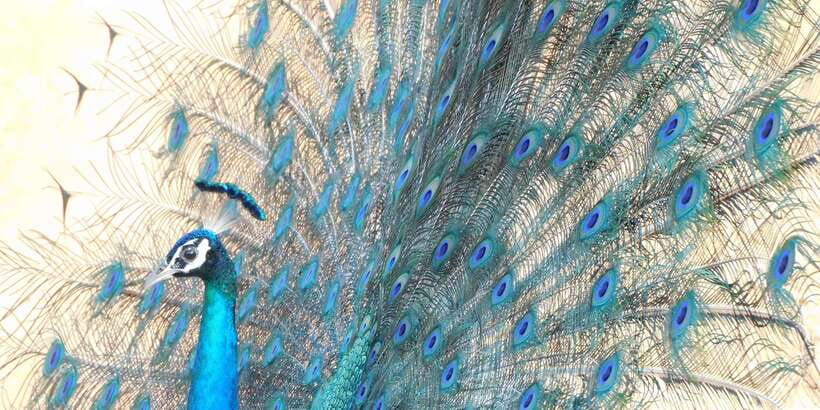
This park is famous for migratory water birds, and the numbers back it up: 197 bird species within about 62 square kilometers. Bundala also became a Ramsar Wetland in 1991 and later a UNESCO biosphere reserve in 2005. Translation: it’s protected, and it’s the kind of place where careful driving and patient birding pay off.
If you want a safari that feels calm and nature-forward, this one has the right ingredients. It’s also a great choice if you’ve heard other areas can feel busy. Bundala tends to offer a quieter experience, and the wild life doesn’t disappear just because there are fewer jeeps.
You can also read our reviews of more tours and experiences in Hambantota.
Your 5-hour plan: how the day flows (pickup, safari drive, drop-off)
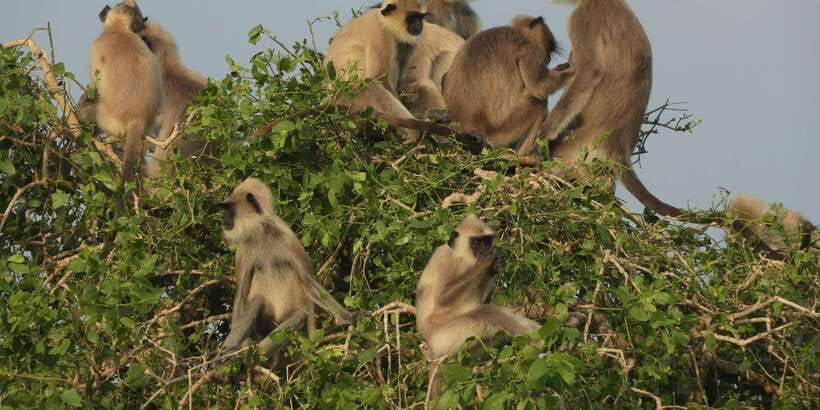
This is built as a smooth, no-fuss half-day. You get private transportation, a safari jeep, and a live English-speaking guide, with the whole experience running about 5 hours.
Pickup in the Yala and Hambantota region
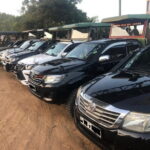
You can be picked up from several options: Weerawila, Debarawewa, Tissamaharama, Yoda Kandiya, Kataragama, or Kirinda. The operator also notes pickup from hotels across Yala, Kirinda, Tissamaharama, Kataragama, Debarawewa, Yoda Kandiya, Bundala, and Weerawila areas.
Why you’ll like this: less logistical stress. You’re not coordinating rides or trying to figure out where the jeep is waiting. It’s especially useful if you’re basing yourself around Hambantota or nearby towns.
Bundala safari with a guided drive
Once you’re in the park, you’re on a guided safari drive for the main stretch. The focus is on spotting wildlife through the park’s wetland maze—where lagoons and waterways shape where birds gather.
You should expect frequent stops for scanning and viewing. Guides here are trained to spot animals and birds efficiently, and the better ones also understand how to get you better shots. Several safari days include engine-off pauses, which helps both your eyes and your camera.
Drop-offs back to your area
After the safari drive, you’ll be dropped off at one of: Kataragama, Yoda Kandiya, Tissamaharama, Debarawewa, Weerawila, or Kirinda. That means you can plan dinner and the rest of your day without guessing how far you’ll need to travel.
What you can realistically spot: birds first, then the rest of the food chain
Bundala’s bird list is the headline. But what makes the park fun is that birds bring in everything else—predators, reptiles, and mammals that use the same water sources.
The birding targets that actually guide your experience
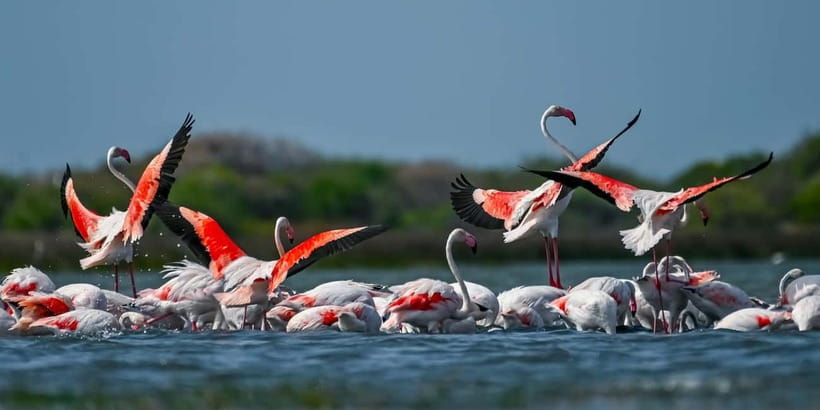
The park supports nearly 200 bird species, and it’s tied to migration rhythms. Birds arrive from August to April, with December through March usually the strongest window. Greater flamingos can peak too: up to 2,000 have been recorded at one time.
If you’re a birder, you’ll likely hear about (and try to photograph) a range of birds that show up in the experience, including:
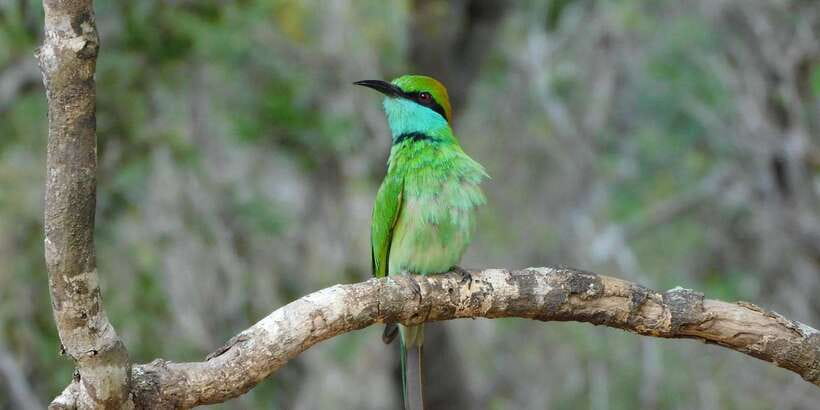
- Green bee-eaters
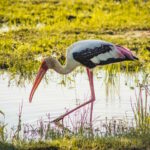
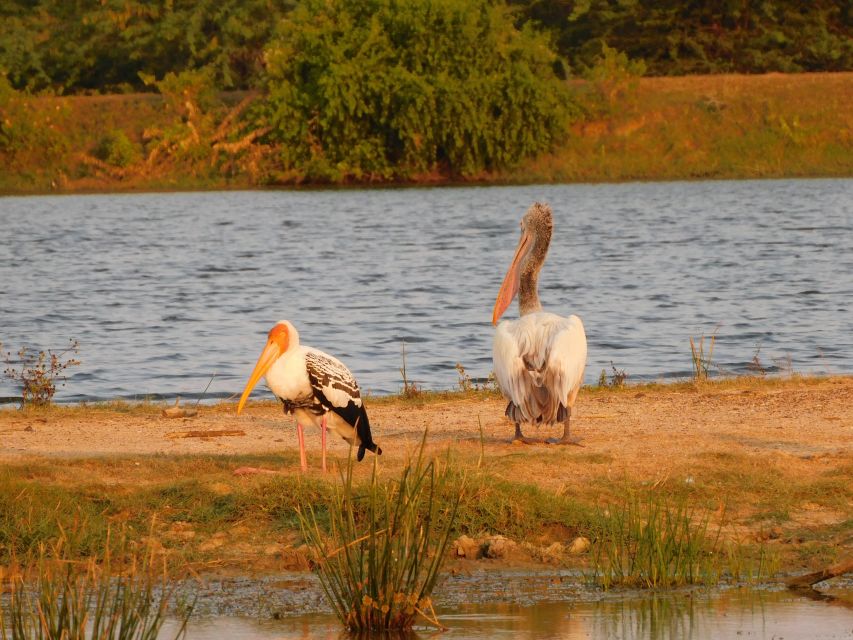
- Painted storks and pelicans
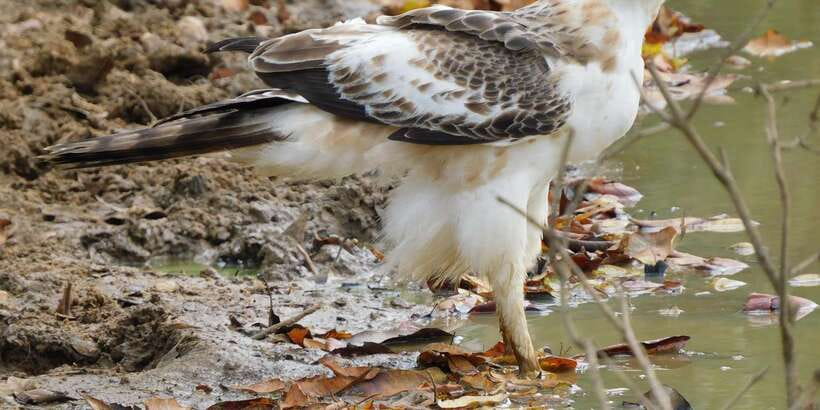
- Eagles, serpent eagles, and Brahminy kites
- Glossy ibis, purple herons, and openbill
- Jacanas, coucals, munias, and lapwings
Also, don’t think this is only about big-name species. Smaller birds can be the most fun because guides keep scanning and calling out behavior, not just the bird’s name.
Flamingos and the winter vibe
If your trip lines up with winter, you’re in the sweet spot for the wetland action. Flamingos are a top seasonal draw, and even when the flamingos aren’t right in front of you, the bird diversity in general is usually stronger.
Crocodiles, turtles, and the reptile bonus
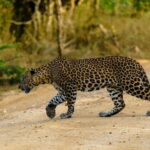
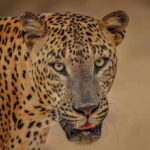
Bundala isn’t just birds. The area also has plenty of crocodiles, plus civets and giant squirrels. During October to January, Bundala’s coast becomes important for marine turtle nesting: four of Sri Lanka’s five turtle species (olive ridley, green, leatherback, and loggerhead) lay eggs in that period.
Your practical takeaway: if you’re traveling in those months, you’re in the right time window for turtle activity. Even if your sightings don’t guarantee every species, the ecosystem focus makes the trip feel more complete than a one-track bird drive.
Elephants in Bundala: seasonal odds and what the sightings feel like
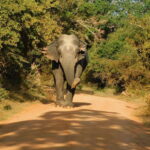
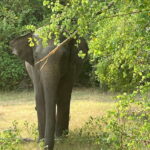
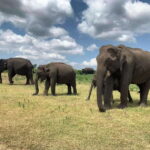
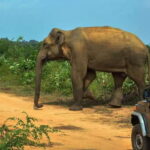
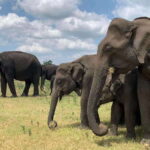
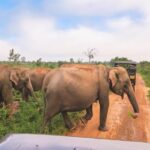
Elephants are one of the main reasons people keep coming back. The park can hold 15 to 60 elephants, depending on the season—with December described as the best month.
That range is huge. It means your elephant experience will likely depend on timing. In lower seasons, you may find fewer animals moving around, but you can also get a calmer park feel. Either way, you’re going into the right ecosystem for elephants, not a random guess.
From the safari setup, you’ll also want to watch for details like group size and baby elephants. When elephants appear, guides tend to position you so you can observe without crowding. In several experiences with this operator, drivers and guides are described as respectful of wildlife and willing to slow down when it matters.
Why the guide matters: how birding-level spotting changes everything
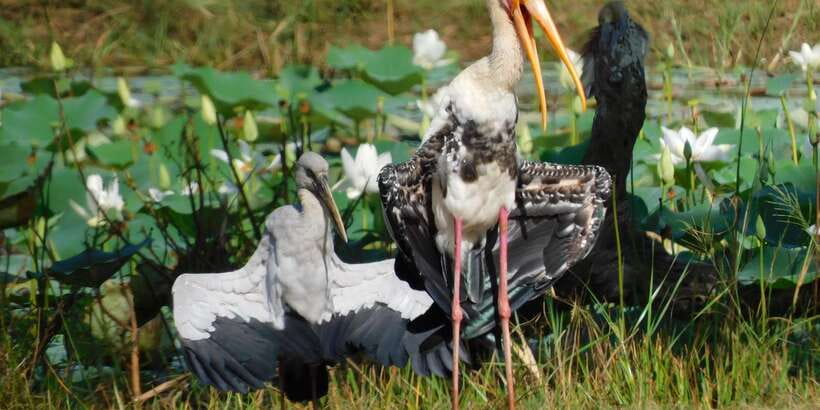
A safari can be just driving. Or it can be real wildlife interpretation. This tour leans hard into the second option.
The guides you might meet include bird-focused experts such as Sakun, Maduka, Surimal, Imal, and Ishan. The common thread is smart scanning: they spot wildlife from farther away and then guide you to the best viewing points.
What you’ll feel during the drive:
- Stops come at the right moments, not random pauses
- Engines may be switched off to reduce disturbance and improve photo odds
- Guides share what you’re looking at, not just that something is there
Several experiences also highlight photography-friendly behavior. The guide will often switch off the engine and hold the right position so you can shoot without vibrations and noise.
And if you’re into learning, you can get more than English basics. One experience even notes bird names communicated in German, which is a nice reminder that a strong guide can adjust to your interests fast.
Coast-side stops and sunset energy: a nice extra if timing works
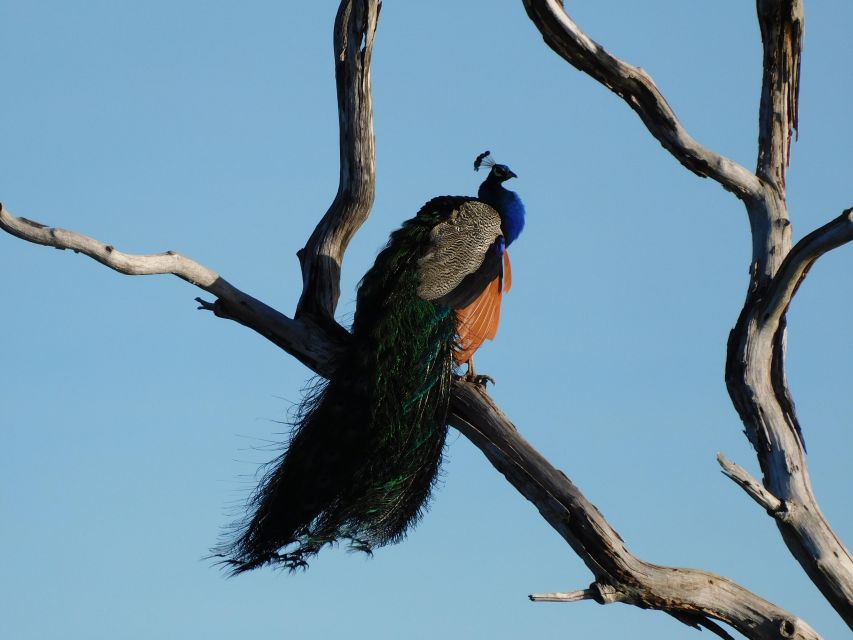
Bundala’s wetland system also connects to coastal scenery. Some safari experiences include a stop outside the core driving areas to enjoy sea views or a sunset viewpoint.
In one set of experiences, there was time to see the sea and beaches. In another, there was a sunset moment outside the park for an unforgettable view of bats. These are not guaranteed for every day, but the pattern fits Bundala’s geography.
My advice: if your guide offers a short coast or sunset add-on and it doesn’t break your comfort level, take it. It turns your safari from a single-spotting session into a full Sri Lankan nature moment.
Price and value: what $36 includes, and what you’ll pay extra
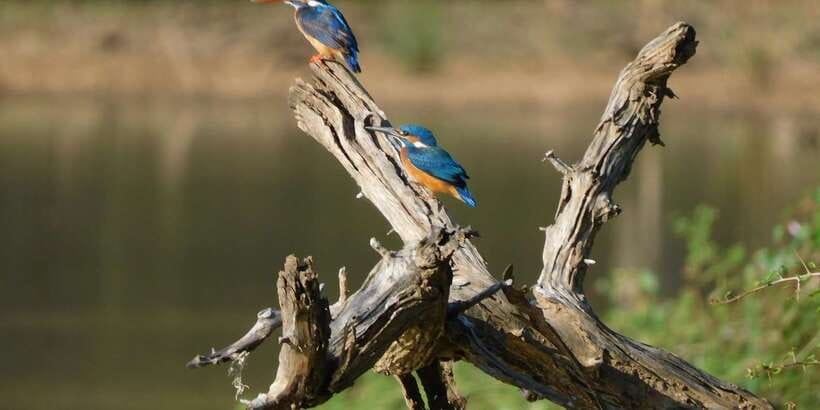
The listed price is $36 per person for a 5-hour private safari. That’s not a lot when you factor in what’s included:
Included:
- Private transportation
- Safari jeep
- English live tour guide
- Hotel pickup and drop including the listed areas
- Bottled water and cool drinks
- Free binoculars
- Safari service and driving/guiding expertise
Not included:
- National park entrance ticket fee
So what’s the real value? You’re paying for transport + a jeep + a guide + gear support. If you tried to self-arrange transport, you’d spend money and time. If you hired a guide separately, you’d lose the convenience of pickup and drop. Here, the package is designed to reduce friction.
One more practical note: your total cost will depend on the entrance ticket fee at the park, since that part is added separately. Plan on it so there are no surprises.
Who this safari is best for (and who might want a different plan)
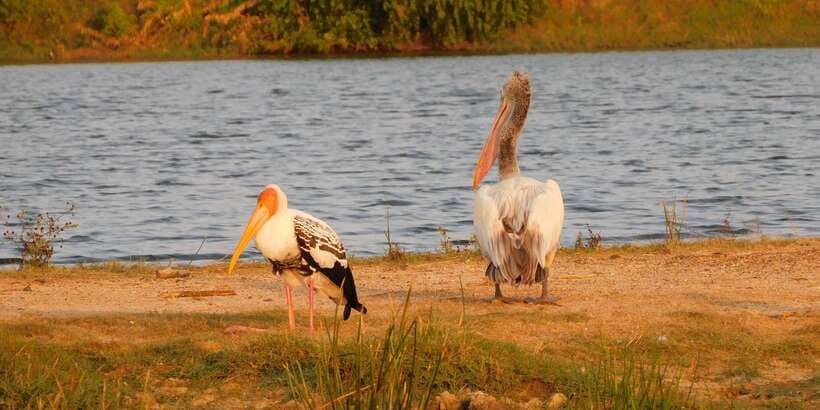
This Bundala private safari is a great match if you:
- Want birdwatching with real guidance, not just sightseeing
- Prefer a quieter, less hectic park feel
- Care about photo moments and patient spotting
- Are staying around Tissamaharama, Kataragama, Kirinda, Debarawewa, or Weerawila and want easy pickup
It may not be the perfect fit if you only want guaranteed big game on a tight schedule. Wildlife is always wildlife, and sightings depend on season and animal movement. But if you come with flexible expectations and a birding mindset, you’ll likely feel like the time is well spent.
Practical tips so you get the most from your Bundala drive
You already get binoculars, plus water and cool drinks. So you can focus on the stuff that actually improves your viewing:
- Bring a camera or phone with enough storage and battery, since bird stops can be frequent.
- Wear comfortable clothing that works for warm weather and sun exposure, because you’ll spend time near open areas and water edges.
- Keep your eyes moving. Great spotting is often about quick checks of the waterline and reeds, not just scanning the sky.
Also, if you’re serious about photos, tell your guide you want longer looks at birds rather than quick passing. The guiding style here is known for engine-off pauses, which makes a difference.
Should you book this Bundala National Park Private Safari?
If your goal is a focused, private safari with birdwatching energy and a guide who knows how to find wildlife, I think this is a strong booking. The value is solid because transportation, a safari jeep, an English live guide, drinks, and binoculars come included. Just remember the park entrance ticket is extra.
Book it if you want a calmer Bundala experience, especially during the bird season (August to April, with December to March often best for activity and flamingo chances). Skip it or rethink timing if you need a guaranteed species list, because that’s not how wildlife works. But for most people, the blend of birds, elephants, reptiles, and a well-driven half-day in a protected wetland makes it a very worthwhile plan.
FAQ
How long is the Bundala National Park private safari?
The tour duration is 5 hours for the guided safari drive.
Where are the pickup locations?
Pickup options include Weerawila, Debarawewa, Tissamaharama, Yoda Kandiya, Kataragama, and Kirinda.
Where can I be dropped off after the safari?
Drop-off locations include Kataragama, Yoda Kandiya, Tissamaharama, Debarawewa, Weerawila, and Kirinda.
Is there an English-speaking guide?
Yes. The safari includes a live tour guide in English.
What’s included in the price?
Included are private transportation, a safari jeep, safari service and guiding/driving expertise, bottled water, cool drinks, and free binoculars, plus hotel pickup and drop in the stated areas.
Do I need to pay the national park entrance ticket separately?
Yes. The national park entrance ticket fee is not included.
Is this a private tour?
Yes. It’s a private group experience.
Is free cancellation available?
Yes. You can cancel up to 24 hours in advance for a full refund.
Can I reserve now and pay later?
Yes. The tour offers reserve now & pay later, so you can keep plans flexible.