REVIEW · SEATTLE
Seattle:Small Group Mount Rainier National Park 1-Day Tour
Book on GetYourGuide →Operated by Jupiter Legend Corporation · Bookable on GetYourGuide
Rainier in one day feels surprisingly doable. What makes this trip interesting is the pacing: you’re not just dropped off for a quick look. I like the small-group size (up to 12) and the fact that your guide helps you link the stops into one coherent Mount Rainier story, from Longmire up through Paradise.
Here’s the only real consideration: weather can reshape the day. In winter, heavy snowfall may halt going uphill, so you may get more of the mountain from the foothills instead of from higher viewpoints.
In This Review
- Key things I’d plan around
- Seattle to Mount Rainier: why this day trip feels efficient
- Morning pickup: Seattle neighborhoods to start times that actually work
- How the summer route hits Rainier’s “greatest hits”
- Longmire Museum: the easy first stop that sets context
- Christine Falls: quick, photogenic, and close to the road
- Narada Falls: the most accessible car-access waterfall payoff
- Paradise Visitor Center: your big viewing block
- Reflection Lake: short walk, classic view
- The winter route (Nov to April) and what changes under snow
- Wonderland Trail time: still a real taste of Rainier
- The “uphill might stop” reality
- Hiking and snowshoeing: the day adapts to season, not just weather
- Time management: what the 1-day schedule is really doing
- Lunch, snacks, and how not to get caught hungry
- Price and value: what you’re paying for at $151 per person
- The guide factor: why this tour feels more than transport
- Who should book this Rainier day trip (and who might not)
- Should you book this Seattle to Mount Rainier tour?
- FAQ
- What’s included in the tour?
- Does the itinerary change between summer and winter?
- Is hiking included, and do you use snowshoes?
- How big is the group?
- Where does the tour pick up in Seattle?
- How long is the tour?
- What if heavy snowfall prevents going uphill in winter?
- Is cancellation refundable?
Key things I’d plan around
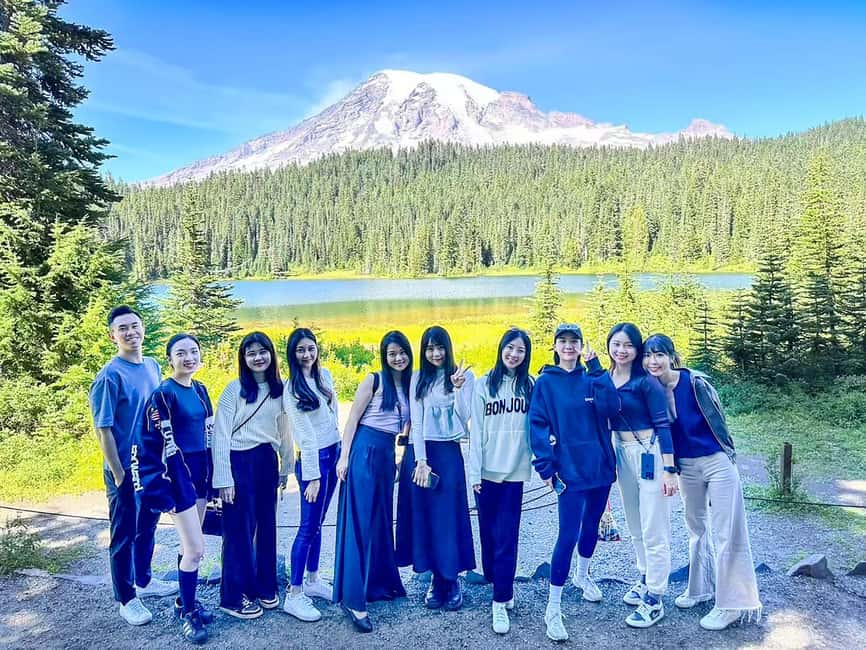
- Small group (max 12): easier conversations, quicker answers, less time waiting around.
- Two season routes: summer focuses on waterfalls and Paradise; winter swaps in the Wonderland Trail area.
- Guided timing: the day is built around specific stops with photo time plus real visitor-center time.
- Seasonal gear support: in snowy conditions, expect help with traction and winter walking tools.
- Long drive, smart structure: you’re on the road early, then the itinerary does the heavy lifting for you.
Seattle to Mount Rainier: why this day trip feels efficient
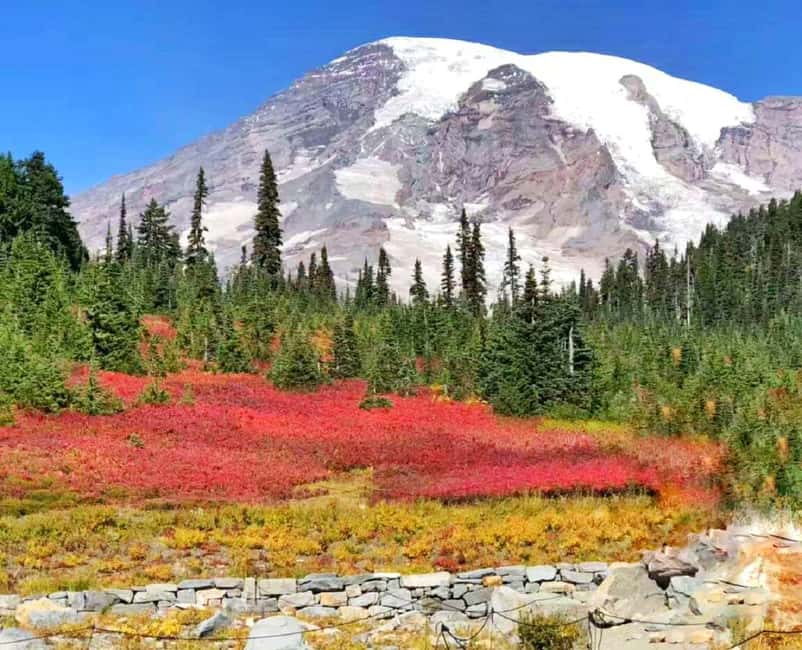
A Mount Rainier day trip sounds like a lot of driving for one mountain. But the trade is worth it if you don’t want to plan parking, interpret road closures, or chase viewpoints on your own. This tour is built around the realities of Rainier: big distances, shifting weather, and a park that rewards a guide who knows where your time will pay off.
I also like that you’re not forced into an all-hike day. You’ll get a mix of scenic viewpoints, short stretches to walk, and longer breaks where it actually makes sense to explore. That’s the difference between feeling like you survived a day trip and feeling like you got something meaningful out of it.
You can also read our reviews of more tours and experiences in Seattle.
Morning pickup: Seattle neighborhoods to start times that actually work
One of the most practical perks here is the pickup network. You can board at a long list of Seattle-area hotels and transit-friendly spots, including major downtown options and Sea-Tac Airport-adjacent locations. That matters because it removes the annoying part of Rainier logistics: you can show up, be seated, and let someone else handle the routing.
The departure window is spread across early morning options. You’ll see multiple departure times across the city—starting around the morning commute hours—so you can pick the one that best fits your schedule. For first-timers, this is also helpful: arriving at the park with a plan beats trying to figure things out after you’re already tired from getting there.
How the summer route hits Rainier’s “greatest hits”
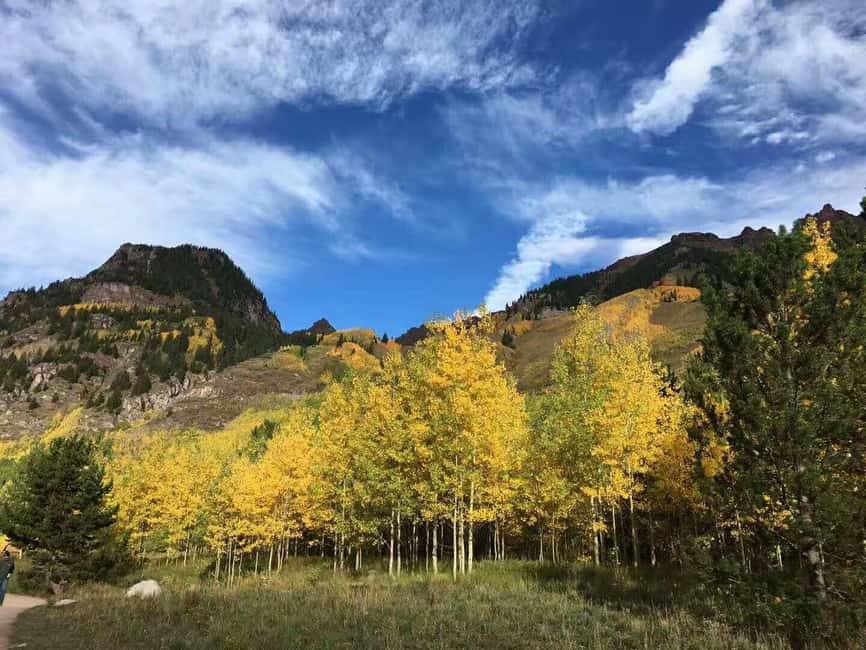
Summer (May through October) is where this itinerary looks especially strong. You get a sequence that climbs from the park entrance area toward the most famous viewing zone, with waterfall stops that don’t require a long detour from the main drive.
Longmire Museum: the easy first stop that sets context
You’ll spend time at Longmire Museum, and even that short stop is doing real work. Longmire is on the south side of Rainier at about 2,700 feet, and the museum ties together the park’s natural and geological story with historic exhibits. You don’t need to be a geology nerd to enjoy this—think of it as orientation. It helps you look at what you’re seeing later with better context, especially once the waterfalls and glaciated peak start to make sense as a system.
Summer timing gives you about 20 minutes here, so it’s enough for orientation without eating your whole day.
Christine Falls: quick, photogenic, and close to the road
Next comes Christine Falls, with a short stop built for photos and quick viewing. It’s the kind of stop that makes the whole drive feel less like a transit chore and more like a string of “pause moments.”
The downside is also obvious: this is not a long hike. If you want extended walking, save your energy for the longer stints later in the day.
Narada Falls: the most accessible car-access waterfall payoff
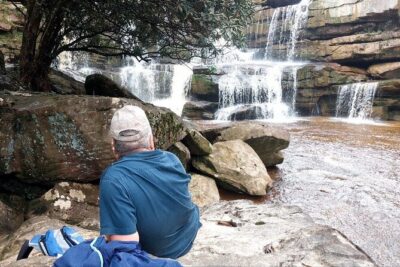
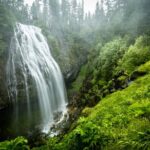
Narada Falls is the one I’d treat as a must-see. It’s right off the road to Paradise—about 150 feet—and it’s described as the largest waterfall accessible by car in the park. Summer gives you around 40 minutes here, which is a good window: you can see it well, take photos, and still move on without feeling rushed.
Also, Narada is a strong example of why a guided day trip helps. A guide can point out where to stand and what direction the best views tend to come from, so you don’t waste time wandering.
Paradise Visitor Center: your big viewing block
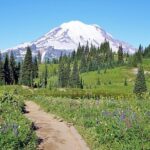
You’ll spend about 120 minutes at the Paradise Visitor Center in summer. This is where the day earns its reputation. Paradise is known for expansive mountain views and wildflower meadows, and the Henry M. Jackson Memorial Visitor Center is the main hub in that area.
Two hours sounds like a lot until you’re there and realize how much you can do without sprinting. You can visit the center, get your bearings, and still have time for a short walk for viewpoints.
Reflection Lake: short walk, classic view
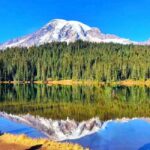
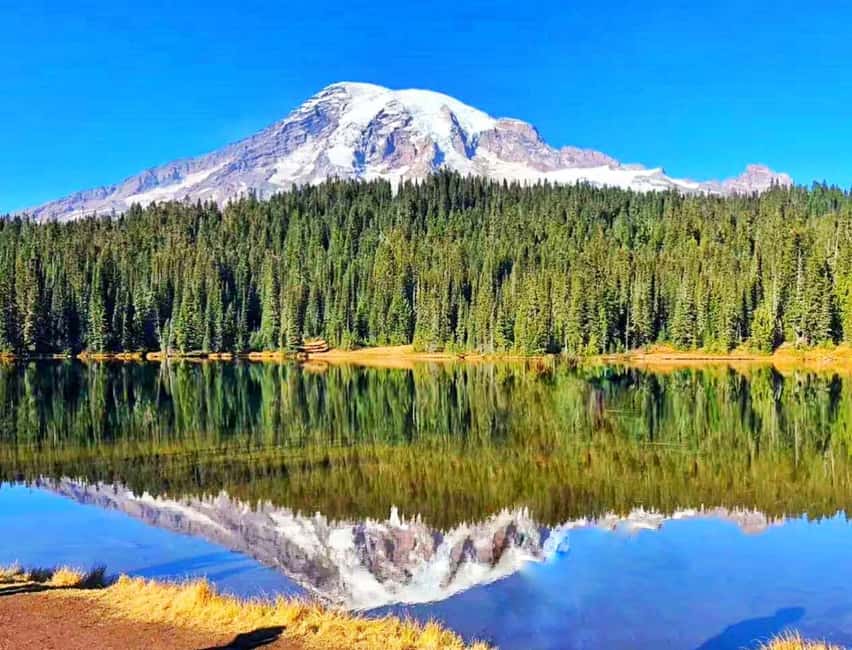
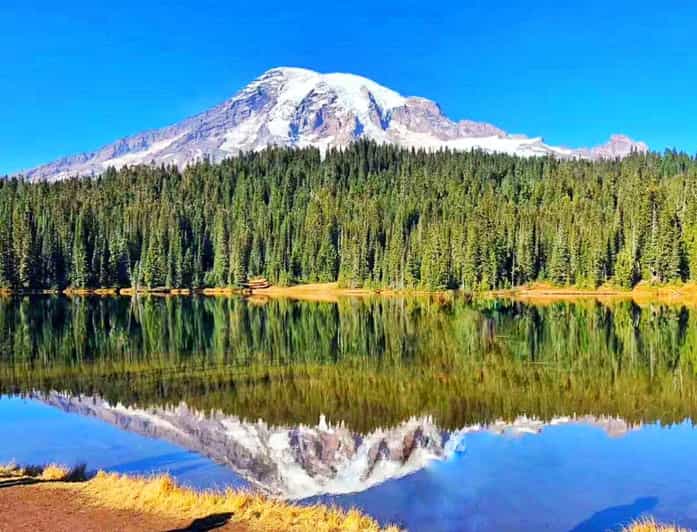
Finally, there’s Reflection Lake for about 10 minutes. This stop is brief, but it’s a smart closer. You’ll get the “Rainier is real” moment—quiet, scenic, and easy to enjoy even if you don’t want to keep hiking.
If you’re the kind of person who likes to linger, this is the one stop where you might wish it lasted longer. But as part of the overall schedule, it works.
The winter route (Nov to April) and what changes under snow
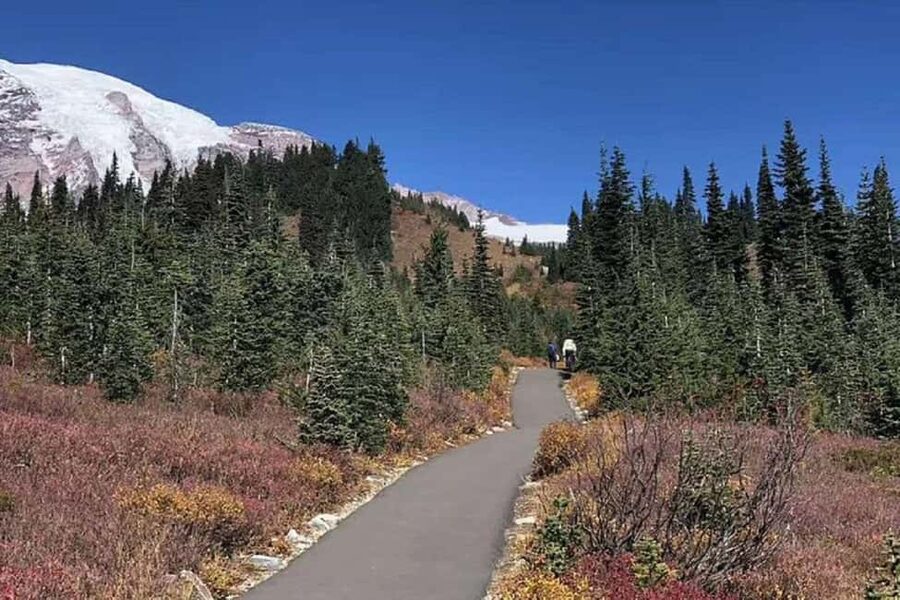
Winter (November through April) is where expectations need adjustment. Conditions can be intense, and you should be prepared for the itinerary to shift depending on what the roads allow.
In winter, the plan includes:
- Longmire Museum (about 60 minutes)
- Wonderland Trail time (about 60 minutes)
Wonderland Trail time: still a real taste of Rainier
The Wonderland Trail is famous: a 93-mile loop around the volcano, and only the most determined hikers handle it as a full backpacking challenge. In this tour, you’re not doing the whole thing. You’re getting a winter-weather slice of what makes it special—close enough to appreciate the idea, not so much that it turns into a strenuous ordeal.
The “uphill might stop” reality
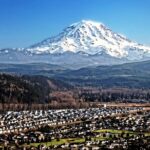
There’s an important note: if snowfall is heavy, the schedule for going uphill may be halted. If that happens, you’ll enjoy the breathtaking views at the foot of the mountain instead.
This is the right kind of backup plan. Rainier can’t be forced, and a tour that adapts is better than one that pretends weather won’t matter. If you’re traveling in winter, accept that you’re buying flexibility plus guidance, not a guaranteed high-elevation view.
Hiking and snowshoeing: the day adapts to season, not just weather
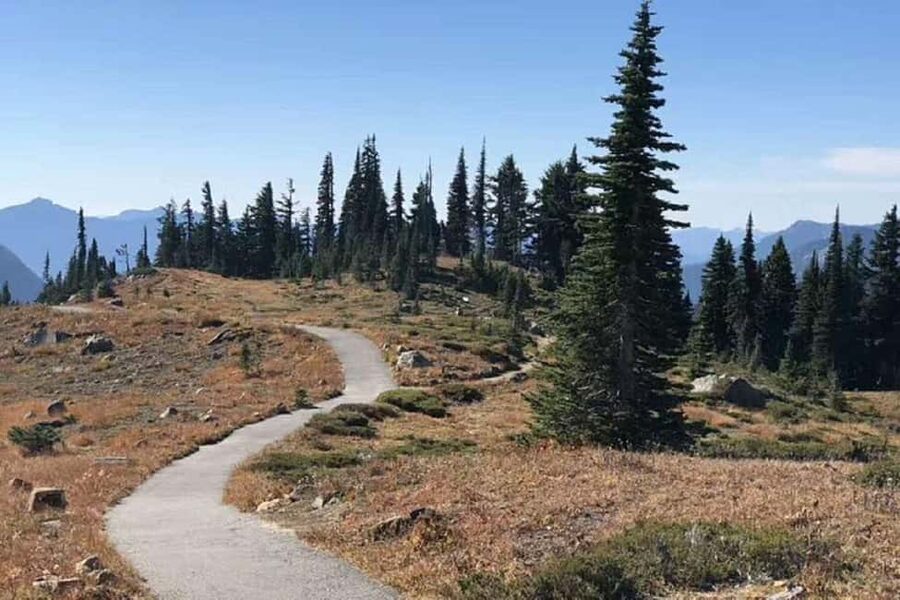
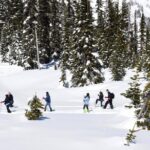
This tour is designed so you can explore the park’s best spots by hiking or snowshoeing depending on the season. That matters because Rainier in winter isn’t just “the same scenery with fewer people.” Snow and traction change how you move, and how confident you feel doing it.
And from what’s worked well with past groups, the guide help can be practical rather than just verbal. People have highlighted support like help putting on snow shoes, and the availability of traction tools such as shoe spikes and snow walking sticks. Even if you’re an experienced walker, this kind of support reduces stress fast.
My advice: dress like the ground will be colder than you think, and plan for slower movement. With guides, the goal is comfort and safety without turning the day into a crawl.
Time management: what the 1-day schedule is really doing
At first glance, a “1-day” itinerary can sound like a rush. But here, the structure is purposeful.
- You start early enough to reach the park in daylight.
- You get multiple short scenic/photo moments plus two bigger blocks: the waterfall stop and the longer Paradise time (in summer).
- In winter, you swap that Paradise-centric rhythm for Wonderland Trail time and more time at Longmire.
This kind of schedule is valuable because it protects the two things that make Rainier special: visibility and viewpoints. If you spend the middle of the day stuck in transit, you lose the best light and the best weather windows. This tour is built to reduce that risk.
Lunch, snacks, and how not to get caught hungry
Food is included—but keep it simple. You’ll get a lunch (listed as a sandwich most likely), plus a granola bar and bottle water.
That’s generally enough for a day where the main “fuel” is time outside. The catch is that food and beverage beyond what’s mentioned isn’t included, so bring a snack you can rely on if you have a sensitive stomach or strong preferences. The tour gives you the essentials; it doesn’t pretend to be a full meal plan for the whole day.
Price and value: what you’re paying for at $151 per person
$151 isn’t “cheap,” but it is also not just paying for sightseeing. For that price, you’re covering:
- Round-trip transportation from Seattle-area pickups
- Park admission
- A professional driver and guide
- A guided day plan with multiple named stops
- Lunch and basic snacks/water
- Small-group handling (limited to 12)
For many people, the real value comes from removing the hardest parts: driving decisions, park navigation, and timing. If you were to DIY it, you’d still spend money on gas, parking, and the time cost of finding your way around. And with weather risk (especially in winter), a guided plan that adjusts can be worth more than the price difference.
If you’re traveling solo or as a couple and you’d otherwise rent a car and coordinate your own stops, the math can work out well. If you already have a rental car and know exactly where you want to go, it might feel like less value. But for first-timers, it’s a strong deal.
The guide factor: why this tour feels more than transport
A good guide changes everything on Rainier. The park has so many “possible” viewpoints that it can make planning feel like homework. A guide turns that into a day you can enjoy without second-guessing.
In the feedback, several guides were praised for clarity and enthusiasm—names like Jereme, Mark, Duan, Nan, and Vladimir showed up in descriptions of excellent guiding, helpful instructions, and even support with gear like snow shoes. While you can’t guarantee any specific person, the overall pattern is what matters: the guide role isn’t passive.
I like that the guides are described as:
- giving clear instructions and timing for each stop
- adding context about the mountain and surrounding areas during the drive
- helping with practical needs (like getting snow gear on)
That kind of hands-on guidance is what keeps a winter day from becoming frustrating.
Who should book this Rainier day trip (and who might not)
This is a great fit if you:
- want a first-time-friendly Mount Rainier experience from Seattle
- prefer guided stops over self-driving and parking stress
- like structured time at the big highlights (especially Paradise in summer)
- are okay with a day that starts early and runs on a schedule
You might think twice if you:
- hate early starts and long bus time
- want long hikes with lots of free-form exploring
- are expecting a guaranteed high-elevation view in winter no matter what
In other words: you’re paying for convenience and guidance, not for total control.
Should you book this Seattle to Mount Rainier tour?
If you’re a first-timer—or you just don’t want to do the logistics math—this is an easy yes. The small group size, guided pacing, and the mix of named stops (Longmire, Narada, Paradise, and Reflection Lake in summer) give you a full Rainier “greatest hits” day.
In winter, I’d book it with the right mindset: bring layers, expect that conditions can change, and trust that the plan is designed to adapt (including swapping uphill time for views at the foot of the mountain). If you want predictability above all else, you may feel limited by that reality.
Bottom line: for most people, this is a smart way to experience Mount Rainier without turning your day into a navigation project.
FAQ
What’s included in the tour?
The tour includes park admission, transportation in a professional vehicle, a professional driver and guide, lunch (listed as a sandwich most likely), a granola bar, and bottled water.
Does the itinerary change between summer and winter?
Yes. Summer (May to Oct) focuses on stops like Longmire Museum, Christine Falls, Narada Falls, Paradise Visitor Center, and Reflection Lake. Winter (Nov to April) includes Longmire Museum and Wonderland Trail time.
Is hiking included, and do you use snowshoes?
The tour is designed for exploration by hiking or snowshoeing depending on the season, so your actual activity can vary with conditions.
How big is the group?
It’s a small group limited to 12 participants.
Where does the tour pick up in Seattle?
Pickup is available from 15 boarding locations across Seattle-area neighborhoods and also includes airport-area options.
How long is the tour?
It’s listed as a 1-day tour, with starting times that depend on availability.
What if heavy snowfall prevents going uphill in winter?
The schedule of going uphill may be halted during heavy snowfall. In that case, you’ll enjoy views at the foot of the mountain instead.
Is cancellation refundable?
You can cancel up to 24 hours in advance for a full refund.