REVIEW · SEATTLE
Mt Rainier National Park Small Group Day Tour from Seattle 2CanGo
Book on Viator →Operated by Jupiter Legend Corporation · Bookable on Viator
Rainier in a day feels almost unreal. This small-group trip is interesting because Seattle hotel pickup and a local guide handle the driving, timing, and photo-worthy stops for you, like Chris and Ryan did so well for other groups. I love that you get real time in the park (not just parking-lot selfies), plus a steady rhythm of viewpoints and short walks. The one drawback to plan around is the mountain weather and seasonal closures—if Paradise/Narada are shut, your day swaps to other viewpoints.
You’re out for about 10 to 11 hours, starting with morning pickups across Seattle. In summer (May–October) the route aims for Longmire, Christine Falls, Narada Falls, Paradise, and Reflection Lakes. In winter (November–April) it centers on Longmire and a scenic Wonderland Trail portion.
What makes this feel like good value is that the price (about $148) bundles the stuff that usually eats a full day: admission, a guide/driver, park stops, and food. You’ll carry snacks and bottled water, usually a lunch sandwich, and you’ll get to see a lot of Rainier’s iconic zones without renting a car or figuring out the timing yourself.
In This Review
- Key things I’d circle on this Rainier day trip
- Seattle Pickup and the Real Meaning of Small-Group Touring
- Mt. Rainier’s South Side: Longmire Museum as Your Fast Orientation
- Christine Falls and Narada Falls: Quick Stops With Loud Payoff
- Paradise Visitor Area and Reflection Lakes: Where the Day’s Biggest Views Happen
- Wonderland Trail in Winter: Snow-Quiet Scenery Instead of Summit Dreams
- Hiking, Snowshoeing, and What “Most Travelers” Really Means Here
- Lunch, Snacks, and the Unexpected Reality of Mountain Days
- Guide Quality Can Vary, So Look at the Pattern, Not One Stop
- Price and Value: What $148 Really Buys You
- What to Pack for Rainier Weather (Even When the Forecast Looks Nice)
- Should You Book This Mt. Rainier Day Trip?
- FAQ
- How long is the Mt. Rainier National Park day tour from Seattle?
- Does the price include Mt. Rainier National Park admission?
- What food and drinks are included?
- Do the stops change between summer and winter?
- Is there hiking or snowshoeing involved?
- What is the group size limit?
- What should I bring for the day?
Key things I’d circle on this Rainier day trip
- Hotel pickup across Seattle makes the start painless
- Guide-led photo stops mean you’re not guessing where to stand
- Season-based routing: Paradise/Reflection Lakes in summer, Wonderland Trail in winter
- Included food + park admission saves you hassle and adds up fast
- Small group size (max 12) helps the day feel more personal
- Schedule flexibility when snow or road/weather issues hit
Seattle Pickup and the Real Meaning of Small-Group Touring
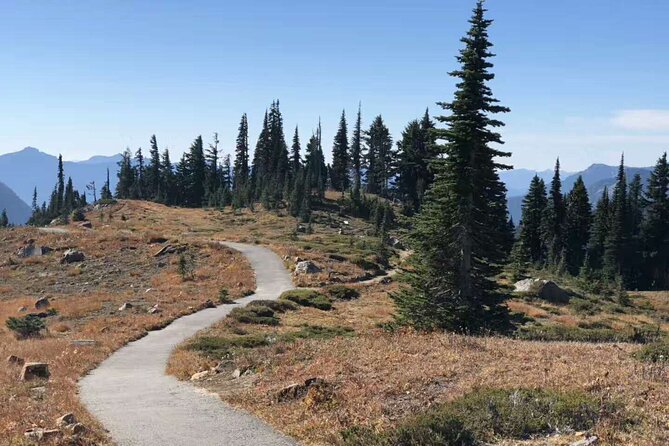
This tour starts early, with pickups listed from about 7:45 AM onward at multiple Seattle hotels and one airport-area option. The company recommends contacting them at least 3 days before departure to confirm your pickup spot; if you miss that deadline, you’re defaulted to 8:10 AM at Seattle Public Library–Central Library (1000 4th Ave). It’s a small detail, but it matters—on a day trip, leaving on time is everything.
The big practical win is how much mental energy that “handled logistics” part saves. You don’t have to map out scenic turnoffs, hunt for parking, or time bathroom breaks on a tight loop. Instead, your guide and driver take care of the mountain-road driving and the order of stops.
Small-group touring here means you’re capped at 12 travelers. That usually helps with comfort and photo timing. Still, a van with a small group can feel tight at moments—some people in the past have noted cramped seating and tricky in/out moments. If you’re tall, traveling with lots of gear, or you hate narrow aisles, that’s worth keeping in mind.
You can also read our reviews of more tours and experiences in Seattle.
Mt. Rainier’s South Side: Longmire Museum as Your Fast Orientation
Most Rainier visitors get overwhelmed fast. The mountain is huge, the roads are twisty, and the viewpoints feel scattered. Longmire Museum is the antidote. You’ll stop at the Longmire district on the south side, at about 2,700 feet, and get a quick orientation before you start chasing waterfalls and big views.
In summer you’ll typically get about 20 minutes. In winter the stop is longer, around 60 minutes. It’s a small museum with a strong “get your bearings” function: park geology, wildlife, early explorers, and Native American history. Even if you’re not a museum person, I think this stop pays off because it gives context for what you’re about to see—glaciers, lava rock, heavy rainfall, and all the water that Rainier manufactures year-round.
The Longmire stop also shows how flexible the day can be. In winter especially, if conditions force changes, you may end up spending more time around this area rather than pushing to higher zones.
Christine Falls and Narada Falls: Quick Stops With Loud Payoff
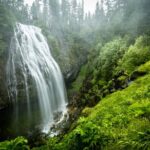
Once you’re oriented, the tour leans into what Rainier does best: waterfalls. You’ll hit Christine Falls first, a very short stop (about 10 minutes) that’s easy to access from the road. This one is famous for being photogenic and simple to enjoy—just walk to a view spot and let the sound do the work.
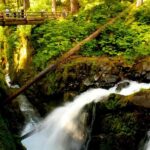
Then comes Narada Falls in summer only, with about 40 minutes. This is one of the park’s “wow, that’s right there” waterfalls. The dramatic drop over hardened lava rock is the reason it draws crowds, and the fact you can get close without a big hike makes it a great pick for people who want a strong reward without committing to a long trail.
Drawback to consider: waterfalls are weather-dependent in two ways. First, rain and mist can blur visibility. Second, winter road conditions can limit which stops are possible. The tour’s good about shifting the day, but you should still treat the waterfall checklist as a best-case scenario, not a guarantee.
Paradise Visitor Area and Reflection Lakes: Where the Day’s Biggest Views Happen
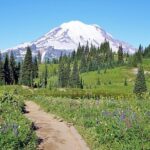
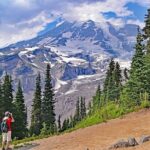
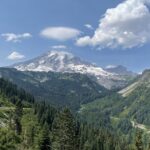
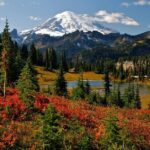
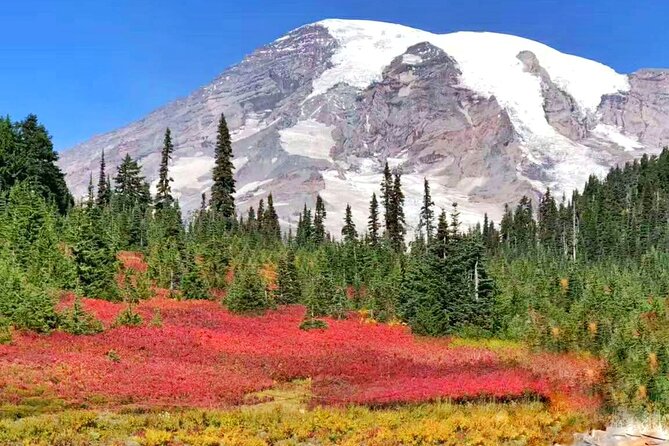
In summer, Paradise Visitor Center is the heart of the route. You’ll typically get around 2 hours here (listed as about 120 minutes). Paradise is also the park’s main winter-use area, and in summer it’s known for sweeping mountain views plus wildflower meadows. You’ll also hear why people talk about Rainier’s glacier story in this part of the park—Paradise is the place to connect the “snow up high” to the water flowing down.
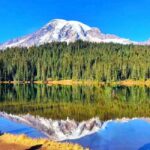
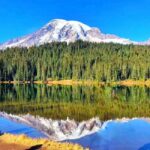
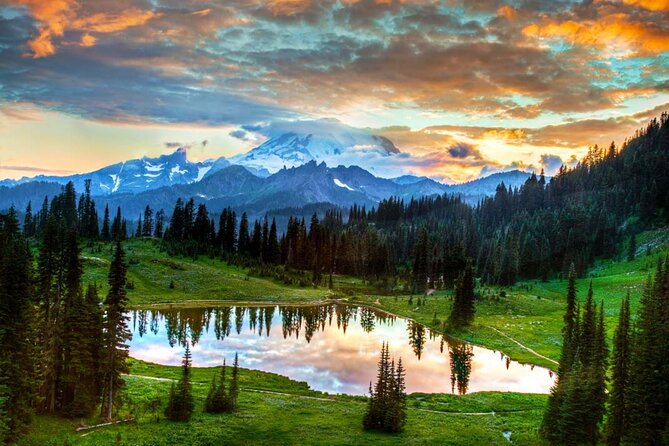
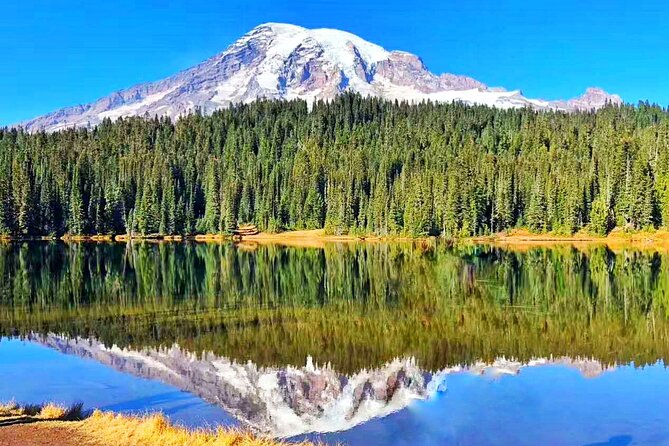
After Paradise, you’ll go to Reflection Lakes for about 10 minutes. This is the classic Rainier mirror shot—on calm days, the lake can reflect the mountain shape nearly perfectly. The time is short on purpose: you’re there to catch a specific mood of the weather. If it’s windy, the reflection won’t look like the postcards, but you’ll still get the mountain-and-water drama.
Real talk: Reflection Lakes is one of those spots where timing matters more than walking. If you’re serious about photos, go right to your preferred viewpoint as soon as you arrive, because even small weather changes can change the look within minutes.
Wonderland Trail in Winter: Snow-Quiet Scenery Instead of Summit Dreams
In winter, the tour changes gears. The route is built around Longmire and a scenic portion of the Wonderland Trail. That Wonderland time is listed at about 1 hour, and it’s not framed as a full 93-mile commitment. Instead, think of it as getting close to Rainier’s snow-and-forest feel without needing rare permits or long-distance hiking plans.
The good news: even when it’s cold and gray, the experience can still land. A couple of guides you’ll see mentioned in real-world feedback—people like Jennifer and Duan—were praised for handling winter conditions and getting groups to the best open areas.
The key thing to understand is how winter flexibility works. The tour notes that if snowfall is heavy and road or safety conditions halt uphill access, the schedule can pivot. In that case, you’ll enjoy breathtaking views from the foot of the mountain rather than pushing farther.
Translation: you’re not guaranteed the exact summer-style view chain. But you are likely to get a meaningful Rainier experience that still feels like more than a roadside drive.
Hiking, Snowshoeing, and What “Most Travelers” Really Means Here
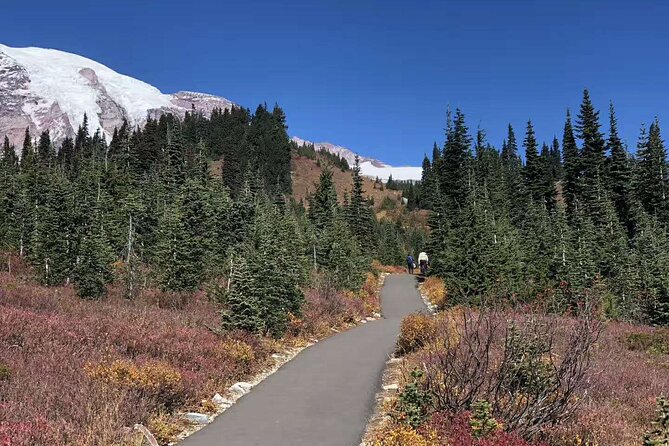
This is a day trip, so the walking is arranged in chunks. The stop durations help: quick hits at falls, a longer museum, and a bigger block of time at Paradise in summer. The tour also mentions exploring “best spots” with hiking or snowshoeing depending on the season.
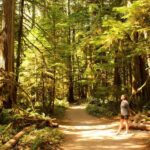
In practice, that usually means you’re doing light-to-moderate outdoor time, with optional trail guidance from your guide. One review story described short hikes and easy waterfall trails, and another described enough time for a substantial trail walk at Paradise (about two hours for one group). That’s the kind of structure that works well for people who want movement and views, but don’t want the whole day to become one long grind.
If you’re an experienced hiker and you want a long, technical Rainier route, this probably won’t satisfy. But if you want a first exposure and you value guidance, this format is a strong fit.
Lunch, Snacks, and the Unexpected Reality of Mountain Days
Food is included: snacks like a granola bar, bottled water, and lunch, listed as a sandwich most likely. That matters on a full-day mountain drive because you avoid the common trap of reaching a viewpoint and realizing you forgot lunch—or you’re stuck buying overpriced food with limited time.
Most days, it’s straightforward. But mountain timing can get weird due to closures. One example shared in feedback: when an unexpected closure happened, the lunch was handled as a stop at a store (Safeway) with a $30 credit for lunch purchases. I wouldn’t assume you’ll get a store credit every time, but it shows how the day can be adapted if visitor centers or exhibits aren’t available.
Also pay attention to bathroom access. Multiple people noted frequent bathroom breaks, and that’s a real quality-of-life factor when you’re in and out of the van for hours.
Guide Quality Can Vary, So Look at the Pattern, Not One Stop
Most guides in the feedback are praised for driving, timing, and strong storytelling. Names that came up with standout positivity include Chris, Ryan, Andy, Tony, Duan, Nan, and Jacki Zhang. Common praise themes: clear explanations, helpful photo support, and routes that hit good viewpoints without wasting time.
But there are also a couple of critical points worth taking seriously if you want a talkative, history-heavy guide. Some people reported difficult-to-understand English or narration that felt scripted at stops, and one person felt there was too much quiet time. That doesn’t mean every day is like that, but it does mean the experience can be more guide-dependent than you’d expect from a “small group” label.
My advice: if you care most about deep narration, I’d still book—but show up ready to get value even when you’re mostly enjoying scenery and short walks. And if you get a guide like Ryan or Duan, expect the day to feel like a masterclass in Rainier trivia and photo angles.
Price and Value: What $148 Really Buys You
At $148 per person, you’re paying for:
- Park admission
- Roundtrip transportation with Seattle pickup
- A professional driver/guide
- Lunch, snacks, and bottled water
- Guided access to major scenic stops
If you were doing this yourself, you’d need a car (or multiple transfers), admission planning, and a realistic schedule buffer for parking and roads. You’d also lose the benefit of someone who knows which stops are worth the time that day.
So is it expensive? It’s not cheap. But for a one-day, first-time Rainier taste—especially without a rental car—it’s usually priced in the zone where you’re buying convenience and time savings as much as the scenery.
What to Pack for Rainier Weather (Even When the Forecast Looks Nice)
Rainier days can swing fast. The tour recommendation is sensible:
- Comfortable shoes
- Weather-appropriate clothing
- Sun hat, sunglasses, sunscreen
- Cash (in case you want extra purchases)
- Drinks for hydration
I’d add one practical move: plan for wet cold. Even in winter, people talked about snow and cold-but-beautiful conditions. Bring layers you can adjust between the van and the viewpoints, plus something that helps with wind.
Also, bring your patience for mountain micro-conditions—fog can show up, roads can change access, and photo light can vanish in minutes.
Should You Book This Mt. Rainier Day Trip?
Book it if you want:
- A car-free Rainier day with Seattle pickup
- The big highlights in one loop, including Paradise views in summer
- Included food and admission so you can focus on scenery
- A manageable day where hiking is broken into bite-sized parts
Consider a different option (or a more private setup) if:
- You need a very talkative guide every minute
- You’re extremely sensitive to cramped van seating
- You only want summit-area experiences and can’t tolerate weather-driven swap-outs
My bottom line: this is a solid way to see Rainier without turning your day into logistics homework. When conditions cooperate, Paradise + Reflection Lakes is a memorable combo. When they don’t, you still get a guided orientation at Longmire and a winter experience that’s about being close to the mountain’s snow world—not pretending you can out-hike the weather.
FAQ
How long is the Mt. Rainier National Park day tour from Seattle?
The tour runs about 10 to 11 hours.
Does the price include Mt. Rainier National Park admission?
Yes. Admission to Mount Rainier National Park is included.
What food and drinks are included?
You’ll receive snacks (granola bar) and bottled water, plus lunch, listed as a sandwich most likely.
Do the stops change between summer and winter?
Yes. In summer (May–October) you visit places like Longmire Museum, Christine Falls, Narada Falls, Paradise Visitor Center, and Reflection Lakes. In winter (November–April) the day centers on Longmire Museum and a scenic portion of the Wonderland Trail.
Is there hiking or snowshoeing involved?
The tour says you’ll explore the park’s best spots by hiking or snowshoeing depending on the season, and the schedule includes time at trails and viewpoints.
What is the group size limit?
This tour has a maximum of 12 travelers.
What should I bring for the day?
The recommended items are comfortable shoes, weather-appropriate clothing, a sun hat, sunglasses, sunscreen, cash, and drinks for hydration.
If you tell me your travel month and whether you prefer waterfalls or views, I can suggest which season-style day is most likely to fit your expectations.