REVIEW · SEATTLE
Mt. Rainier National Park Highlights Tour
Book on Viator →Operated by Customized Tours · Bookable on Viator
A mountain day beats Seattle crowds. This full-day group tour takes you on a guided, narrated route with major Mt. Rainier sights like Christine Falls and Paradise, plus short walks that keep things moving.
I like the pickup-and-drop-off setup. It saves you from figuring out timing, parking, and getting back to Seattle late, especially when the schedule can shift with road conditions.
The tradeoff is real in winter: Paradise access can be limited (starting Nov 12, it’s only reachable Friday–Monday based on conditions), and routes can change. Plan for an early start and know the day won’t be identical every time.
In This Review
- Key things to know before you go
- From Seattle pickup to the long drive: how the day really runs
- What makes the guiding feel worth it: narration, volcanology, and pacing
- Longmire Museum and the Trail of the Shadows: a calm start with real context
- Christine Falls and Narada Falls: the photo stops that feel like the main event
- Paradise Valley at 5,400 feet: lunch, views, and winter-only constraints
- Twin Firs Loop and Reflection Lakes: short walks that reward patience
- When roads close: the day’s practical backup plan in a mountain town
- Packing for a full-day Rainier outing: layers, traction, and lunch planning
- Price and value: why $150 can be a smart deal for this route
- So, should you book it? My practical take
- FAQ
- How long is the Mt. Rainier National Park highlights tour?
- What is the price, and what’s included?
- Where does pickup happen?
- What should I wear for this tour?
- Is Paradise Valley always accessible in winter?
- What happens if the weather is bad or the park is closed?
Key things to know before you go
- Small group (max 24): You’re not stuck in a giant herd, and it’s easier to hear your guide.
- Easy navigation: Your group follows the plan, so you don’t spend the day double-checking where to go next.
- Waterfalls + viewpoints in one long day: Expect photo stops at Christine and Narada, then a big-time payoff at Paradise or a summer substitute.
- Winter adds variability: Snow and closures can reroute the day; no Paradise doesn’t mean no fun, but it does change the experience.
- Short hikes with stops that matter: You’ll get movement without needing to train for a full backcountry day.
- Lunch is on your dime: Food and drinks are typically not included (plan on about $20 per person).
From Seattle pickup to the long drive: how the day really runs
This is a 10 to 12 hour full-day tour out of Seattle, usually starting at 7:20am. Pickup times begin sooner than 8am, depending on which select downtown Seattle and airport hotels are in your zone, so don’t plan a slow morning. You’ll ride in an air-conditioned commercial bus, and the group size tops out at 24 travelers—small enough to feel guided, big enough that you’ll share the day with people who also love the outdoors.
The pace is “drive, stop, walk, photograph, repeat.” That works well because Mt. Rainier is spread out, and the best spots are often timed to daylight and road access. Your guide keeps the day organized and adapts when conditions change, which is a big deal in a park where weather can flip quickly.
One practical tip: if you’re prone to motion sickness, take the usual precautions. The route involves mountain roads and weather delays can stretch things out. Bring layers for the bus ride too—morning can feel colder before you’re up at elevation.
You can also read our reviews of more tours and experiences in Seattle.
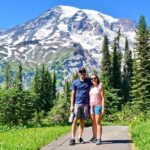
What makes the guiding feel worth it: narration, volcanology, and pacing
A major value here is that you’re not just getting a bus ride between scenic stops. You’re getting a guide who explains what you’re seeing and helps you time the “look now” moments.
In particular, Mt. Rainier’s story is a mix of scenery and geology. In the way guides talk about the park, you’ll often hear about the volcano and the tectonic forces that shaped the region on the drive up. That kind of context matters because it turns the day from pretty photos into “I understand why this place looks like this.”
The other thing I really like: the day stays followable. Your group and guide are easy to follow, so you can focus on the viewpoints and trails instead of worrying about logistics. That’s especially helpful if you’re visiting from outside the area and don’t want to stress about roads, signs, or parking lots.
If you land with a guide like Lucas, Cory, James, Joel, Kevin, or another member of the team, the repeated theme is that they keep things organized while staying friendly and responsive—handling questions, adjusting for weather, and finding workable alternatives when something isn’t reachable.
Longmire Museum and the Trail of the Shadows: a calm start with real context
Most days begin inside the park with Longmire, one of the classic entry points for first-time visitors. You’ll get time at:
- Longmire Museum (about 15 minutes, admission included): This is where you get park basics—animal exhibits, Native American history, pioneer information, and volcanology explanations. It’s a short stop, but it helps you connect the later hikes to what you just learned.
- Trail of the Shadows (about 30 minutes, admission included): This is a walk through 2nd-growth forest and includes history elements. During some seasons, it may connect to hot springs features (what you see can shift with road and weather conditions).
- Longmire area (about 45 minutes, admission free): This is where you can grab viewpoints, browse the gift shop area, and get the feel of a park “base” before heading to waterfalls and higher elevation.
Why these stops work: they’re not just scenery pull-offs. They help you understand the ecosystem and the human layers in the park. And because each stop is time-boxed, you avoid the all-day “stand around” problem that can happen on some tours.
Potential drawback: the walking isn’t long, but it is outdoors. If the day is wet or icy, expect slick paths and plan for careful footing.
Christine Falls and Narada Falls: the photo stops that feel like the main event
After Longmire, the tour turns toward two of the park’s most camera-friendly moments.
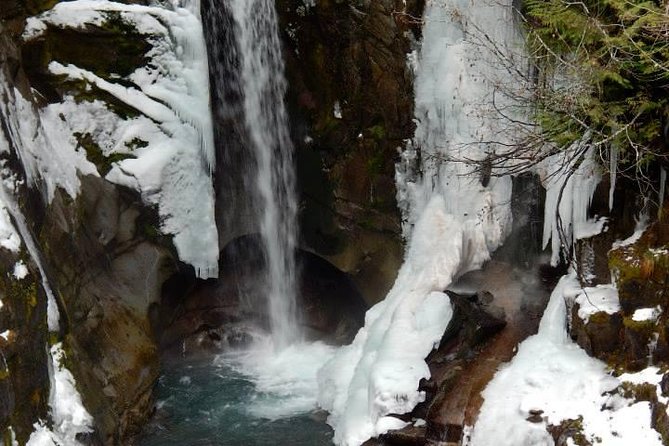
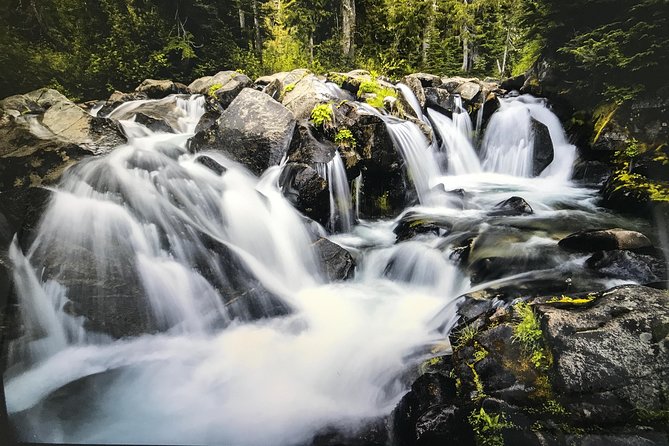
- Christine Falls viewpoint (about 10 minutes): A popular waterfall off the road, framed by a stone bridge. If the weather cooperates, this is one of those quick stops where you can get multiple angles without losing your entire time window.
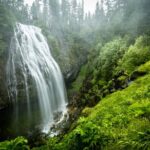
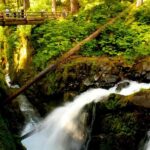
- Narada Falls (about 20 minutes): This is where the day gets more satisfying on foot. You walk along the Nisqually River up to Narada Falls, which is widely treated as one of the park’s top waterfall experiences. You get time to take photos and enjoy the river-and-water rhythm around the trail.
Why this portion is such good value: waterfalls are a “high payoff per minute” type of sight. You don’t need a long hike to see the drama, and they’re easier on days when visibility or access limits what you can reach at higher elevations.
The consideration: waterfalls can be loud and slippery. Wear shoes with solid traction. If it’s windy, plan for water spray and grab a lens cloth or keep your phone wipe handy.
Paradise Valley at 5,400 feet: lunch, views, and winter-only constraints
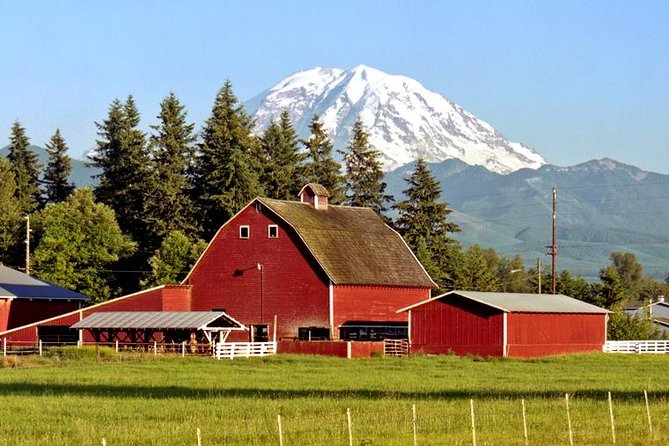
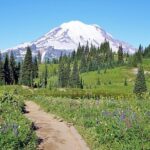
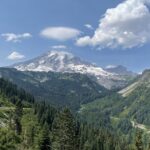
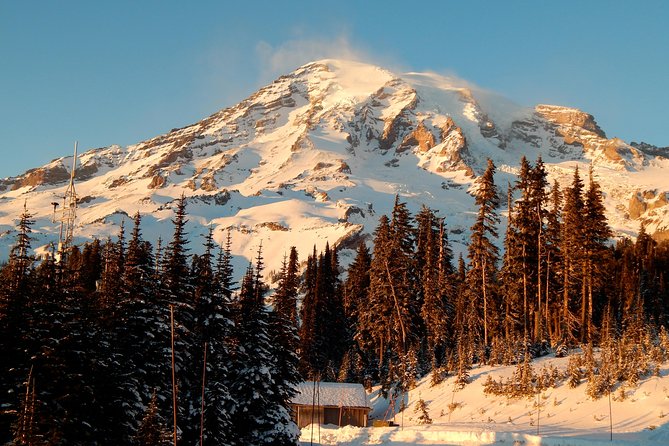
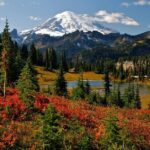
If you only pick one part of the tour to remember, it’s usually Paradise Valley. This is the day’s signature payoff, sitting at about 5,400 feet (1,646 meters) above sea level. You’ll have around 2 hours here, though that varies with weather and visibility.
What Paradise typically includes:
- an alpine-meadow setting
- a visitor’s center and gift shops
- food available on-site
- the kind of wide-open view that makes Mt. Rainier feel close—even when it’s still far away
Lunch is generally something you’ll purchase on your own here. In winter months, food services can be limited inside the park, and you may have a chance to buy food en route. Either way, it’s smart to plan for about $20 per person for food and drinks.
Winter reality check (this is important):
- Starting Nov 12, Paradise access during winter months is only Friday–Monday, depending on road conditions.
- Henry M Jackson Visitor Center at Paradise can have limited hours during the winter period.
- If the mountain or roads don’t cooperate, the schedule can shift. Your guide will adjust based on what’s reachable that day.
In summer, the itinerary may swap in Sunrise Visitor Center (about 1 hour) instead of Paradise, and some dates may also add stops like Tipsoo Lake Loop (summer only, not guaranteed). Roads can be bumpy on some of these routes, so go in expecting some shake.
Twin Firs Loop and Reflection Lakes: short walks that reward patience
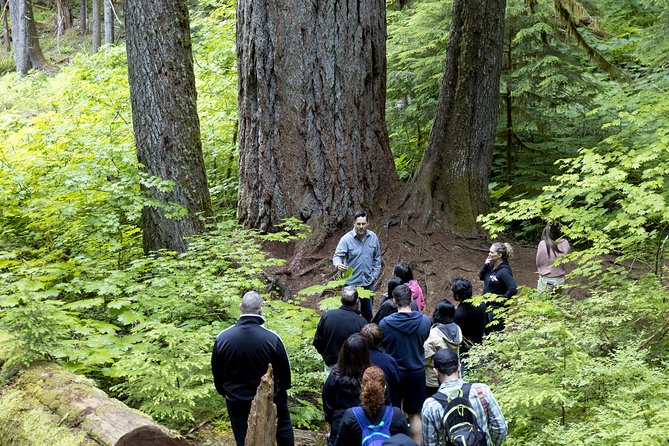
After waterfalls and Paradise (or its substitute), the tour often closes with nature that feels quieter—old-growth forest and the mirror-like views people dream about.
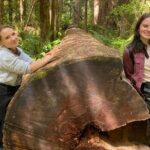
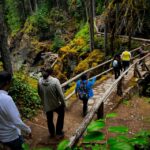
- Twin Firs Loop Trail (about 30 minutes, admission included): A roughly quarter-mile loop through old-growth forest with very old, tall trees. This stop is excellent when you want a break from steep views and just enjoy the forest feel and the stillness.
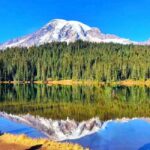
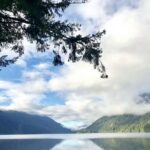
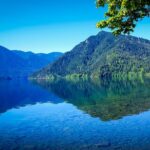
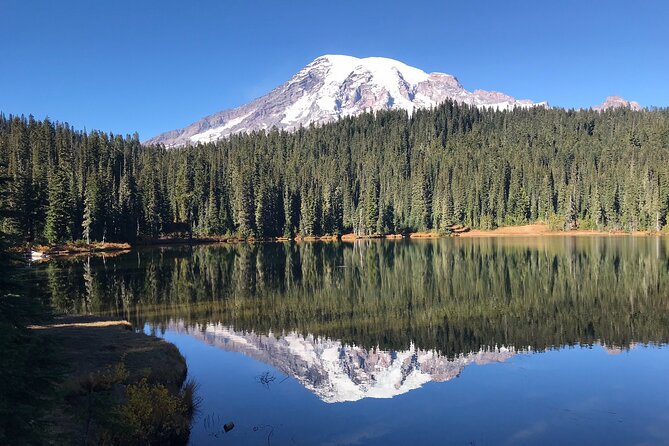
- Reflection Lakes (about 15 minutes, admission free): A classic Mt. Rainier reflection spot when the water is calm. The effect works best when there’s little to no breeze, because wind kills the mirror look. Also, this is seasonal and not typically available in winter time.
Why I like these stops: they add variety. The day doesn’t feel like a string of overlooks only. Plus, they’re good for travelers who want a “walk with purpose” rather than a long, exhausting hike.
Consideration: Reflection Lakes is a weather-dependent visual. If the day is windy, you’ll still see the lake, but the reflection effect may be weaker. With Mt. Rainier, that’s normal—your best plan is flexibility.
When roads close: the day’s practical backup plan in a mountain town
Not every Rainier day follows a perfect line. If park roads are unexpectedly closed, the tour may reroute briefly to keep you moving.
One such stop is a nearby mountain town with a few memorable points of interest, including the Hobo Inn, a historic Lutheran Church, the Mt. Rainier Scenic Railroad, and a local roadside character known as the biggest sasquatch. If you’re there when this option happens, it turns a closure into a chance to see the region’s quirky side.
You may also stop at a base camp for mountain climbers, which gives you a different angle on the park—less “easy viewpoints” and more “this is where big missions begin.”
Tradeoff: reroutes can reduce time at the highest-demand spots. Still, it’s better than sitting idle, and it keeps the day from collapsing if one section becomes inaccessible.
Packing for a full-day Rainier outing: layers, traction, and lunch planning
This tour makes a lot of sense, but it also asks you to dress for changing conditions. The guidance is straightforward:
- Dress in layers.
- Wear comfortable walking shoes, ideally waterproof hiking shoes.
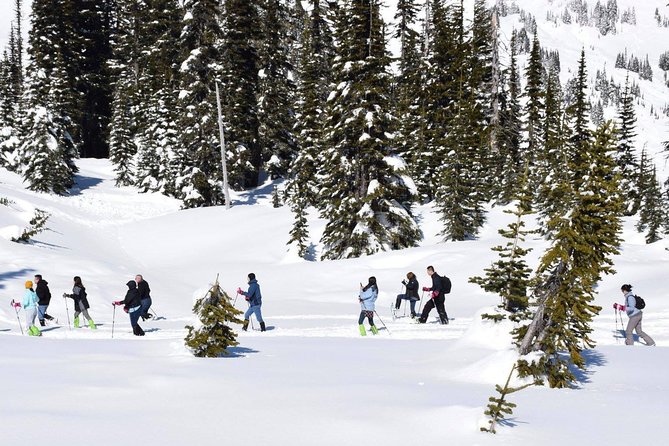
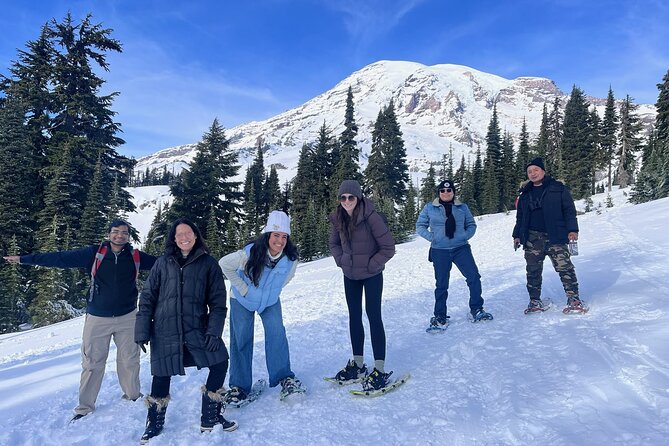
- In Nov–Jun, plan for snowy conditions and bring extra socks (winter boots are best).
For photographers: keep a spare wipe and a small towel. Spray and mist are part of the waterfall experience, and condensation is common near wetter areas.
For food: food and drinks aren’t included. Plan for roughly $20 per person, and remember that winter can mean limited food services inside the park—so you’ll likely need to buy lunch where options exist or stop en route.
One more practical thought: this is a day trip, so pack like you’ll be outside for much of it. Even when the walks are short, you’re at elevation and weather changes faster than in the city.
Price and value: why $150 can be a smart deal for this route
At $150 per person, this isn’t the cheapest option—but it often feels fair once you break down what’s included.
You get:
- a professional guide
- pickup and drop-off from select Seattle and airport hotels
- transport on a fully insured, air-conditioned bus
- park admission fees
- a day built around major Mt. Rainier highlights with multiple timed stops
The “value” piece is less about a single item and more about reducing friction. Driving yourself means: paying entry fees, figuring out parking and timing, and hoping roads stay open. On a full-day park tour where routes shift with conditions, paying for someone else to manage the day can save stress and time.
Also, the group size limit (max 24) helps. You’re not paying for a bus-load of strangers who all need to be herded at once.
One consideration on value: because the itinerary can change with weather and access, the exact mix of stops can vary. If Paradise is your top priority, winter schedule constraints matter—starting Nov 12, access is only Friday–Monday depending on conditions.
So, should you book it? My practical take
Book this tour if:
- you want a high-hit list of Mt. Rainier highlights in one day
- you’re visiting Seattle with limited time and don’t want to plan driving logistics
- you like short walks and photo stops rather than long, demanding treks
- you’ll handle day variability with a positive attitude, especially in winter
Skip it (or choose another plan) if:
- you need a guaranteed Paradise visit in winter (access depends on conditions and day-of-week rules after Nov 12)
- you hate early starts and long days
- you want total independence and self-paced hiking without any group structure
With a 4.8 overall rating and 96% recommendation, the strongest theme is simple: guides do a good job keeping the day fun and organized even when weather changes the plan. For most visitors from Seattle, that reliability is worth a lot.
FAQ
How long is the Mt. Rainier National Park highlights tour?
It runs about 10 to 12 hours.
What is the price, and what’s included?
The price is $150.00 per person. It includes a professional guide, pickup and drop-off from select hotels, park admission fees, and transport by commercial bus. Food and drinks are not included.
Where does pickup happen?
Pickup is offered from select downtown Seattle and airport hotels. You’ll need to confirm your hotel is within the pickup zone to get the accurate pickup time.
What should I wear for this tour?
Dress in layers and wear comfortable walking shoes; waterproof hiking shoes are recommended. In Nov–Jun, dress for snowy conditions and bring extra socks.
Is Paradise Valley always accessible in winter?
Starting Nov 12, Paradise access during winter months is only accessible Friday–Mondays, based on road conditions. Plan accordingly if Paradise is your top priority.
What happens if the weather is bad or the park is closed?
The tour depends on good weather. If it’s canceled due to poor weather, you’ll be offered a different date or a full refund. If the park isn’t closed and conditions change, the route and itinerary can vary.