REVIEW · SEATTLE
From Seattle: Mount Rainier National Park 1-Day Tour
Book on GetYourGuide →Operated by Jupiter Legend Corporation · Bookable on GetYourGuide
A giant volcano can feel close in one day. This tour takes you from Seattle to Mount Rainier National Park with a guide, plus planned stops at Longmire Museum and car-access waterfalls like Narada Falls. I like that the schedule is built around the park’s big highlights without making you do heavy planning, and I also like that you get either hiking or snowshoeing depending on the season. One practical thing to consider: snow and road limits can change what’s reachable, especially in winter.
The good news is you’re not stuck figuring it out alone. Guides like Duan and Nan are specifically noted for being friendly and for making sure people feel taken care of, which matters when weather turns or timing gets tight. The possible drawback is also the nature of the mountain: if conditions are rough, you may spend more time enjoying views from lower elevations instead of getting right up to the highest areas.
In This Review
- Key things to know before you go
- Why a one-day Mount Rainier trip works from Seattle
- Getting picked up in Seattle: start times and how the day flows
- The guide + vehicle: what you’re really paying for at $161
- Longmire Museum: the south-side start that sets the tone
- Narada Falls and Christine Falls: the fastest big impact stops
- Paradise Visitor Center and Reflection Lake: your big viewing block
- Summer (May–Oct) versus winter (Nov–Apr): what changes on the ground
- Summer itinerary (May to Oct)
- Winter itinerary (Nov to Apr)
- Why this matters
- Wonderland Trail context: the circle around Rainier
- What to expect from the scenery, waterfalls, and active volcano setting
- Food, timing, and comfort: small choices that make a big difference
- Who this tour suits best (and who should think twice)
- Should you book this Mount Rainier 1-day tour?
- FAQ
- What’s included in the Mount Rainier 1-day tour?
- Is food included?
- What are the main stops on the summer schedule?
- What’s different about the winter schedule?
- What are the pickup locations in Seattle?
- Are pets allowed or is smoking permitted?
- What’s the cancellation policy?
Key things to know before you go
- A full one-day route from Seattle with multiple pickup options to match your schedule
- Season-based exploring with hiking in warmer months and snowshoe time in winter
- Longmire Museum for an easy, informative start at the south side of the park
- Narada Falls as a car-access must-see plus quick stops like Christine Falls
- Paradise Visitor Center gets a long viewing window for classic Rainier views
- Guides like Duan and Nan are called out for friendliness and care
Why a one-day Mount Rainier trip works from Seattle
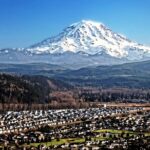
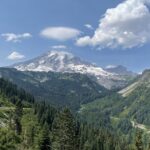
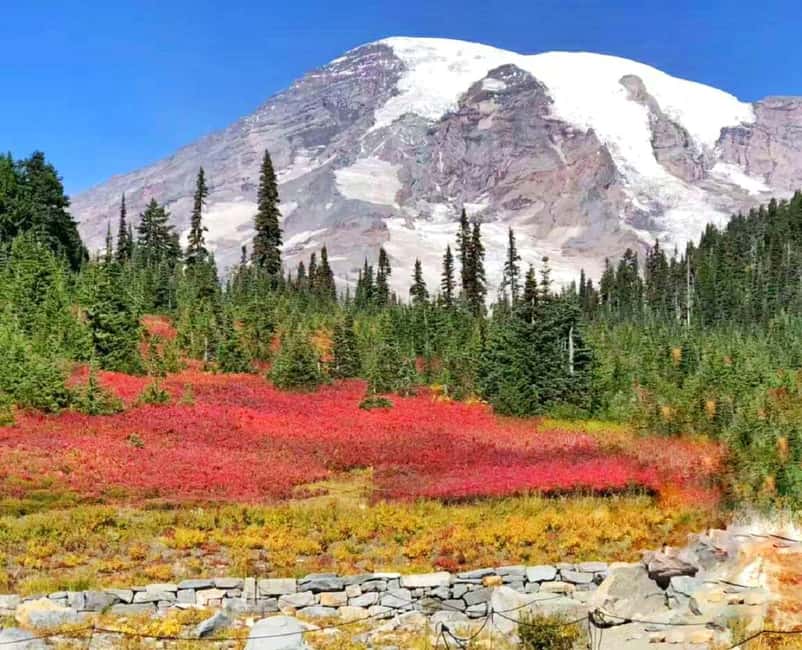
Mount Rainier is the star of Washington for a reason. It’s the highest peak in the state, and it’s also an active volcano, so you get that rare mix of glacial ice, volcanic geology, waterfalls, and forested slopes all in one place.
What I like about doing this as a one-day guided trip is the mental load drops fast. You get transport out of the Seattle area, you’re given a set of priorities, and you’re not left guessing which pull-offs are worth your time. For a first visit, that’s a big value.
The tour also gives you a clear sense of what “success” looks like: great views, the park’s famous waterfall stops, and a bit of on-foot exploration depending on season. If you’ve got limited time, this is one of the most straightforward ways to get Rainier on your itinerary without turning the day into a frantic checklist.
You can also read our reviews of more tours and experiences in Seattle.
Getting picked up in Seattle: start times and how the day flows
This tour runs with three pickup options in the Seattle area, depending on where you’ll be that morning. Departures are listed at 07:45, 08:10, and 08:30, with pickup points including Seattle Public Library–Central Library and Courtyard by Marriott Seattle Sea-Tac Area.
Why this matters: with Rainier, timing isn’t just about comfort. It’s about daylight and road conditions. Leaving earlier gives you more options if the park roads are busy or if weather shifts.
You also get multiple drop-off locations back in Seattle, which helps avoid the awkward “transport puzzle” some day trips create. In plain terms: you can show up, get going, and plan your rest of the day after you’re back.
The guide + vehicle: what you’re really paying for at $161
At $161 per person, you’re not just buying park entry. You’re paying for a professional driver and guide, the right vehicle based on group size, and service plus taxes/fees.
That’s the core value of this kind of tour. Mount Rainier has a lot of moving parts: park roads, seasonal closures, and the reality that weather can change fast. Having a driver who’s handling the route, plus a guide who’s steering the day toward the best spots available, turns Rainier from a “maybe we’ll make it” trip into a more controlled experience.
Language is also covered. The live guide is English, which makes it easier to understand what you’re looking at—especially at places like Longmire Museum, where the exhibits connect the park’s natural and geological history.
And because food isn’t included, you can think of this price as covering the experience engine—transport, guiding, and entry—while you handle your own snacks or meals.
Longmire Museum: the south-side start that sets the tone
Longmire Museum is on the south side of Mount Rainier at about 2,700 feet above sea level, and it’s part of the historic Longmire district. In winter, you get around 60 minutes here; in summer, it’s shorter at about 20 minutes.
This stop is useful even if you’re not a museum person. The building now houses historic exhibits about the park’s natural and geological history and animals, which helps you make sense of what you’re about to see outside. Rainier isn’t just “a mountain in the distance.” It’s glaciers, snowfields, rivers, and volcanic activity shaping what’s around you.
In practical terms, it’s also a great “reset moment.” You arrive, step out of the vehicle, get oriented, and then head toward waterfall stops and viewpoint areas with a bit more context.
If you’re traveling in winter, the longer museum time can be a nice trade. It gives you something solid to do when higher elevations may be limited.
Narada Falls and Christine Falls: the fastest big impact stops
On a summer day, Christine Falls and Narada Falls are positioned as quick, high-reward photo and walk breaks.
- Christine Falls is scheduled for about 10 minutes.
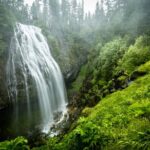
- Narada Falls is scheduled for about 40 minutes, and it’s right by the road to Paradise—about 150 feet from the road.
Narada Falls is one of those “how is that so close” moments. It’s the largest waterfall accessible by car in the park, and it’s also one of the most impressive. You’re getting a dramatic payoff without needing a long hike just to reach it.
The drawback, if you’re sensitive to timing: these stops are not long wandering sessions. They’re designed to get you views and walking time, then move on to the next highlight. If you’re the kind of person who wants hours at one waterfall, you may find yourself wishing for more time at Narada. But if you want a good hit of Rainier’s top sights in one day, this pacing makes sense.
In winter, the plan can shift, but Narada Falls may still appear as a possible stop depending on conditions.
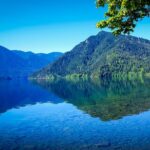
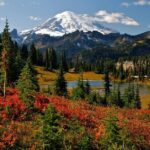
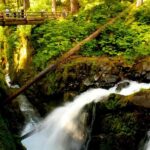
Paradise Visitor Center and Reflection Lake: your big viewing block
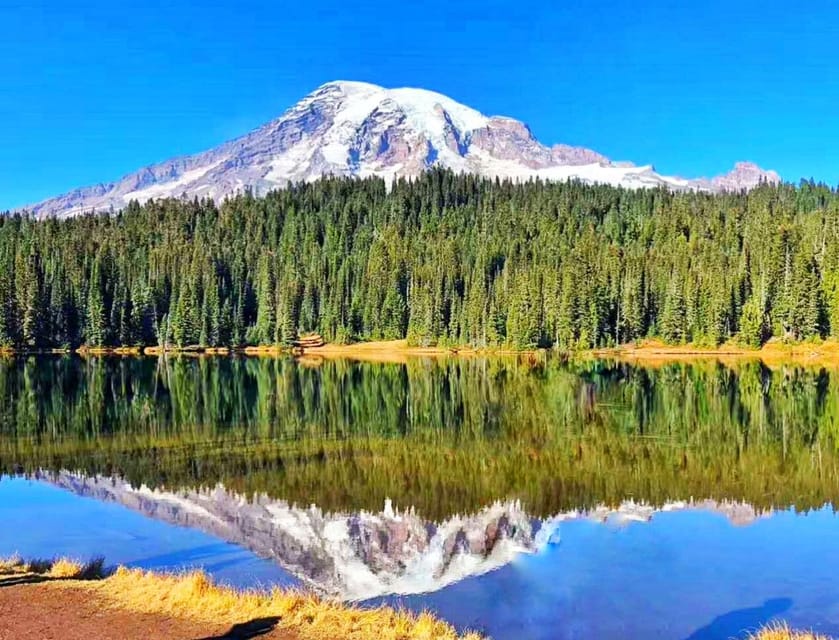
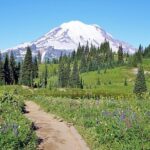
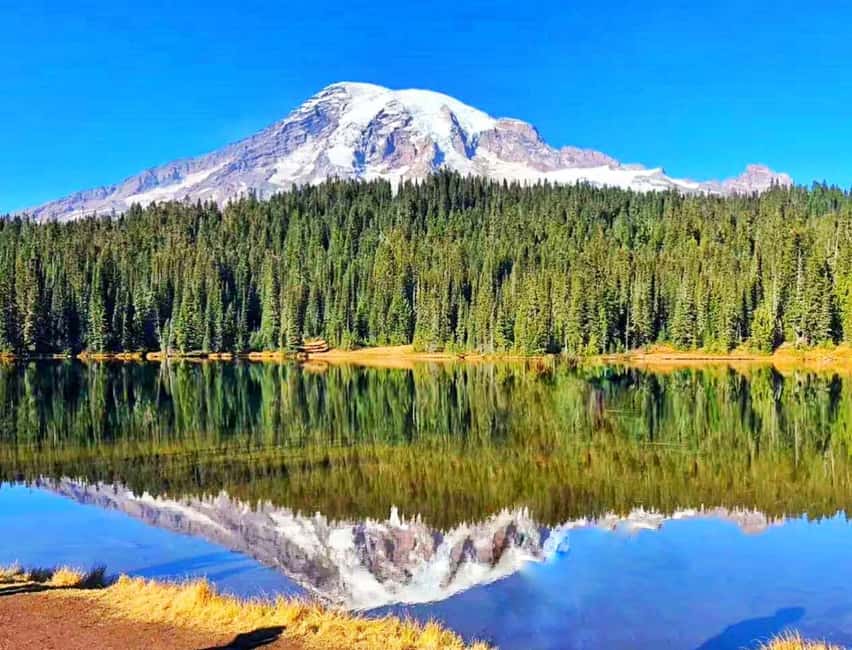
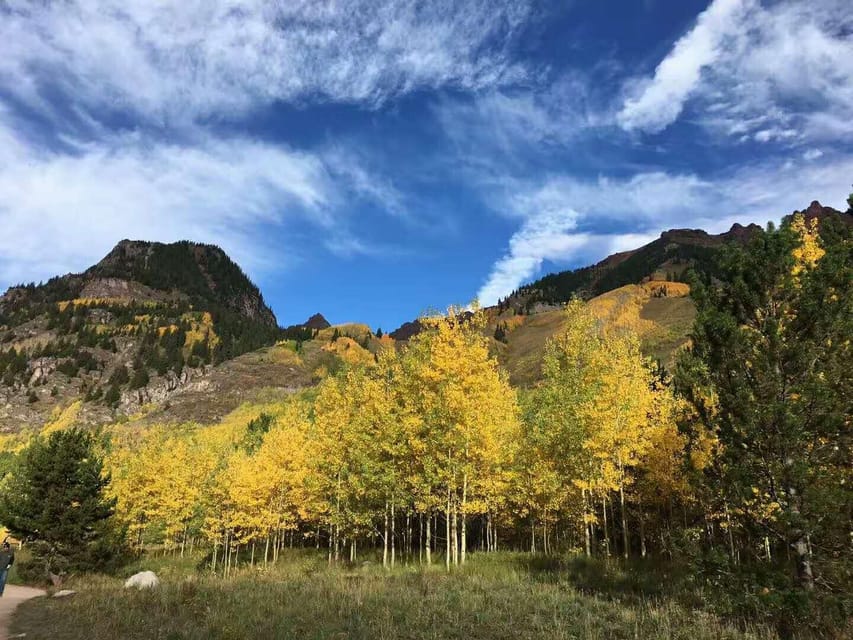
In summer, Paradise Visitor Center gets a substantial block of time—about 120 minutes. That’s not accidental. Paradise is famous for glorious views and wildflower meadows, and it’s one of the classic Rainier areas people aim for.
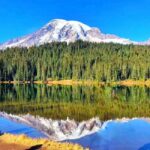
Then there’s Reflection Lake, scheduled for about 10 minutes in summer. The value here is simple: you get a quick, scenic moment that pairs nicely with the longer time at Paradise.
The key consideration is that Paradise and the upper elevations can be affected by winter weather and heavy snowfall. The tour notes that winter access to going uphill may be halted in heavy snowfall, and the plan can pivot to enjoying breathtaking views from the foot of the mountain instead.
So, you should go in with the right mindset. You’re not buying a promise that every upper stop is guaranteed. You’re buying the best attempt based on real conditions, with a plan that still delivers big scenery even if the higher roads are restricted.
Summer (May–Oct) versus winter (Nov–Apr): what changes on the ground
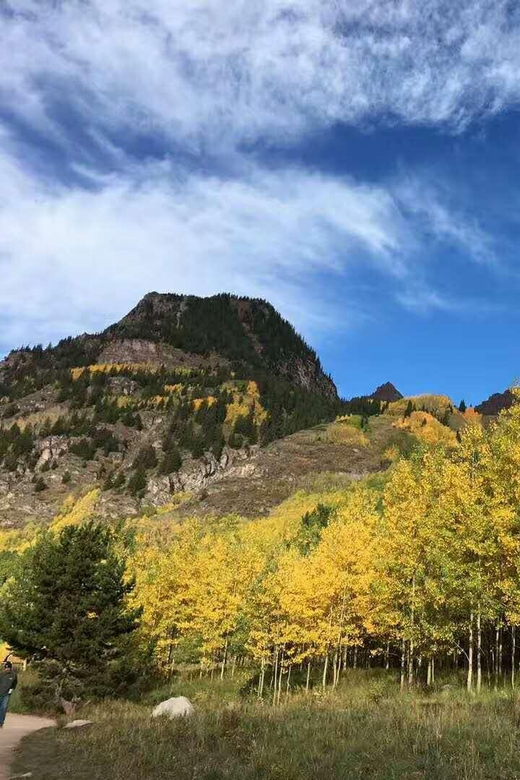
This tour is built around seasonal reality, and it’s one of the smartest parts of the design.
Summer itinerary (May to Oct)
The summer route is:
Seattle → Longmire Museum → Christine Falls → Narada Falls → Paradise Visitor Center → Reflection Lake → Seattle.
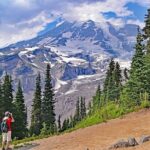
The tour explicitly mentions exploring the park’s best spots by hiking during warmer months. That means you’re getting both sightseeing from the vehicle and time on your feet—just enough to feel like you did more than sit and stare out a window.
Winter itinerary (Nov to Apr)
Winter focuses on a different rhythm:
Seattle → Longmire Museum → Wonderland Trail → Seattle.
You also may get additional stops like Narada Falls or Paradise if weather permits. In winter, exploring is geared toward snowshoeing or hiking depending on conditions.
This is also where the tour’s practical flexibility shows. Heavy snowfall may stop access to uphill areas, and then the schedule adapts so you still get the views from lower elevations.
Why this matters
Rainier is not one destination. It’s multiple versions of the same mountain, depending on snow, roads, and visibility. A season-aware plan helps you avoid the classic disappointment of arriving in winter and realizing you can’t reach the places you pictured.
Wonderland Trail context: the circle around Rainier
Even if you never hike the full trail, it helps to know what it is.
The Wonderland Trail is a 93-mile hiking trail that encircles Washington’s most famous volcano—Rainier. People chase permits for backpacking trips because it’s strenuous, and getting the full experience takes planning.
In winter, this tour includes time on the Wonderland Trail for about 60 minutes. In summer, you may still get walking/hiking time as part of “explore the park’s best spots,” but the detailed focus is stronger on Longmire, the waterfall stops, and Paradise.
I like that the tour doesn’t pretend you’ll do the entire Wonderland Trail in a day. Instead, you get a taste of the route’s importance and a chance to walk in a place that many hikers treat like a major life goal.
Also, the park’s glacial system adds context to your walk. The park is covered by glaciers and snowfields totaling about 35 square miles, and it includes Carbon Glacier (the largest by volume in the contiguous U.S.) plus Emmons Glacier (largest by area). You don’t need to be a glacier nerd to appreciate why the mountain looks the way it looks.
What to expect from the scenery, waterfalls, and active volcano setting
Mount Rainier is known for a year-round snow-capped summit, and your day is shaped by that. You’ll typically see a mix of snow and volcanic terrain depending on season, plus rivers and waterfall areas that look different with snowmelt timing.
The tour’s stop choices are smart because they balance:
- big scenic payoff areas (like Paradise)
- waterfall moments you can access easily (like Narada)
- a museum start that ties geology to what you’re looking at (Longmire)
The only thing you can’t fully control is visibility. Rainier can be cloudy, rainy, or snowy, and winter can mean slower movement. But the structure of the day helps you keep moving toward the next viewpoint rather than hoping one single location saves the day.
Food, timing, and comfort: small choices that make a big difference
Food and beverage are not included. That’s a simple note, but it affects your comfort more than you might expect on a full day. Plan to bring snacks or plan your own meal outside the tour.
Because there’s hiking or snowshoeing depending on season, you’ll want to dress for changing conditions. Even in summer, weather near Rainier can shift fast, and in winter it’s a different world.
A practical approach:
- Wear layers you can adjust.
- Bring shoes suited for cold or damp ground in winter.
- Expect time outdoors even if you spend part of the day at visitor centers or the museum.
The tour is built around short stop windows and at least some time on your feet, so being comfortable helps you enjoy the views rather than focusing on your gear.
Who this tour suits best (and who should think twice)
This works especially well if you:
- have one day and want the biggest Rainier hits
- prefer guided planning over building a route yourself
- want easy access to famous stops like Narada Falls
- like knowing you’ll have a live English guide to explain what you’re seeing
It might not be the right fit if you’re the type of traveler who wants to linger for hours in one spot, since the day is paced with multiple short-to-medium stops. It’s designed for variety and coverage, not long solo wandering.
If winter is your choice, keep your expectations flexible. Snow can halt uphill progress, and the tour will pivot to views from the foot of the mountain. That’s still Rainier, but it’s a different angle than some people picture.
Should you book this Mount Rainier 1-day tour?
Book it if you want a well-structured Rainier day without the logistics stress. You’re getting transport from the Seattle area, park admission, a professional guide experience in English, and a lineup of stops that hit Longmire, major waterfall viewpoints, and a long block at Paradise in summer.
Think twice only if you:
- need a totally fixed itinerary no matter the weather, or
- expect to reach the highest uphill areas in winter no matter what.
If you’re flexible on weather and you want the best chance at classic sights in a single day, this is a strong value—especially because the day is designed to adapt, not just run on a rigid schedule.
FAQ
What’s included in the Mount Rainier 1-day tour?
The tour includes a professional driver and guide (or driver-guide), vehicle transportation, admission to Mount Rainier National Park, and guided exploring of the park’s best spots by hiking or snowshoeing depending on the season. It also includes service fees for the driver and guide and applicable taxes and fees.
Is food included?
No. Food and beverage are not included, so you’ll need to plan your own snacks or meals.
What are the main stops on the summer schedule?
On summer days (May to Oct), the plan includes Longmire Museum, Christine Falls, Narada Falls, Paradise Visitor Center, and Reflection Lake, plus time in Mount Rainier National Park with photo stops and sightseeing.
What’s different about the winter schedule?
On winter days (Nov to April), the focus is Longmire Museum and Wonderland Trail, with possible additional stops like Narada Falls or Paradise if weather permits. Heavy snowfall may also limit access to uphill areas.
What are the pickup locations in Seattle?
Pickup options include Seattle Public Library–Central Library at 616 6th Ave S, Seattle, and Courtyard by Marriott Seattle Sea-Tac Area at 16038 W Valley Hwy in Tukwila, plus an additional Seattle pickup location at 616 6th Ave S.
Are pets allowed or is smoking permitted?
Pets are not allowed. Smoking is not allowed, including smoking in the vehicle and smoking indoors.
What’s the cancellation policy?
You can cancel up to 24 hours in advance for a full refund.