REVIEW · SEATTLE
Best of Mount Rainier National Park from Seattle: All-Inclusive Small-Group Tour
Book on Viator →Operated by Evergreen Escapes Seattle · Bookable on Viator
Mount Rainier in one day, without the driving. I love that this tour is genuinely all-inclusive (park entry and transportation are built in), and I also love the small-group feel, which keeps the day from turning into a cattle-car checklist. One thing to consider: Washington weather changes fast, and in winter some roads can close, so your exact trail mix may shift.
You start with convenient pickup from downtown Seattle, then head out in a comfortable van for the long morning drive. I like that the first stretch is paired with coffee and pastries, so you’re not scrambling for fuel before you’re walking among firs and moss.
This is a long-ish day by design, but the pacing helps. You get frequent photo stops, lots of snacks and drinks, and a mid-day picnic lunch that keeps you from spending the day thinking about food; snowshoe gear is included during winter months. The tradeoff is simple: you’ll spend a lot of the day outdoors, so bring the right layers and don’t plan anything tight right afterward.
In This Review
- Quick hits: what makes this Rainier day trip feel worth it
- From Sheraton Grand Seattle to the Nisqually Vista Trail
- Longmire old-growth: waterfalls, big trees, and an easy first immersion
- Christine Falls and Narada Falls: classic water views without a day-long grind
- Paradise Valley in summer vs winter: berries, snowshoes, and the visitor center
- Myrtle Falls and Reflection Lakes: when the peak shows up
- Trail-of-the-Shadows and Twin Firs: old-growth texture you’ll remember
- How hard is this really? Pacing, footwear, and weather reality checks
- Snacks, picnic lunch, and what $344 buys you in real value
- Who should book this Mount Rainier highlight route?
- Should you book this Best of Mount Rainier tour from Seattle?
- FAQ
- Do you include park entry fees and transportation?
- How does pickup work in Seattle?
- What should I wear for this day trip?
- Is the tour strenuous?
- Does the tour run in winter weather and include snowshoes?
- Are there options for dietary restrictions?
Quick hits: what makes this Rainier day trip feel worth it
- Small group (max 10) with hotel pickup so you’re not hunting parking or timing buses
- Naturalist-style guiding that connects volcano history to what you’re actually seeing in the forest (guides like Dan and Brent are known for this)
- All-inclusive basics: park entrance fees, transportation, snacks, coffee/tea, and lunch
- Seasonal route options: summer berry-and-meadow walking, winter snowshoe time when conditions allow
- A stop pattern built for variety: old-growth around Longmire, classic viewpoints, and waterfall walks
- Frequent breaks on purpose so the day stays enjoyable even if the weather turns
From Sheraton Grand Seattle to the Nisqually Vista Trail

Your morning begins right in downtown Seattle, with pickup offered from many downtown hotels and Airbnbs. The standard start point is the Sheraton Grand Seattle, and the company confirms your pickup time the day before—so you can spend the morning planning instead of coordinating.
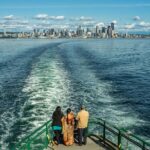
Once you roll out, you’ll be in a vehicle described as luxury, which matters more than it sounds on a long day. The drive is part of the experience: guides often point out what you’re heading toward and what to look for along the way—one reason this tour feels more like a guided road trip than a bus tour.
The day kicks off with Seattle coffee and pastries before your first real walk. That early stop is a smart move: it helps you get into “I can do this” mode before you even hit the trail. Then you start walking along the Nisqually Vista Trail area, where the goal is less about suffering and more about orientation—views, forest texture, and that sense of scale that Mt. Rainier brings fast.
If the sky is moody, don’t panic. That’s normal here. Guides like Dan (from recent tours) have shared how changing cloud and drizzle can still deliver great moments—snowy peaks, wet lichen, and quick breaks in the weather that make the views pop.
You can also read our reviews of more tours and experiences in Seattle.
Longmire old-growth: waterfalls, big trees, and an easy first immersion
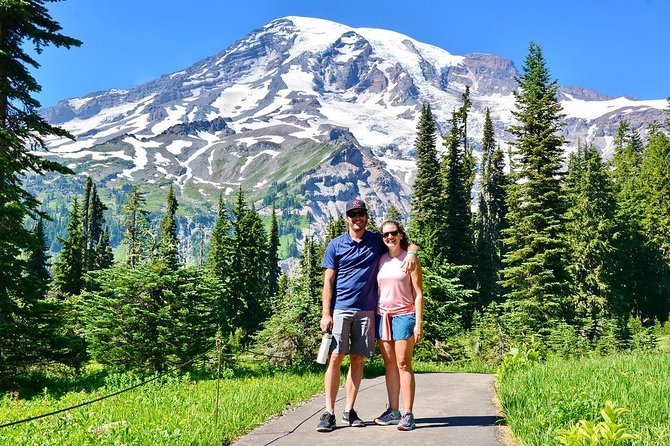
The Longmire area is where Mt. Rainier feels close-up. You’ll stroll through old-growth forest near Longmire, then work your way up to higher elevations with frequent stops for photos and short walks.
This is also where you get one of the most underrated parts of a Rainier day trip: the forest details. On tours guided by people like Marty or Erin, the conversation often shifts from the mountain to the living system around you—cedars and Douglas-fir, plus moss and lichen you’d usually walk right past.
A big practical plus: the stops are varied but not long strung-out efforts. You’ll have short windows to stretch your legs, catch a viewpoint, and keep the day feeling manageable. The itinerary includes old-fashioned rainforest scenery plus classic waterfall sights.
Near the end of the day’s “Longmire loop,” you also get the Longmire Museum area, which is helpful in real life. It’s a convenient moment for souvenirs, cocoa, and (yes) a bathroom break—small stuff, but it’s what keeps a long tour from feeling exhausting.
Christine Falls and Narada Falls: classic water views without a day-long grind
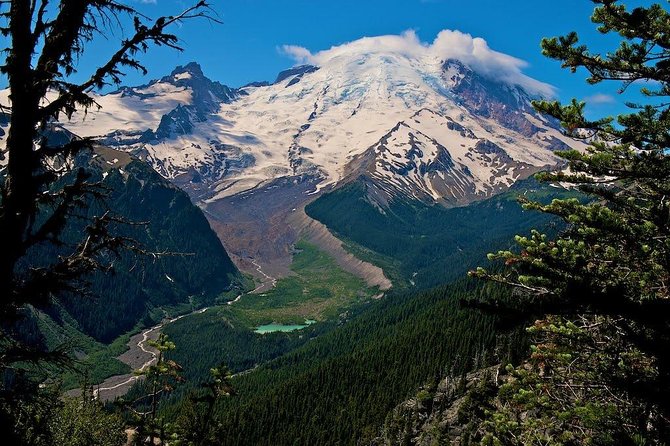
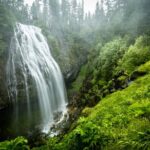
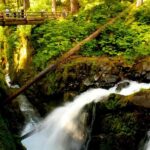
Christine Falls Viewpoint is built for easy success. Expect a short walk to a postcard-style view, with time for photos before moving on. This kind of stop is perfect when the weather is hit-or-miss, because you’re not committing to a long hike just to get one great look.
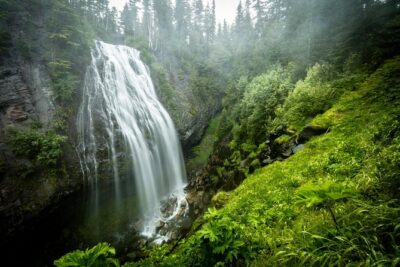
Then you’ll head to Narada Falls, another classic. You’ll have a foot-access route along the way up, and Narada is one of those waterfall stops where the walk itself adds value—you’re moving through forest while the water gradually gets louder.
From the way guides pace the day, you can treat Narada as the place to lean in. Recent participants have described this as among the more strenuous segments (mainly because it includes walking down and back), so it’s smart to plan for some uneven footing and a bit of elevation change. Comfortable shoes matter here more than anything else.
If you’re the type who likes to take it slow, you’ll be fine. Several guides (including Erin, Sarah, and Lindsey in different tours) have been praised for adjusting pace so everyone can participate without feeling rushed.
Paradise Valley in summer vs winter: berries, snowshoes, and the visitor center
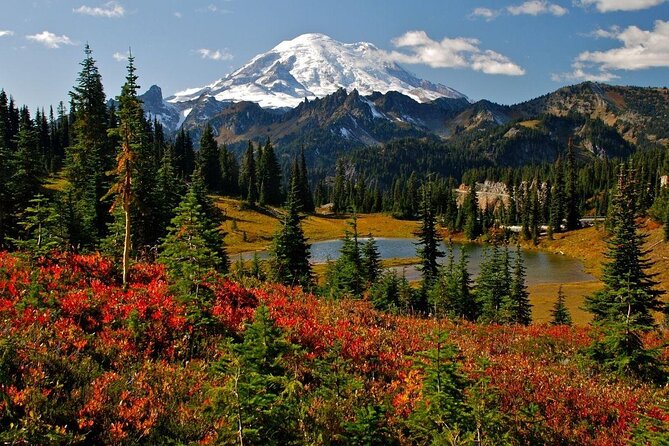
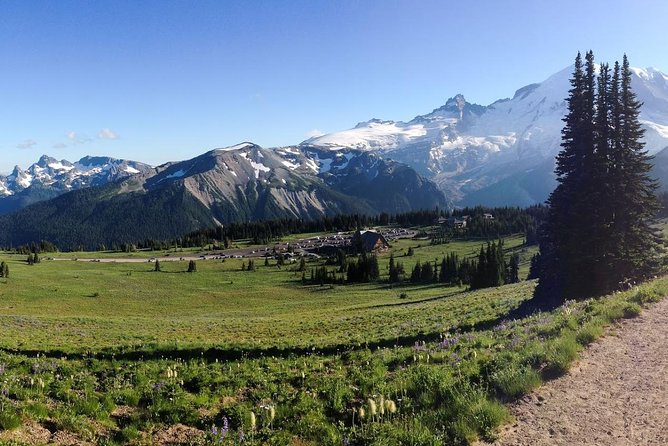
Paradise Valley is where the “Mt. Rainier postcard” moments often happen. Depending on the season, you’ll experience Paradise differently.
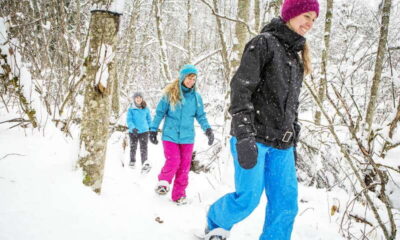
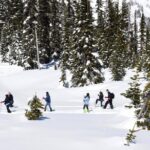
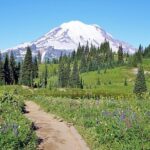
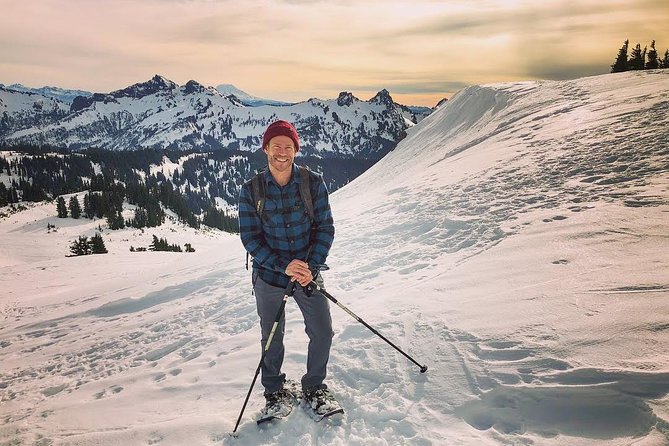
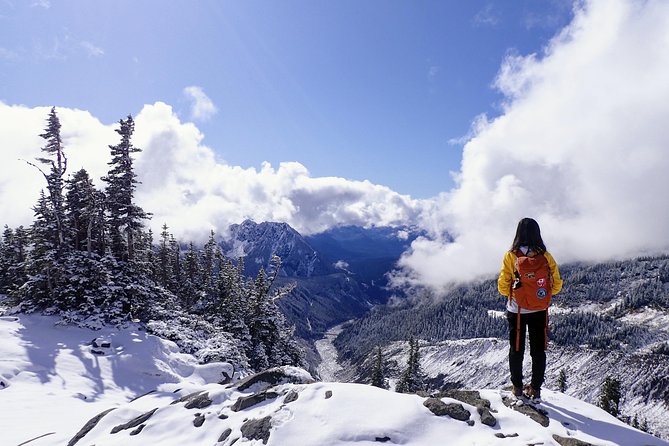
In summer, you may get the chance to pick wild berries on a sub-alpine hiking trail—yes, right there on the walk. In winter, the approach shifts toward snowshoeing in the snow, with winter solitude as the theme. Either way, Paradise gives you the sub-alpine feel: sharper views, different vegetation, and that open, airy sense of height.
A key stop here is the Henry M. Jackson Visitor Center area. Even with weather rolling in, interpretive information helps you connect what you’re seeing to why it looks the way it does. This kind of stop is great for first-timers, because it turns a random sight into something you can explain to yourself later.
The tour also includes snowshoes and poles during winter months. That’s a real value-add if you don’t want to rent gear elsewhere, and it reduces the chance of “we came all this way and can’t do the walk” disappointment.
And if you get a guide like Marty—someone who’s been praised for adapting when winter road closures limit access—you’ll appreciate this part even more. The goal isn’t forcing the itinerary. It’s making sure you still get meaningful time on the trail where conditions allow.
Myrtle Falls and Reflection Lakes: when the peak shows up
Once you’re in Paradise, the day pivots toward the iconic waterfall and view moments.
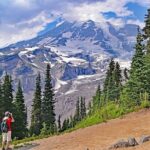
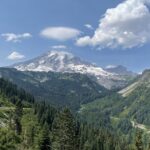
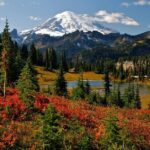
Myrtle Falls is described as impressive and reachable by an easily walkable trail, with almost constant views of Mt. Rainier’s peak. This is one of those stops where timing matters: if the clouds clear, you get the full effect; if they don’t, you still get the water and the drama of the mountain holding still above the trees.
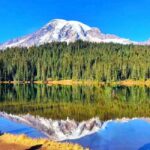
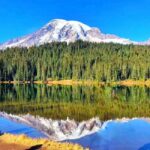
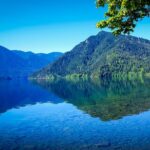
Reflection Lakes is the other “view payoff” stop. The idea is simple: you’re looking for those mirror-like reflections of Mt. Rainier. You may not always get perfect reflections, but even a partial view is often enough to make the stop memorable—especially when the group has been moving from forest to sub-alpine and back again all day.
One practical note: many stops include short walks or quick transitions. That means your photo strategy should be boring and effective—camera ready, water accessible, and comfortable shoes that can handle both wet ground and packed trail.
Guides like Brent have been noted for making sure the group gets a good look when it’s available. In other words, they don’t treat viewpoints like checkboxes. They pay attention to the sky and the timing.
Trail-of-the-Shadows and Twin Firs: old-growth texture you’ll remember
Back toward the Longmire side, the tour includes short loop walks that are all about big trees and small details.
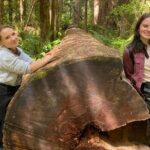
Trail of the Shadows focuses on giant old-growth spruce trees clustered around bubbling mineral springs. The payoff is the sensory contrast: wet air, sound of water, and the feeling of walking inside a living cathedral. These short loops also help you recover without ending the day early.
Twin Firs Loop Trail is similar in spirit but different in feel. You’re surrounded by massive trees that tower overhead, giving you that scale reminder that Rainier isn’t just a peak—it’s an entire ecosystem.
These short walking loops are also the best place to slow down and just watch. If you’ve got a naturalist guide, this is where their stories tend to click. People have specifically praised guides for pointing out moss, lichen, and how glaciers feed rivers—stuff you’ll notice more once someone tells you what to look for.
How hard is this really? Pacing, footwear, and weather reality checks
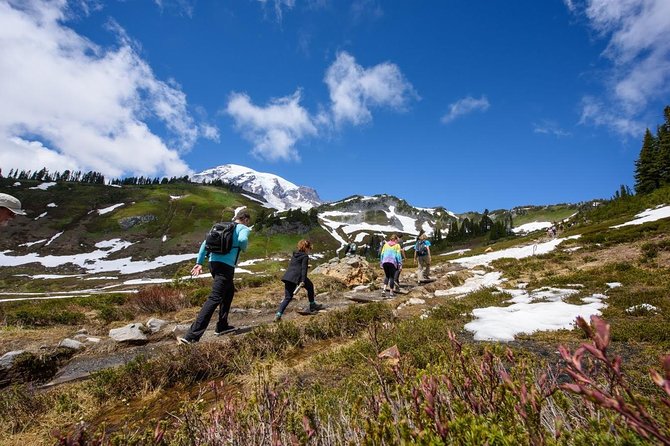
This tour is rated easy to moderate, and it’s built for a mixed group. That matters because Mt. Rainier day trips can turn into a “who’s in shape” contest fast if the pace isn’t managed. Here, the small group size helps the guide tailor the walk.
Still, be honest with yourself. Even at easy-moderate levels, you’ll be on your feet for hours in changing conditions. One traveler described a longer hike than expected due to trail changes, which is a reminder that conditions and closures can affect route length.
Footwear is not a minor detail. Waterproof boots are required October through June, and warm clothing is recommended in winter months. You can request additional warm clothing, and you may be offered help with gear like snowshoe setup when needed, but it’s best not to arrive underprepared.
Weather is the other big factor. The tour operates in all weather conditions, and the guide adjusts accordingly. Severe winter weather is rare, but when roads close, the itinerary can shift to keep you moving and safe.
What I’d tell you to pack mentally: this is not a day where you get to “win” by forcing clear skies. The win is getting out, walking thoughtfully, and accepting that Mt. Rainier can look completely different in an hour.
Snacks, picnic lunch, and what $344 buys you in real value
At $344 per person for about 10.5 hours, this tour only feels “pricey” if you compare it to doing nothing. Compared to renting a car, paying for park entry separately, and then trying to piece together meals and snacks on your own, the value gets clearer.
Here’s what’s included that actually saves you time and hassle:
- National park entrance fees included
- Transportation between Seattle and the park area included
- Snacks and sparkling water plus water provided
- Coffee and/or tea
- Picnic lunch midday
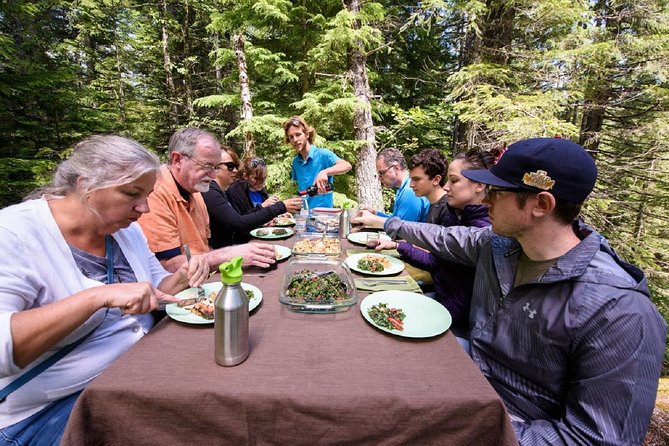
The lunch details are specific: a seasonal picnic from a local female-owned caterer, served outdoors when weather permits, featuring grilled chicken or salmon or a sandwich/wrap option, plus a grain or green salad and water or soda. Vegetarian options are noted as possible if you request them in advance.
In several reviews, people praised the lunch as a standout rather than a sad bagged meal. That’s a big deal on a long day. When food is good and portions are realistic, you’ll walk better and enjoy the views more.
Also, small comfort items matter. Guides have been praised for having treats like French-pressed coffee and for carrying enough snacks to keep energy steady without making you stop every 30 minutes.
So yes, you’re paying for convenience. But you’re also paying for a smoother day structure that keeps your attention on Mt. Rainier instead of logistics.
Who should book this Mount Rainier highlight route?
This tour is ideal if you:
- Want to see the best-known Rainier areas from Seattle without renting a car
- Prefer a small group of up to 10, with lots of stops that feel paced
- Like nature explanations that connect forests, glaciers, rivers, and volcanoes to what you’re seeing
- Are comfortable with short walks and some uphill/downhill, especially around waterfall areas
It’s also a good pick for families and multi-generational groups. The age requirement is 10+, and reviews include participants spanning a wide age range, with guides adjusting pace.
If you hate long drives, this may feel like a lot. It’s about 10.5 hours total, and you’re on the move for most of the day. But if you’re excited by the idea of a full “highlights” day, this format is built for you.
If you’re a hardcore hiker hunting for solitude and intense elevation gains, you might want a more specialized route. This one is about variety, viewpoints, and story-driven nature time—less about training for a summit trek.
Should you book this Best of Mount Rainier tour from Seattle?
If you have limited time in the Seattle area and you don’t want to drive, I’d lean toward booking. This tour is designed to reduce friction: pickup, transportation, park fees, snacks, and lunch are handled, and the small group limit helps you actually enjoy the stops instead of rushing through them.
Book it if you want a day that mixes old-growth forest walks, waterfall views, and Paradise Valley scenery—with a guide who can explain what’s going on when the mountain is hiding behind clouds.
Skip or reconsider if you’re extremely weather-fragile, hate walking, or want a flexible schedule that you control hour-by-hour. Mt. Rainier’s conditions set the rules here, and the guide adapts—but you’ll still spend a good chunk of time outdoors.
FAQ
Do you include park entry fees and transportation?
Yes. National park entrance fees and transportation are included in the tour price.
How does pickup work in Seattle?
Pickup and drop-off are offered for guests staying in downtown Seattle, including hotels and Airbnbs. If you’re outside the legal pickup zone, you can meet at the default pickup location at the Sheraton Grand Seattle (1400 6th Ave).
What should I wear for this day trip?
Wear closed-toe comfortable shoes suitable for walking. Waterproof boots are required October through June. Warm layers are recommended in winter months, and you can request additional warm clothing.
Is the tour strenuous?
Most travelers can participate. The tour is rated easy to moderate, with pacing tailored to the group and a maximum of 10 guests.
Does the tour run in winter weather and include snowshoes?
It operates in all weather conditions, and it includes snowshoes and poles during winter months.
Are there options for dietary restrictions?
Yes. If you have dietary restrictions, inform the company at least 48 hours before departure so they can do their best to accommodate you.