REVIEW · BIG ISLAND OF HAWAII
Hawaii Volcanoes National Park Experience from the Big Island
Book on Viator →Operated by Hawaii Island Experiences, LLC · Bookable on Viator
Craters and sea turtles in one long day. This Big Island tour bundles Hawaiʻi Volcanoes National Park with classic Kona-area stops like Greenwell Farms and the Punaluʻu area, with guide Mel or Jim-style narration that turns the drive into part of the fun. I love how the day mixes coffee history and volcano science, and I also like that you get multiple park moments, from Halemaʻumaʻu Crater glow to the Thurston Lava Tube.
One thing to consider: it is a busy 10-hour loop, with several short stays instead of one slow, lingering afternoon. If you want maximum time in each place, you’ll feel that pacing. Also, it gets cool and can be wet at elevation, and the park is an active volcanic zone.
In This Review
- Key Things I’d Watch For
- Why This Kona-to-Volcanoes Day Works
- Greenwell Farms: Kona Coffee With Real Stakes and Time
- Manuka State Wayside Park and the 2-Mile Nature Trail
- Punaluʻu Bake Shop: Lunch Stop, Souvenir Hub, and Local Flavor
- Punaluʻu Black Sand Beach: Walking Close to Lava’s Aftermath
- Hawaiʻi Volcanoes National Park: Craters, Lava Tube, and Steam Vents
- Safety you should take seriously here
- Mauna Kea Access Road, Kohala Coast, and the Hilo Finish
- Price and Value: Is $139 a Smart Deal?
- What to Pack for a Safe, Comfortable Day
- Who This Tour Suits Best
- Should You Book This Big Island Volcano Tour?
- FAQ
- How much does the tour cost?
- How long is the tour?
- What time does the tour start?
- Is pickup included from Kona?
- Where do I meet if I fly into Kona International Airport?
- Is Hawaiʻi Volcanoes National Park admission included?
- Are meals included?
- Is there walking involved?
- Is the tour suitable for people with respiratory issues?
- What happens if weather is poor?
Key Things I’d Watch For
- Small-group feel (max 22): easier conversation, less chaos at stops than big buses.
- Park time that hits the highlights: Halemaʻumaʻu Crater, Kīlauea Iki lookout area, Thurston Lava Tube, and steam vents.
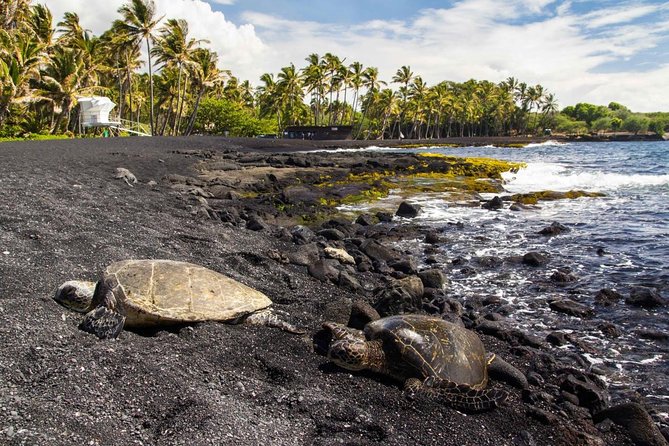
- Punaluʻu hands you the sea turtle chance: black sand walking with a realistic shot at green sea turtles.
- Short walks and uneven ground: comfy closed-toe shoes matter more than you think.
- Weather can change fast: bring layers and rain gear even if Kona starts sunny.
Why This Kona-to-Volcanoes Day Works
This is the kind of tour that makes sense on the Big Island when you want a lot of variety but you do not want to drive yourself for hours. You start in the Kona region, then the day stretches south and toward the volcano and east, with narration from your guide along the way. The payoff is a trip that feels like a greatest-hits tour of the island’s geology plus everyday local life.
I like the structure: the stops are spaced so you get to change scenery often. Coffee farm time gives you context for how people shaped this land, and then Hawaiʻi Volcanoes National Park gives you the raw explanation for why it looks the way it does.
Your group stays in an air-conditioned vehicle, and the tour includes pickup and drop-off from Kona. That removes the biggest headache of visiting the volcano: the driving stress and the parking puzzles.
You can also read our reviews of more tours and experiences in Big Island of Hawaii.
Greenwell Farms: Kona Coffee With Real Stakes and Time
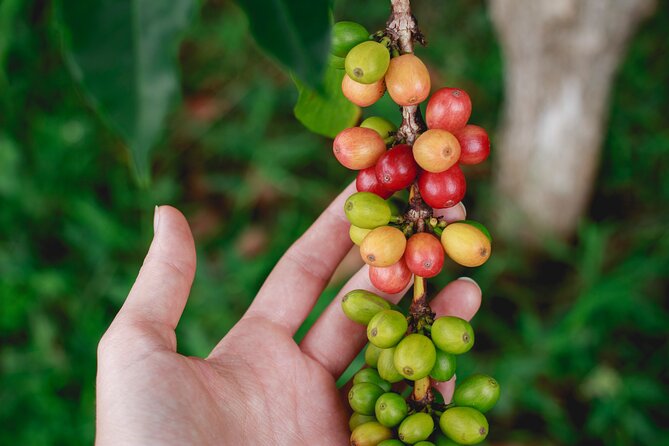
Greenwell Farms is one of those places where the story matters as much as the beans. It dates back to 1850, started by Henry Nicholas Greenwell, and it sits in the Kona district on the Mauna Loa slopes. The farm’s location shapes the flavor—volcanic soil, sunny mornings, cloud-covered afternoons, and rainfall that helps the trees stay productive.
Your stop here is about 30 minutes, so think of it as a quick orientation. You’ll likely have time to walk around the farm grounds, look at what they’re producing, and sample the idea of Kona coffee as something grown in a very specific microclimate—not just coffee that happens to be from Hawaii.
What makes this a smart opener is that it teaches you to look at the land before you get to the volcano. You start noticing how rainfall, clouds, and soil affect what grows. Then, later, when you see steam vents and lava tubes, you can connect the dots.
Manuka State Wayside Park and the 2-Mile Nature Trail
After the coffee, you head to a quieter slice of the island at Manuka State Wayside Park. This is a 13-acre park along Hawaii Belt Road (Highway 11), and the point is variety: wet and dry forest ecosystems in one area, plus native plants and geology cues.
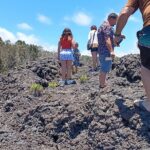
There’s a Manuka Nature Trail that’s about 2 miles. Even if it sounds short on paper, it’s still a real walk on uneven ground. It also tends to feel better than a parking-lot stop because the trail has interpretive signs, so you can read your way through what you’re seeing.
This is where I like to slow my pace for a moment. The park is also a reminder that the Big Island is not only volcanoes. You’ll see native Hawaiian plants and wildlife, with a chance to spot birds like the Hawaiian hawk and honeycreepers, depending on conditions.
Punaluʻu Bake Shop: Lunch Stop, Souvenir Hub, and Local Flavor
Punaluʻu Bake Shop is famous for traditional Hawaiian sweet bread—taro, guava, mango, and more. It also bills itself as the southernmost bakery in the U.S., and it opened in 1991. You get a 30-minute stop here, which is short, but it’s placed at a practical time in the day.
The shop also works as your lunch window. The tour includes time here where you can choose lunch items like sourdough sandwiches, Kalbi beef, and Hawaiian plate lunch options. And yes, the baked goods are the big crowd-pleaser—one of the more consistent wins from people who’ve taken this tour.
Two practical notes before you commit:
- If you’re vegan, you should plan for limited options at the bakery. It can be safer to bring backup snacks.
- Some people find full meals hit-or-miss, but the baked items are the easy win.
Punaluʻu Black Sand Beach: Walking Close to Lava’s Aftermath
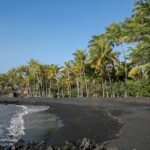
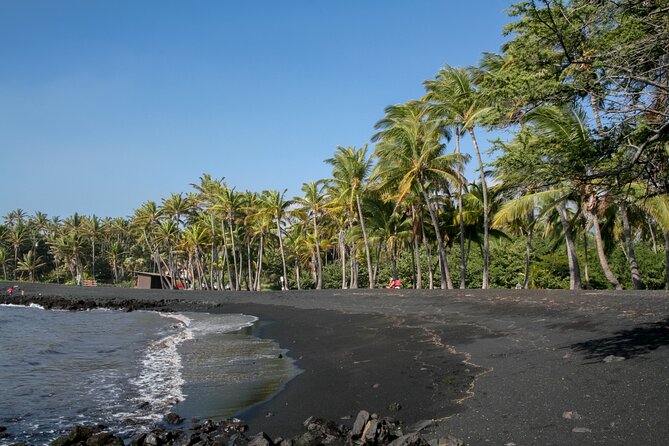
Then comes Punaluʻu Black Sand Beach, with a chance to see green sea turtles. This stop is also about 30 minutes, which works here because you’re mostly using it to walk the beach edge and watch the waterline.
Black sand beaches are a good reminder that you’re standing on the result of old eruptions. And compared to a quick photo stop, it feels more worthwhile because you’re there slowly enough to look for turtles without feeling rushed.
A key expectation setting: the turtles are not guaranteed. But when they are present, seeing them in their natural setting is exactly the kind of moment that makes people remember the day.
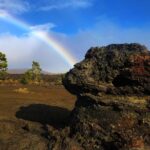
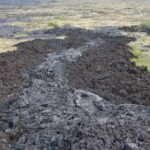
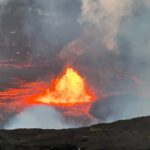
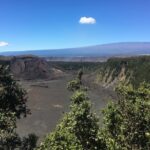
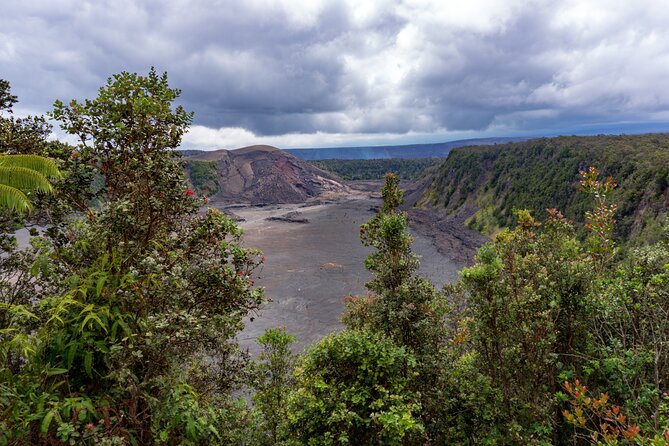
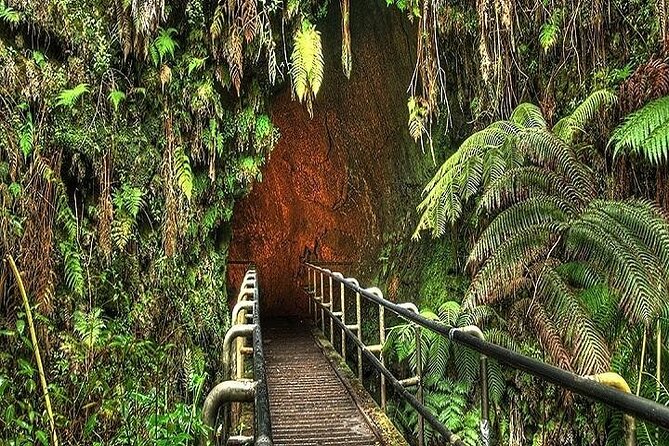
Hawaiʻi Volcanoes National Park: Craters, Lava Tube, and Steam Vents
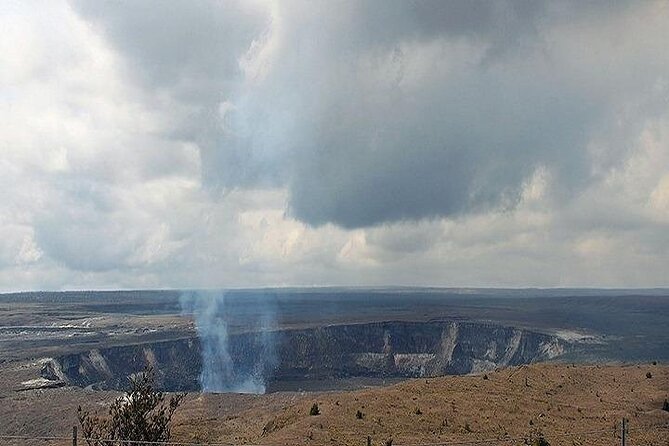
This is the heart of the day, with about 2 hours in Hawaiʻi Volcanoes National Park. You start at the visitor center, where you get the geology and history framing that makes the rest of the park make sense. It’s also where you learn what current conditions look like, which matters because the park is active.
From there, you focus on a set of major hits:
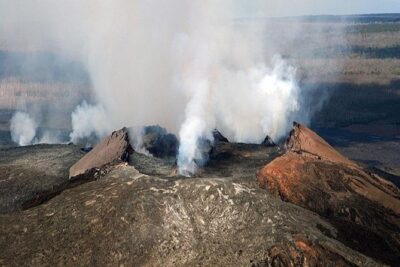
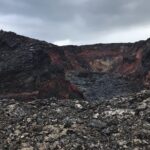
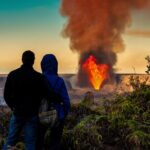
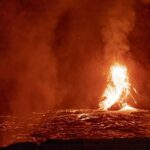
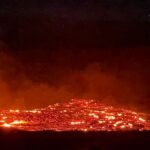
- Halemaʻumaʻu Crater: you can witness the glow of molten lava when conditions allow.
- Kīlauea Iki Rainforest Lookout area: a strong contrast—lush rainforest textures wrapped around a massive crater space.
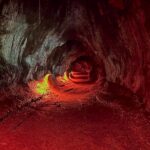
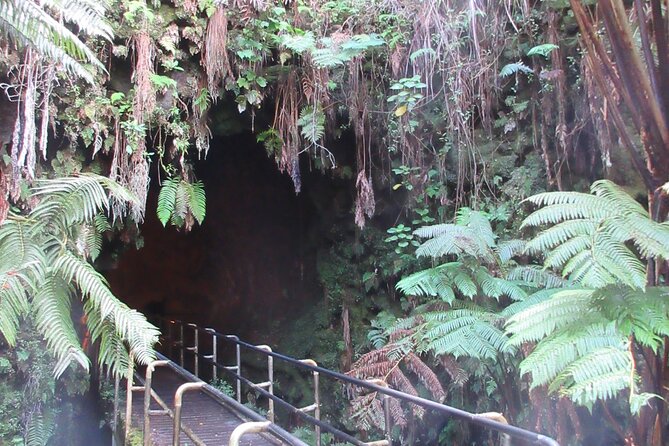
- Thurston Lava Tube: a tunnel formed by flowing lava, which makes the volcano feel hands-on instead of theoretical.
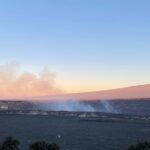
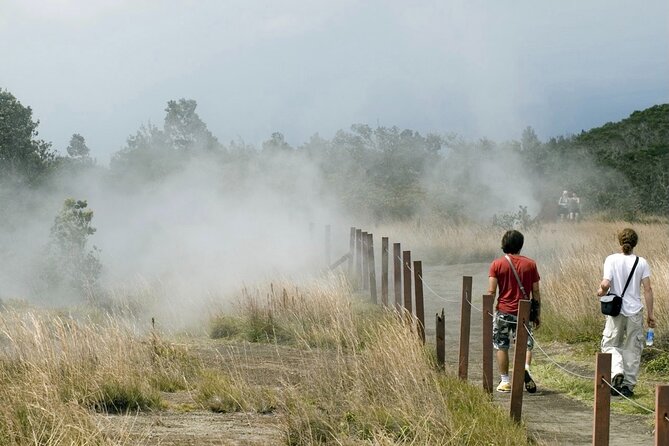
- Active steam vents: heat rising from the earth, a reminder that the danger is not just a story.
This part of the tour is why it is worth paying for a guide. Lava tubes and vent areas are the kind of places where the real value is understanding what you’re looking at: why it formed, what to do, and how to stay safe.
Safety you should take seriously here
The tour info is clear about volcanic hazards. Volcanic gases can be harmful, especially for people with respiratory issues. Cell service can be limited, and you should follow posted safety guidance. I strongly suggest you treat this like being in a living hazard zone: stay on marked trails, bring water, and do not try to cut across rough ground for a better view.
Mauna Kea Access Road, Kohala Coast, and the Hilo Finish
Not every Big Island day includes both high-elevation views and a real town stop. This tour does that.
You go up Mauna Kea Access Road, a steep, winding route toward the summit area. As you climb, the air thins and temperatures drop, often noticeably. On some days, people even report seeing snow at the top of a mountain area, so if you’re lucky, you may catch a dramatic weather-and-elevation moment. Even without snow, the temperature change is real—pack for cold, not just sunshine.
Kohala Coast adds a different feel: beaches, scenic views, and a drier climate compared with other parts of the island. It also gives you a broader visual context for how the island’s weather shifts across elevation and direction.
Then you land in Hilo, which is a smart way to end. Hilo has history and museums like the Lyman Museum, plus the Hilo Historic District with preserved early 20th-century buildings. If you like learning how communities handle natural disasters, the Pacific Tsunami Museum is a compelling stop. And you get calm, reflective time at Liliuokalani Gardens.
For a casual local taste, the Hilo Farmers Market can be a lively final payoff when it’s running.
Price and Value: Is $139 a Smart Deal?
At $139 per person for an around 10-hour day, the value depends on what you would otherwise do. If you’re renting a car, the savings can be meaningful once you factor in gas, insurance, parking, and the time cost of driving between Kona, the volcano area, and Hilo.
This tour also includes several things that usually cost extra on your own:
- Air-conditioned vehicle
- Pick-up and drop-off service from Kona
- Narration from a local guide
- Hawaiʻi Volcanoes National Park admission included
- You get entry tickets provided by your driver the morning of the tour
You also get a small-group setting (max 22), which matters on a day when you’re stepping off and on at multiple locations. In other words, you’re paying for logistics plus interpretation, not just for transportation.
Could it be a better deal for families than solo travelers? Often, yes, because shared costs and a guided schedule reduce stress. But even solo travelers benefit if you want structure and a guide to explain what you’re seeing.
What to Pack for a Safe, Comfortable Day
You’ll be outside for long stretches and walking on uneven, volcanic terrain. The tour details are spot-on about packing.
Bring:
- Layers, including a rain jacket (weather can change quickly, especially at higher elevations)
- Sturdy, closed-toe shoes (flip-flops are a bad idea here)
- Water and some snacks (services inside the park can be limited)
- Sunscreen and a hat
Also: respect the park and sacred sites. Do not disturb or remove anything from culturally significant areas, and follow Leave No Trace.
And if you hate being without maps, plan for limited cell service in parts of the park. Download what you need before you go.
Who This Tour Suits Best
This works best if you want a full Big Island sampler day without the headache of driving. It’s also a strong fit for people who like getting context—history, culture, and science—explained along the way.
I especially recommend it if:
- You’re short on time and want multiple major stops in one day
- You do not want to worry about the volcano logistics
- You want a guide who can connect observations to island life (guides like Mel are repeatedly praised for sharing lots of information and keeping the day moving well)
It’s not ideal if you want long, slow stays at just one site. The pacing means you see a lot, but you won’t have hours to linger in one spot.
And if you have respiratory problems, take the volcanic gas warning seriously and talk with a clinician if you’re unsure. This is not a mild environment.
Should You Book This Big Island Volcano Tour?
If you want a stress-free, guided way to hit Kona coffee history, Punaluʻu black sand beach, and the major moments at Hawaiʻi Volcanoes National Park—all in one long day—this is a good match. The best reason to book is simple: you get interpretation plus transportation on a route that can be tiring and confusing to do yourself.
I’d hesitate only if you dislike busy schedules or you want lots of time in one place. Also, if vegan eating options are critical for you, plan backup food.
If your priority is seeing the volcano up close and leaving with a clearer understanding of why the island looks the way it does, booking is an easy yes.
FAQ
How much does the tour cost?
The price is $139.00 per person.
How long is the tour?
The duration is about 10 hours.
What time does the tour start?
It starts at 8:00 am.
Is pickup included from Kona?
Yes. Pick-up and drop-off from Kona are included.
Where do I meet if I fly into Kona International Airport?
If you fly into Kona International Airport, meet at the lot behind Alaska Baggage claim B-2.
Is Hawaiʻi Volcanoes National Park admission included?
Yes. The park admission is included, and entry tickets are provided by your driver on the morning of the tour.
Are meals included?
Meals are not included. You’ll stop at Punaluʻu Bake Shop where you can purchase lunch.
Is there walking involved?
Yes. There is a nature trail at Manuka State Wayside Park (about a 2-mile trail), and you’ll also walk in areas like the lava tube and other park viewpoints, so wear sturdy footwear.
Is the tour suitable for people with respiratory issues?
The park can have high levels of volcanic gases, which can worsen conditions like asthma. If you have respiratory issues, take the warning seriously and follow safety guidance.
What happens if weather is poor?
The experience requires good weather. If it’s canceled due to poor weather, you’ll be offered a different date or a full refund.