REVIEW · HAMBANTOTA
From Anuradhapura: Wilpattu National park Safari
Book on GetYourGuide →Operated by Wanderluxe Ceylon · Bookable on GetYourGuide
Wilpattu feels like Sri Lanka’s wild heartbeat. You get early access to forests and lakes in a 4×4 safari jeep, then spend hours searching for tough-to-see animals while birds keep talking all around you.
I especially like the hotel pickup and drop-off from Anuradhapura. It saves you the hassle of arranging transport on the day you’ll want to be focused on spotting wildlife, not logistics.
One possible drawback is that sightings depend on conditions and crowding. If weather is gloomy or there are lots of jeeps converging on the same area, animals can go quiet fast and your guide has less room to “work the habitat.”
In This Review
- Key things I’d watch for before you go
- Getting to Wilpattu: the transfer that sets the tone
- First impressions in Wilpattu: sunrise energy and guide-led searching
- The main wildlife targets: leopards, elephants, sloth bears (and the realistic odds)
- Lakes, forest, grasslands: what each stop really changes
- Jeep comfort and group size: why it affects sightings
- Photos during the safari: helpful, but don’t expect studio conditions
- Food and breaks: picnic breakfast and lunch planning
- Price and value: what $65 really buys (and what you’ll pay separately)
- The human side: guide communication and on-the-ground flexibility
- Who this safari fits best (and who should think twice)
- Should you book this Wilpattu safari from Anuradhapura?
- FAQ
- How long is the Wilpattu safari tour from Anuradhapura?
- Do I get hotel pickup and drop-off in Anuradhapura?
- Is the national park entrance ticket included in the price?
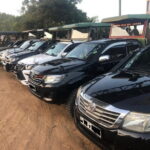
- What kind of jeep will I ride in?
- Can I take pictures during the safari?
- What wildlife and birds should I expect to look for?
- Is the guide available in English, and is the tour suitable for everyone?
Key things I’d watch for before you go
- Early park entry mindset: show up ready, because timing can affect how your morning starts
- 6-seat 4×4 jeep comfort: more space than standard vans, with limited people per vehicle
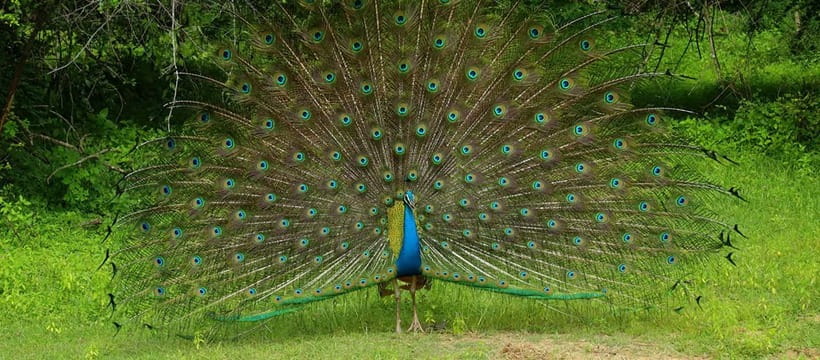
- Bird-first soundscape: even when mammals are hiding, you’ll still get kingfishers and eagles in motion
- A day with real search time: you’re not just passing through; you’re traveling the park with a guide
- Photo-friendly, slow-and-steady driving: you can take pictures during the safari, but you’ll still need patience
- Weather and jeep noise are wild cards: overcast skies and other vehicles can reduce sightings and silence animals
Getting to Wilpattu: the transfer that sets the tone
This safari starts in Anuradhapura with pickup from your hotel, then it’s about a one-hour transfer toward Wilpattu. That matters more than it sounds. A smooth, air-conditioned ride keeps you calm, not bouncing around with sore legs before the real game begins.
You also don’t start by wandering at random. You’re led into the park with a guide who knows where to look and how to read the landscape—lakes, dense forest, and grasslands. Even when wildlife is elusive, that structure helps you feel like you’re participating, not just waiting.
If you want the best odds, aim to be ready when pickup time comes. One recent booking noted arriving early at the park gates helped them be among the first jeeps inside, which can change the rhythm of your morning.
You can also read our reviews of more tours and experiences in Hambantota.
First impressions in Wilpattu: sunrise energy and guide-led searching
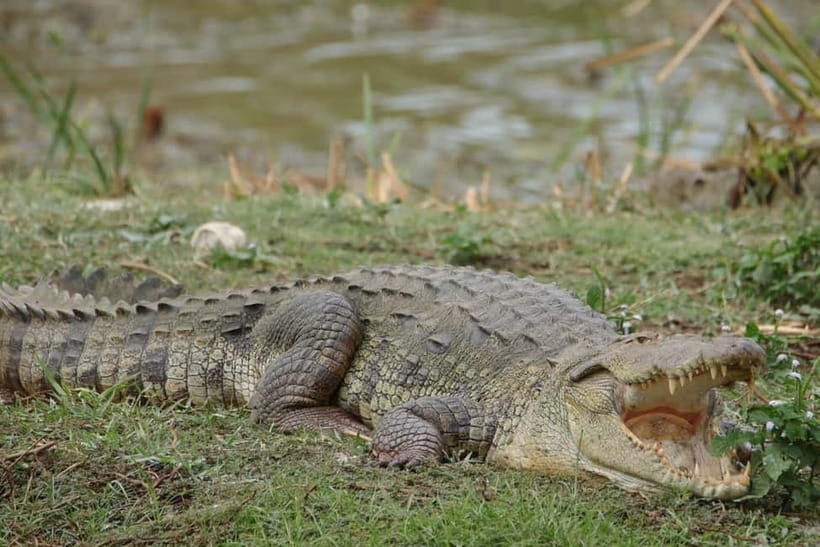
Once you’re inside Wilpattu, the day shifts from travel mode to spotting mode. Your guide takes you deeper into a mix of habitats—ancient lakes, thick tree cover, and open grass areas—so you’re not stuck scanning one type of scenery.
The plan leans into the early hours, with sunrise included in the overall park experience. That’s smart. Many animals move more in cooler morning light, and birds are usually active regardless of what the big mammals are doing.
Here’s the practical reality: you’ll likely spend several hours in the park during this outing, and the exact rhythm can vary by departure. One group had a run from roughly early morning into late morning, about five hours in total, which is a good sense of how long you may be hunting before returning.
Also, expect plenty of “drive, stop, scan, listen.” If that sounds boring, don’t worry—you’ll notice the park’s sound cues more after the first hour. Bird calls become your navigation aid, and you start seeing how guides spot movement before you do.
The main wildlife targets: leopards, elephants, sloth bears (and the realistic odds)
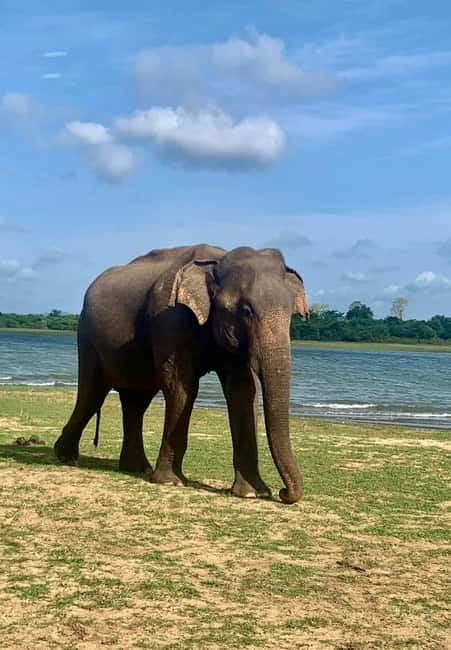
Wilpattu is famous for predators and elephants, but your day isn’t built around one animal. The experience is designed to help you search for a whole set: leopards, sloth bears, elephants, spotted deer, water buffalo, crocodiles, and a wide mix of birds.
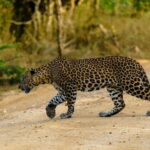
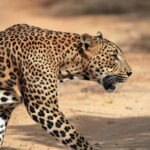
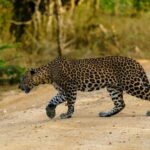
The leopard part is the big dream. Leopards can be silent and stay out of sight, so your guide’s ability to interpret tracks, movement, and likely hideouts makes a difference. Even if you don’t get the leopard photo you planned, you can still leave with strong wildlife sightings—often elephants, deer, and birds are more reliable.
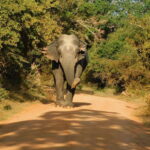
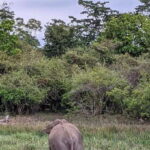
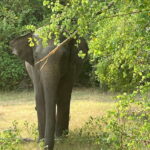
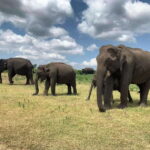
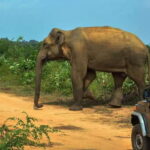
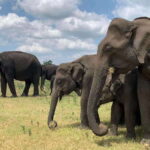
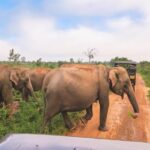
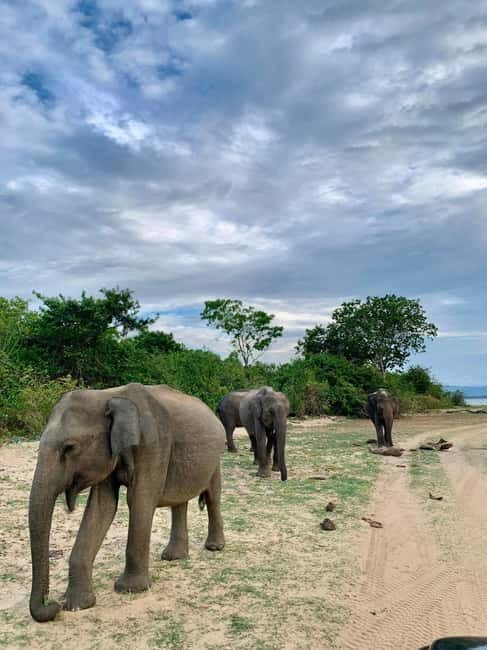
Elephants in Wilpattu tend to create their own moment. When they show up, you’ll usually feel the whole jeep line adjust—slower driving, more stillness, and everyone quiets down to watch. And because this safari happens over several hours, you have a better chance than you would on a very short drive.
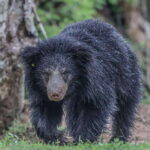
Sloth bears are another reason people pick this park. If you see them, you’ll remember it. If you don’t, don’t treat it as a failure. In a safari like this, you’re looking at behavior and chance, not a guaranteed checklist.
Crocodiles and water buffalo come into play mainly around water and edges. That’s why the lakes matter. When the route includes lake areas, you’re not only looking for animals on land—you’re also watching water margins for motion.
Lakes, forest, grasslands: what each stop really changes
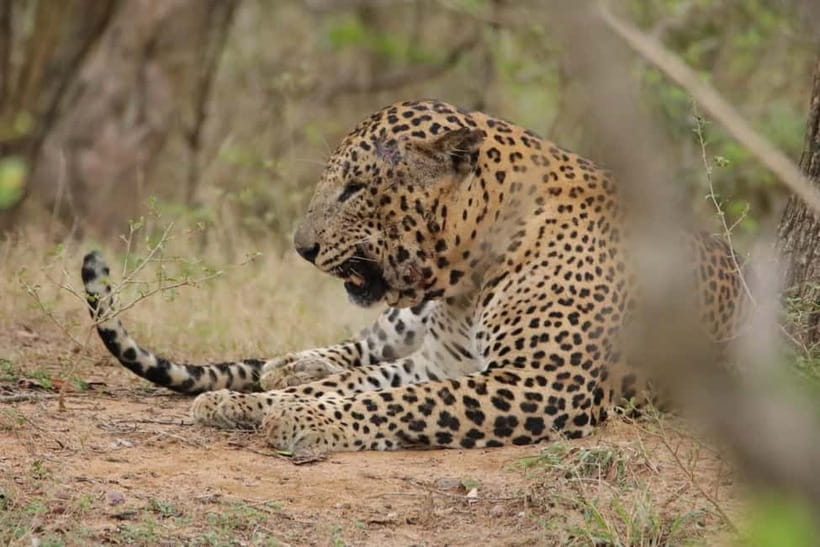
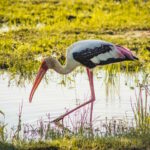
Wilpattu’s mix of habitats is the value. Lakes can pull in water buffalo and draw birds that feed around the shore. Dense forest gives you chances for bears and hides for predators. Grasslands often reveal more visible activity, like deer and occasional larger mammals.
You’ll experience this through guided touring and sightseeing inside the park, plus stops timed for visibility. Even if the day feels like one long game of scanning, the habitats keep resetting your odds.
One key detail: the plan includes both sunrise and sunset in the overall experience flow, and you’ll likely pass through scenic viewpoints on the way inside and out. That’s not just for photos. Different light angles change how animals look against the background, and guides use that for decision-making.
If it’s cloudy or rainy, don’t expect the same visibility. One booking specifically mentioned bad weather and fewer animals seen. So bring flexibility. When conditions soften, focus on smaller wins: bird activity, animal tracks, and water-edge movements.
Jeep comfort and group size: why it affects sightings
You travel in a spacious 4×4 safari jeep built for wildlife viewing. The key detail is the max passenger count: up to 6 people per jeep. Less crowding makes a difference because you’re more able to shift positions slightly for sightlines without creating chaos.
This also affects the vibe. With fewer passengers, it’s easier to keep a calm, quiet routine. That helps when you’re trying to spot a leopard or a bear that’s sensitive to sudden movement.
For groups of 5 or more, you can get a private jeep setup. That’s a plus if you want a more controlled experience rather than sharing the same vehicle with strangers who may be less comfortable staying still.
There is one trade-off to consider: sometimes multiple jeeps reach the same area around the same time. One booking noted there can be a lot of jeep noise at the same point, and that sound can spook animals. You can’t always control where other jeeps are, but your guide’s driving choices can reduce how long you sit in a noisy cluster.
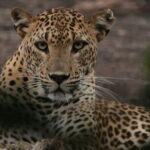
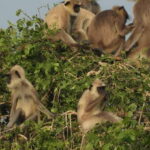
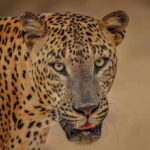
Photos during the safari: helpful, but don’t expect studio conditions
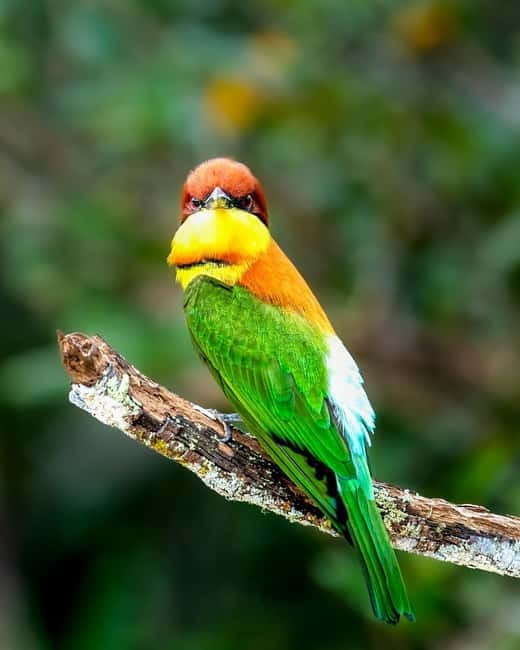
You can take pictures during the safari, which is great, especially if you’re traveling with a phone camera or a basic lens. The practical advice is simple: keep your camera ready, but don’t rush.
Wildlife photography in a jeep is mostly about timing and patience. Your best shots often come from longer watching sessions—when animals feel calm enough to hold a position, or when they move into a clearer patch of grass or open shoreline.
If the light is poor, adjust expectations. Cloudy conditions can reduce animal visibility and make it harder to photograph even when animals are nearby. In that situation, prioritize the viewing first. A clear sighting beats a blurry picture you can’t identify later.
Food and breaks: picnic breakfast and lunch planning
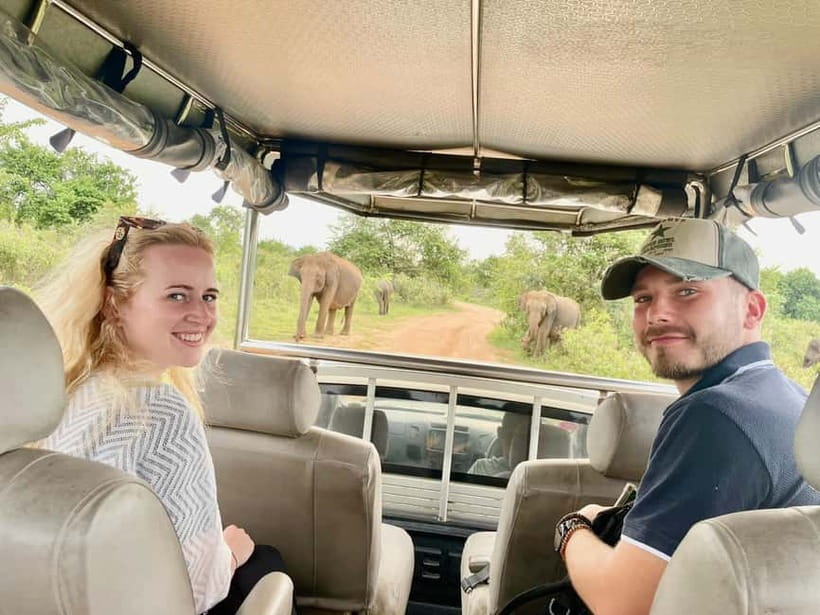
The day plan includes a picnic breakfast in the wilderness and a hearty lunch with cool drinks as you go along. That’s an important comfort factor, especially because you’re leaving early and spending hours on the move.
Still, there’s a small practical note. The “included” list you get during booking doesn’t spell out meals, so it’s worth confirming what’s actually provided for your exact departure. I’d treat the meal plan as part of the experience outline, then double-check coverage when you reserve.
If you’re someone who gets hungry during morning drives, you’ll appreciate the structure. Waiting for animals is hard enough; hunger makes everything feel longer.
Price and value: what $65 really buys (and what you’ll pay separately)
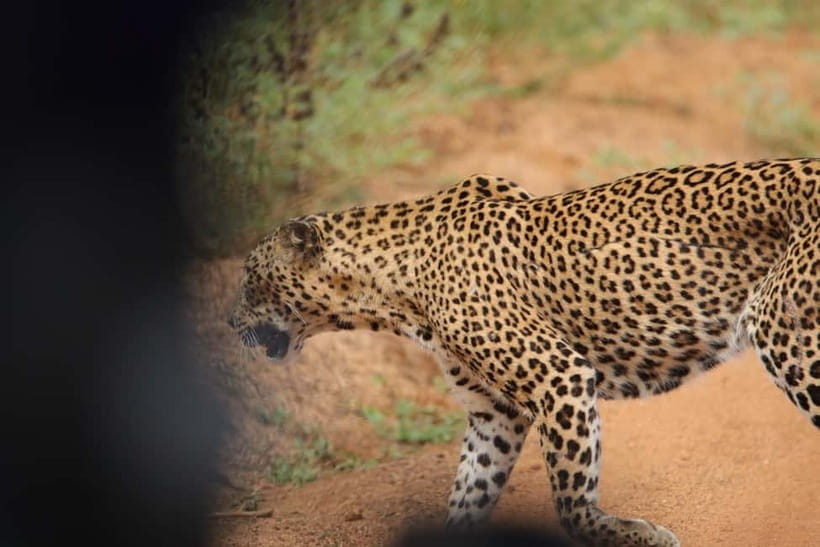
At about $65 per person, the price feels geared toward the big cost drivers: transportation, a guide/driver, and a 4×4 jeep experience from Anuradhapura. You also get complimentary hotel pickup and drop-off, which usually saves you money versus hiring multiple pieces of transport on your own.
What’s not included is the national park entrance ticket. One recent booking noted paying 11,000 LKR per person for park entry. Prices can change, so plan for a separate payment at the gate and don’t count it inside the safari fee.
So is it good value? In my book, it is when you want:
- organized access from Anuradhapura
- real time in the park
- a jeep format designed for wildlife viewing
If you’re already spending the day in the area and can arrange a very similar jeep entry cheaply, you might compare options. But if you want everything coordinated, this package makes sense.
The human side: guide communication and on-the-ground flexibility
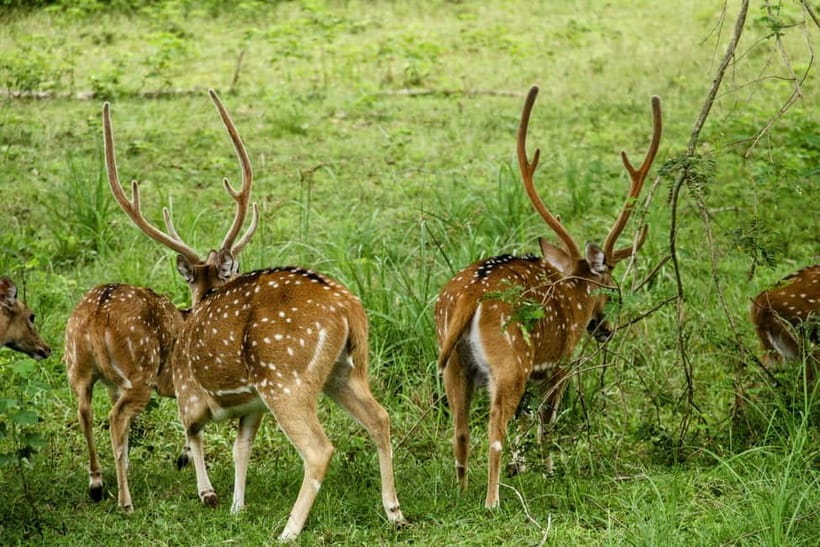
The safari includes a live guide in English. That helps a lot because you’re not just looking—you’re learning what to scan for, where to focus, and why you’re stopping where you are.
That said, guide English ability can vary in practice. One booking mentioned the guide’s English being limited, which meant more silence during the safari. Even in that case, you can still benefit from the guide’s driving and spotting skills. But if you love hearing constant commentary, it may not feel as talkative as you want.
Another practical detail: delays can happen if pickup coordination runs into trouble. One booking noted waiting for additional guests due to pickup not working properly, causing a later departure. The good news is you often catch up once you’re moving, but it’s still worth keeping a flexible mindset.
Who this safari fits best (and who should think twice)
This is best for you if you:
- want wildlife odds in a single day without DIY transport stress
- like the rhythm of ranger-style scanning and patient viewing
- enjoy birding alongside mammals, not just chasing leopards
It’s less ideal if:
- you’re sensitive to crowds and jeep noise (more vehicles can reduce animal activity in certain spots)
- you’re traveling with mobility issues, because the tour isn’t listed as suitable for people with back problems
It’s also not suitable for pregnant women, so if that applies, skip this one and look for alternatives better matched to your needs.
And if weather is a major stress point for you, keep an eye on conditions. Overcast or rain can lower the number of animals you see, even when the guide does everything right.
Should you book this Wilpattu safari from Anuradhapura?
Book it if you want an organized, jeep-based wildlife day with hotel convenience and a real search route through lakes, forest, and grasslands. The price-to-structure ratio is strong, mainly because pickup, transport, and the safari jeep are baked into the cost, and the park itself is where the magic happens.
Skip or reconsider if you strongly need:
- guaranteed leopard sightings (no safari can promise that)
- perfectly consistent guide commentary
- a quiet, crowd-free experience all day
My practical call: if you’re flexible, ready for early starts, and okay with the uncertainty of wildlife viewing, this is a solid way to experience Wilpattu from Anuradhapura without turning the day into a transportation puzzle.
FAQ
How long is the Wilpattu safari tour from Anuradhapura?
The tour duration is listed as 7 to 14 hours total. The time inside Wilpattu is described as about 4 hours in the park portion, plus transfers.
Do I get hotel pickup and drop-off in Anuradhapura?
Yes. Pickup and drop-off are included, and you should wait in the hotel lobby about 10 minutes before the scheduled pickup time.
Is the national park entrance ticket included in the price?
No. The national park entrance ticket is not included.
What kind of jeep will I ride in?
You ride in a 4×4 safari jeep with a maximum of 6 passengers per jeep. For bookings of 5 passengers or more, you can enjoy a private tour in their safari jeeps.
Can I take pictures during the safari?
Yes. You can take pictures of the wildlife during the safari.
What wildlife and birds should I expect to look for?
The experience highlights leopards, sloth bears, elephants, spotted deer, water buffalo, crocodiles, and various bird species (including kingfishers and eagles).
Is the guide available in English, and is the tour suitable for everyone?
The tour includes a live guide in English. It is not suitable for pregnant women or people with back problems.