REVIEW · HONOLULU
Oahu to Big Island Volcanoes National Park Adventure Tour
Book on GetYourGuide →Operated by Dynamic Tour USA · Bookable on GetYourGuide
That first crater view can hit fast.
This one-day Oahu to Big Island Volcanoes National Park Adventure turns a big dream trip into a tight schedule with a live English guide and key stops across Hilo and the volcano highlights. I like that you get Hawaii Volcanoes National Park admission included, so you can focus on the sights instead of paperwork. I also like the mix of big-name scenery and the little “wait, what am I looking at?” geology moments, like steam vents and Kīlauea Iki.
One thing to consider: the day is built around flights and planned pickups, and the reviews show that when pickup information is off, it can create stress. If you’re the type who needs everything perfectly timed, keep a close eye on your flight notes and meeting instructions.
In This Review
- Quick Hits: What Makes This Day Trip Special
- Oahu to Big Island in One Day: The Smart Idea (and the Reality)
- Price and What You Actually Get for $580
- Flight-Day Ground Rules: How to Avoid the Stress Spike
- Banyan Tree Drive and Richardson Black Sand Beach: Big Island Views with Character
- Hilo Bay, Liliuokalani Gardens, and Rainbow Falls: The Day’s Scenic Reset
- Wailuku River State Park: A Place with Story in the Water
- Volcanoes National Park: Visitor Center, Lava Tube, and Steam Vents
- Kīlauea Iki Crater and Sulfur Banks on Chain of Craters Road
- Mount Kīlauea, Mauna Loa, and What the Park Teaches About Active Volcanoes
- Who This Tour Suits Best (and Who Might Want Another Plan)
- The Logistics Reality: Lunch, Language, and What to Bring
- Should You Book This Oahu to Big Island Volcano Adventure?
- FAQ
- How long is the Oahu to Big Island Volcanoes National Park tour?
- What’s included in the price?
- Is lunch included?
- Do I need a passport or ID?
- What language is the tour guide?
- Is the tour suitable for people with mobility impairments?
- Can I cancel, and what about payment timing?
Quick Hits: What Makes This Day Trip Special
- Kīlauea Iki Crater is the star stop: described as the most active volcano crater in the world.
- You’ll drive Banyan Tree Drive and see named banyans with famous planter references.
- Richardson Black Sand Beach gives you a rare Hilo-area black-sand break.
- Rainbow Falls and Hilo Bay add classic Big Island scenery beyond the volcano.
- The park route includes Visitor Center, lava tube, sulfur banks, and more stops that explain what you’re seeing.
Oahu to Big Island in One Day: The Smart Idea (and the Reality)
This tour is designed for people who want the Big Island volcano experience but don’t want to plan a multi-day trip from scratch. You start with flights handled as part of the package, then you’re guided around the island stops for the day. The payoff is that you get serious Hawaii Volcanoes National Park time without having to solve logistics on your own.
But the tradeoff is timing. When your day depends on flights and a set sequence of stops, you’ll feel the schedule more than on a slow island hop. If you hate rushing, treat this as an efficient sampler rather than a relaxed, stay-in-one-area day.
You can also read our reviews of more tours and experiences in Honolulu.

Price and What You Actually Get for $580
At $580 per person, this isn’t a bargain bus tour. The value comes from what’s bundled: you’re getting air ticket included, a full day tour, a live English guide, and snacks and water during the day. On top of that, the tour includes Volcanoes National Park admission, which matters because park entry can add up once you’re budgeting for a trip.
What’s not included is just as important: lunch isn’t included. That’s not a dealbreaker, but it does mean you should plan on buying food once during the day or bringing something if the tour rules allow it (your best move is to follow what the guide tells you on the day).
For your money, you’re paying for three things:
1) getting yourself from Oahu to the Big Island,
2) having someone point out what matters at each stop, and
3) not having to coordinate park entry plus multiple viewpoints on your own.
Flight-Day Ground Rules: How to Avoid the Stress Spike
The meeting setup is flight-based. After confirmation, flight information gets sent to you, and you’re told to go to the airline check-in counter for boarding passes. Boarding is 30 minutes before departure, and doors close 15 minutes before departure.
This is the part you should respect. If you’re counting on last-minute changes or slow-moving crowds, build in cushion. Also, if you’re staying in Waikiki or anywhere near airports, don’t assume pickup details will be automatic. One review example flagged a missing pickup, forcing the traveler to drive themselves to the airport and scramble under time pressure.
Practical tip: treat all pickup notes as a checklist, not a vibe. Confirm the plan early, and if you have a phone number or contact method in your confirmation email, keep it accessible on flight day.
Banyan Tree Drive and Richardson Black Sand Beach: Big Island Views with Character
A big part of what makes the day feel like more than just volcanoes is the drive scenery. Banyan Tree Drive is famous for its named banyans—trees bearing names of notable people who planted them. The tour info specifically calls out names like President Theodore Roosevelt, Babe Ruth, and Richard Nixon.
Even if you’re not a plant nerd, this stop works because banyans grow into thick canopy tunnels. That means you get a walkable, shaded feel when the Big Island sun can be strong. It also gives you a Big Island cultural angle, not just volcanic rocks.
Then you hit Richardson Black Sand Beach. It’s described as the only black sand beach in the Hilo area, which gives it a quick “why this one?” reason. Black sand forms when volcanic material weathers into darker grains, so the color change is basically geology you can see from the shoreline. If you want a classic photo, this is the place.
Hilo Bay, Liliuokalani Gardens, and Rainbow Falls: The Day’s Scenic Reset
Once you leave the banyan-lined drive world, the tour shifts toward Hilo. Hilo Bay is a large bay on the island’s eastern coast, so you’re looking at open water rather than just dramatic cliffs. It’s a nice mental reset because the volcano stops later can feel intense.
Next comes Liliuokalani Gardens, located southeast of downtown Hilo on the Waiakea Peninsula. The tour info ties the land to Queen Liliʻuokalani, which adds meaning beyond the greenery. Even if you’re short on time, the garden stop helps you slow down for a bit and remember that the Big Island isn’t only about eruptions.
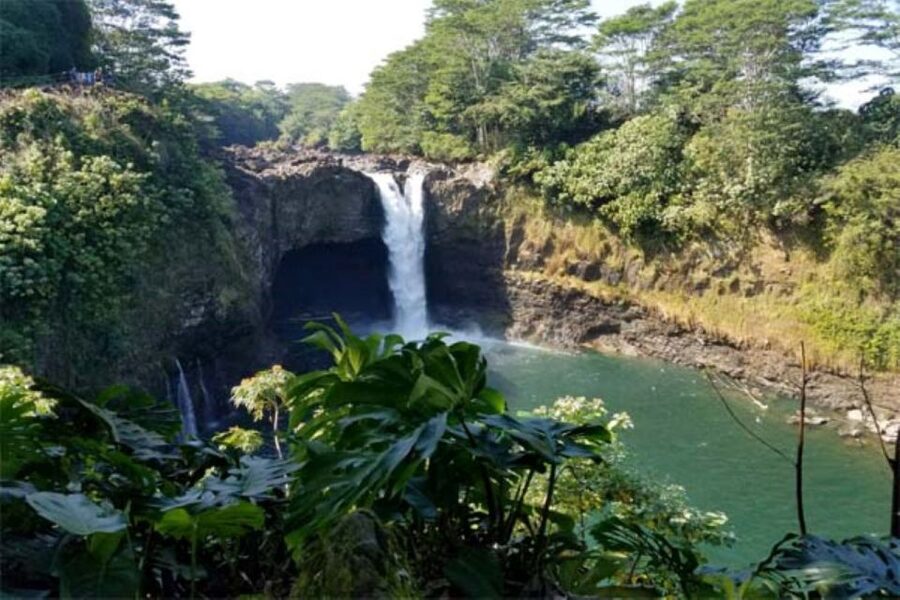
The day also includes Rainbow Falls, described as the most beautiful waterfall with never-ending rainbows. You’ll want to stand where spray catches the light. If it’s misty, you’ll see the rainbow effect more strongly, and if it’s not, you’ll still get the waterfall itself.
Wailuku River State Park: A Place with Story in the Water
The tour includes Wailuku River State Park, with the note that Tale of Hina comes to alive. That phrasing points to the park being tied to Hawaiian legend and storytelling around the river and its setting.
What you should take from this stop is the mood: it’s a break from volcanic textures into a water-and-culture experience. It’s also a good point in the day to notice how different “Big Island energy” feels when you’re not in crater country.
Because the exact walk length and viewing points aren’t spelled out in the info you provided, plan on a moderate sightseeing stop rather than a long hiking day.
Volcanoes National Park: Visitor Center, Lava Tube, and Steam Vents
Now you’re in the part you actually came for. The tour includes time at the Volcanoes National Park Visitor Center, which is valuable even if you’ve already read about Kīlauea. The visitor center helps you connect names to what you’re seeing, so later stops land with more meaning.
Then you’ll visit an ancient lava tube. Lava tubes form when molten lava flows and the surface crust hardens while the inside stays liquid. Later, parts drain away and you’re left with rock corridors. Even without getting technical, a lava tube gives you a sense of how the islands were shaped by moving fire.
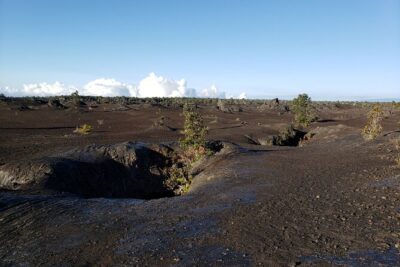
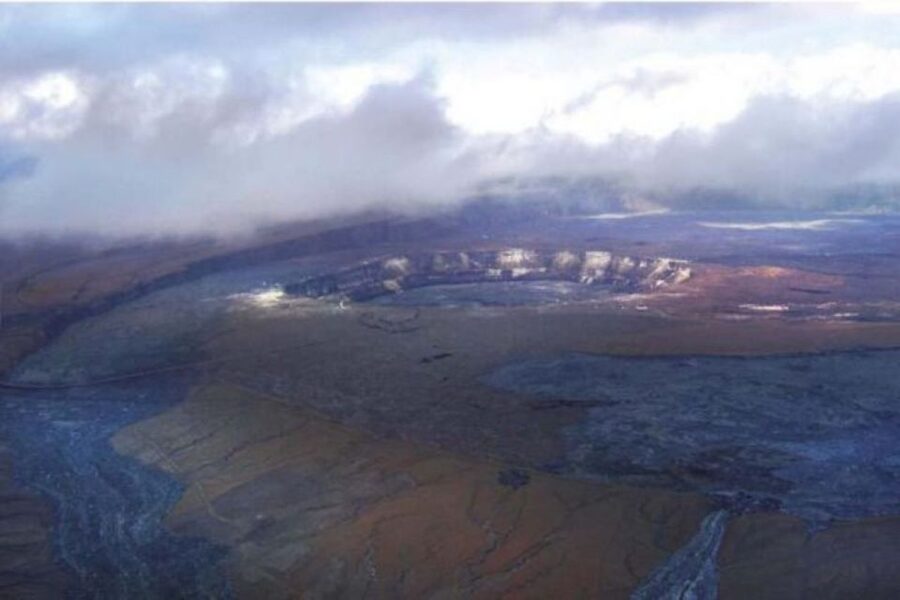
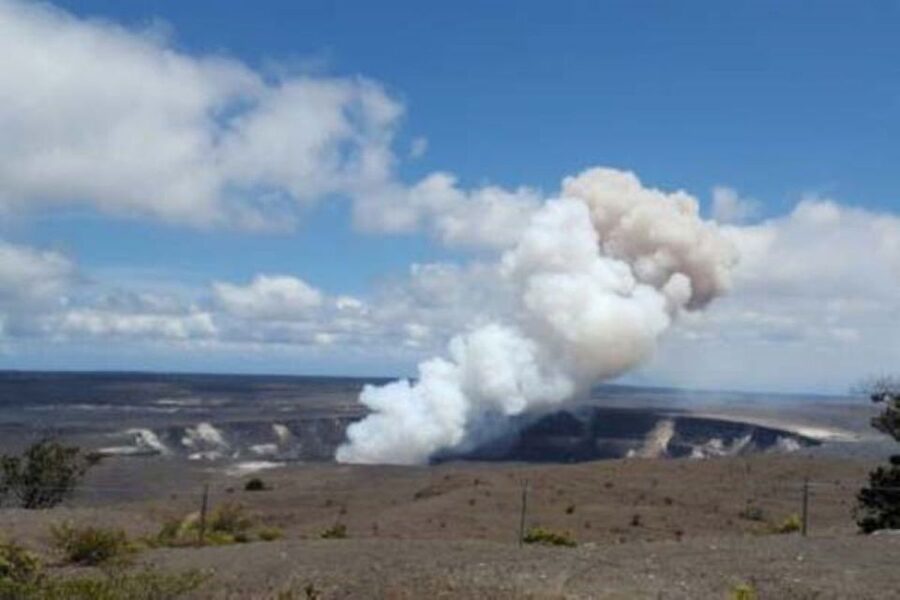
Next, you’ll see volcanic steam vents. Groundwater seeps down into hot volcanic rocks and returns to the surface as steam. The tour also notes that the area between the caldera’s edge and outer cliffs of Kīlauea Caldera is treeless. That detail is important because it helps explain why you can get wide views there—less vegetation, more open ground, and often better sightlines.
This is also one of the stops where you should be cautious with distance from railings and signs. Volcanic areas are active and unpredictable, and the guide’s instructions should be your rulebook.
Kīlauea Iki Crater and Sulfur Banks on Chain of Craters Road
The star moment for many people is Kīlauea Iki Crater, described as the most active volcano crater in the world. What makes this stop special is the drama of scale and the weirdness of the terrain. A crater isn’t just a hole in the ground—it’s a record of how the volcano has behaved.
The tour info also includes Sulfur Banks. Sulfur banks are one of those places where the air and the ground tell you something’s happening below the surface. Even if you’re not tracking volcanic gases like a scientist, the smell and the color variations are usually clues you can notice from your position.
You’ll also spend time on Chain of Craters Road. That’s helpful because it’s more than a scenic drive—it’s a corridor that connects you to multiple volcanic features along the way. For a one-day tour, roads like this make your limited time count.
Mount Kīlauea, Mauna Loa, and What the Park Teaches About Active Volcanoes
The tour context matters, because you’re not just staring at one crater. The park is described as established in 1916 and encompassing two active volcanoes: Kīlauea and Mauna Loa. The info calls Kīlauea one of the world’s most active volcanoes and says Mauna Loa is currently active and the most active of the five.
Even if you don’t memorize the whole volcano lecture, you’ll get a clearer picture of why Hawaii Volcanoes National Park feels different from other scenic parks. You’re seeing active processes—heat, steam, sulfur, and rock formation—still shaping the ground.
This also explains why the tour’s route makes sense:
- You start with interpretive context (Visitor Center).
- You then see physical “evidence” (lava tube, vents, sulfur).
- Finally, you see the dramatic centerpiece (Kīlauea Iki).
Who This Tour Suits Best (and Who Might Want Another Plan)
This tour fits you best if you want the Big Island volcano highlights without planning a multi-day trip. It’s also a good fit if you like your sightseeing paired with explanation from a live English guide, because these stops are easier to enjoy when someone tells you what you’re looking at.
I’d be more cautious if:
- You need long, unstructured time at each stop. This is a full day and you’ll move.
- You’re sensitive to schedule changes around flights. The review detail about a missed pickup is a real reminder that you should be ready to handle day-of logistics.
- You have mobility impairments. The tour is marked as not suitable.
If you love scenic drives, water views around Hilo, and the “how does this island work?” feeling of volcano country, this is a strong match.
The Logistics Reality: Lunch, Language, and What to Bring
A few practical notes will make the day smoother.
Lunch isn’t included, so decide in advance how you’ll handle food. Snacks and water are included, which is great for keeping energy steady between stops.
The tour guide language is English, so you’ll get clear explanations without translation friction.
What to bring is straightforward but not optional:
- Passport or ID (passport for foreign citizens; ID is required for US citizens)
- Passport/ID for entry needs on travel days
- Weather-appropriate clothing
- You’re also asked to have a vaccine card with you to travel
(Bring it even if you think you won’t need it. The info you have says to.)
Should You Book This Oahu to Big Island Volcano Adventure?
I’d book it if you want a guided, time-efficient way to hit the best-known volcano stops—Kīlauea Iki, steam vents, sulfur banks, and the lava tube—plus Hilo scenery like Rainbow Falls and the black sand beach. The inclusion of park admission and the air ticket is where the $580 starts to feel reasonable for most people, because those pieces would cost you separately on your own.
I’d think twice if you’re extremely sensitive to pickup issues or if you’re arriving at the day without a backup plan for getting to the airport on time. Use the flight instructions carefully and treat pickup guidance as something you should verify, not something you should assume.
If you’re okay with a structured day and you really want volcanoes as the centerpiece, this tour is a solid choice.
FAQ
How long is the Oahu to Big Island Volcanoes National Park tour?
It’s listed as a 1-day tour. Starting times depend on availability.
What’s included in the price?
The tour includes a full day tour, air ticket, snacks, and water. Admission to Volcanoes National Park is also included.
Is lunch included?
No. Lunch is not included.
Do I need a passport or ID?
Yes. US citizens need ID, and foreign citizens need a passport.
What language is the tour guide?
The live tour guide speaks English.
Is the tour suitable for people with mobility impairments?
No, it’s listed as not suitable for people with mobility impairments.
Can I cancel, and what about payment timing?
The tour offers free cancellation up to 24 hours in advance for a full refund. It also offers a reserve now & pay later option.