REVIEW · BIG ISLAND OF HAWAII
Hawaii Volcanoes National Park Self-Guided Driving Audio Tour
Book on Viator →Operated by History with Action · Bookable on Viator
One road. One crater after another.
This self-guided Hawaiʻi Volcanoes National Park driving audio tour turns your car into a moving classroom, with GPS-triggered stories that play as you reach each viewpoint and trailhead. I like how it blends geology and human history, from wartime hardship at Kīlauea Military Camp to the quieter wonder of the Thurston Lava Tube.
You’ll also like the value math: it’s $16.99 per car (up to 4 people), lasts for life with no expiry, and works even with spotty reception thanks to offline use after download. The main drawback to weigh is setup and timing: the audio is easiest when you start at the recommended point and keep moving close to the posted speed, and one person can hit a snag if phone setup feels fussy on arrival.
In This Review
- Key Highlights You’ll Feel Right Away
- Why This Audio Tour Works Better Than Guessing Your Own Route
- Value and Time: What $16.99 Buys You in Real Park Time
- Setup That Matters: Downloading, Passwords, and Playing Audio in Your Car
- How to get the sound right
- Driving Strategy: A Route That Lets You Pause Without Losing the Thread
- Stop-by-Stop: From the Entrance Station to the Big Kīlauea Overlooks
- Kīlauea Military Camp: History on the same road as lava
- Steam Vents: Nature’s warning light
- Sulphur Banks Trail start: The smell you can’t ignore
- Kīlauea Overlook: Not a classic crater, still wildly active
- Kīlauea Iki and Thurston Lava Tube: Trails and Caves That Change the Pace
- Kīlauea Iki Trailhead: a loop that can earn its keep
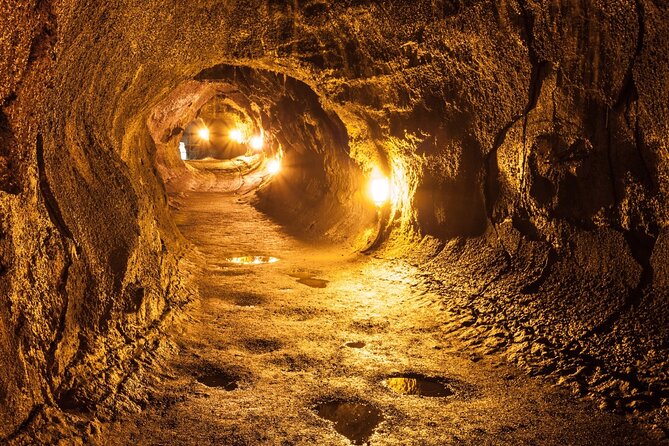
- Nahuku – Thurston Lava Tube: 500 years old and still visitable
- The Craters and Cinder Cones: When Volcanoes Become a Whole City of Landforms
- Luamanu Crater: Forest, then a sudden transformation
- Puhimau Crater: geological forms you can read in place
- Pauahi Crater: fumaroles and spatter deposits
- Pu’u Huluhulu: a cinder cone with a name you can picture
- Kipuka Puaulu: a living pocket inside lava
- Mauna Ulu Lookout: toadstool-shaped formations
- Petroglyphs and the Sea Arch: The Ends of the Story
- Pu‘u Loa Petroglyphs: 23,000 marks on hardened lava
- Holei Sea Arch: the photo everyone drives for
- Volcano Art Center Gallery: a smart break from the outdoors
- The Best Fit: Who Will Love This and Who Might Want a Different Plan
- Should You Book This Hawaii Volcanoes Driving Audio Tour?
- FAQ
- What does this tour cost?
- How long is the self-guided audio tour?
- Do I need an internet connection during the drive?
- What language is the audio offered in?
- Is the Hawaiʻi Volcanoes National Park entrance fee included?
- Where does the tour start and end?
- Do I need to make reservations for the audio tour?
- What do I use to play the audio in my car?
- Is it refundable if my plans change?
Key Highlights You’ll Feel Right Away
- GPS-driven audio you don’t have to manage once you start the app onsite
- Offline maps and offline playback after you download on strong wifi/cellular
- A one-car price that beats expensive guided tours fast
- Big variety in a short visit: overlooks, trails, lava features, petroglyphs, and art
- Human history included (yes, Kīlauea Military Camp is part of the story)
- Sea Arch is worth budgeting time for at the end of your drive
Why This Audio Tour Works Better Than Guessing Your Own Route

Hawaiʻi Volcanoes National Park is huge, and it can feel like you either plan obsessively… or you just follow the road and hope you hit the good stuff. This driving tour solves that problem with a simple concept: you drive, the stories trigger based on your location, and you stop when you want to read, stretch, or take photos.
I like that the audio doesn’t treat the park like one long lecture. It gives you short stops that make sense for a real visit: the visitor center area, viewpoints, trailheads, and iconic geology along the way. You get variety without needing to be a hiking expert or a geology student.
You can also read our reviews of more tours and experiences in Big Island of Hawaii.


Value and Time: What $16.99 Buys You in Real Park Time
Let’s talk money plainly. At $16.99 per group up to 4, this is one of the few park add-ons that stays affordable even for families and friend groups. If you’ve ever paid per person for a guided tour, you’ll feel the difference right away.
The tour runs about 2 to 3 hours and covers more than 24.5 miles. That duration is a sweet spot for many first-time visits: long enough to hit the main highlights, but short enough that you can still do a quick walk or two without turning the day into a full-day mission.
Also worth noting: you get new, lifetime access with no expiry. That means you can reuse the same tour later if you come back to Hawaiʻi or if you want to revisit the park at a different pace.
Setup That Matters: Downloading, Passwords, and Playing Audio in Your Car
This is a self-guided experience, and that’s the whole deal. No guide meets you at the entrance. So the key is getting your phone ready before you need it most.
Here’s what you’ll do:
- After booking, you’ll get an email/text with setup instructions and a password.
- Download the Action’s Tour Guide App while you’re on strong wifi/cellular.
- After downloading, the experience is designed to work offline.
On the ground, you start the app at the onsite pickup point (Entrance Station, Volcano, HI 96785). Then you enter the first story’s point, and the audio begins automatically. The tour is hands-free: stories play based on where you are, and you can pause and restart when you want.
How to get the sound right
For driving, you’ll want your phone connected to the car stereo using Bluetooth, USB, or AUX. The tour audio is compatible with Apple CarPlay, and Android Auto is described as on the way. For any walking you do, headphones can help, especially when it’s loud out near vents.
Practical tip from real-world use: if you drive faster than the story timing, the narration may not finish before you’re at the next spot. Slowing a touch (or actually keeping to the speed limit) makes the whole experience feel smoother.
Driving Strategy: A Route That Lets You Pause Without Losing the Thread
This tour is designed for a specific flow: it starts at the park entrance area and ends at Hōlei Sea Arch on Chain of Craters Rd. You can pause as often as you like for snacks, photos, and short walks.
One more useful detail: the audio uses GPS, and it’s designed to track your position even if you go slightly out of order—so long as you keep to the general route. That’s helpful in a park where you might step away for a view longer than expected.
Also, keep in mind this is not presented as a reverse-direction experience. If you’re hoping to start at the sea arch and work backward, plan for the tour’s best direction instead.

Stop-by-Stop: From the Entrance Station to the Big Kīlauea Overlooks
Your journey starts at the Entrance Station in Volcano, and you immediately drive through the entrance gate to explore around the visitor center. This first stretch matters because it’s where you get your bearings fast: you’re learning the rhythm of the audio and the spacing between stops.
Kīlauea Military Camp: History on the same road as lava
The first named stop is Kīlauea Military Camp. It’s known as a recreational facility for soldiers now, but during World War II it functioned as an internment camp for Japanese prisoners of war and innocent Japanese citizens. Even if you came for volcano scenery, this stop redirects you—because human history is part of how you understand this landscape.
If you want the best impact, give yourself a few quiet minutes rather than treating it like a quick photo spot.
Steam Vents: Nature’s warning light
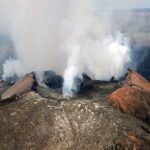
Next up are the steam vents, created when heat from Kīlauea warms groundwater trapped underground. The steam rising from the vents is basically the park’s way of showing you the volcano is still active beneath your feet.
This is a good stop to lean into the senses. Look for the motion and steam patterns, then listen for the hiss (if conditions allow). It’s a simple reminder that volcano activity isn’t only dramatic explosions—it’s also what’s happening quietly underground.
Sulphur Banks Trail start: The smell you can’t ignore
After that, you’ll reach the start of the Sulphur Banks Trail. The tour calls it short and sweet, but the reality is the opposite: expect it to be extremely smelly. If odors bother you, keep your time brief or plan for a quick turn around. If odors don’t faze you, it’s still a useful stop because it explains why sulfur areas smell the way they do.
Kīlauea Overlook: Not a classic crater, still wildly active
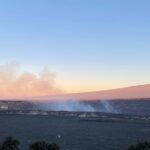
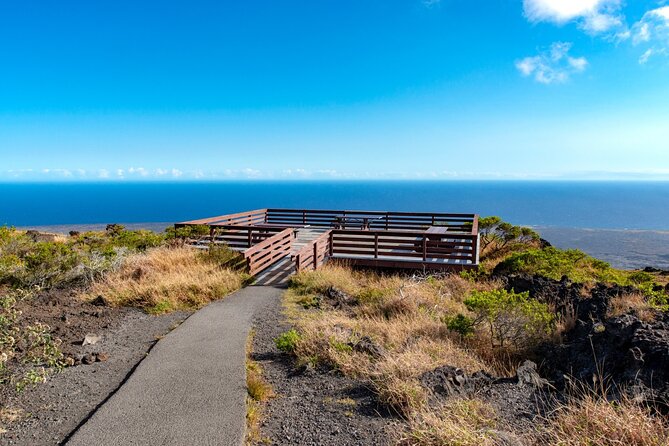
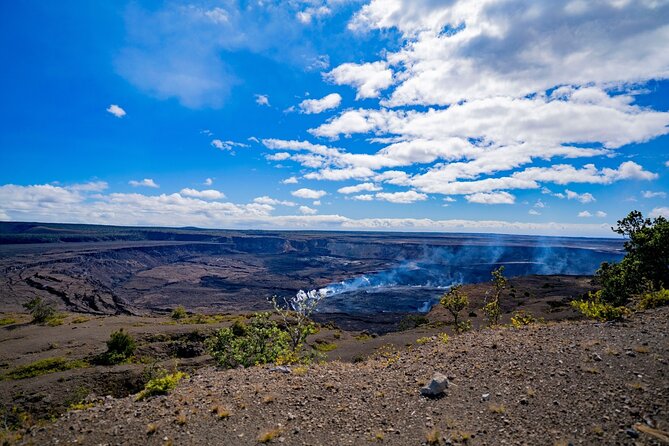
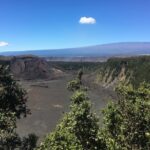
At Kīlauea Overlook, you get a jaw-dropping view. The tour notes the crater doesn’t look like a typical volcano crater, yet it’s one of the most active volcano areas in the world. This is exactly why the audio format helps. You’ll be staring at a landscape that might not match what you expected, and the story helps you interpret what you’re seeing.
Kīlauea Iki and Thurston Lava Tube: Trails and Caves That Change the Pace
Then you shift from overlooks into more physical experiences: a crater walk option and a lava-tube exploration.
Kīlauea Iki Trailhead: a loop that can earn its keep
Kīlauea Iki Trailhead leads through Kīlauea Iki Crater. The loop is 3.3 miles and takes about three hours, with elevation change that can be strenuous. The driving tour gives you the trailhead as a choice point, but you’ll want to be honest about your energy level and time.
If you’re short on time, you don’t need to force the entire loop. Do what you can safely, turn back if needed, and let the audio keep you oriented for the next drive stop.
Nahuku – Thurston Lava Tube: 500 years old and still visitable
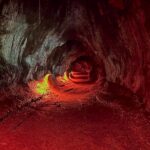
The Thurston Lava Tube is the kind of stop that makes you sit up, even if you’re tired from driving. It formed over 500 years ago when molten lava flowed and created a tunnel-like cave as the outside cooled and hardened while inside lava kept moving.
This is also where the driving tour feels like more than narration. You’re not just hearing about geology; you’re walking through a product of it. If you enjoy physical “walkthroughs” more than scenic lookouts, you’ll likely treat this stop as a highlight.
The Craters and Cinder Cones: When Volcanoes Become a Whole City of Landforms
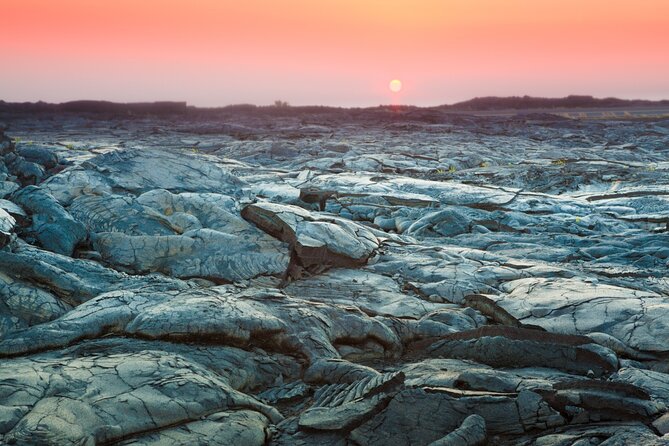
After the lava tube, you move into a section of the park where the features feel more like a catalog of different volcanic shapes. The audio keeps each one understandable so you don’t end up staring at random rocks.
Luamanu Crater: Forest, then a sudden transformation
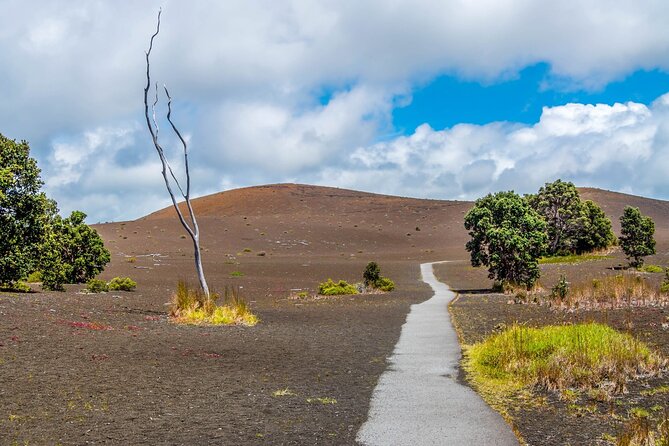
At Luamanu Crater, the audio points out it was once filled with dense forest, and then it changed in just one day. That detail is a reality check: volcanoes don’t always follow the slow pace we expect from nature. Sometimes they flip the script quickly.
You don’t have to know the technical term to feel the point. Look at what’s there now, then consider what used to be.
Puhimau Crater: geological forms you can read in place
At Puhimau Crater, the story focuses on the unique geological formations created by volcanic activity. This stop is best when you’re willing to slow down and actually look at texture and layers rather than just distance scenery.
Pauahi Crater: fumaroles and spatter deposits
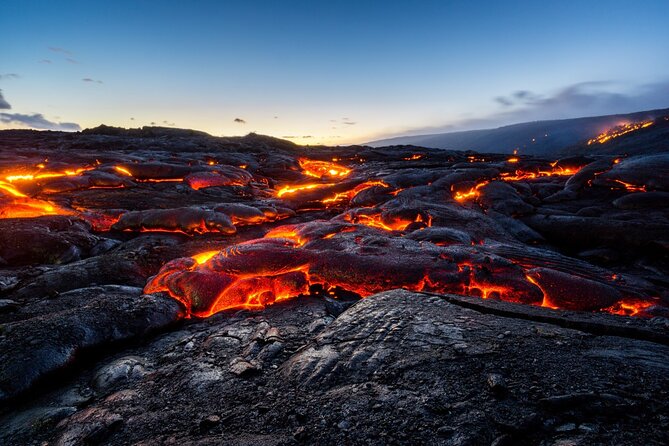
Pauahi Crater is a steep-sided pit crater formed by explosive volcanic activity. The tour describes it as about 330 feet deep and 1,000 feet in diameter, and it’s known for lava spatter deposits and fumaroles that emit steam and gases.
If you like stops where you can see an active process, this is one. Just be sure you’re following park rules for where you can stand and how close you can get.
Pu’u Huluhulu: a cinder cone with a name you can picture
At Pu’u Huluhulu, you’ll learn it’s a cinder cone like Puʻupuaʻi. The name means hairy hill, because low shrubs grow across it and make it look fuzzy from afar.
This is a fun example of the tour mixing science with language. You end up with a better mental image, not just a definition.
Kipuka Puaulu: a living pocket inside lava
Kipuka areas are one of the most interesting ideas in volcanic landscapes. The tour explains they form when a lava flow surrounds older vegetation. Over time, that older vegetation can keep growing, creating a micro-island of life inside a barren lava field.
At Kipuka Puaulu Trail, the audio adds that these kipukas often have a different microclimate—different soils, moisture, and plants compared with the surrounding lava. If you like ecology, this is a stop where the park feels less like an empty moonscape and more like a place where life finds a way.
Mauna Ulu Lookout: toadstool-shaped formations
At Mauna Ulu Lookout, you get panoramic views of the Mauna Ulu lava flow. The tour says it’s mostly flat and gray, so you’ll want to actively search for the toadstool-shaped formations.
This is where pausing and using your eyes matters. Don’t just glance and move on; zoom in with your attention. The audio gives you a target to look for.
Petroglyphs and the Sea Arch: The Ends of the Story
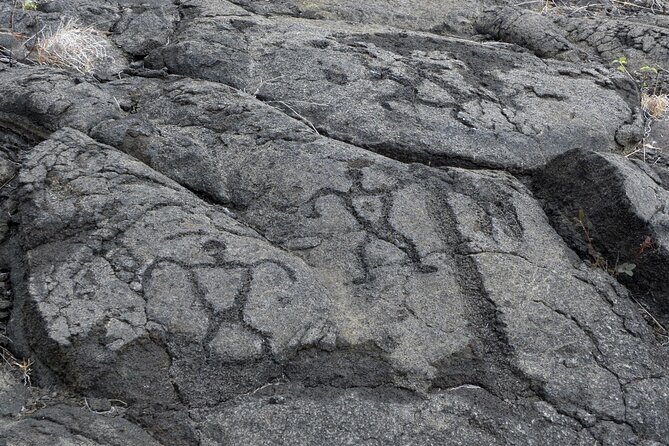
As you finish, the tour shifts from geology and ecology into deep time and coastal payoff.
Pu‘u Loa Petroglyphs: 23,000 marks on hardened lava
Pu‘u Loa Petroglyphs is a historical stop where the tour describes over 23,000 ancient petroglyphs etched into hardened lava rock. This isn’t about volcanoes only as physics; it’s about how people lived with and in front of this dramatic environment long before modern tourism.
If you’re a mindful viewer, spend time reading the shape of the carvings rather than trying to document everything.
Holei Sea Arch: the photo everyone drives for
Finally, you reach Holei Sea Arch, the famous sea arch on the cliffs. The description is simple: it’s a natural arch shape formed in the sea cliff. The payoff is real. If you’re tempted to rush at the end because you’re tired, don’t. This is exactly the kind of stop where being present for a few minutes makes the drive feel worth it.
A practical note: the tour ends here at the chain-of-craters-area location on your way out. Build in time to park, walk a bit, and still enjoy the view.
Volcano Art Center Gallery: a smart break from the outdoors
Before you fully clock out, the route includes the Volcano Art Center Gallery, a small building separate from the rest of the visitor center. If you like fine arts, it’s a pleasant change of pace when you’ve had enough wind and sun for one day.
It’s also a good moment to decompress. You can let the stories finish in a calmer setting.
The Best Fit: Who Will Love This and Who Might Want a Different Plan
This tour is ideal if you:
- Want a guided-feeling visit without a schedule
- Have limited time but still want more than just the first scenic stops
- Prefer learning through short audio stories rather than reading signs constantly
- Travel in a group where a per-car price makes sense
It may be less ideal if:
- You want a reverse-route experience starting at the sea arch
- You hate fiddly phone setup and might arrive with weak connectivity
- You plan to drive very fast and skip listening timing cues
Should You Book This Hawaii Volcanoes Driving Audio Tour?
I think you should book if you want a smart, cost-effective way to understand Hawaiʻi Volcanoes National Park without turning it into homework. The GPS-triggered stories, offline use, and the range of stops—from Kīlauea Military Camp to Holei Sea Arch—make this a strong “first visit” choice.
Book it especially if you’re the kind of traveler who likes to pause for extra photos or take a quick walk when the mood hits. With a 2 to 3 hour window and a per-car price, you can fit real learning into a real day.
If, though, you know you’ll struggle with phone setup on arrival, plan to download and test before you leave the comfort of good wifi. Otherwise, you might spend your best park minutes fighting with an app instead of the view.
FAQ
What does this tour cost?
It costs $16.99 per group, up to 4 people.
How long is the self-guided audio tour?
Plan on about 2 to 3 hours to complete.
Do I need an internet connection during the drive?
The app includes offline maps and works without cellular or wifi after you download the tour while you have strong connectivity.
What language is the audio offered in?
The tour is offered in English.
Is the Hawaiʻi Volcanoes National Park entrance fee included?
No. Park entry is required, and the fee is not included with the tour.
Where does the tour start and end?
Start: Entrance Station, Volcano, HI 96785.
End: Hōlei Sea Arch, Chain of Craters Rd, Pāhoa, HI 96778.
Do I need to make reservations for the audio tour?
The tour includes offline self-guided use, and the information provided does not list reservations as required. Attraction tickets or passes are also not included.
What do I use to play the audio in my car?
Connect your phone to your car stereo via Bluetooth, USB, or AUX. CarPlay is supported for audio playback.
Is it refundable if my plans change?
Free cancellation is offered if you cancel at least 24 hours in advance for a full refund. Within 24 hours, no refund is given.