REVIEW · BIG ISLAND OF HAWAII
Fat Tire E-Bike Rental – Volcanoes National Park
Book on Viator →Operated by Volcano Ohana · Bookable on Viator
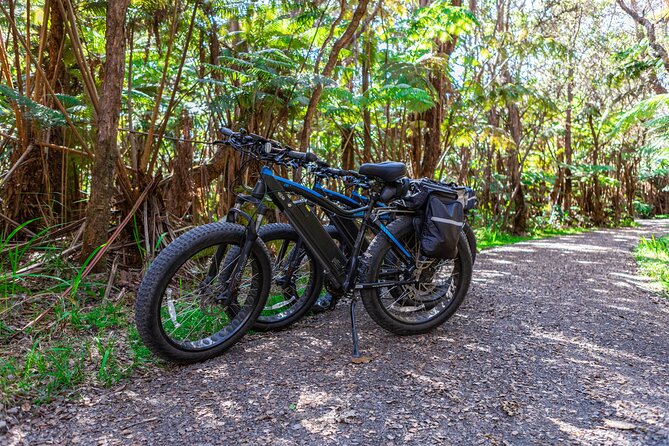
Three hours can feel like the whole park. This fat tire E-bike rental is designed for moving around Volcanoes National Park with less leg burn, while still getting that satisfying rush of speed and control. I like how the setup is friendly and structured, with a demo video plus a hands-on explanation from staff such as Bill. I also like the flexibility: you can explore on your own route, without waiting for a group.
One thing to plan for: this rental is geared toward intermediate (or better) riders on a heavier bike. If you’re not comfortable switching gears and speeds, or if weather turns nasty and you lack rain gear, the experience may feel more stressful than fun.
In This Review
- Key things to know before you roll
- Why a Volcanoes National Park E-Bike Rental beats a car day
- Overflow Parking Lot: how to avoid the most common timing mistake
- Morning vs afternoon: use your timing window like a pro
- On the bike: throttle, PAS, and what to practice before you go fast
- Safety on park roads: cars, rules, and riding smart
- What you’ll actually do during the 3 hours
- Comfort upgrades that make the ride feel better
- Price and value: is $125 a fair deal for a bike rental?
- Who should book this fat tire e-bike rental
- Quick decision: should you rent, or skip it?
- FAQ
- How long is the fat tire e-bike rental?
- Where do I pick up the bikes?
- What’s included with the rental?
- Do I have to pay the Volcanoes National Park entrance fee?
- Can I bring a beginner who can’t ride?
- What if it rains?
- How big is the group?
- What is the cancellation rule?
Key things to know before you roll
- Fat tires + electric assist help you glide over rougher park roads and trail edges without strenuous pedaling
- Sole provider inside the park means you’re using a focused setup, not a random offsite bike scramble
- Scheduled pickup only: if you miss the start time at the Overflow lot, you won’t get met and you won’t get a refund
- Helmet, lock, and bike pack are included, so you can ride light and secure essentials
- Park entrance fee is separate ($15 per person), even though the e-bike rental is $125
Why a Volcanoes National Park E-Bike Rental beats a car day
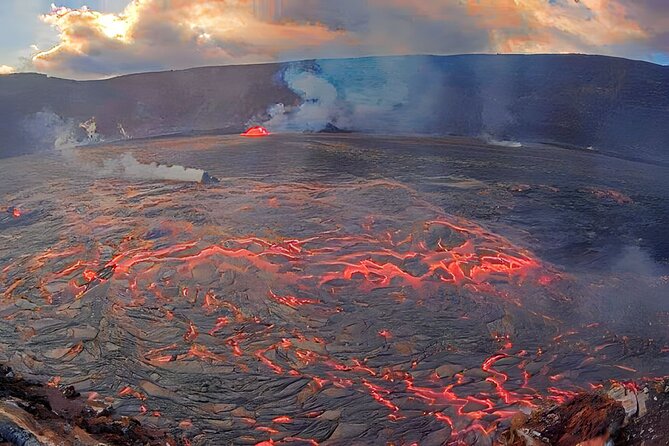
Volcanoes National Park is gorgeous, but cars bring delays. This rental helps you skip the slow parts and use your time where it matters: at the viewpoints and lava-area spots you want to reach. On an e-bike, you’re not stuck in traffic or squeezing around pedestrian bottlenecks.
I also like the “your pace” design. You’re not negotiating a group’s timing. You can stop when a lookout grabs you, ride on when you’re feeling strong, and keep moving so you actually finish a full loop within the 3-hour window.
The “best value” angle here is speed with fewer physical demands. At $125 for about three hours, you’re paying for time savings and convenience rather than just wheels. If you’re trying to cover a lot of park without turning your vacation into a workout, this is a strong match.
The main trade-off: you still need to ride a bicycle confidently. The bike has power, but it also asks you to control speed and handle changes in terrain. If you’re a new rider, you might end up frustrated instead of thrilled.
You can also read our reviews of more tours and experiences in Big Island of Hawaii.

Overflow Parking Lot: how to avoid the most common timing mistake
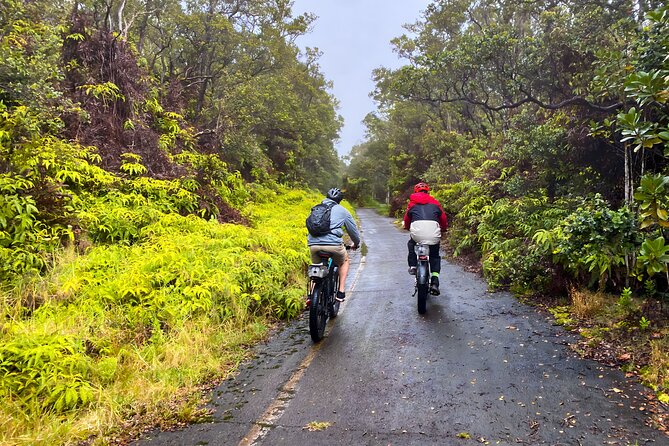
Pickup is the whole game. Your rental is collected at the Overflow parking lot adjacent to Kilauea Lodge and Restaurant. There’s no storefront, so don’t assume you’ll find a walk-up desk. The team is only available for scheduled pickups.
Be on time. If you’re late, they won’t be there to meet you, and you will not receive a refund. That policy sounds strict, but it’s really about keeping the bikes staged, charged, and ready for the next rental window.
This is also a “show up ready” type of setup. They start immediately after bike pickups finish. So plan to treat that first moment like you’re catching a flight: arrive a few minutes early, have your mobile ticket ready, and be prepared to move.
If you’re driving from the Hilo side, one practical tip that comes up is to pay attention to the turn-by-turn approach near the lodge area. The meeting spot is right before the lodge on the right, and if you reach the lodge you may have gone too far and need to turn back. That’s not complicated, but it’s the kind of thing that burns 20 minutes fast.
Morning vs afternoon: use your timing window like a pro
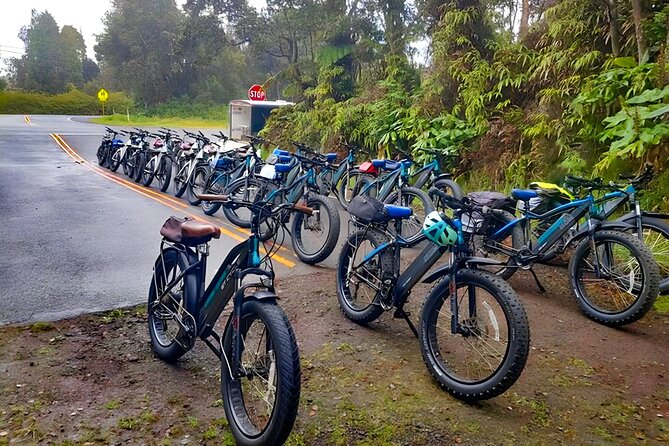
You get 3 hours per rental, with two blocks:
- Morning: 8:45 am to 12:00 pm
- Afternoon: 12:15 pm to 3:30 pm
Those time windows matter because Volcano weather can shift quickly. People also note it can get cold and rainy, and conditions can change multiple times during the ride. If you’re the kind of traveler who likes flexible stops and quick photo breaks, the afternoon slot can feel easier. If you want a calmer start and fewer crowds at arrival points, the morning slot often works well.
Here’s the key way to think about the schedule: the clock starts at pickup, and the team packs up after. So you can’t count on being able to buy last-minute water halfway through. Bring what you need before you depart.
Also note the group size stays small, with a maximum of 12 travelers. Even though this is self-guided, that matters for how smoothly your pickup and bike orientation happen.
On the bike: throttle, PAS, and what to practice before you go fast
The bikes are “powerful and user-friendly,” and you’ll get a demonstration video before you rent. That helps you understand the basics before you’re rolling.
You’ll also get a warm-up period in the parking area. This is where you should focus on control, not speed. In fact, one tip that pops up for making starts smoother: set the Pedal Assist Setting (PAS) to zero when you’re at a complete stop, then decide whether you want PAS or throttle for moving. It keeps the bike from lurching forward in a way that can feel surprising.
If you’ve never used an e-bike before, you want to practice:
- starting smoothly
- changing between assisted and non-assisted modes
- braking confidence on downhill or uneven pavement
- steering around the rough edge where park surfaces change
And keep expectations realistic. The experience can feel like a rush—some people even mention going down the volcano at 20–25 mph—but you earn that speed by mastering bike control first.
Safety on park roads: cars, rules, and riding smart
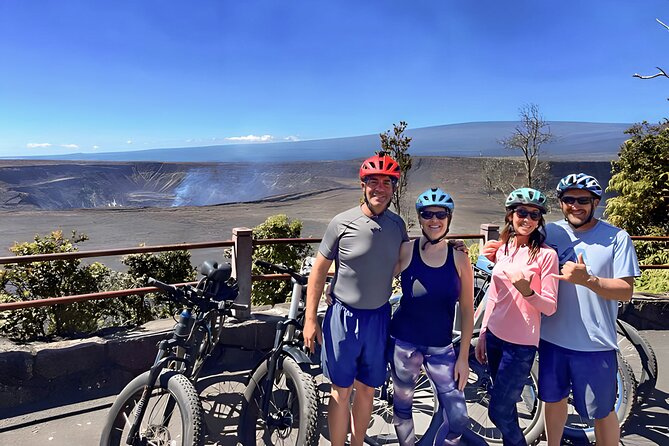
Volcanoes National Park is a real road-and-trail system, not a closed theme park lane. You may be riding on roads where cars also travel. That means you need to stay alert, keep your line predictable, and avoid assuming everyone sees you in time.
The rental team points out that riders are responsible for park rules and regulations. So treat this as your job as much as your fun. If you’re unsure about what’s allowed on a specific segment, slow down and follow posted rules. The e-bike makes it easy to cover ground, but it doesn’t replace judgment.
Weather is another safety layer. Reviews highlight that you’ll want the right gear if rain is in the forecast, and one person notes that a rain jacket would have made things even better. If the ground is slick, consider riding a little less aggressively even if you feel the electric “push.”

What you’ll actually do during the 3 hours
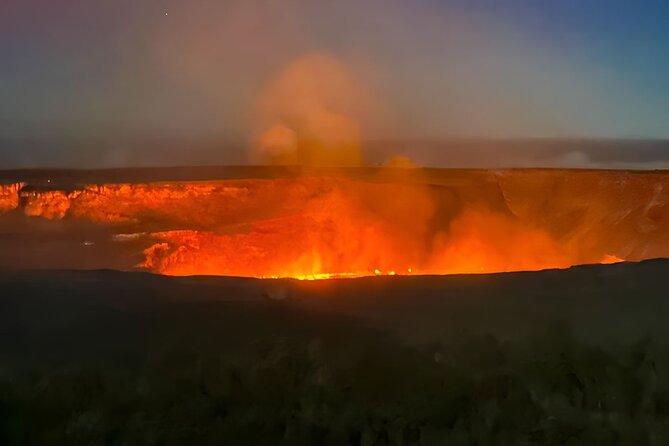
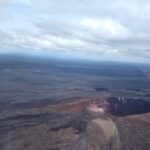
This is a self-guided exploration. You pick up the bike, you get orientation, and then you ride your own route within the park for the full rental period. The big promise is that you can reach places vehicles can’t and get around without strenuous pedaling.
Even without a formal guided script, the format still has a “rhythm”:
1) Orientation and warm-up at the rental area so you can handle PAS and throttle
2) Ride time inside the park where you cover more stops than you could comfortably on a regular bike
3) Return to the same meeting point when your 3-hour window ends
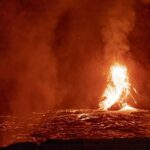
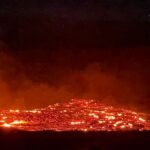
Where do you end up? You’re aiming for the park’s top sights efficiently. E-bikes make the “distance gap” smaller, so you’re less likely to skip key areas just because they feel too far by foot or too slow by car. One review specifically calls out lava flow experiences as a highlight, which fits how e-bikes help you reach the areas people come for.
Two practical reality checks:
- You may not be provided a detailed map in a way you’d consider foolproof. Some people wished they’d brought one, while others noted the company provided a park map. Don’t gamble. Download an offline map or bring paper if you like certainty.
- You’ll want to plan stops so you’re not scrambling at the end. Since the activity ends back at the start point, your route needs a return plan from wherever you decide to linger.
Comfort upgrades that make the ride feel better
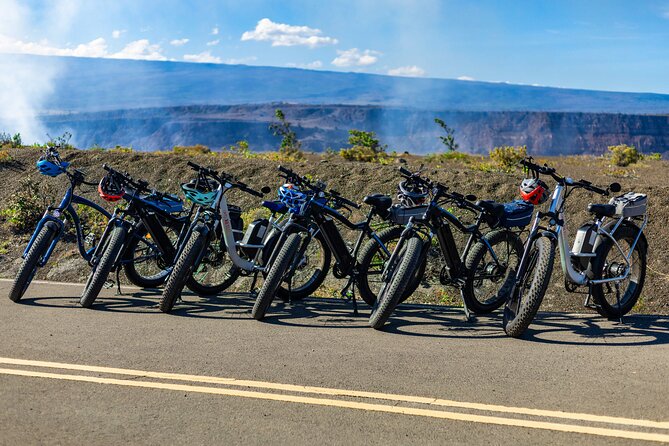
These small details can change how enjoyable the three hours feel.
First: you get a helmet, lock, and bicycle pack. The pack is useful for your phone and essentials, and saddle packs mean you can keep your hands on the bars while you grab what you need.
Second: bring your own water and snacks. One review notes they packed everything up and didn’t offer much afterward, so if you didn’t bring supplies, you could feel stuck. Even if the route sounds “easy,” three hours plus electric assist still adds up to sweating and dehydration, especially in changing weather.
Third: layers help. Multiple notes mention weather shifts, and one reviewer suggests checking the forecast and coming prepared for cold rain. Volcanoes National Park can turn from sun to mist quickly, and wind at higher points can make it feel colder than you expect.
Finally: helmet smell is a fair concern. There was a complaint about smelly helmets, and the provider responded that they wash helmets weekly and couldn’t find an issue in their inventory afterward. Treat that as a reminder to check your helmet fit and cleanliness at pickup, and speak up immediately if something seems off.
Price and value: is $125 a fair deal for a bike rental?
Let’s talk money plainly.
- Rental cost: $125 per person
- Duration: about 3 hours
- Included: use of bicycle, helmet, lock, bicycle pack
- Not included: Volcanoes National Park entrance fee, listed at $15 per person
So your real “day-of” expectation is roughly $125 plus the $15 entrance fee, assuming you don’t already have a National Parks pass or qualify for free/discount entry (the details given include National Parks pass, Active Military ID).
Is it worth it? In my view, it’s best value when you want to see a lot without paying for a full guided tour and without investing in heavy logistics like shuttles or parking stress. You’re paying for:
- fast mobility inside the park
- minimal effort compared to pedaling a standard bike up and down
- a small, controlled setup with clear pickup rules
It becomes less attractive if you’re expecting a guided interpretation the whole time. This is not listed as a lesson or guided tour in the included items. If you need a deep guided narrative, you might prefer a different format.
Who should book this fat tire e-bike rental
This rental fits best if you want to explore Volcanoes National Park on two wheels and you’re comfortable riding a bicycle.
I think it’s a great option for:
- couples and friends who like flexibility
- people who want to beat traffic and crowds
- travelers who can ride an intermediate bike but don’t want to suffer on every incline
It might be less suitable if:
- you’re a brand-new rider who can’t yet manage changing speeds and gears
- you expect a full guided tour with interpretation built in
- you’re going without rain protection when wet weather is possible
One review also mentions a senior rider tipping during the warm-up. That’s a reminder that bike control matters early, not later, and the bike is heavier than many people expect.
Quick decision: should you rent, or skip it?
Rent this if you want maximum park time and minimum friction. The self-paced design and the e-bike help you cover more ground than walking, without the stress of parking and traffic. If you come ready to ride and you bring basic rain and water prep, the value is strong for a 3-hour window.
Skip or reconsider if you’re not comfortable riding a heavier bike, or if you need a beginner lesson included. Also think twice if your trip plan depends on a late start. The pickup is timed, and missing it means you’re out.
If you do book, arrive early, check your gear, and take five minutes to practice starts and braking in the warm-up area. That small effort turns the “rush” into something you control.
FAQ
How long is the fat tire e-bike rental?
It’s scheduled for about 3 hours. Morning runs from 8:45 am to 12:00 pm, and the afternoon runs from 12:15 pm to 3:30 pm.
Where do I pick up the bikes?
You collect your rental at the Overflow parking lot adjacent to Kilauea Lodge and Restaurant. There is no store front.
What’s included with the rental?
You get use of the bicycle, a helmet, a lock, and a bicycle pack. Beginner bike lessons and park admission are not included.
Do I have to pay the Volcanoes National Park entrance fee?
Yes. The e-bike rental fee does not include the Volcanoes National Park entrance fee ($15 per person). You can use a National Parks pass or Active Military ID, or pay at the park entrance.
Can I bring a beginner who can’t ride?
This rental recommends intermediate or better bike riders. If you are unable to ride the bicycle, that does not qualify for a refund.
What if it rains?
The experience requires good weather. If it’s canceled due to poor weather, you’ll be offered a different date or a full refund. If rain is forecast, plan to bring appropriate rain gear.
How big is the group?
The activity has a maximum of 12 travelers.
What is the cancellation rule?
Free cancellation is available up to 24 hours in advance for a full refund. If you cancel less than 24 hours before the start time, the amount paid is not refunded.