REVIEW · JACKSON
Self-Guided Grand Teton National Park Driving Tour
Book on Viator →Operated by Shaka Guide Apps · Bookable on Viator
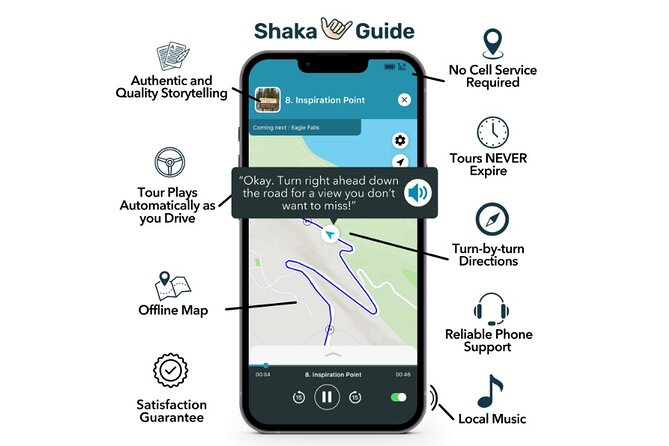
Grand Teton hits different when you drive. A self-guided, GPS-activated audio route strings together famous viewpoints, historic stops, and a real hike option at your pace. I like the offline map and hands-free narration, so you can focus on the Tetons instead of your phone. One drawback to consider: the experience depends on getting the app set up right, and some audio formats feel a bit music-heavy or light on narration compared with other tours.
You start in Jackson Hole and end back there, with a suggested day running about 9 to 10 hours. The price is $11.99 per group (up to 15), which is great if you’re driving with family or friends and want a structured route without paying per person.
A big timing note: Oxbow Bend can get crowded around sunset, so plan your arrival if you want the classic Snake River-and-mountains view without stress.
In This Review
- Key things to know before you go
- A self-drive with offline audio that keeps your eyes on the Tetons
- Jackson Lake Overlook to Colter Bay: start with big views, then refuel
- Oxbow Bend and Snake River viewpoints: where timing matters
- Homesteads and barns: Mormon Row plus Cunningham Cabin makes the past walkable
- Craig Thomas Discovery Center and Murie Ranch: practical info with conservation roots
- Chapels of the Tetons: quiet stops that break up the drive
- Taggart Lake Trailhead to Jenny Lake: hiking options without committing to a full day on your feet
- Signal Mountain switchbacks and the Lodge: the drive that earns the view
- Ending with another chapel: Chapel of the Transfiguration’s quieter cousin
- Price and value: why $11.99 per group can make sense
- Should you book this Grand Teton audio driving tour?
- FAQ
- Is this tour self-guided?
- Does it work offline without cell service?
- How long does the Grand Teton drive take?
- How much does it cost?
- Are park entry fees included?
- What days and times is the experience available?
Key things to know before you go
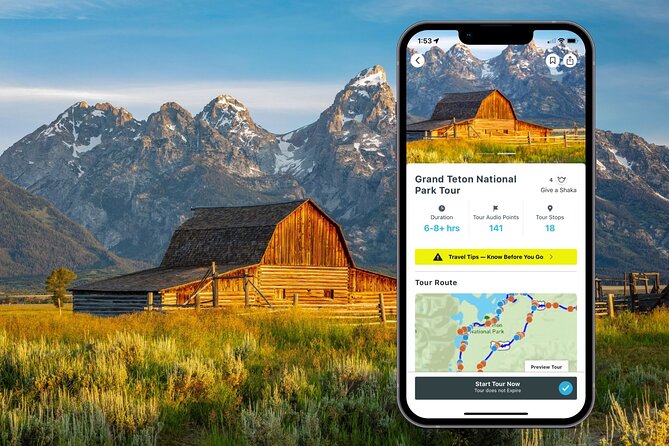
- Offline GPS audio that plays automatically while you drive, plus turn-by-turn directions
- Free-entry stops listed throughout the route, including classic photo overlooks
- Sunset crowds at Oxbow Bend, so arrive early if that’s your target time
- Historic sites you can walk among, like Mormon Row barns and frontier cabins
- One solid trail option at Taggart Lake for a legs-stretch during the drive
- Wild burros at Cottonwood Creek, just keep your distance for safety
A self-drive with offline audio that keeps your eyes on the Tetons
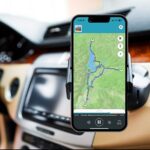
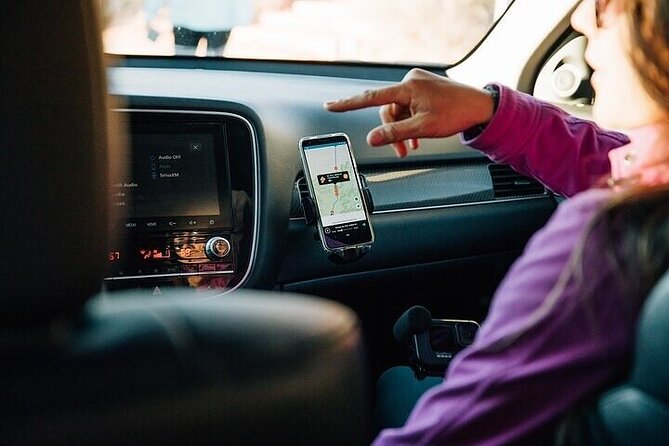
This is built for people who want guidance without a rigid schedule. The audio narration is designed to play automatically as you drive, with GPS turn-by-turn directions and an offline map you can use without cell service. You can also pause and resume, and you can choose which day to drive since the download doesn’t expire.
What I like most is the low-friction setup while you’re on the road. You don’t have to keep checking a screen at every turn—narration and directions handle the attention work. It also works as a “do it your way” plan: if a stop looks like a hassle in the moment, you can skip it and still keep moving.
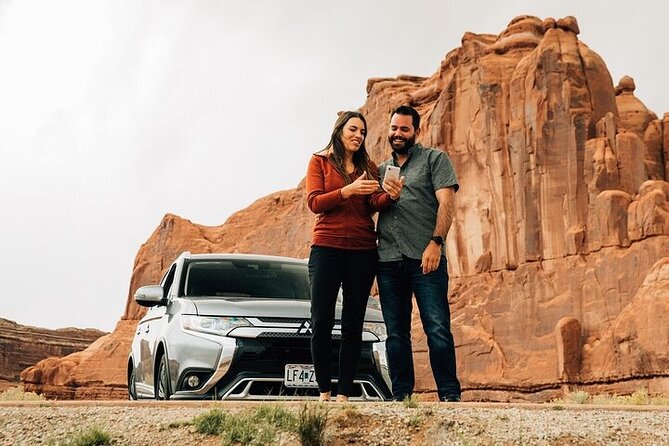
The main thing to watch is app behavior. If you’re starting through a ticketing platform like Viator, I’d treat the first run-through as a dry practice: confirm you can open the tour in the Shaka app and that GPS/audio are working before you commit to your full day.
You can also read our reviews of more tours and experiences in Jackson.


Jackson Lake Overlook to Colter Bay: start with big views, then refuel
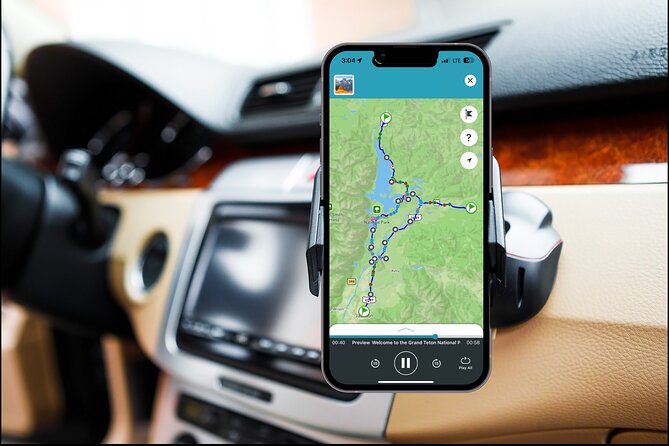
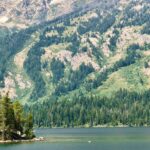
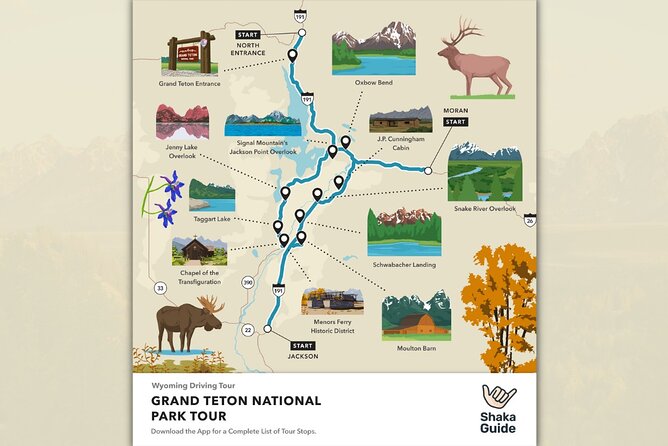
You begin in Jackson Hole, then work your way toward your first major payoff: Jackson Lake Overlook. This is a quick stop (about 5 minutes), designed for a first look at the Teton Mountain Range towering over Jackson Lake. It’s short on purpose. You’re meant to get oriented fast, snap a few photos, and then keep rolling.
Next up is Colter Bay Village (about 30 minutes). This is your “real life” break in the middle of the scenery. There’s a general store and grocery store setup, plus gas, snacks, and a souvenir shop if you want one. If you feel like turning the day more active, Colter Bay is also the hub for water and outdoor options like kayaking, canoeing, motorboats, lake cruises, horseback riding, fishing, swimming, and hikes.
Practical tip: use this stop to top off snacks and water. Meals aren’t included, and the rest of the day is a mix of viewpoints, short walks, and occasional longer stops.
Oxbow Bend and Snake River viewpoints: where timing matters
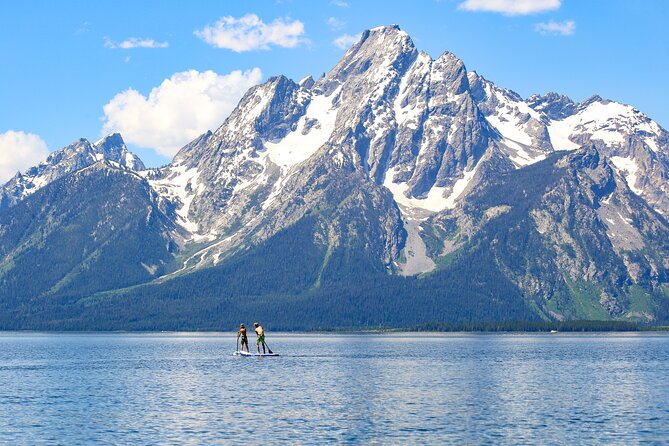
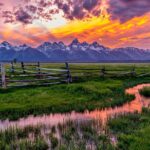
If you want the classic “Teton range + Snake River bend” photo, Oxbow Bend is the move. The stop is only about 5 minutes, but it’s one of those places where you’ll want to linger just long enough to catch the light. It’s also known for sunrise and sunset, and the trade-off is simple: it gets very busy around sunset, so plan earlier if you want breathing room.
After that, you hit Cunningham Cabin (about 30 minutes). This is one of the historic homestead stops that helps explain how early settlers tried to build a life here. The walk-around pacing makes it easy to read the structures at your own speed instead of rushing through with a group.
Then come two stops that are all about water reflections and wildlife chances. Schwabacher Landing (about 30 minutes) is a great example of how the river’s behavior shapes the park experience. The Snake River shifted enough that boats can’t access it the way they once did, but you get something arguably better: strong reflections of the Tetons and forest on the river surface. It’s also a strong wildlife-viewing area, so keep your eyes open and your car parked quietly if you see movement.
Finish this cluster with Snake River Overlook (about 30 minutes). This is the viewpoint tied to photographer Ansel Adams, and the reason is obvious once you’re there: you can see gentle bends in the Snake River with the Tetons as a backdrop. One nice added context is the older nickname for the river: early fur trappers called it the Accursed Mad River for its wild unpredictability. It’s a helpful reminder that calm-looking scenery isn’t always the full story.
Homesteads and barns: Mormon Row plus Cunningham Cabin makes the past walkable
A big part of why Grand Teton feels special is that you can mix “big nature” with “human traces,” and this drive does that on purpose. Mormon Row (about 30 minutes) is one of the most iconic historic areas in the park. In the early 1920s, it was a real, self-sufficient community. Today, you mostly walk among the buildings and understand what that settlement meant.
Two names to remember here: Moulton Barns and the Chambers Homestead. The Moulton Barn is called out as the most photographed barn in the United States, and honestly, that reputation is earned. Expect plenty of people with cameras, but you can still make it your own with a different time of day, a wider shot, or a slower walk along the surrounding areas.
Before or after Mormon Row, Menors Ferry Historic District (about 30 minutes) adds a different angle on early life: William Menor’s homesteading on the West bank of the Snake River and the ferry that opened a trade route to the Teton area. This isn’t just about a building. It’s about movement—how people and goods traveled through a river corridor that shaped daily decisions.
If you’re the kind of traveler who likes your scenery paired with a clear timeline, this middle section is a good fit. You get cabins, barns, and a trade-route story, all without needing a museum entry ticket.
Craig Thomas Discovery Center and Murie Ranch: practical info with conservation roots
At Craig Thomas Discovery & Visitor Center (about 1 hour), you get a chance to slow down and use what the park is telling you. The stop is built around trail information, weather, and general orientation. Even if you’re following GPS, this is still worth it because it can help you decide what trail effort makes sense for the conditions that day.
Then it’s over to Murie Ranch Historic District (about 10 minutes). This stop connects the park to conservation history through the Muries. It’s often described as the home of the grandparents of the conservation movement. There’s also a fun cultural tie-in: the John Denver song A Song For All Lovers is based on the famous couple. It’s brief, but it gives you a clean “why the park matters” story between longer scenic stretches.


Chapels of the Tetons: quiet stops that break up the drive
If your day tends to blur into “scenery, scenery, scenery,” the two chapel stops help reset your pace. Chapel of the Transfiguration (about 1 hour) is a small Episcopal chapel built in 1925 and still an active congregation today. It’s tucked into the shadows of the Teton range, and the best part is the chance to sit for a moment away from road noise.
Next is Chapel of the Sacred Heart (about 30 minutes). This Catholic church was built in 1937, and it’s known for stained glass windows with views of the surrounding area. Even if you’re not there for a service, it’s a thoughtful pause—something different from overlooks where you’re always facing outward.
Tip for these stops: treat them like “time away” rather than quick photo errands. If you walk in with a calmer mindset, you’ll get more out of the architecture and setting.
Taggart Lake Trailhead to Jenny Lake: hiking options without committing to a full day on your feet

This self-drive route doesn’t force you into long hikes, but it offers you one meaningful chance to stretch your legs: Taggart Lake Trailhead. The trail is described as a 3.8-mile loop north of Moose Junction, moderately easy, moving through sagebrush flats toward the base of the Teton Mountain Range. You’ll want proper shoes here, and you may want to bring a layer since lake-adjacent weather can shift.
Then you get a fun, unusual stop: Cottonwood Creek Picnic Area (about 30 minutes). The big draw is the wild burros across the street. The key safety note is simple: keep a safe distance and follow the safety tips. This isn’t a “petting zoo” situation—these are wild animals, and they’re called burros for a reason. If you want selfies, keep your plan respectful and your space measured.
Jenny Lake (about 1 hour) is a broader recreation stop where you can choose how active you get: hiking, biking, cycling, and more. You can also swim, and it’s framed as a place where you’ll find trails plus a scenic drive through the forest. There’s also mention of tragically beautiful history attached to the area, which adds depth if you take a moment before you start walking.
Even if you don’t hike far, Jenny Lake is a useful midpoint for taking a break that feels like part of the park instead of just a roadside stop.
Signal Mountain switchbacks and the Lodge: the drive that earns the view
If there’s one section that feels like the route’s “main event,” it’s Signal Mountain. The drive is about seven miles and climbs nearly 1,000 feet above sea level. At the top, you get sweeping vistas over the Teton valley.
The caution is real: the road is narrow, with sharp switchbacks, and steep sides. If you’re prone to motion sickness, take it slow and consider motion-friendly habits (windows open, keep eyes on the road, and don’t read in the car). If you have limited driving comfort, plan to stop and park wherever it feels manageable rather than trying to rush the climb.
After that, Signal Mountain Lodge (about 30 minutes) is a logical pit stop. It’s set up for dining, lodging, shopping, and it has a marina where you can access kayaking or boating options. It’s one of the best places on the route to reset with food, use restrooms, and decide whether you want a lighter finish or a more active one.
Ending with another chapel: Chapel of the Transfiguration’s quieter cousin
The last chapel on the route is Chapel of the Transfiguration earlier in the day, and later you return to the quieter pace with the Chapel of the Sacred Heart. After that, your day winds down and you head back to the start point in Jackson Hole. The design works well because your final stretch is about calm and reflection, not more high-effort driving.
Also remember: the audio keeps running with the GPS prompts, so you don’t have to keep re-checking where you are. That’s especially helpful at the end of a long day when your attention naturally starts to drift.
Price and value: why $11.99 per group can make sense
At $11.99 per group (up to 15), this is priced like a tool, not a traditional guided tour. For a group with multiple cars, it’s still usually easy to justify: one download can guide a whole vehicle, so you’re not paying per person for narration.
What you’re paying for is time savings and structure:
- you get offline GPS audio, so you don’t spend your whole day reading maps
- you get a route that hits major Grand Teton highlights without you needing to plan each stop precisely
- you get flexibility, since you can skip and resume when you want
What could reduce value for some people is content density. Some users prefer more narration focused on history and science, and some audio formats feel like they include plenty of music or quiet moments. If you want a highly talkative guide-style script nonstop, you might find the pacing less satisfying than other paid guide services.
Should you book this Grand Teton audio driving tour?
I’d book it if you want a simple, self-paced Grand Teton drive with a clear set of stops and hands-free guidance. It’s especially good for groups who share one vehicle, travelers who hate planning stress, and anyone who wants iconic stops like Oxbow Bend, Mormon Row, and Signal Mountain without paying for a person to drive with you.
Skip it (or at least approach with caution) if you know you’ll be picky about audio style. If you strongly prefer a dense, nonstop narration approach, you may not love the balance of music and spoken content. Also make sure you test access to the Shaka app experience before your big day, particularly if you purchased through a third-party listing.
If you like the idea of driving, stopping on your schedule, and using the park like a choose-your-own-adventure, this route fits well.
FAQ
Is this tour self-guided?
Yes. It’s an offline audio guided driving tour with narration that plays automatically as you drive, plus GPS turn-by-turn directions. Your group only participates, and you control when to stop or skip.
Does it work offline without cell service?
Yes. The tour includes an offline map, and it says map and GPS work completely offline with no wifi or data needed.
How long does the Grand Teton drive take?
Plan for about 9 to 10 hours on average, depending on how long you spend at each stop and whether you hike.
How much does it cost?
It’s $11.99 per group, up to 15 people.
Are park entry fees included?
Entry fees are not included. The stops listed on the route are shown as admission ticket free, but you should still check what you need for the park area you’ll be visiting.
What days and times is the experience available?
The experience is listed as available daily from 12:00 AM to 11:30 PM, within the date range 06/05/2023 to 02/16/2027. The tour download does not expire.