REVIEW · JACKSON
2-Day Yellowstone National Park Upper and Lower Loop Exploration
Book on Viator →Operated by Teton Scenic Floats and Fly Fishing · Bookable on Viator
Two days in Yellowstone beats doing it alone. This guided loop from Jackson Hole packs Grand Teton scenery, classic geysers, and serious wildlife country into a tight 2-day plan.
I especially like the small group size (max 9), which makes it easier to hear your guide and shift quickly when animals pop up. I also like that you get binoculars and a spotting scope, so your wildlife viewing doesn’t rely on squinting from the roadside.
One important consideration: the tour price does not include park entrance fees or your hotel stay—so plan for separate costs for lodging and tickets before you go.
In This Review
- Yellowstone Upper and Lower Loop: What Makes This 2-Day Plan Work
- Starting From Jackson Hole at 7:30 AM: Pickup, Pace, and Small-Group Comfort
- Day 1 Route: Grand Teton Drive to Old Faithful, Prismatic Spring, and Mammoth
- The drive through Grand Teton and the first Yellowstone entrance
- Old Faithful (about 45 minutes)
- Grand Prismatic Spring at Midway Geyser Basin (about 45 minutes)
- Fountain Paint Pot and Lower Geyser Basin (about 30 minutes)
- Firehole Canyon Drive (about 10 minutes)
- Optional Norris Geyser Basin
- Golden Gate Canyon and Mammoth Hot Springs (about 45 minutes)
- Gardiner area and heading to Chico Hot Springs Resort
- Day 2 Route: Lamar Valley Wildlife to Yellowstone Falls and Mud Volcano
- Paradise Valley, Undine Falls, and the Blacktail area
- Petrified Tree (about 10 minutes)
- Lamar Valley (about 30 minutes) for bears and wolves
- Tower Fall (about 30 minutes)
- Dunraven Pass and the Grand Canyon of the Yellowstone region
- Lower Falls (about 45 minutes) and Upper Falls (about 15 minutes)
- Hayden Valley (about 30 minutes) for bison and more
- Mud Volcano area (about 15 minutes) if time allows
- Yellowstone Lake and the return south to Jackson via Grand Teton scenery
- Wildlife-Spotting Reality: How the Binoculars and Scope Change the Trip
- Food, Lodging, and the Extra Costs You Should Budget
- What’s included
- What’s not included
- Lodging: Chico Hot Springs (or Gardiner)
- Price and Value: Is $650 Worth It for Two Yellowstone Days?
- Weather and Comfort: What to Bring (and Why)
- Guides and Group Energy: Why the Right Person Matters Here
- Should You Book This Yellowstone Upper and Lower Loop Tour?
- FAQ
- What time does the tour start?
- Are Yellowstone park entrance fees included?
- What meals are included?
- Where will we stay overnight?
- How big is the group?
- What if I need to cancel?
Yellowstone Upper and Lower Loop: What Makes This 2-Day Plan Work
Small group (up to 9) means less waiting and better viewing when a wolf or grizzly shows up.
Spotting scope + binoculars help you actually see details, not just the idea of an animal.
Two full days covers both loops, so you get the Upper and Lower highlights instead of rushing half the park.
Real geothermal stops like Old Faithful, Grand Prismatic Spring, Fountain Paint Pots, Mammoth, and Mud Volcano.
Overnight near the action with Chico Hot Springs as the usual plan, or Gardiner if that’s not available.
Starting From Jackson Hole at 7:30 AM: Pickup, Pace, and Small-Group Comfort
The tour starts bright and early, 7:30 am. You’ll get contacted the day before with your final pickup time, and then you’re picked up from your hotel and dropped off again afterward. That’s a big deal in Yellowstone-area travel, where parking can eat up time and energy.
This is also a small-group experience, capped at 9 people. In a park where one good wildlife sighting can change everything, smaller groups help. You’re not stuck watching through 20 shoulders. And you tend to move as a unit, with the guide managing timing so you reach the right stops before the crowds.
You’ll ride with included transportation through the park’s main regions. That matters because Yellowstone’s distances are deceptive: the roads look straight on a map, but the pullouts, slow traffic, and wildlife stops add up fast.
You can also read our reviews of more tours and experiences in Jackson.
Day 1 Route: Grand Teton Drive to Old Faithful, Prismatic Spring, and Mammoth
Day 1 feels like Yellowstone’s greatest hits, but it’s spread out in a smart way: geysers and thermal basins first, then hot springs and terraces as you head toward Mammoth.
The drive through Grand Teton and the first Yellowstone entrance
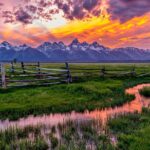
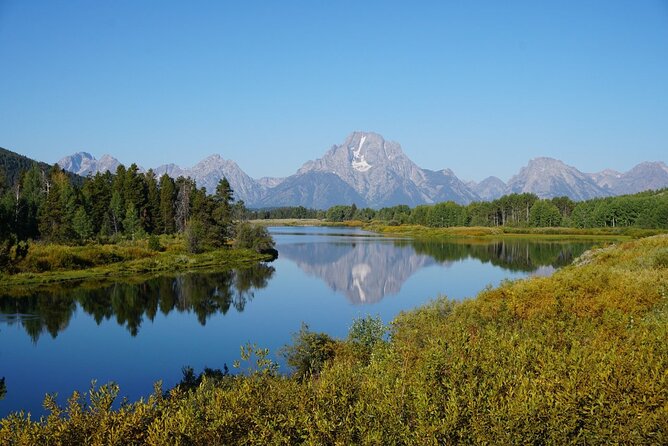
You’ll travel from Jackson north through Grand Teton National Park, with a couple short photo stops along the way. Then you enter Yellowstone via the south entrance, where the park entrance fee is collected at the gate.
Practical note: because Yellowstone entrance fees are not included, you’ll want to have your payment ready at the gate. It’s usually the easiest way to avoid friction on arrival.
Old Faithful (about 45 minutes)
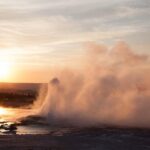
Old Faithful is a classic for a reason. You’re not just passing by—you’re given time to watch, plus you can look around at other geysers and thermal features nearby. The timing here is usually the payoff: you get a good chance to see one of the park’s most famous eruptions and still explore while your timing window holds.
Grand Prismatic Spring at Midway Geyser Basin (about 45 minutes)
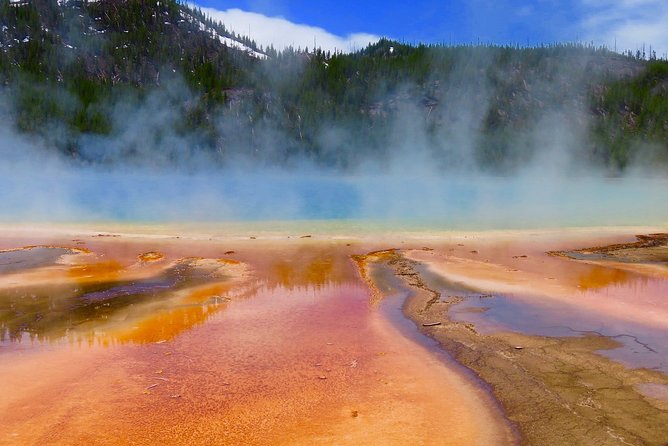
Next up is Grand Prismatic Spring, with time to explore Midway Geyser Basin. This is where Yellowstone’s colors and steam-filled drama really hit. You’ll want sturdy shoes and a little patience, because the area can be busy and paths can be crowded when visibility is good.
Fountain Paint Pot and Lower Geyser Basin (about 30 minutes)
Then you shift to the Fountain Paint Pot area in Lower Geyser Basin. This stop is shorter than Prismatic, but it’s worth it for the textures and bubbling thermal activity. It’s the kind of place where you’ll want to slow down and watch small changes—steam, mud movement, and the constant geothermal hiss.
Firehole Canyon Drive (about 10 minutes)
A quick scenic stop along Firehole Canyon Drive rounds out the thermal theme, including short photo opportunities with waterfalls. It’s not a long walk stop, but it breaks the day up nicely and helps you reset before Mammoth.
Optional Norris Geyser Basin
There’s also a possibility of an optional stop at Norris Geyser Basin, but timing doesn’t always allow it. If you’re the type who loves “one more thermal basin,” it’s great that this is on the radar—but you shouldn’t count on it as a guaranteed highlight.
Golden Gate Canyon and Mammoth Hot Springs (about 45 minutes)
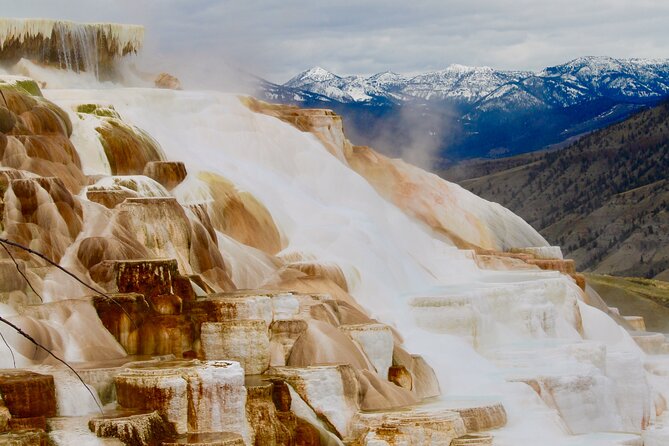
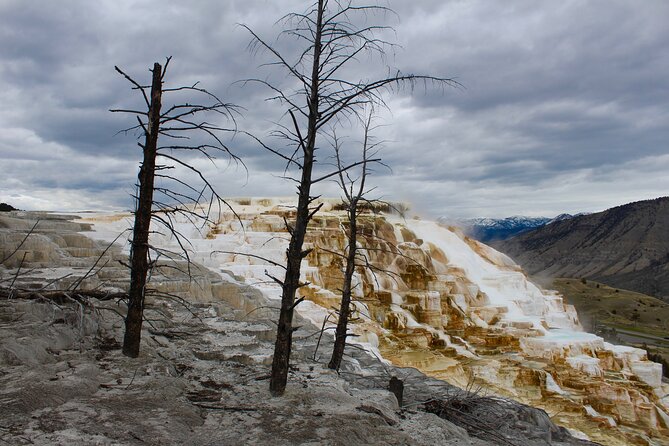
As you descend off the Yellowstone Plateau, you’ll stop at Golden Gate Canyon for quick scenery and photos. Then the day lands at Mammoth Hot Springs, with about 45 minutes to explore the terrace formations. Expect short boardwalks and scenic viewpoints.
This is a very different feel from the geyser basins. Instead of big eruptions, Mammoth is all about terraces, mineral patterns, and a more “art in stone” look. It’s one of those stops where photos don’t fully explain it—seeing the textures in person is the point.
Gardiner area and heading to Chico Hot Springs Resort
You’ll then descend toward Gardiner, Montana, passing scenery along the Yellowstone River and Paradise Valley. By the end of the day, you’re heading toward Chico Hot Springs Resort for the overnight.
Chico Hot Springs is often the “reset button” after a long first day. Many people like the rustic vibe and the hot springs-style relaxation, especially after spending hours in cold air, sun, and steam.
Day 2 Route: Lamar Valley Wildlife to Yellowstone Falls and Mud Volcano
Day 2 starts by heading back toward the park, with big wildlife odds as a centerpiece. The day focuses on valleys, falls, and then a final thermal hit if timing allows.
Paradise Valley, Undine Falls, and the Blacktail area
You begin with scenery from Paradise Valley and the Yellowstone River. Then you stop quickly at Undine Falls (about 5 minutes), which works as a short break rather than a long hike.
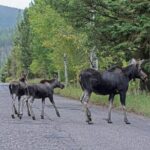
After that, you’ll pass through the Blacktail area with another chance at wildlife viewing. This is the kind of stop where the guide’s timing matters: sometimes you catch animals, sometimes you don’t, but you’re positioned where sightings are most likely.
Petrified Tree (about 10 minutes)
Next is the Petrified Tree, a short roadside stop. It’s a good “quick education” moment—limited walking, easy for most people, and a nice change from thermal steam and waterfall crowds.
Lamar Valley (about 30 minutes) for bears and wolves
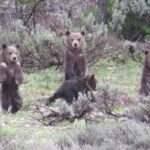
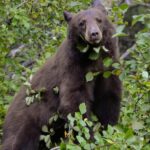
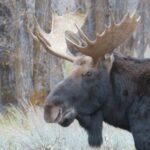
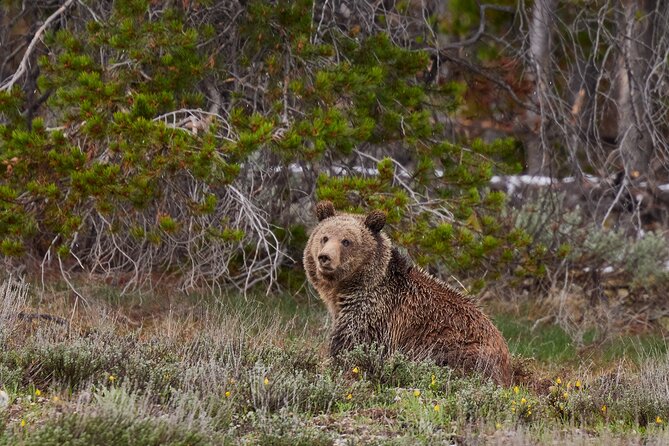
Then comes the highlight for many wildlife lovers: Lamar Valley. You’re given about 30 minutes here, and it’s specifically a prime region for spotting wildlife—grizzly bears, wolves, bison, and big horn sheep, plus more.
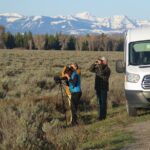
This is where your binoculars and spotting scope pay off. In the Lamar region, animals may be far enough away that you’d miss details without help. Your guide can also shift your viewing position to match where animals are active.
Tower Fall (about 30 minutes)
You continue on to Tower Fall, with time to stop, look, and take photos, plus short walks in the area. Big horn sheep and sweeping views can show up here too, and the geology is part of the conversation. It’s another “pause and look” stop rather than just a quick photo.
Dunraven Pass and the Grand Canyon of the Yellowstone region
From there, you cross Dunraven Pass and get photo opportunities while you work your way toward the Grand Canyon of the Yellowstone area.
Even without long walks, this section gives you dramatic canyon views, and it can include wildlife spotting from the roadside.
Lower Falls (about 45 minutes) and Upper Falls (about 15 minutes)
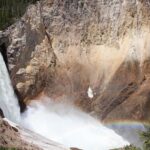
You’ll spend time at Lower Yellowstone River Falls with multiple viewpoints and short walk segments, about 45 minutes total. Then you do the Upper Falls with a shorter stop and walk—about 15 minutes—at the Brink of the Upper Falls.
If you only do one fall stop on a short visit, many people pick the Lower Falls. That’s because it tends to deliver the biggest waterfall presence and best variety of viewpoints. But pairing it with Upper Falls makes the day feel complete.
Hayden Valley (about 30 minutes) for bison and more
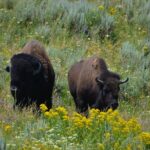
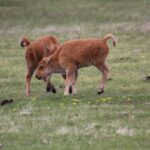
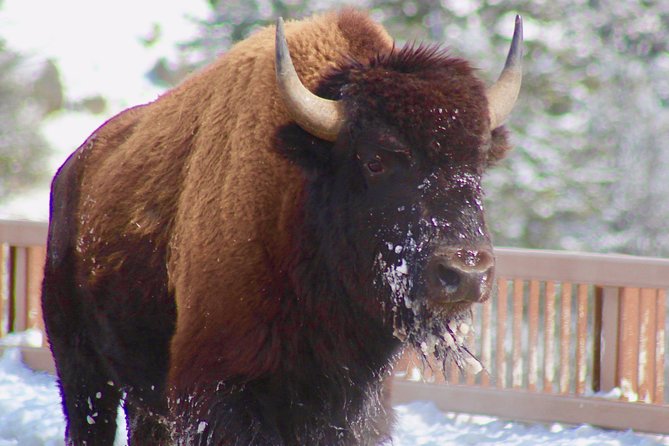
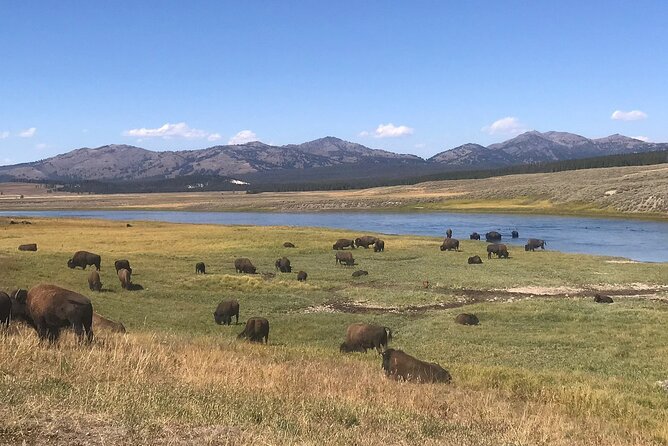
Then you move into Hayden Valley, one of the park’s best-known wildlife viewing sections. You’ll have about 30 minutes to look and photograph. Bison are common here, and wildlife like wolves and grizzly bears are possible depending on season and conditions.
This is also a good reminder: in Yellowstone, wildlife isn’t “on schedule.” The guide’s job is to put you in the right zones at the right times, and to keep you moving only when it’s worth it.
Mud Volcano area (about 15 minutes) if time allows
Finally, you may stop at the Mud Volcano area for a short boardwalk walk and thermal features. If timing doesn’t work, you pass by—so treat this as a bonus when you get it.
Yellowstone Lake and the return south to Jackson via Grand Teton scenery
You’ll then pass Yellowstone Lake and head south from the lake area toward Jackson via the south end of Yellowstone and Grand Teton scenery. You’ll have more photography opportunities and another round of wildlife chances on the way back.
Wildlife-Spotting Reality: How the Binoculars and Scope Change the Trip
Yellowstone wildlife is a mix of luck and skill. This tour leans into both.
You’ll have binoculars and a spotting scope provided, and guides often use them actively at key stops. In particular, guides such as John Putrino, Shane, Blane, Andy, and Greg are praised for finding animals and using viewing tools effectively during the stops. People also mention quick sighting luck—like getting a grizzly sighting soon after entering Yellowstone—paired with fast positioning and photo help.
What you can do to improve your odds:
- Keep your eyes up while the group is stopped. A lot of wildlife shows up when everyone is busy watching the wrong direction.
- When the guide sets up the scope, take the spot they recommend. Moving 20 feet can mean a totally different view.
- If you care about close-up viewing, bring a phone with enough battery and clear settings. You’ll be tempted to use it constantly.
Also, don’t forget the practical side: you’ll be on your feet for short walks at multiple stops, and you’ll likely spend long stretches waiting for animals to move. Sturdy shoes and a snack plan for your personal rhythm matter.
Food, Lodging, and the Extra Costs You Should Budget
Here’s the part you should plan for early, because it affects value.
What’s included
You get two lunches, plus waters and granola bars during the day. That helps a lot in Yellowstone, where food options can be expensive and limited, and where stopping for meals can break your viewing schedule.
What’s not included
You do not get breakfast or dinner, and park entrance fees are not included. Lodging is also not included in the tour price.
Lodging: Chico Hot Springs (or Gardiner)
You’ll overnight, usually at Chico Hot Springs Resort. If Chico Hot Springs isn’t available during your booking window, you’ll arrange lodging in Gardiner, Montana.
This is one reason the tour often feels like better value than DIY travel. The guided schedule plus the included transport means you can spend your time on sightseeing instead of driving around looking for lodging availability at the last minute.
Price and Value: Is $650 Worth It for Two Yellowstone Days?
At $650 per person, this is not a budget tour. But it can still be good value if you add up what you’d pay and what you’d struggle with on your own.
Your payment covers:
- Professional guide
- Hotel pickup and drop-off
- Transportation between stops
- Binoculars and a spotting scope
- Waters and granola bars
- Two lunches
What you still pay separately:
- Park entrance fees
- Hotel lodging for the night
- Guide gratuity
- Breakfast and dinner
The best way to judge the price is to compare it to the cost of renting time and solving logistics yourself: entrance fees, parking stress, figuring out the fastest route, and giving up wildlife-viewing time when you’re hunting for the next stop. For many people, paying for guidance is what turns Yellowstone from “lots of driving” into “a full experience.”
Also, the fact that this covers both the Upper and Lower loops in two days is a big deal. One-day Yellowstone trips often feel like highlight hopping. Two days gives you enough time to actually enjoy the geothermal areas, then shift into valleys and falls without feeling constantly behind.
Weather and Comfort: What to Bring (and Why)
Yellowstone can throw curveballs—sun one minute, chilly wind the next, and thermal areas that feel warm close up but cold when you step back into the air.
The tour guidance encourages you to:
- Dress for the weather
- Wear sturdy shoes
- Bring sunscreen (you’ll be outside a lot)
- Swimwear can be useful (given the Chico Hot Springs overnight context)
If you’re traveling in shoulder seasons, plan for real temperature swings. People also mention October-style cold and even snow preparation. So if you’re going late in the year, pack accordingly: layers, a warm outer layer, and gloves if you run cold.
One small pro tip: water is provided, but it’s noted that it may come in aluminum cans. If you prefer your own container, bring a refillable bottle so you can handle stops your way.
Guides and Group Energy: Why the Right Person Matters Here
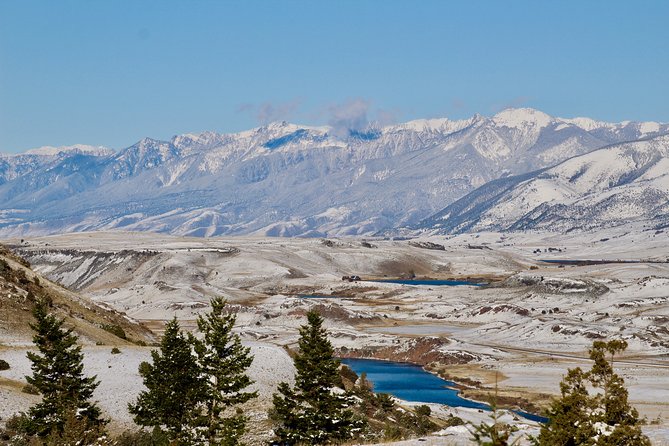
A tour like this lives and dies by the guide’s rhythm. The best experiences are not just about checklists. They’re about timing, safety, and knowing where to stand when wildlife is moving.
In this tour category, names that show up in praised experiences include John Putrino, Shane, Blane, Andy, and Greg. People highlight guides who keep the day smooth, share lots of park context, and set up scopes at the right moments. That’s what helps you turn a long day into one that feels efficient without feeling rushed.
If you have the option to request a guide and you see a name you trust from past experiences, it’s worth trying.
Should You Book This Yellowstone Upper and Lower Loop Tour?
You should book if you want:
- Both loops in two days without doing the driving and planning math
- The best chance at wildlife viewing using binoculars and a spotting scope
- A guided day that hits Old Faithful, Prismatic Spring, Mammoth, Lamar Valley, and the big falls
You might skip it if you:
- Want total freedom to linger as long as you want at every stop
- Don’t want to deal with extra costs like lodging, breakfast/dinner, and park entrance fees
- Prefer shorter, less packed days
If you’re coming from Jackson Hole and you want Yellowstone to feel like a guided story—geysers, valleys, falls, and wildlife in one tight package—this is a strong match.
FAQ
What time does the tour start?
The start time is 7:30 am. Pickup times are confirmed by contacting you the day before the trip.
Are Yellowstone park entrance fees included?
No. Park entrance fees are collected at the entrance gate.
What meals are included?
You’ll have waters and granola bars, plus lunch on both days. Breakfast and dinner are not included.
Where will we stay overnight?
The overnight is typically at Chico Hot Springs Resort. If Chico Hot Springs isn’t available, you’ll arrange lodging in Gardiner, MT.
How big is the group?
The tour has a maximum of 9 travelers.
What if I need to cancel?
You can cancel for a full refund up to 24 hours in advance. The tour also depends on good weather—if canceled due to poor weather, you’ll be offered a different date or a full refund.