REVIEW · JACKSON
Best of Yellowstone – Guided National Park Safari Tour
Book on Viator →Operated by Jackson Hole Wildlife Safaris · Bookable on Viator
Yellowstone is better with someone steering. This full-day guided safari pairs Grand Teton wildlife searching with timed stops across Yellowstone, so you spend less time guessing and more time watching.
I really like two things: the small-group size (max 8 per vehicle) and the included UHD binoculars and spotting scopes for scanning animals and steam patterns. Those extras make a big difference when the best moments are quick.
One thing to consider: it is a long day. Even with well-placed stops, you’ll spend plenty of time driving in the van.
In This Review
- Key highlights worth planning around
- Why This Yellowstone Safari Starts in Jackson Hole (and Why That Matters)
- Price and Value: What $345 Gets You (and What It Doesn’t)
- Pickup Timing: The Early Start You Can Actually Plan For
- Grand Teton National Park Stop: One Hour for Geology and Wildlife Scanning
- Entering Yellowstone: A Guided Route Built for Big Stops
- Grand Loop Road and the Continental Divide Trail: Quick Pull-Offs With a Purpose
- Mud Volcano Area and the Geyser Country Feel
- Hayden Valley: When Wildlife Watching Has a Real Time Slot
- Old Faithful: The Timing Advantage of a Guided Day
- Fountain Paint Pot: Thermal Country Without the Time Sink
- Grand Canyon of the Yellowstone and Yellowstone Lake: Two Big Finishers
- Wildlife Success Isn’t Guaranteed, but the Setup Helps
- Comfort, Pacing, and What Could Feel Like Too Much Van Time
- Who This Tour Is For (and Who Should Skip It)
- Should You Book Best of Yellowstone?
- FAQ
- How long is the Yellowstone safari tour?
- Where is pickup offered for this tour?
- What time does the tour pick up in Jackson Hole?
- Are Yellowstone and Grand Teton entrance fees included?
- How big is the group?
- What food and drinks are included?
- What gear is provided for wildlife viewing?
- Is there an age requirement?
- What happens if the weather is poor?
Key highlights worth planning around
- Hotel pickup in Jackson Hole and Teton Village keeps the start smooth
- Max 8 guests per vehicle means more eyes on wildlife, not more noise
- UHD binoculars and spotting scopes help you spot and focus at a distance
- Old Faithful and geyser-area stops are handled with built-in timing
- Hayden Valley and other wildlife pull-offs are part of the schedule, not random luck
Why This Yellowstone Safari Starts in Jackson Hole (and Why That Matters)
If Yellowstone is your first big national-park day, this kind of tour structure saves you from the hardest part: timing. You’re not just driving in and hoping you hit the best viewpoints. You’re following a route that concentrates key wildlife areas and signature thermal spots in one day.
Starting from central Jackson Hole also matters because you avoid the mental load of planning mileage, parking, and where to start each segment. The tour is built for a full arc of the region, including Grand Teton National Park before you settle into Yellowstone.
This is also a nature-first approach. The schedule isn’t just scenic stops. It’s set up for spotting signs of bear, moose, elk, and other wildlife while still hitting the must-see landmarks like Old Faithful and the Grand Canyon of the Yellowstone.
You can also read our reviews of more tours and experiences in Jackson.
Price and Value: What $345 Gets You (and What It Doesn’t)
At $345 per person, the value is in the package. You get round-trip convenience (hotel pickup and drop-off), a professional naturalist guide, and a day’s worth of food and drinks. That’s not just comfort. It’s practical: you don’t have to hunt for snacks, manage lunch logistics, or pay for a guide on top of everything else.
Included basics you should care about:
- Light breakfast, lunch, snacks, and beverages all day
- A professional naturalist guide
- UHD binoculars and spotting scopes
- Small-group format with up to 8 guests per vehicle
What’s not included is important for your budget: national park entrance fees. Some stops are free or don’t require extra fees, but entrance fees for the park areas that require them are listed as not included. So when you compare prices, compare the total day cost, not just the tour fare.
Also, plan for tipping. One guide was specifically thanked for a great day, and that’s a good reminder that you’re paying for someone’s work and expertise.
Pickup Timing: The Early Start You Can Actually Plan For
This tour runs about 10 to 12 hours, and pickup times shift by season. If you stay in town, you’ll likely get picked up around 7:00 AM (town locations), while Teton Village area pickups tend to start earlier.
For planning, here are the approximate pickup windows:
- May–September 14: Teton Village 6:30 AM, Aspens/Amanani/Spring Creek 6:45 AM, Town of Jackson 7:00 AM
- September 15–October 31: Teton Village 7:00 AM, Aspens/Amanani/Spring Creek 7:15 AM, Town of Jackson 7:30 AM
Once you book, the exact pickup time is set based on your lodging, and you should get that timing notification before departure. If you’re trying to stack plans for later that evening, I’d avoid anything strict. A day like this ends when it ends.
Grand Teton National Park Stop: One Hour for Geology and Wildlife Scanning
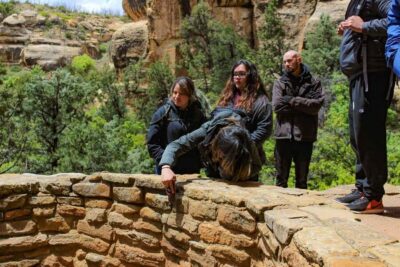
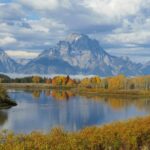
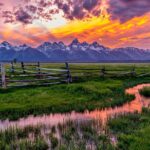
The day begins with a stop in Grand Teton National Park, scheduled for about 1 hour. You’ll get guided context here, with the guide explaining the historical or geological significance of the stop. It’s a nice setup because it turns the scenery into something you can recognize later in the day.
You also get your first chance to spot wildlife. Yellowstone is the main target, but the Tetons are part of the system, and early visibility can help. Even if you don’t get a major sighting on the first stop, you’re starting with “what to look for” instead of staring out the window blindly.
One note for budgeting: admission for this stop is listed as not included.
Entering Yellowstone: A Guided Route Built for Big Stops
Once you’re in Yellowstone National Park, the tour includes about 6 hours inside the park. This isn’t random driving. It’s a guided push across the Grand Loop Road region and other high-value areas where the park’s wildlife and geothermal activity tend to show up.
The time at each stop is short by design—usually 30 minutes—which means you’re not stuck waiting in one place. You’re constantly moving to the next likely window of action.
This style works best when you trust the guide to decide when to pull over, when to walk a bit, and when to shift. The tour is built around that guidance, not around you wandering with no plan.
Grand Loop Road and the Continental Divide Trail: Quick Pull-Offs With a Purpose
Two of the scheduled stops are brief but smart:
- Grand Loop Road (about 30 minutes; admission free)
- Continental Divide Trail (about 30 minutes; admission free)
These are the kinds of stops that can feel too short on paper, but in practice they serve a bigger goal: they break the day into manageable viewing windows and keep you near the routes where animals and dramatic terrain show up.
With a naturalist guide, a quick stop still pays off. You’re not just taking a photo—you’re getting enough context to understand what you’re seeing: why this area exists, how it formed, and what it signals about the park.
Mud Volcano Area and the Geyser Country Feel
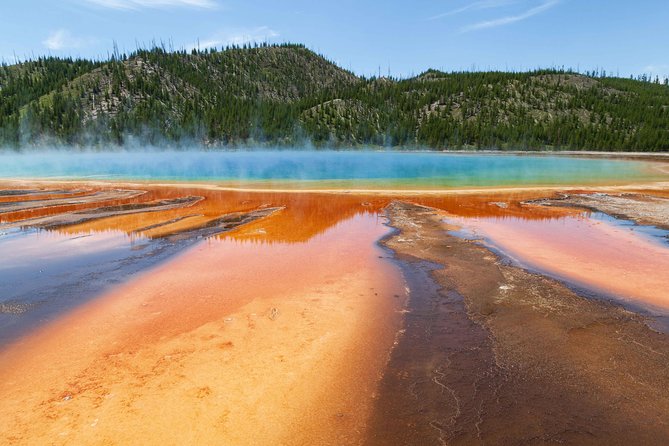
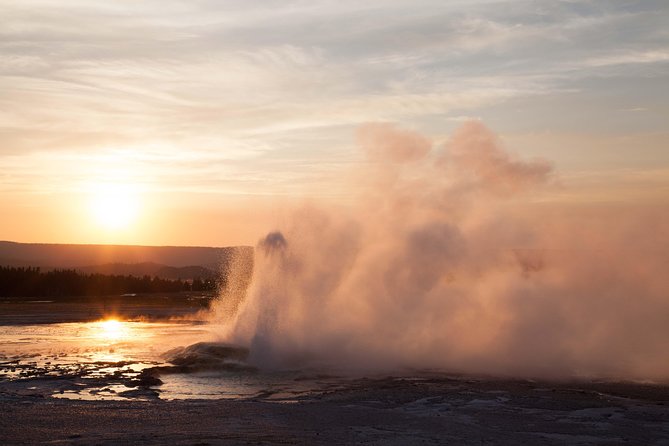
The tour then heads to the Yellowstone geysers area, including the Mud Volcano area for about 30 minutes (admission free). This is where Yellowstone shifts from wildlife watching to thermal terrain.
A short stay here can be a plus. The park’s geothermal zones are active and visually complex, but you don’t need to spend hours to enjoy the contrast. A guided stop also helps you understand what you’re looking at without turning the day into a geology lecture or a guessing game.
If you’re the type who loves structure, you’ll appreciate that your geothermal time is scheduled so it doesn’t get chopped up by traffic or parking issues.
Hayden Valley: When Wildlife Watching Has a Real Time Slot
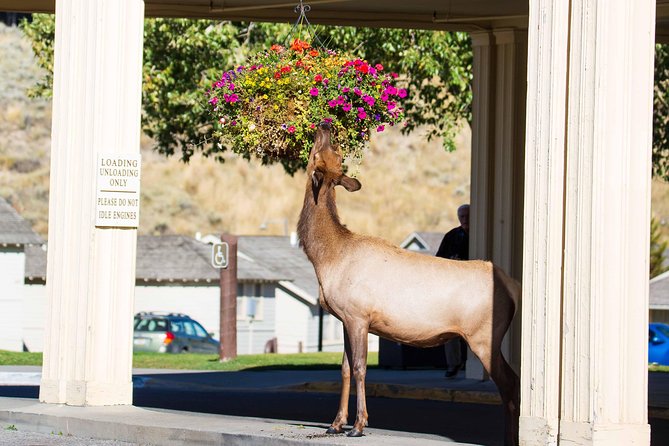
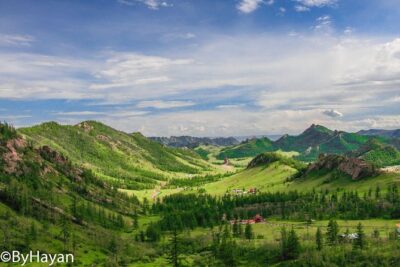
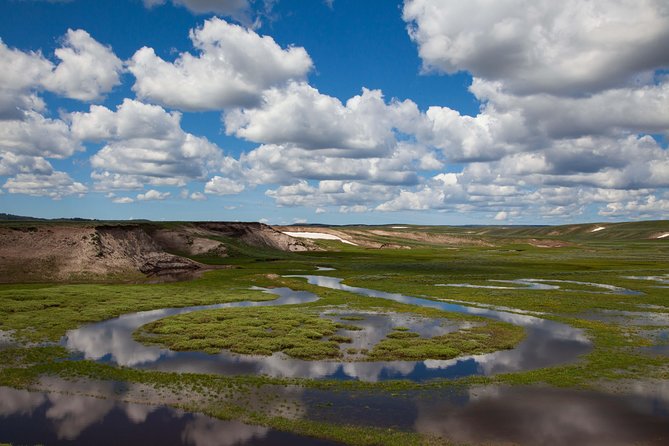
If you want a wildlife-focused day, Hayden Valley is the kind of stop you wait for. The schedule gives you about 30 minutes there (admission free), and this is one of the more classic places for spotting animals moving through open spaces.
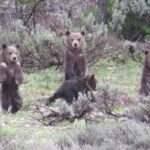
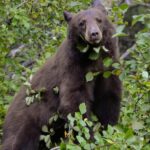
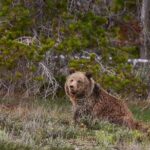
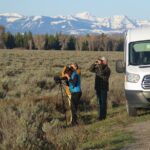
The tour specifically includes searching for signs of bear, moose, elk, and more. In the field, that often means scanning slowly, checking for movement, and repositioning quickly when the guide sees something worth a stop.
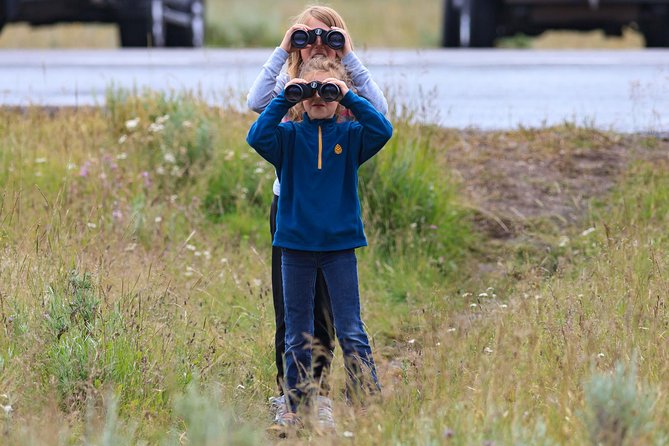
That’s where the included binoculars and spotting scopes pay off. Even if you’re not right on top of animals, you can still see more than you would with the naked eye—and you’ll waste less time framing shots.
Old Faithful: The Timing Advantage of a Guided Day
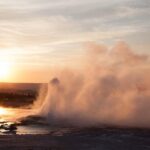
The stop at Old Faithful is about 30 minutes (admission free). Old Faithful is famous, but the real value of this tour is that you’re not trying to figure out when to get there on your own. You arrive with a plan and a guide who can manage the moment.
This short window is worth it because it reduces stress. You can focus on watching rather than refreshing an eruption schedule and second-guessing your route. You also get enough guided context that the stop feels like part of Yellowstone’s story, not just a photo stop.
If you’re traveling with someone who cares about the basics of what to see, this is one of the strongest points of the day.
Fountain Paint Pot: Thermal Country Without the Time Sink
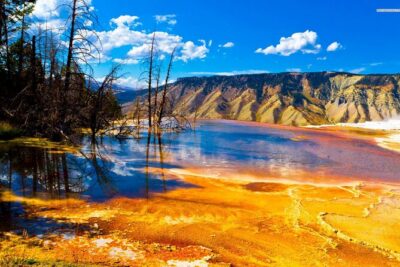
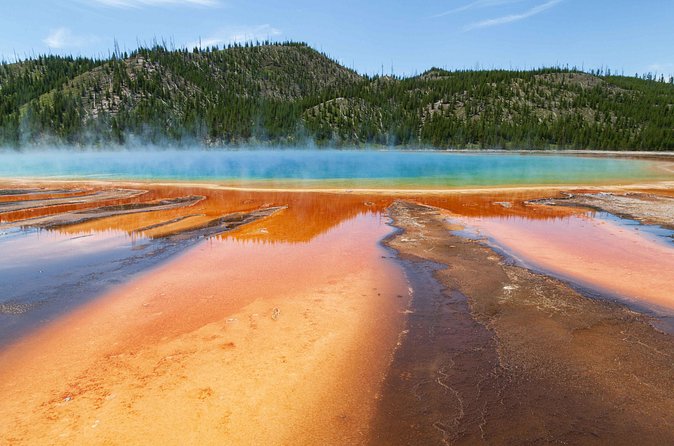
Next up is Fountain Paint Pot for about 30 minutes (admission free). Like the other geothermal stops, this is scheduled to give you the thermal experience without consuming your entire day.
I like these short thermal stops because they keep your energy up for the later viewpoints. You don’t lose the whole afternoon to one area, and you don’t end up rushing through the last big sights.
Grand Canyon of the Yellowstone and Yellowstone Lake: Two Big Finishers
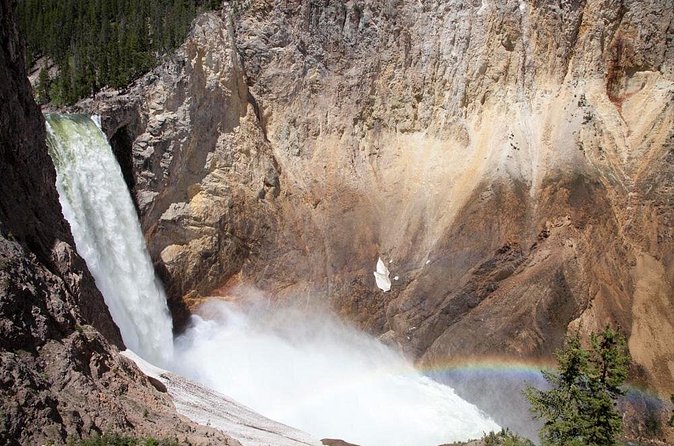
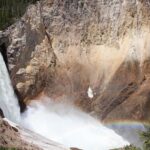
The tour includes a stop at the Grand Canyon of the Yellowstone for about 30 minutes (admission not included). This is a major viewpoint stop, and it can be an eye-opener if you arrived thinking Yellowstone was only geysers.
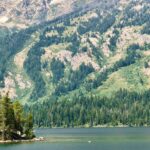
The final scenic stop is Yellowstone Lake, also about 30 minutes (admission not included). Even with a short time slot, a lake viewpoint helps balance the day. You finish with a calmer feel after all the geothermal and wildlife searching.
If you care about photography, these last stops are your chance to widen out. Earlier in the day you’re often focused on spotting movement or tight geothermal details. Here you can step back and frame the scene more broadly.
Wildlife Success Isn’t Guaranteed, but the Setup Helps
Let’s be honest about wildlife. No one can guarantee you’ll see bears or wolves on a single day. But this tour gives you a strong chance by doing two things:
- It builds wildlife-search pull-offs into the schedule.
- It uses a guide and gear to help you find and focus.
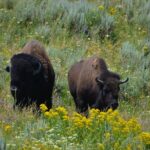
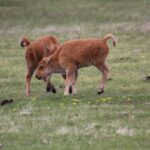
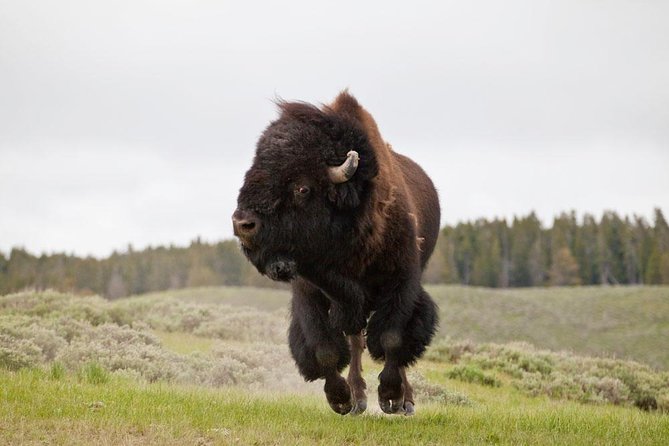
The guide-led approach is repeatedly praised, especially for making time-sensitive decisions so you don’t miss wildlife when it appears. Many people also highlight specific animal moments like moose sightings and bear sightings, plus close views of bison.
I also like the small-group format because it keeps things moving. When you have fewer people in the vehicle, your guide can manage stops and scanning without turning every pull-over into a bottleneck.
Comfort, Pacing, and What Could Feel Like Too Much Van Time
This is a full-day 10 to 12 hours experience, and the van time is real. One downside that comes up is that the day can feel long, and some guests want more time out of the vehicle to photograph and explore.
You can prepare for that. Wear layers. Bring warm items for early mornings. Even in good weather, park air can feel cold, and morning starts plus frequent stops can add up.
Also, if your top goal is hiking for long stretches, this may not be your best fit. The tour is designed around short stop windows and guided viewing, not long trail time.
Who This Tour Is For (and Who Should Skip It)
This tour is a smart choice if:
- You’re short on time in the Yellowstone area and want a packed, guided day
- You want Yellowstone plus Grand Teton in one go
- You prefer structured sightseeing with a naturalist guide
- You want meals and drinks handled so you can focus on wildlife and views
You might skip it if:
- You dislike long days and would rather go at your own pace
- You want lots of independent time out of the van
- You’re trying to avoid any extra costs like park entrance fees
There’s also a minimum age note: wildlife safaris have a minimum age of 8 years old (private safaris have no minimum). If you’re traveling with younger kids, this matters.
Should You Book Best of Yellowstone?
I’d book this if you want a Yellowstone day that feels organized from pickup to final viewpoint, with small-group access and a guide who helps you hit the key moments. The included food, drinks, and spotting gear make it feel less like a rushed sightseeing bus tour and more like a managed field day.
Book it if your travel style is: see a lot, learn as you go, and trust the route. Skip it if you want maximum freedom to linger or hike on your own terms.
If you’re deciding right now, a practical move is to check your total budget including park entrance fees and plan for an early start. Then you can focus on the main payoff: Yellowstone’s wildlife chances and the big-name sights like Old Faithful and the geyser country stops.
FAQ
How long is the Yellowstone safari tour?
It runs about 10 to 12 hours.
Where is pickup offered for this tour?
Pickup and drop-off are offered from hotels, condos, and private residences in Jackson and Teton Village.
What time does the tour pick up in Jackson Hole?
Pickup times vary by season. For example, town of Jackson pickups are roughly 7:00 AM in May–September 14 and about 7:30 AM in September 15–October 31.
Are Yellowstone and Grand Teton entrance fees included?
National park entrance fees are not included.
How big is the group?
It’s a small-group tour with a maximum of 8 travelers per vehicle.
What food and drinks are included?
The tour includes a light breakfast, lunch, snacks, and beverages.
What gear is provided for wildlife viewing?
You get UHD binoculars and spotting scopes.
Is there an age requirement?
For wildlife safaris, the minimum age is 8 years old. (Private safaris have no age minimum.)
What happens if the weather is poor?
This experience requires good weather. If it’s canceled due to poor weather, you’ll be offered a different date or a full refund.