REVIEW · JACKSON
Private 4 hour Snowshoe in Grand Teton National Park
Book on Viator →Operated by Jackson Hole Eco Tour Adventures · Bookable on Viator
Winter in the Tetons turns simple walking into real adventure. This private 4-hour snowshoe pairs backcountry scenery with hands-on wildlife tracking and beginner-friendly teaching. You also get the comfort upgrade that matters in cold weather: everyone gets a window seat in their custom vehicle.
What I like most is the way this experience turns into a small-group lesson, not a trek where you’re left to guess. Your guide brings Swarovski optics, reads tracks and habitat signs, and can tailor the route to what your group wants—wildlife, geology talk, or just the best snow-covered views.
One consideration: you’ll need to dress and move for winter conditions, and the Grand Teton entry pass ($20 per person) is not included—so your total cost depends on how many people are in your group.
In This Review
- Key highlights worth your attention
- A 4-hour Grand Teton snowshoe that feels like more than a workout
- Getting there in comfort: the custom 4×4 setup matters
- Your guide is the real engine of the day
- Snowshoe gear is included, but you still need the right shoes
- What the 4-hour route feels like once you’re on the snow
- Wildlife tracking in winter: how your guide finds meaning in tracks
- Learning snow science and geology without turning it into a lecture
- Snacks, coffee, and the “pause” that makes the whole day better
- Price and value: $699 private time, gear, and guiding
- Who this tour fits best (and who might want something else)
- Should you book this snowshoe under the Tetons?
- FAQ
- How long is the private snowshoe tour?
- Is this tour private?
- Do I need snowshoeing experience?
- What’s included with the tour?
- Is pickup offered?
- Do I need to buy a Grand Teton entry pass?
- How big is the group?
- What happens if weather is poor?
- Are service animals allowed?
- What’s the cancellation window?
Key highlights worth your attention
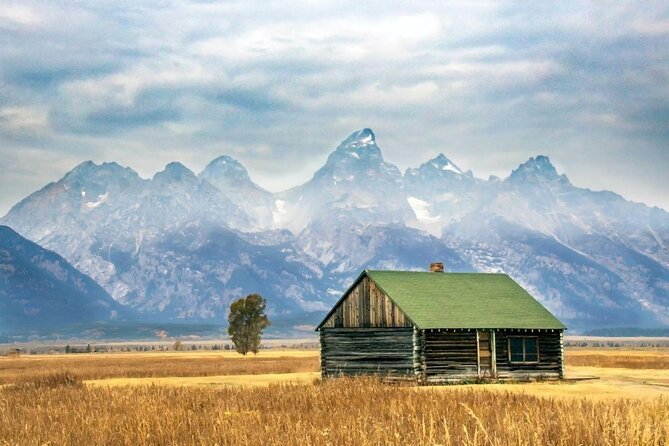
- Private time with a real naturalist guide: your guide designs the outing around your group’s interests and pace.
- Swarovski optics on a snow day: binocular time helps you actually see what winter hides.
- Beginner-friendly snowshoeing: no previous experience is required if you can walk.
- Everyone gets a window seat: roof hatches and custom windows keep the ride scenic and comfortable.
- Snack-and-learn stops: you’ll pause for high-quality snacks while your guide explains snow, tracks, and winter ecology.
A 4-hour Grand Teton snowshoe that feels like more than a workout
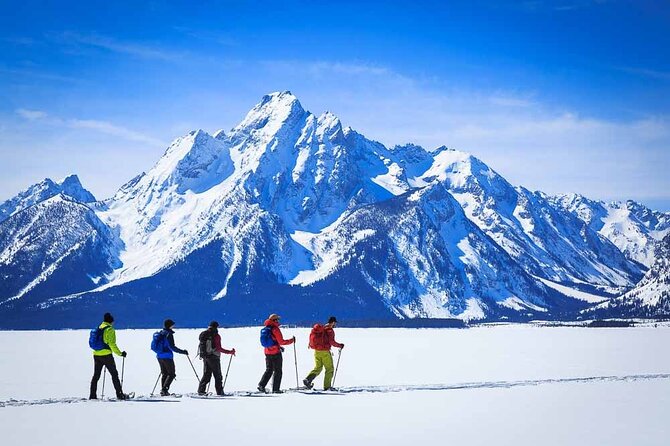
Four hours is the sweet spot for a winter day in the Tetons. It’s long enough to learn the basics of snowshoeing, settle into rhythm, and get a few meaningful pauses to look around and listen. It also keeps you from turning the day into a grueling slog when the cold starts to bite.
The biggest “value” here is that it’s structured around learning and wildlife. This isn’t just about covering distance across the snow. Your guide watches for animal signs, interprets tracks and winter habitats, and shares what the landscape is doing in winter—snow science and winter ecology included.
And yes, it’s a workout. But it’s the good kind: steady effort, changing terrain, and plenty of time to stop and look up. Expect that you’ll feel it in your legs after. You’ll also remember it because you’re moving through winter with a plan.
You can also read our reviews of more tours and experiences in Jackson.
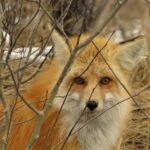
Getting there in comfort: the custom 4×4 setup matters
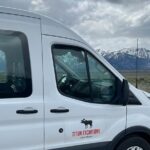
Cold-weather tours can feel miserable if the ride is uncomfortable or cramped. This one is built for comfort. The company uses custom vehicles with roof hatches and custom windows, so everyone gets a window seat. That means you’re not stuck with your view blocked while you’re bundled up and waiting.
They also swap out uncomfortable bench seating for captains chairs, and the vehicles are 4×4, which helps when roads and conditions get wintery. I like that because it turns “getting there” into part of the experience, not a chore you just endure.
If you’re planning on dressing smart, you’ll appreciate this: you can layer up for the ride, then adjust once you’re geared with snowshoe equipment.
Your guide is the real engine of the day
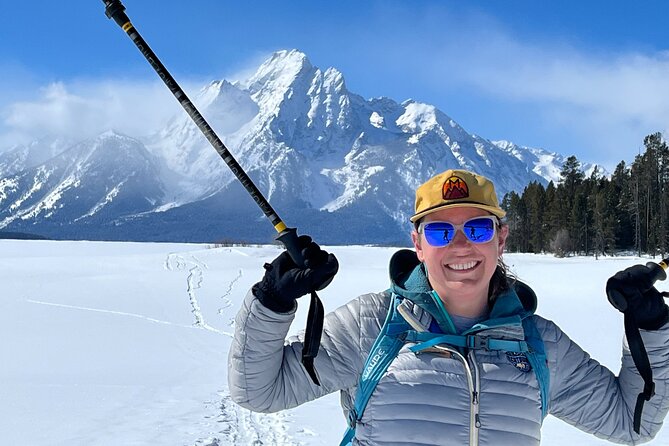
The guiding is what makes this tour more than a gear rental with a trail map. The guides are naturalists with science backgrounds, and they’re prepared to interpret what you’re seeing: flora, fauna, geology, human history, and the winter ecology that ties it together.
The reviews back up that the guides don’t just talk—they adapt. You’ll see it in how they handle first-time snowshoers with patience, and how they slow down when someone wants to understand tracks instead of rushing for distance. For example, guides such as Ryan and Seth are specifically noted for teaching snowshoe basics, then adding wildlife spotting and winter learning. Laura is praised for geology and a respectful approach to the national forest. Rafael (Raf) and Verlin get credit for high energy, making the experience feel lively and personal.
Here’s the part that matters for you: since the tour is designed around your group, you’re less likely to feel like you’re being herded through a one-size route. If your priority is wildlife, your guide will likely shape more of the time around reading signs and positioning for viewing. If your priority is learning, you’ll get explanation built into the walk.
Snowshoe gear is included, but you still need the right shoes
The tour provides the key equipment: snowshoes, gaiters, and poles. That takes away a lot of the hassle of renting or guessing what works. You’ll also get coffee/tea, bottled water, and snacks included.
The one piece you still control is footwear and winter clothing choices. A specific tip that shows up in the feedback: skip the wrong boots. One reviewer noted that ladies shouldn’t wear moon boots—they can be a poor fit for how snowshoe gear and gaiters work together. If you show up in bulky, awkward boots, you may spend part of the day fighting your gear instead of enjoying the walk.
So think in terms of comfort and function:
- boots that let you walk naturally
- layers you can vent and re-layer
- socks you trust in cold and snow
If you keep that in mind, the included equipment should do the heavy lifting.
What the 4-hour route feels like once you’re on the snow
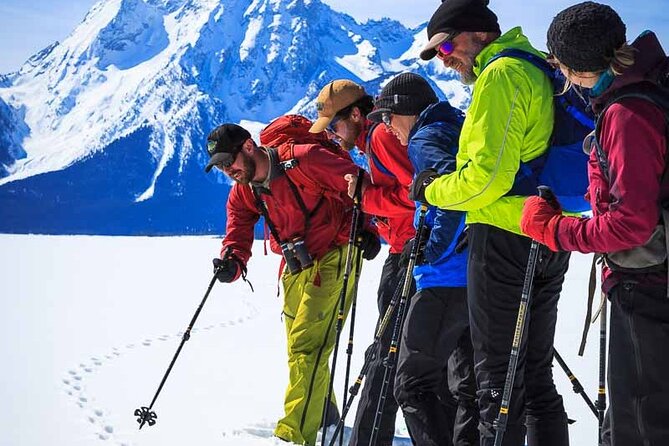
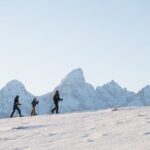
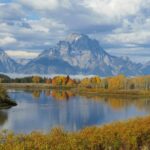
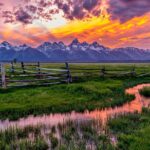
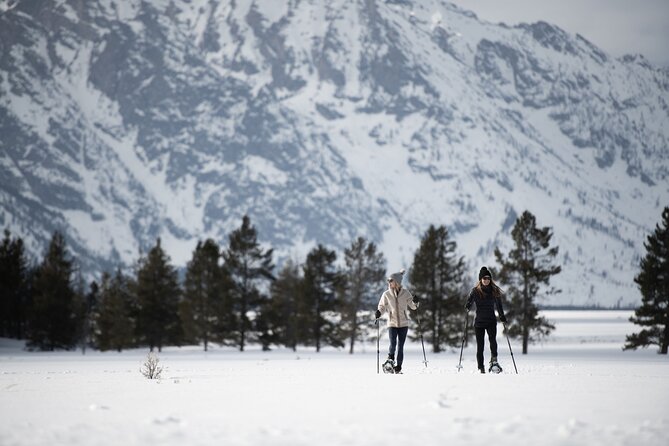
Your guide takes you through rolling hills and snow-covered forest groves at the base of the Grand Teton Mountain Range. The focus is moving through winter in a way that helps you notice what’s present. That means you’re not just staring at the Tetons for four hours—you’re also learning to “read” the snow.
The pace is shaped around your group. Because this is private (only your group participates), it’s easier for your guide to manage stops and explanations without juggling other people’s needs. And because small groups max out at 7 participants, you’re more likely to get questions answered than watch someone else get all the attention.
You’ll have a few planned pauses. During those breaks, you’ll enjoy high-quality snacks and keep warm before continuing. Those stops are also when your guide can point out signs you might have missed while walking.
Wildlife tracking in winter: how your guide finds meaning in tracks
Winter is when animals reveal themselves—quietly. You just need someone who knows what to look for, and that’s the point of the guiding.
Your naturalist guide keeps watch for animal signs and interprets tracks and unique habitats. That can turn a “pretty snowy walk” into a detective game. Instead of only seeing blank white ground, you start seeing tiny stories: where an animal moved, how it used terrain, and what that says about food and shelter.
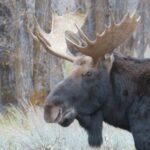
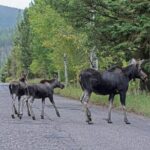
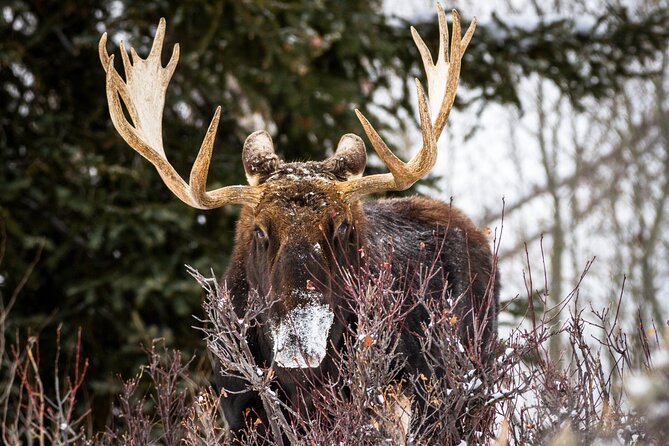
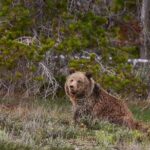
The wildlife viewing angle comes through clearly in the feedback. People mention spotting moose, including a mom and baby moose sighting with Ryan. Other visits include moose-focused viewing with other guides as well. Even if you don’t see the same species on your day, the value is in learning the reading skill your guide brings to the snow.
And that’s where the Swarovski optics help. On snow days, distance viewing matters. Binoculars let you look without wasting time guessing what’s moving in the trees or across open ground.
Learning snow science and geology without turning it into a lecture
This tour mixes movement with interpretation. Your guide shares facts about snow science and winter ecology, and you may get geology lessons tied to the Tetons while you walk. In the feedback, Seth is specifically called out for explaining geology of the Tetons plus pants-and-tracks basics. Laura gets praise for geology and a respectful approach in the national forest.
What I like about this approach is that it’s practical. You’re hearing why snow behaves the way it does, and how that affects animals and movement. It also helps you understand the terrain you’re stepping through—why certain spots feel harder or why tracks matter more in some areas than others.
If you’re the kind of traveler who normally skips “nature talk,” this is still worth it because the explanations happen while you’re actively moving and looking. It doesn’t feel like a classroom.
Snacks, coffee, and the “pause” that makes the whole day better
Included food is a small detail that can really change the tone of a winter outing. Here, you get coffee and/or tea plus bottled water and snacks. Then you also get high-quality snacks during stops.
Those pauses matter because winter can make you feel hungry faster than you expect—cold is fuel-intensive. They also give you time to look around with less urgency. You’ll often notice that the best wildlife moments happen when you slow down. This tour builds in that slowdown instead of making you push for the next viewpoint.
Price and value: $699 private time, gear, and guiding
The price is $699 for a private 4-hour snowshoe experience, with pickup offered and a mobile ticket. For many people, the question isn’t just whether it’s expensive—it’s whether it’s worth it for what you get.
Here’s the value math that makes sense:
- You’re paying for a private guide who tailors the experience.
- You’re getting all key snowshoe equipment: snowshoes, gaiters, poles.
- You’re getting snacks, coffee/tea, bottled water.
- You’re getting professional optics (Swarovski).
- You’re getting comfortable transportation with window seating in a custom vehicle.
That’s a bundle most self-guided winter days can’t match without renting equipment, figuring out routes, and spending extra money on transport and food.
One extra cost: the Grand Teton entry pass ($20 per person). If you’re counting total cost, add it on early so you don’t get surprised. Also note that the tour is weather-dependent; if conditions force a change, you’ll be offered a different date or a full refund.
Who this tour fits best (and who might want something else)
This tour fits best if you want a guided winter day that balances outdoor fun with real interpretation. You’ll likely enjoy it if you’re:
- going as a family or group and want private time
- new to snowshoeing and want instruction without pressure
- wildlife-focused and want help finding meaning in tracks and habitat
- the kind of traveler who likes geology, snow science, and “why this place looks like this” explanations
The tour is also set up for people with no prior snowshoe experience—if you can walk, you can snowshoe.
If you’re someone who only wants a hard, long hike and doesn’t care about wildlife viewing or learning, you might find the pace and structure more “guided experience” than “training day.” But for most visitors, the combination of pace + teaching + winter viewing is exactly the point.
Should you book this snowshoe under the Tetons?
If you want a winter outing that feels personal, teaches you how to look at the Tetons in snow, and gives you a strong chance at meaningful wildlife viewing, I’d book it. The private setup, the included gear, and the focus on tracks and habitat make this a smart way to spend a half day in Grand Teton country.
Book it especially if you’re first-timers. The gear is handled, the instruction is built into the walk, and guides like Ryan, Seth, Laura, Rafael (Raf), Verlin, and Sage are repeatedly praised for being patient and tailoring the outing to the group.
Just don’t forget the entry pass cost, dress for winter movement (skip moon boots), and plan around weather—this is Grand Teton, so the snow and sky call the shots.
FAQ
How long is the private snowshoe tour?
The tour runs about 4 hours.
Is this tour private?
Yes. It’s private, and only your group participates.
Do I need snowshoeing experience?
No previous experience is necessary. The tour is described as beginner-friendly, with instruction included.
What’s included with the tour?
Snowshoes, gaiters, and poles are included, along with coffee and/or tea, bottled water, and snacks.
Is pickup offered?
Pickup is offered.
Do I need to buy a Grand Teton entry pass?
Yes. The Grand Teton entry pass is not included and is listed at $20 per person.
How big is the group?
The tour is offered as small groups with a maximum of 7 participants.
What happens if weather is poor?
The experience requires good weather. If it’s canceled due to poor weather, you’ll be offered a different date or a full refund.
Are service animals allowed?
Yes, service animals are allowed.
What’s the cancellation window?
You can cancel for a full refund up to 24 hours in advance of the experience’s start time. If you cancel less than 24 hours before, you won’t get a refund.