REVIEW · JACKSON
Half-Day Wildlife Safari Tour in Grand Teton National Park
Book on Viator →Operated by Jackson Hole Wildlife Safaris · Bookable on Viator
Moose country looks best from a van window. This half-day Grand Teton wildlife safari strings together photo-friendly stops around Jackson Hole, with a naturalist guiding your wildlife spotting. I love the small-group size (max 8) and the included UHD binoculars and spotting scopes; the main catch is you still handle National Park entrance fees yourself, and sightings never come with guarantees.
Plan on about 4 hours on the road, starting with hotel pickup in Jackson Hole or Teton Village and ending back at your door. The pace is tight but not rushed: you’re on six guided stops, each about 30 minutes, plus a light breakfast on morning trips, bottled water, and snacks to keep you comfortable while you scan for moose, bison, pronghorn, and more.
In This Review
- Quick take: what makes this safari work
- Why Jackson Hole wildlife looks better with a small van
- The 4-hour route: six focused stops in and around Grand Teton
- Stop 1: National Elk Refuge
- Stop 2: Moose Wilson Road
- Stop 3: Grand Teton National Park
- Stop 4: Craig Thomas Discovery & Visitor Center in Moose
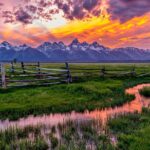
- Stop 5: Mormon Row Historic District
- Stop 6: Jackson Hole & Greater Yellowstone Visitor Center
- Wildlife you can hope for, plus what to do when it’s quiet
- Binoculars, snacks, and the comfort details that save your energy
- Guides make the difference: the naturalist touch in real moments
- Price and value: where the $170 lands
- Picking the right time: morning vs afternoon wildlife safaris
- Pickup logistics: how to make the start painless
- When to bring kids, and who this tour fits best
- Should you book this Grand Teton wildlife safari?
- FAQ
- How long is the Half-Day Wildlife Safari in Grand Teton?
- Where is pickup and drop-off offered?
- Are National Park entrance fees included?
- What wildlife might I see on this tour?
- What’s included with the tour price?
- Is there an age minimum?
Quick take: what makes this safari work
- Max 8 in the vehicle means you actually get time to ask questions and adjust your viewing spots.
- UHD binoculars and spotting scopes are part of the deal, so you’re not squinting for hours.
- Six short stops gives you lots of chances to spot wildlife without turning it into a long hike day.
- Naturalist-guided education at each stop adds meaning, not just animal spotting.
- Pickup and drop-off from your lodging keeps the logistics easy in Jackson Hole.
- Good snacks and water help on a morning start, or an afternoon push for dusk activity.
Why Jackson Hole wildlife looks better with a small van
This is the kind of half-day tour that respects your time. Four hours is short enough that it stays fun, but long enough to bounce between prime wildlife areas and get real chances to see big animals.
The biggest win is the small-group setup (up to 8). When you pull over for a sighting, you’re not fighting a crowd for a window line or a place to set your feet. In multiple guide-led moments, people also picked up tips that made their sightings easier to track, not just harder to miss.
I also like that the tour comes with serious viewing gear. You’re not relying on your own binoculars, and you’re not stuck with vague “try over there” directions. The included UHD binoculars and spotting scopes help you slow down and actually see what you’re looking at.
One practical thing to remember: animal sightings are never guaranteed. You’re paying for expertise and access to the right areas at the right times, not a promise of grizzly bear sightings every trip.
You can also read our reviews of more tours and experiences in Jackson.
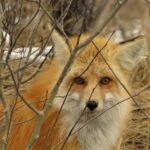
The 4-hour route: six focused stops in and around Grand Teton
The tour runs about 4 hours, and it’s structured around multiple short pull-ins. Each stop is roughly 30 minutes, which means you get enough time to listen, scan, and take photos without turning the day into a bus ride marathon.
Stop 1: National Elk Refuge
This is your first “set your eyes on the valley” moment. Your guide shares historical or geological context tied to the location, then you use the time to watch for movement and learn how to read the terrain.
Because it’s early in the route, it often helps to settle into the rhythm: slow scanning, quiet listening, and using the scope when you spot something distant.
Stop 2: Moose Wilson Road
Next comes another spot where the guide’s job is equal parts storytelling and spotting. You’ll again get guide-led context and time to look for wildlife.
This is a good place for photos too, especially if your group is patient and willing to wait a minute instead of sprinting to the next turn.
Stop 3: Grand Teton National Park
Now you’re in the national park stretch, where the driving and pull-offs are built around opportunities. The guide keeps you moving through areas that are meant for viewing, while continuing with that mix of wildlife scouting and location talk.
In plain terms: this is where the tour earns its keep, because you’re using a professional route instead of guessing where animals might show up.
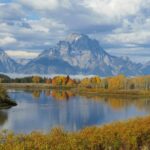
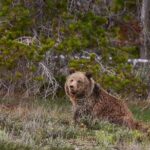
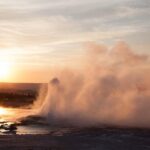
Stop 4: Craig Thomas Discovery & Visitor Center in Moose
This stop shifts from “watch for animals” to “learn and reset.” You get another 30 minutes with the guide explaining significance related to the spot, and you get a breather from constant scanning.
If you’re coming from the morning cold or starting after lunch, these breaks matter. They also give you a chance to refocus so the rest of the route stays productive.
Stop 5: Mormon Row Historic District
Here the tone changes again, leaning more toward the place itself. You’ll get the guide’s historical or geological explanation for the district, plus time to take photos and look around the area for wildlife in the open.
This is also a moment where you can decide how much you want to linger. If you like straightforward scenic photo stops with a bit of expert context, this one hits the mark.
Stop 6: Jackson Hole & Greater Yellowstone Visitor Center
The last stop wraps the tour with one more context stop before you head back. You’ll spend time with the guide on the site’s significance, then it’s back to the road and your drop-off.
I like ending with learning. It makes the whole experience feel less like a “hunt” and more like a guided understanding of the area.
Wildlife you can hope for, plus what to do when it’s quiet
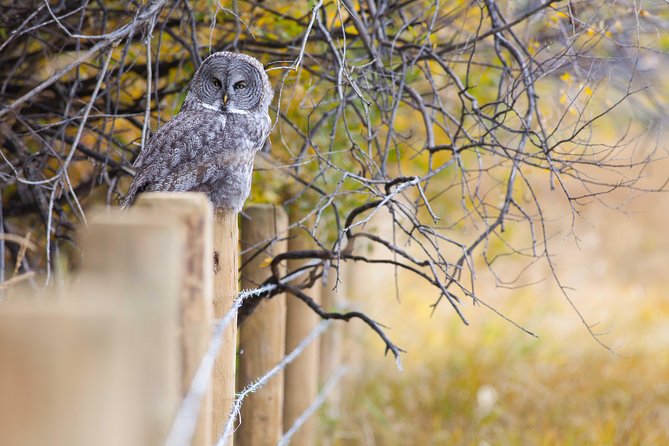
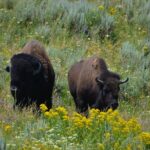
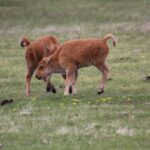
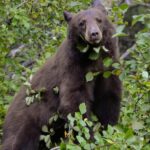
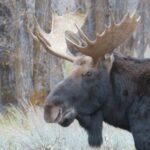
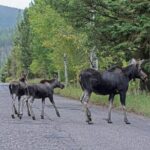
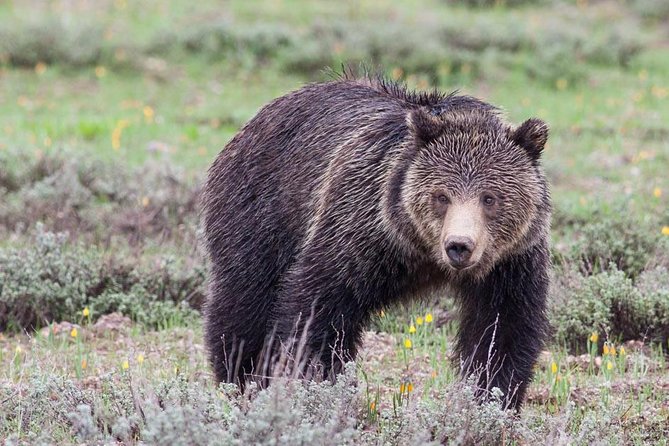
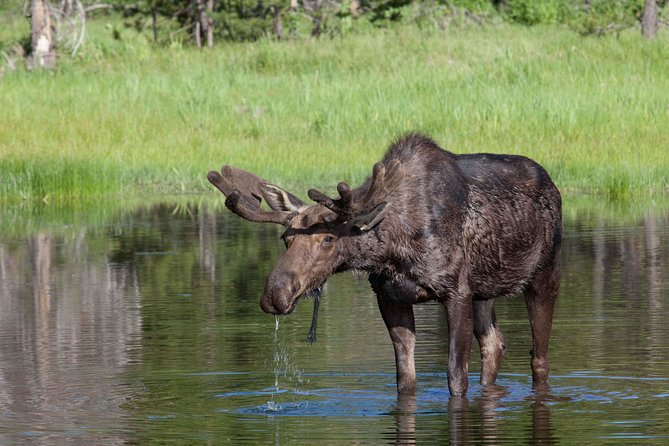
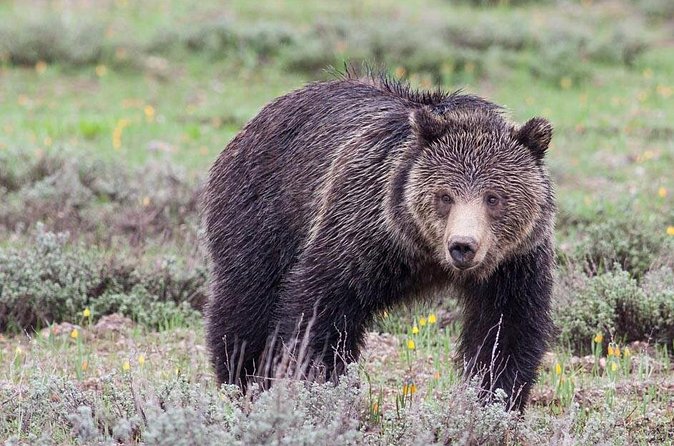
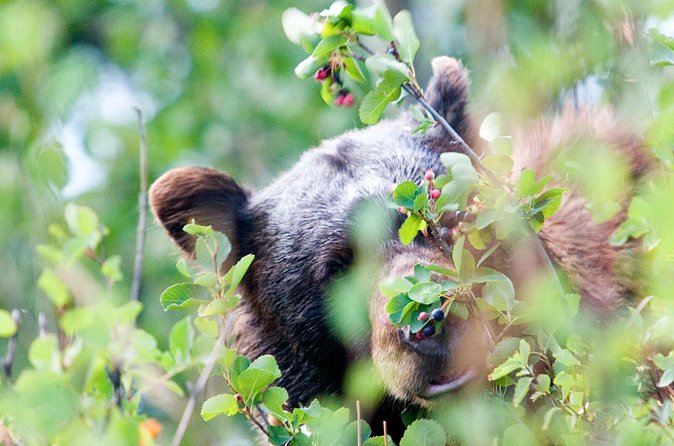
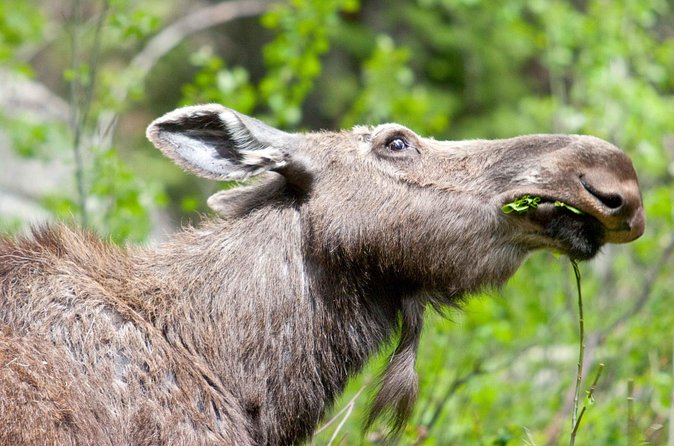
The tour advertises photo chances with bison and pronghorn herds, and opportunities to spot bears and moose. That matches what people describe in real-world terms: you’ll likely see multiple species if timing and conditions cooperate.
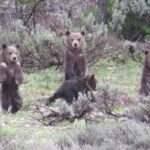
In the feedback I read, the most common big hits include moose and bison, plus sightings like pronghorn, mule deer, and different birds. Some people also reported rare moments like grizzly bear views from a distance. That said, not every trip gets the full bingo card, and that’s normal here.
Here’s the practical mindset I’d take:
- When your guide slows the van and asks everyone to watch quietly, do it. Sudden movement is the enemy of animal spotting.
- Use the scope when you can, not only when you’re sure. Even brief silhouettes can turn into something clear with magnification.
- Accept that weather and animal behavior decide a lot. The tour is designed to respond, not force outcomes.
A small but important pattern shows up in the comments: guides try hard, and sometimes they will push for a top sighting and then confirm everyone is good before heading back. That’s a good sign. It means the guide is balancing safety, timing, and the goal of seeing wildlife.
Binoculars, snacks, and the comfort details that save your energy
This tour quietly nails the everyday stuff. You get bottled water and snacks. Morning trips include a light breakfast, which is a lifesaver when you’re doing an early pickup and you don’t want to run on coffee alone.
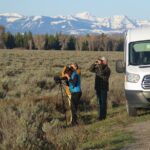
The viewing gear is more than a marketing line. Multiple people mention using scopes to bring animals closer, and even using phones with the setup to get better views. The point is simple: you’re more likely to come away feeling like you actually saw the animals, not just passed by them.
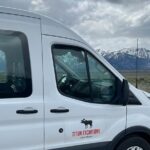
Comfort also shows up in the vehicle itself. Some comments note the van was spotless, and that the guide kept the group’s needs in mind.
For your planning, also remember what the tour does not include: National Park entrance fees. That’s the one “gotcha” I’d flag so it doesn’t surprise you. Many people assumed some kind of ticketing was handled for them. It isn’t. Plan to pay the park entry separately.
Guides make the difference: the naturalist touch in real moments
This safari is run by a professional naturalist guide, and you’ll feel the difference in how stops are handled. Instead of a script that repeats at every pull-off, the guide uses each location as a chance to explain what’s there and why it matters.
Names I saw people mention include Jeff, Abby, Barry, Brolin, Jeremy, Lee, Colin, Irvin, Jordan, Corey, Jed, and Greg. You don’t need to pick a specific guide, but it’s worth knowing the experience is built around real people with real skill.
The best guide moments I’d look for are usually these:
- Clear spotting instructions at first sightings, so you don’t spend half your time guessing where to look.
- Safety-conscious behavior, especially when an animal is close or when everyone is adjusting positions for photos.
- Honest energy. If the morning is quiet, you still get value from the stop talks and the route choices.
One comment that stood out: a guide working closely with others to improve the chances of seeing big game. That kind of teamwork helps you understand how this company operates, even on a short timeline.
Price and value: where the $170 lands
At $170 per person, this tour costs more than a basic scenic bus ride. The value comes from three things you get in one package:
- Small-group guiding (max 8)
- Special viewing equipment (UHD binoculars and scopes)
- Pickup and drop-off from your lodging in Jackson Hole and Teton Village
You’re also getting six guided stops in about four hours, which adds up fast if you’d otherwise spend your time driving around on your own without local spotting skills.
The price does come with one financial item to plan for: National Park entrance fees are not included. So your real total is the tour cost plus park entry for the areas you’ll access. If you want a smooth day, handle that in advance.
Also keep in mind demand. This is commonly booked about 90 days in advance. If you’re traveling in peak season, book early so you’re not stuck with awkward timing.
Picking the right time: morning vs afternoon wildlife safaris
This tour runs with morning and afternoon departures, and the pickup times shift by season.
For May 1 to September 14:
- Morning pickups are roughly 6:30 AM from Teton Village, 6:45 AM from areas like Wilson/Aspens/Amangani/Spring Creek, and 7:00 AM in the Town of Jackson.
- Afternoon pickups are roughly 3:30 PM from Teton Village, 3:45 PM from those other areas, and 4:00 PM in Town of Jackson.
For September 15 to October 31:
- Morning pickups move to around 7:00 AM (Teton Village), 7:15 AM (Wilson/Aspens/Amangani/Spring Creek), and 7:30 AM (Town of Jackson).
- Afternoon pickups move earlier to around 2:30 PM (Teton Village), 2:45 PM (Wilson/Aspens/Amangani/Spring Creek), and 3:00 PM (Town of Jackson).
So how do you choose? If you want the classic wildlife rhythm, morning starts are often appealing. If you’re worn out by midday or you like late-day lighting and the chance of dusk activity, afternoon can feel more relaxed.
Either way, dress for real outdoors time. Even if the tour is planned around viewing pull-offs, you’ll still be outside scanning and waiting.
Pickup logistics: how to make the start painless
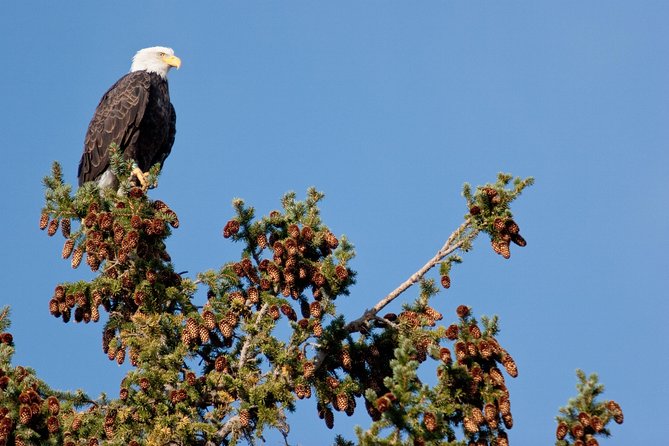
Pickup is offered from hotels, condos, and private residences in Jackson and Teton Village. You’ll be assigned an exact pickup time based on where you’re staying, and the company notifies you ahead of time.
Plan to wait in the lobby or pickup area and allow the guide 5 to 10 minutes to arrive.
If you’re staying outside the pickup area (beyond Jackson or Teton Village), you should expect the operator to contact you with alternatives before approving a reservation. If you can’t meet pickup at the normal locations, booking a private tour is an option with no age minimum.
When to bring kids, and who this tour fits best
The minimum age for the wildlife safaris is 8 years old. That means this can work well for older kids who can sit for the stops, look quietly, and handle the short ride segments.
This is also ideal if:
- You have a limited time window in Jackson Hole and want wildlife viewing plus education.
- You’d rather not drive around trying to guess where animals might be.
- You want a guide to help you read the terrain and use binoculars effectively.
If your group wants long hikes or lots of walking, this isn’t designed for that. It’s built for viewing from pull-offs and short stop windows.
Should you book this Grand Teton wildlife safari?
I’d book it if you want a focused, guided way to see big wildlife in the Grand Teton area without wasting hours driving. The small-group max of 8, the included UHD binoculars and scopes, and the six guided stops make the experience feel efficient. You also get real comfort basics like water, snacks, and light breakfast on morning departures.
I’d think twice if you’re hoping for a guaranteed animal list. This is wildlife watching, not a zoo schedule. Also, budget for National Park entrance fees, because that cost is on you.
If you’re the type who loves getting your eyes ready before the first sighting, and you enjoy learning while you watch, this safari is a strong match.
FAQ
How long is the Half-Day Wildlife Safari in Grand Teton?
The tour runs for about 4 hours.
Where is pickup and drop-off offered?
Pickup and drop-off are offered from lodging throughout Jackson and Teton Village. Your exact pickup time depends on where you’re staying, and you should notify the operator of your lodging location when booking.
Are National Park entrance fees included?
No. National Park entrance fees are not included.
What wildlife might I see on this tour?
The safari is designed for photo opportunities with bison and pronghorn herds, and it also aims to see bears and moose. Exact sightings are never guaranteed.
What’s included with the tour price?
You get bottled water, snacks, UHD binoculars and spotting scopes, use of the binoculars, a professional naturalist guide, a small group tour (max 8 guests per vehicle), hotel pickup and drop-off, and a light breakfast for morning trips.
Is there an age minimum?
Yes. The minimum age is 8 years old for wildlife safaris. Private safaris have no age minimum.