REVIEW · JACKSON
Grand Teton National Park – Sunset Guided Tour from Jackson Hole
Book on Viator →Operated by Yellowstone Day Tours · Bookable on Viator
Sunset in the Tetons hits different. This guided loop out of Jackson Hole mixes wildlife watching with big-time scenery from Grand Teton viewpoints to Jenny Lake and Mormon Row.
I especially liked the easy hotel pickup and drop-off, which means you can spend your energy looking for animals instead of parking and driving. I also loved that you get binoculars for the best viewing spots, so even distant sightings feel close-up.
One thing to keep your expectations grounded: wildlife sightings are never guaranteed, and the tour includes some classic photo/history stops where the focus is more on the place than animals.
In This Review
- Key highlights to look forward to
- Sunset Timing in Grand Teton: Why This 4 to 5 Hours Works
- Price and Value at $189: What’s Included, What’s Not
- Jackson Hole Pickup: The Easiest Way to Start Your Evening
- Wildlife-First Driving: Oxbow Bend and the Search Moves That Pay Off
- Grand Teton Range First: Big Peaks, No Foothills, and That First Wow
- Jenny Lake Overlook and Jackson Lake: Water Stops With Real Photo Payoff
- Mormon Row Historic District: Barns, History, and a Break in the Search
- Dinner Included: Real Food Before the Dusk Drive
- Binoculars, Timing, and Expectation Management
- Guides I’d Watch For: Sierra, Dan, Katie, Sam, and More
- Who Should Book This Sunset Tour
- Should You Book This Sunset Guided Tour?
- FAQ
- How long is the Grand Teton sunset tour?
- What time does the tour start and where does it meet?
- Is hotel pickup included?
- What’s included in the tour price?
- Are park entrance fees included for non-US residents?
- Is dinner included, and what choices are available?
- What’s the minimum age and group size?
Key highlights to look forward to
- Small group size (max 10): easier conversation and more time stopped where it counts
- Binoculars included: especially helpful at Oxbow Bend and other pull-offs
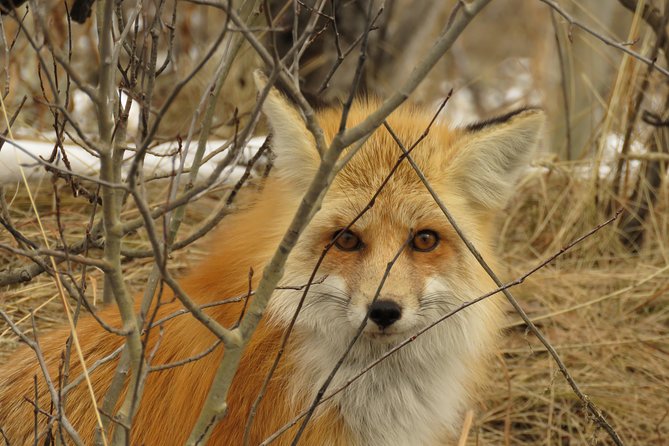
- Wildlife variety at dusk: your guide looks for elk, bison, pronghorn, foxes, coyotes, birds of prey, and bears
- Real Tetons viewpoints: Grand Teton, Jenny Lake Overlook, and Jackson Lake during golden-hour light
- Mormon Row barns: iconic early-1900s structures for photos between wildlife stops
- Dinner included: a turkey, ham, roast beef, or veggie sandwich (with gluten-free bread available)
Sunset Timing in Grand Teton: Why This 4 to 5 Hours Works
This tour starts in the late afternoon, which is exactly when the Tetons feel cinematic. The light slides across the mountain face, animals tend to move more, and the whole park shifts into that calm, expectant mood you only get near dusk.
You’re not stuck on one single viewpoint. The pace is designed for constant repositioning—because wildlife doesn’t hold still, and neither should your plans. The guide’s job is to translate the park into practical “where to look next” moves, so you get more chances in a shorter window.
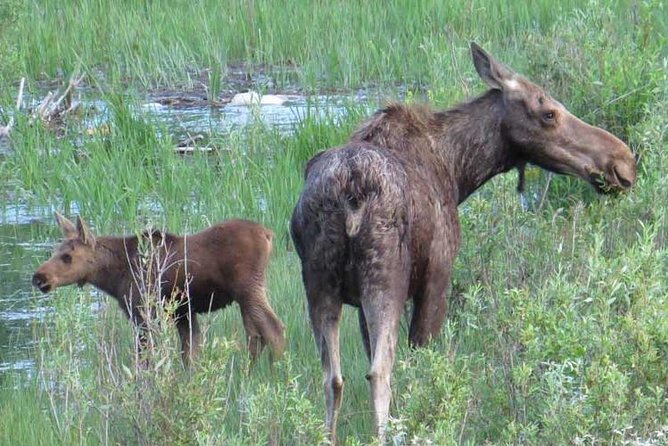
Also, sunset isn’t just about looks. Late-day activity can mean different behavior from earlier in the day—elk bugling, birds settling in near water, and bigger mammals showing up near creeks and open edges. You can’t bank on any one moment, but the timing does help.
You can also read our reviews of more tours and experiences in Jackson.
Price and Value at $189: What’s Included, What’s Not
At $189 per person, this tour sits in the mid-to-high range for the area. What makes it feel more reasonable is what’s wrapped into the price: a guide, hotel pickup and drop-off in Jackson Hole, national park fees, binocular use, and dinner.
That bundled structure matters when you’re traveling without a car. Getting into Grand Teton National Park is part of the cost here, and paying entrance fees plus arranging a car on your own can erase the “cheap by comparison” feeling fast.
Two cost gotchas to flag:
- Gratuity is not included (they commonly suggest 15–20%).
- If you’re a non-US resident, there’s a park fee listed as $100 per person, per Park.
If you’re a US resident and you’re already planning to spend a full evening in the Tetons, this can be a clean, simple way to buy time, guidance, and access to the right pull-offs—without the stress of figuring it out yourself.
Jackson Hole Pickup: The Easiest Way to Start Your Evening
This tour is built around convenience. Pickup is offered from the town of Jackson, and you’ll also have drop-off after the tour ends back at the meeting point.
If you aren’t staying in the Town of Jackson, you’ll meet at 250 N Cache St Parking (Jackson, WY 83001). Plan to arrive early—being late can cost you the tour entirely. The guidance is clear: be ready about 5 minutes before the confirmed departure time, because the vehicle won’t wait.
Group size matters too. With a maximum of 10 travelers, it feels more manageable than the big bus vibe. You should be able to ask questions, and your guide can adjust stops without constantly herding a crowd.
Wildlife-First Driving: Oxbow Bend and the Search Moves That Pay Off
The heart of this tour is the wildlife watching. Your guide steers you toward areas where animals are likely to show up during the evening hours, and you’ll also get commentary explaining what you’re seeing and why those animals hang around there.
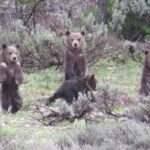
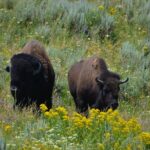
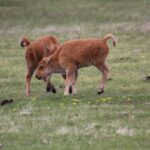
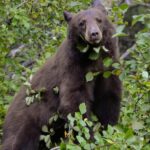
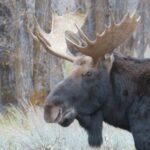
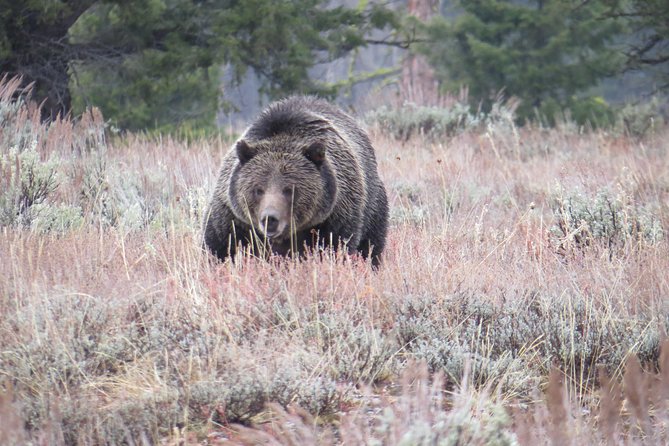
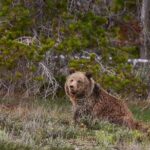
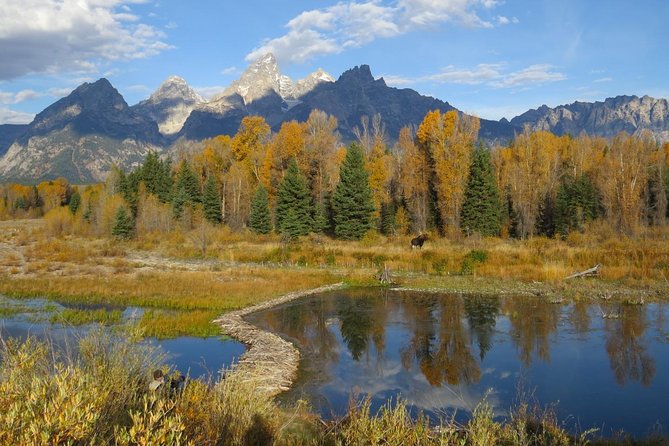
You can expect the guide to look for a wide range of species, including birds and mammals like osprey, eagles, foxes, coyotes, pronghorn, bison, deer, elk, black bears, and grizzly bears. That doesn’t mean you’ll see all of them—wildlife is unpredictable—but it does mean you’re not just driving for the view and hoping for the best.
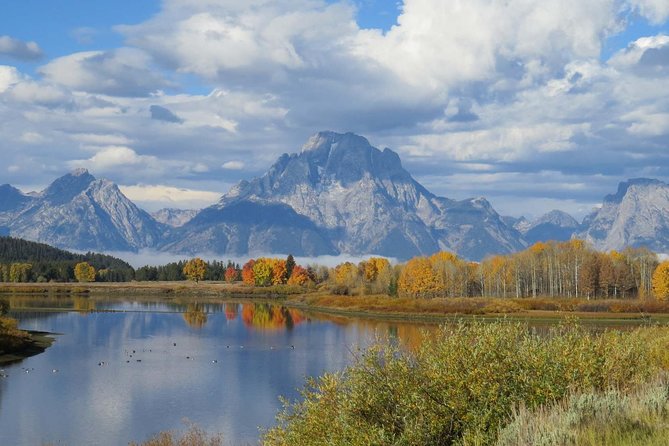
The standout viewing stop is Oxbow Bend. This is where the Snake River forms a bend, and the still water can reflect the Tetons. It’s also a place where wildlife often connects to the waterline. You’ll have a chance to use the provided binoculars at the viewpoint and other lookouts during the drive.
Along the route, your guide may also target habitats like:
- Moose Wilson Rd, where creek areas create good conditions for sightings
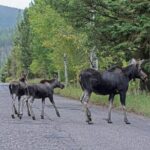
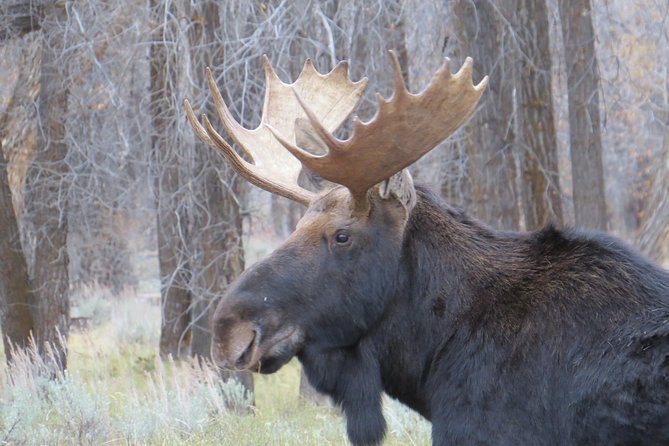
- Gros Ventre Wilderness driving, where you might spot moose, pronghorn, or bison against the mountain background
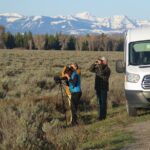
If you’ve ever watched animals from far away and felt frustrated, binocular access changes the game. Even when you can’t get close (and you usually can’t in the park), binoculars help you turn a “maybe that’s an animal” glance into a real sighting.
Grand Teton Range First: Big Peaks, No Foothills, and That First Wow
The tour’s early part leans into the dramatic geology of the Tetons. You’ll spend time looking at the Teton Mountain Range, the rugged peaks that rise straight up from the Jackson Hole valley with no gentle foothills between.
This is a smart warm-up for wildlife watching. When you understand the terrain—valleys, water edges, and open ridgelines—you’re more likely to spot where animals would naturally move and feed. It also sets the mood for the rest of the evening.
If you’re the kind of traveler who wants both animals and meaning, this section helps. A good guide will connect the mountain story to the wildlife story: how water and shelter shape what you see at dusk.
Jenny Lake Overlook and Jackson Lake: Water Stops With Real Photo Payoff
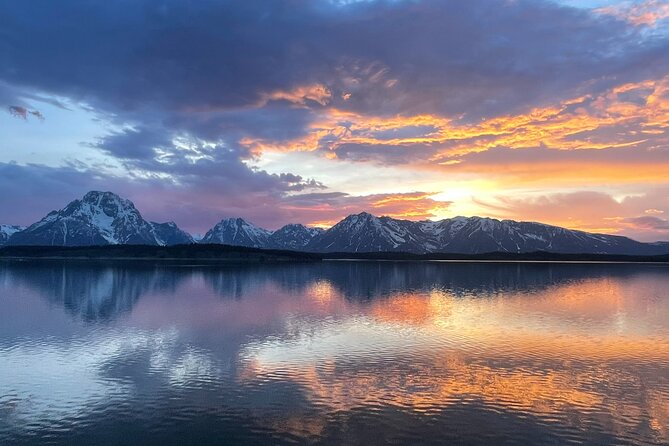
Two of the most scenic water moments are built into the tour:
- Jenny Lake Overlook: a glacial moraine feature at the base of the Tetons, named after a Shoshone Indian woman
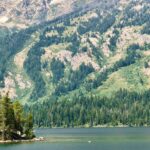
- Jackson Lake: a larger lake fed by the Snake River, sitting at the base of the Tetons and used by boaters, fishermen, paddlers, and campers
These stops are usually short, so you’ll want to move quickly from car-to-view, then slow down once you’re there. The time is meant for photos and quick wildlife scanning, not for long hikes.
What I like about these lakes as part of a wildlife tour is the way they act like magnets for birds and sometimes bigger mammals. Even if you don’t see a major mammal, you can still walk away with something: reflections, birds, and that classic Tetons feel where the water makes the mountains look twice as close.
Mormon Row Historic District: Barns, History, and a Break in the Search
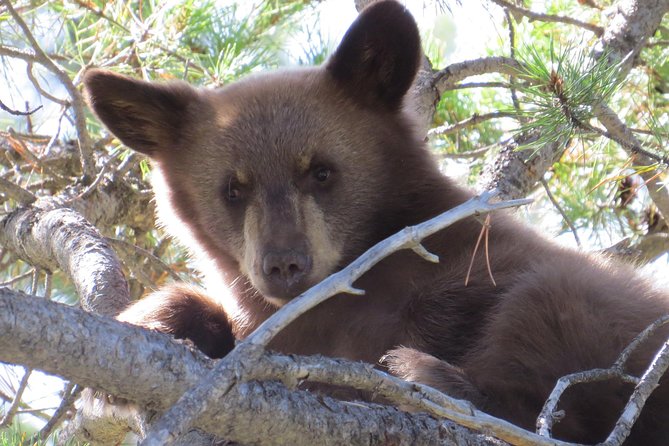
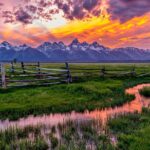
Between wildlife targets, you stop at the Mormon Row Historic District, home to the iconic Moulton barns and other original structures from early-1900s Mormon homesteading.
This stop works for two reasons. First, it gives your eyes a rest from scanning for movement. Second, it’s a great context moment: the Tetons aren’t only wilderness—they also shaped human history in the valley.
It’s also one of the best places to get that postcard shot without rushing. With a short time window, you’ll need to be ready to photograph quickly, but the structures themselves are so recognizable that you’ll know you’ve nailed the moment.
Dinner Included: Real Food Before the Dusk Drive
You get dinner as part of the tour: turkey, ham, roast beef, or a veggie sandwich, served on wheat bread with gluten-free bread available. If you have dietary needs, you’ll want to enter your sandwich choice and bread preference in the special requirements box when you book.
This is more important than it sounds. Late afternoon tours in the Tetons can stretch your energy, and having a planned meal means you’re not hunting down food mid-trip. You’ll be happier during the last stretch of driving and scanning when you’re not running on snacks.
A small practical thought: pack a water bottle if you tend to get thirsty outdoors, and wear warm layers because the evening can cool down fast once you’re out in open pull-offs.
Binoculars, Timing, and Expectation Management
This is a guided wildlife outing, not a guaranteed parade of animals. The best mindset is: give your guide the chance to find sightings, and enjoy the process of learning the park as you go.
The binoculars help you enjoy that process. At Oxbow Bend and other lookouts, the ability to scan from a distance can turn missed moments into real discoveries—like seeing the shape of a bird on the water, or confirming whether that moving point is a pronghorn or something else.
Also, use the time efficiently. When the guide stops, it usually means they’ve found a good reason. Swap your camera settings quickly, grab binoculars, and give your eyes a minute to adjust. The longer you stare, the more details you’ll pull from a far-off animal.
On the safety side, your guide provides reminders for viewing wildlife responsibly. Follow their lead on where to stand and how to approach animal sightings from a distance—this keeps the tour enjoyable for everyone and protects the animals too.
Guides I’d Watch For: Sierra, Dan, Katie, Sam, and More
The guide can make a big difference in how much you get out of this tour. Based on recent experiences, some departures are led by guides like Sierra, Dan, Katie, Sam, Chris, Kate, Clara, Ben, and Nevaeh.
What stands out with these guides is a mix of skills:
- spotting ability for wildlife
- clear explanations about the park and animal behavior
- storytelling that connects geology, history, and why animals show up where they do
- practical photo help, in at least some cases
For example, when you’re with a guide who knows the area like Dan, you’re more likely to get both sightings and helpful context while you’re waiting. And when you’re with a guide who brings a strong eye for framing, you’ll often feel like every stop has a purpose beyond just parking and hoping.
If you have a specific goal—like moose or bears—this is where you can lean in. Ask your guide what to look for at each stop and what timing they’re watching for.
Who Should Book This Sunset Tour
This tour is a great fit if you want:
- guided wildlife watching without renting a car
- a mix of iconic stops (Tetons views, lakes, and Mormon Row)
- small-group attention and binocular support
- a one-evening introduction to Grand Teton and Jackson Hole
It also fits families with kids, with a minimum age of 6 years. If you’re traveling with younger children, private tours are listed as an option for kids age 5 and under.
You might consider a different plan if you’re the type who needs a guaranteed animal sighting. Sunset wildlife is luck-driven in part, and even a strong guide can’t control what the animals choose to do.
Should You Book This Sunset Guided Tour?
I’d book it if you want a smooth, guided Grand Teton evening where you don’t have to figure out routes, parking, or the best viewpoints on your own. For $189, the value is strongest when you count the included park fees, dinner, and the fact that you’re getting binocular-guided wildlife watching from a guide who’s actively scanning.
I’d be a little cautious if animal sightings are your only metric for a perfect night. The tour does include scenic and historic stops, and some evenings can feel lighter on mammals depending on conditions.
If your goal is a great Tetons introduction plus multiple chances for wildlife, this is one of the easier ways to do it from Jackson Hole.
FAQ
How long is the Grand Teton sunset tour?
It runs about 4 to 5 hours, starting in the late afternoon and returning to the meeting point afterward.
What time does the tour start and where does it meet?
The start time listed is 4:00 pm. The meeting point is 250 N Cache St Parking in Jackson, WY.
Is hotel pickup included?
Pickup and drop-off are included for the town of Jackson. If you’re not staying in the town, you’ll meet at 250 N Cache St Parking.
What’s included in the tour price?
Included are the guide, national park fees, hotel pickup/drop-off, use of binoculars, and dinner (sandwich options with gluten-free bread available).
Are park entrance fees included for non-US residents?
National park fees are included, but the data states there is an extra park fee for non-US residents of $100 per person, per Park.
Is dinner included, and what choices are available?
Yes. Dinner is included as a turkey, ham, roast beef, or veggie sandwich on wheat, with gluten-free bread available if requested during booking.
What’s the minimum age and group size?
The minimum age is 6 years. The tour lists a maximum group size of 10 travelers.