REVIEW · WASGAMUWA NATIONAL PARK
Wasgamuwa National Park Safari
Book on Viator →Operated by Lakpura LLC · Bookable on Viator
Wasgamuwa’s wildlife feels surprisingly close. This private Jeep safari takes you into a quieter slice of Sri Lanka’s wilderness, with a driver/guide helping you track animals and spot birds, reptiles, and butterflies along the way.
I like the small-group setup: you ride in a Jeep with your group of up to six, so you’re not stuck watching through other people’s shoulders. I also like the focus on real field learning, not just a drive-by, with your guide pointing out what’s around you as you go.
One thing to think about: pickup is only offered from places within 5 km of the park gate, and entrance fees depend on which ticket option you choose. If you’re farther out, you’ll need to reach the gate on your own.
In This Review
- Key highlights you’ll actually feel on the safari
- Wasgamuwa National Park safari: what makes this ride worth it
- The Jeep setup: small group, 4WD game vehicle, and a real tracker
- Timing that matches animal behavior: morning vs evening vs full day
- Starting at the gate: how pickup works and why 5 km matters
- What you’ll do inside the park: spotting elephants, birds, reptiles, and more
- The “learning stops” you’ll notice along the drive
- Ticket choice: when entrance fees are included (and when they aren’t)
- Group comfort and what to bring
- How the guide experience affects your results
- What can go wrong: the quiet stretches on longer safaris
- Price and value: what you’re really paying for
- Who should book this safari?
- Should you book Wasgamuwa National Park Safari?
- FAQ
- What time does pickup happen for the morning safari?
- What time does pickup happen for the evening safari?
- Is hotel pickup included?
- How many people are in each Jeep?
- What wildlife can I expect to see?
- Are park entrance tickets included?
- Is the safari vehicle 4WD?
- How long is the experience?
- What’s included in the price besides the Jeep ride?
Key highlights you’ll actually feel on the safari
- Uncrowded park experience: Wasgamuwa is known for fewer visitors, so the safari feels calmer.
- Private guide in a 4WD Jeep: up to six people per vehicle, with your driver also acting as a tracker.
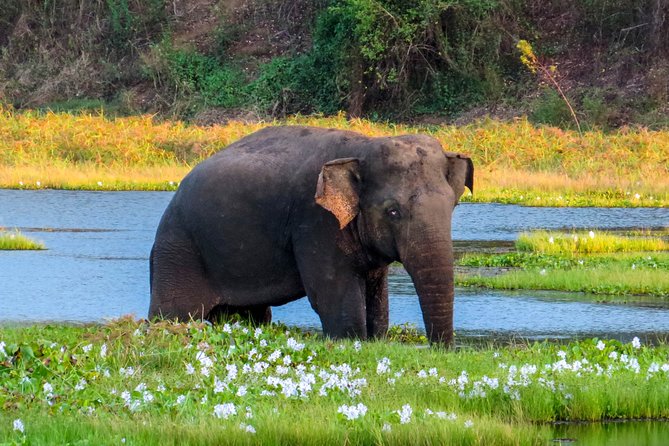
- Wildlife variety, not just elephants: elephants, water buffalos, birds (including painted storks), reptiles, and 50+ butterfly species.
- Two prime timing windows: morning pickup at 5:30 a.m. (finishes 8:30 a.m.) or evening pickup at 2:30 p.m. (finishes 5:30 p.m.).
- You can add entrance tickets: the tour can include park admission when you select Jeep with tickets.
- A bit of culture in the mix: the route can include ruins from the ancient kings who once ruled the area.
Wasgamuwa National Park safari: what makes this ride worth it
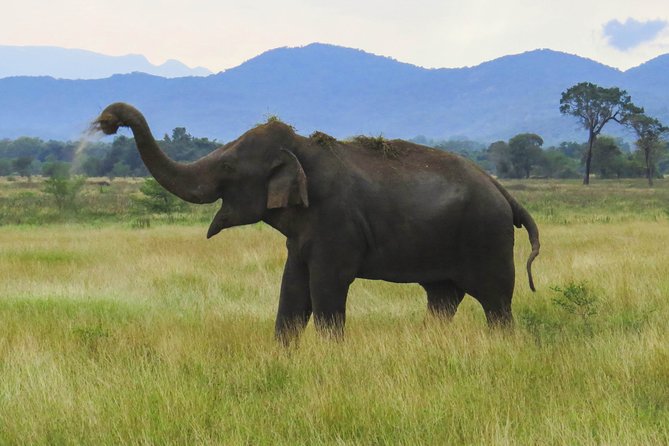
Wasgamuwa National Park is not one of Sri Lanka’s busiest wildlife stops. That matters. When fewer people are in the park, you tend to get a more natural pace—less time waiting, fewer drives that feel like a traffic jam, and more chance to notice smaller animals and bird activity between the bigger sightings.
This safari is built around that idea: a private Jeep ride with an experienced driver/tracker, plus a guide to help you see more than you’d spot alone. If you like wildlife watching with context—why something is where it is, what to look for next—this kind of guided route is the difference between a decent sighting and a “wow, I get it now” moment.
The Jeep setup: small group, 4WD game vehicle, and a real tracker
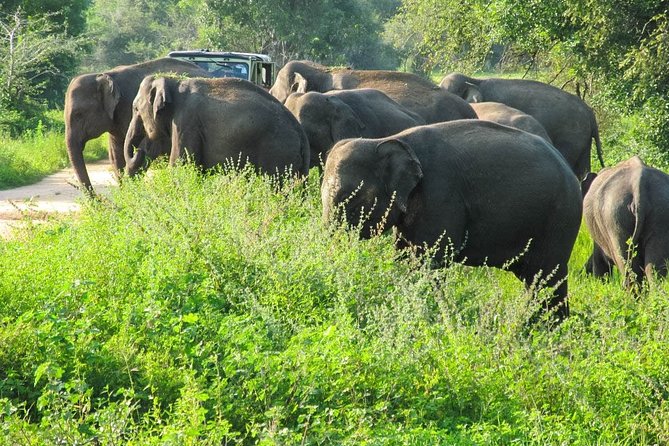
You’ll go in a 4WD game vehicle, which is key in a park where tracks can be uneven and the ground can change fast. The vehicle choice isn’t just comfort—it affects where the driver can take you when animals move or when the light shifts.
Your driver also functions as a tracker, and that’s a huge practical advantage. You’re paying for their ability to read the landscape: animal movement patterns, likely feeding areas, and where birdlife tends to cluster. Even if you’re not fluent in local wildlife terms, the guide translates the signals into simple spotting directions.
Also, because the tour is private to your group (maximum six passengers per Jeep), the guide can slow down and reposition for angles. In the real world, that means you’re more likely to get clear views for photos and for watching behavior, not just a quick glimpse.
Timing that matches animal behavior: morning vs evening vs full day
This is one of those tours where timing can change the entire feel.
- Morning tour: pickup at 5:30 a.m., safari finishes 8:30 a.m.
- Evening tour: pickup at 2:30 p.m., safari finishes 5:30 p.m.
- Full-day option: pickup at 5:30 a.m. and ends 5:30 p.m.
Why this matters: early hours often bring more active movement and easier wildlife spotting, especially for animals that feed or travel in the cooler light. Evenings can be great too, when animals become more visible again as temperatures ease.
If you’re deciding what to book, I’d choose based on your stamina and your tolerance for downtime in the middle of a long drive. A longer day gives more chances, but longer drives also mean more time spent waiting for animals to show up. One of the trade-offs you can run into on longer safaris is that after initial excitement, some stretches can feel quieter than the first part.
Starting at the gate: how pickup works and why 5 km matters
The safari experience starts before you ever see the park.
If you’re staying within 5 km (3 miles) of the Wasgamuwa National Park entrance gate, the tour includes free hotel pickup and drop-off. That’s a convenience boost, especially when you’re doing an early start.
If your accommodation is farther than that, pickup isn’t available. In that case, you’ll need to make your own way to the gate for your chosen pickup window.
My practical advice: map your hotel to the gate before you book. Not because it’ll be impossible, but because the difference between a smooth morning and a stressful rush is often just a few kilometers.
What you’ll do inside the park: spotting elephants, birds, reptiles, and more
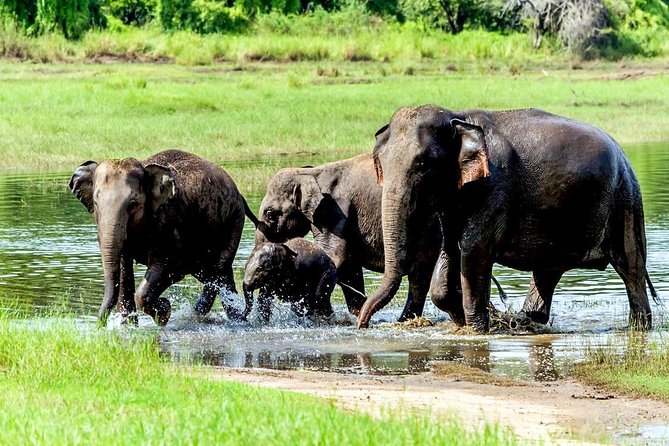
Once you’re in the park, your guide keeps the ride purposeful. The goal isn’t only to see animals—it’s to notice what they’re doing and what else is happening around them.
Here are the main wildlife categories the tour is set up for:
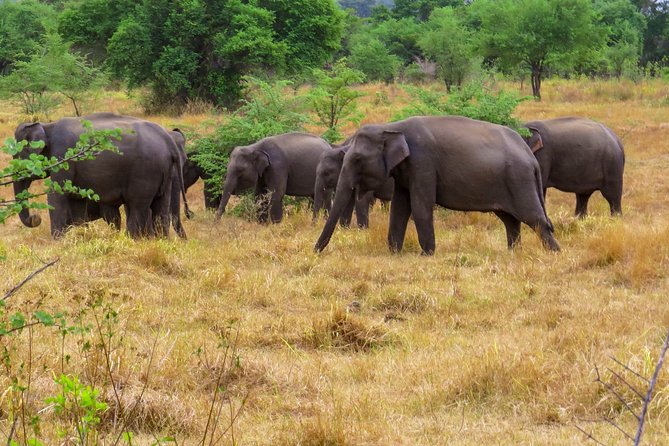
- Sri Lankan elephants (the big target)
- Water buffalos
- Monkeys
- Crocodiles and other reptiles
- Native birds, including painted storks
- Butterflies (the park is noted for 50+ species)
- Plants and herbs you can recognize once someone points them out
What I like about this approach is that it doesn’t treat wildlife like a checklist. A good guide will help you read the environment: where birds feed, what reptiles do at different times, and why some spots become hot for wildlife watching.
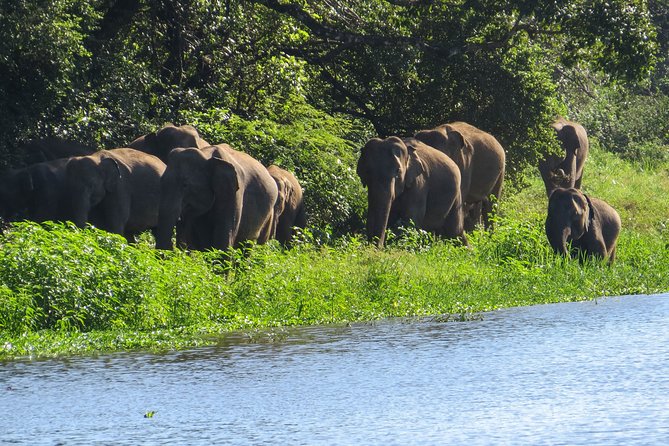
And yes, elephant viewing can be dramatic here. In one set of experiences from past travelers, elephants were seen in large numbers and at very close range. That doesn’t mean every ride will be the same, but it does suggest Wasgamuwa can deliver some memorable proximity when conditions line up.
The “learning stops” you’ll notice along the drive
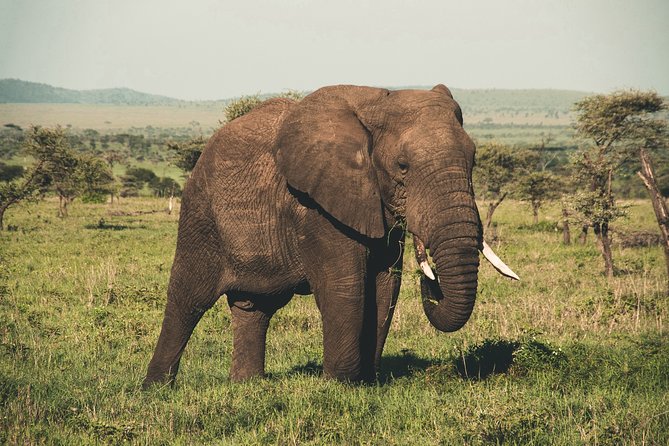
This safari isn’t just about animals on the road. The guide also points out the park’s smaller signals.
You should expect:
- Local plants and herbs identified as you pass them
- Birdwatching opportunities that build as you learn what species look like in the field
- Possible views of ruins left by ancient kings who ruled the area
That cultural layer adds texture. It keeps the safari from turning into a pure wildlife chase. If you’re the type who likes understanding a place beyond the main attraction, these little “what you’re seeing” moments make the drive feel longer in a good way.
Ticket choice: when entrance fees are included (and when they aren’t)
The pricing structure has a key decision point: whether you select Jeep with tickets or Jeep with no tickets.
- When you choose Jeep with tickets, the park entrance fee is included.
- When you choose Jeep with no tickets, the entrance fee is excluded.
So even if the base price looks simple, the total you pay depends on the option you choose. Also note the tour is listed as around $33 per person, while another price reference of $25 per person applies to the no-tickets selection. To avoid surprises, confirm what’s covered under your option before you finalize.
One more practical detail: this is described as having a mobile ticket option. That’s usually easier than carrying printed documents, especially for early pickups.
Group comfort and what to bring
This is a safari in a vehicle, not a walking tour, but it still requires you to be ready for uneven motion. The tour notes moderate physical fitness is recommended, and that usually means you should expect:
- bumpy rides
- time seated in place while animals are spotted
- getting in and out of the Jeep at the start and end
What to bring:
- Sun protection and light layers (early morning and late afternoon can swing from cool to warm)
- A camera lens or phone with enough storage
- Water is provided: a water bottle per person is included
- If you’re sensitive to heat, pack a small fan or cooling towel—safari rides can be sunny even when mornings feel mild
How the guide experience affects your results
Your guide is the multiplier here. You’ll see why quickly: animals aren’t always obvious, and behavior can be subtle—especially birds and reptiles.
In past experiences, people liked guides who:
- stopped often so they could see wildlife from different angles
- actively helped find animals that might otherwise be missed
- used tools to explain what you’re looking at when language is limited
That last point is worth your attention. If you don’t share a common language with the guide, expect some explanation to rely on simple visuals or a guide app. That doesn’t ruin the safari—it just means you’ll get the most out of it if you keep your expectations flexible and stay focused on what you can see in front of you.
What can go wrong: the quiet stretches on longer safaris
A safari is wildlife math: you can’t control animal movement, and sometimes you get a slow stretch.
Even when animals are present, not every hour produces something new. Some longer formats have been described as feeling underwhelming after the first part—like the early sightings were great, and then the rest of the day became more repetitive or quiet.
So here’s the honest planning mindset:
- If you want maximum odds and your schedule allows it, longer tours give more chances.
- If you hate waiting, the shorter morning or evening windows can feel better because the ride is more concentrated.
Price and value: what you’re really paying for
At around $33 per person (and potentially $25 per person depending on the ticket option), this safari can be good value because so much is included:
- Private Jeep for up to six passengers
- Driver/tracker
- Free pickup/drop-off within 5 km of the gate
- All taxes and service charges
- Water bottle per person
- Park admission when you select Jeep with tickets
The main cost-related variable is entrance ticket inclusion and your distance from the gate. If pickup doesn’t apply to your hotel, your total trip cost may rise just from getting yourself to the meeting point.
One more note: the tour is described as private and priced as per vehicle in some details. In practice, that can mean better value if you’re traveling with friends and can fill seats. If you’re solo, the experience still works—it just may feel pricier compared with a shared group Jeep.
Who should book this safari?
This is a strong match if you:
- want a less crowded national park experience
- care about wildlife spotting with a guide who knows how to track
- prefer a private setup over a big group safari
- like birds, reptiles, and butterflies as much as elephants
- are early-bird enough for a 5:30 a.m. start, or can handle the afternoon timing
It’s also a decent option if you’re flexible about language and explanation style, since some guide communication may lean on visuals and simple tools.
Should you book Wasgamuwa National Park Safari?
Yes, with a few smart checks.
Book it if you want a quieter wildlife day, value a small-group 4WD Jeep setup, and you’ll enjoy watching birds and reptiles—not only chasing elephants. The park’s reputation for fewer visitors and the guide-driven spotting focus are the reasons this tends to work well.
Don’t book it (or switch to a shorter format) if you strongly dislike downtime on longer drives. Since animals set the pace, there’s always a chance part of the safari will feel less eventful than the opening stretch.
Finally, confirm two things before you pay: whether your hotel is within the 5 km pickup radius, and whether you’ve selected Jeep with tickets so entrance fees are covered. Those two details decide whether this feels smooth and cost-effective—or a bit annoying.
FAQ
What time does pickup happen for the morning safari?
Pickup is at 5:30 a.m. for the morning safari, and the safari finishes at 8:30 a.m.
What time does pickup happen for the evening safari?
Pickup is at 2:30 p.m. for the evening safari, and it finishes at 5:30 p.m.
Is hotel pickup included?
Hotel pickup and drop-off are included for locations within a 5 km (3 miles) radius of the park entrance gate. If you’re farther away, pickup isn’t available.
How many people are in each Jeep?
Each private Jeep carries a maximum of six passengers.
What wildlife can I expect to see?
The safari is set up for spotting elephants, monkeys, water buffalos, crocodiles and other reptiles, birds such as painted storks, and butterflies.
Are park entrance tickets included?
They’re included when you choose Jeep with tickets. If you choose Jeep with no tickets, the entrance fee is not included.
Is the safari vehicle 4WD?
Yes, you travel in a multi-terrain 4WD game vehicle.
How long is the experience?
The safari duration is listed as about 3 hours, with morning and evening options finishing at 8:30 a.m. and 5:30 p.m. Full-day options also finish at 5:30 p.m.
What’s included in the price besides the Jeep ride?
The included items are the private Jeep, an experienced driver/tracker, taxes and service charges, and a water bottle per person. Meals are not included.