REVIEW · HONOLULU
Hawaii Volcanoes National Park Experience From the Big Island
Book on Viator →Operated by Aloha Sunshine Tours · Bookable on Viator
Black sand and active volcanoes in one long day.
This one-day Big Island loop is built around Hawai‘i Volcanoes National Park, with a local guide narrating the geology and the people behind it. You also get quick stops for Kona coffee, Hawaiian sweet bread, and Punalu‘u’s black-sand beach.
What I like most is that Volcanoes National Park admission is included, so you don’t waste time checking ticket desks while the day slips by. I also appreciate the round-trip transfers and the smallish group size (max 22), plus snacks along the way and a lunch stop at Punalu‘u Bake Shop that gives you real choices.
One thing to watch: the schedule is tight. You’ll spend about 2 hours in the park, so if you’re hoping for long walks and lots of wandering time, you may feel the day is structured.
In This Review
- Key reasons this route works
- From Kona coffee to black sand turtles: the day’s flow
- Hawai‘i Volcanoes National Park: what you’ll realistically see
- The Mauna Kea access road drive you won’t forget
- Kohala Coast: quick scenic credit, not a beach day
- Hilo highlights: culture stops with a time-and-distance reality
- Guide narration and small-group comfort
- Lunch at Punalu‘u Bake Shop: plan for paid meals
- Price and value: is $139 a good deal?
- Logistics: what to pack and how to stay comfortable
- Who should book this tour?
- Final call: should you book this from Kona?
- FAQ
- How long is the tour?
- What’s included in the price?
- Are meals included?
- Where do I meet if I’m flying into Kona International Airport?
- What are the main stops on the route?
- Will I see sea turtles at Punalu‘u Black Sand Beach?
- What should I bring for the volcano park and high elevations?
- What’s the cancellation policy if weather changes?
Key reasons this route works
- Volcanoes admission included so you’re paying for access, not just transportation
- Punalu‘u Bake Shop lunch break where you can grab a plate lunch or sweet bread treats (meals cost extra)
- A focused Volcanoes National Park plan: crater views, rainforest lookout, lava tube, and steam vents
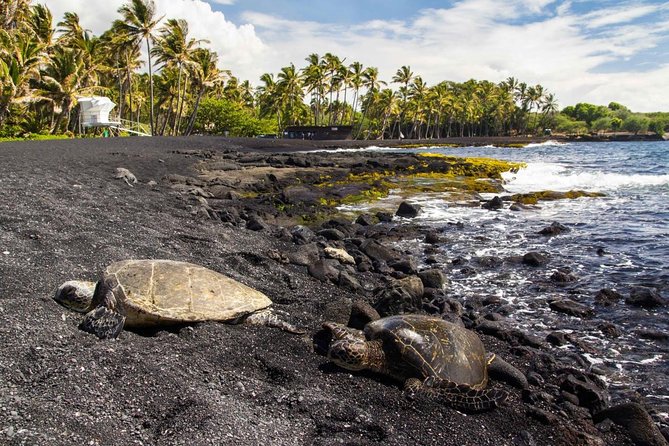
- Punalu‘u black sand beach chance for sea turtles—a quick stop with big payoff
- Scenic drives through Mauna Kea access road and Kohala Coast for climate and scenery variety
- Small group max 22 with narration from a local guide during the drive time
From Kona coffee to black sand turtles: the day’s flow
The tour starts early, around 8:00 am, and it runs roughly 8 to 10 hours. You’ll be in an air-conditioned vehicle, and pickup and drop-off are included (you’ll meet at a specific Kona Airport pickup lot only if you’re flying in there). This matters because the Big Island is spread out. A tight, scheduled route is a practical way to see a lot without renting a car for a single day.
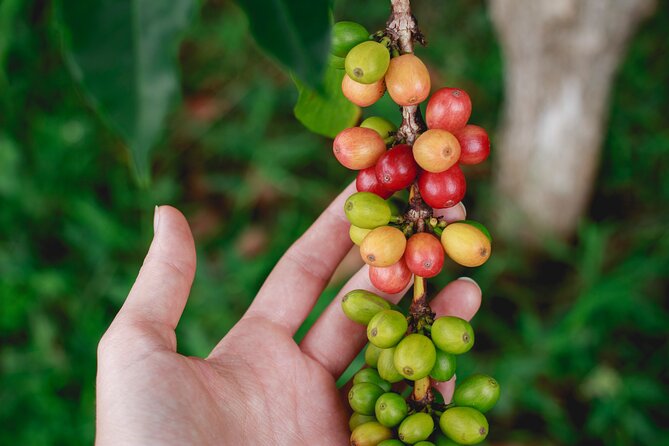
The first stop sets the tone with Greenwell Farms, one of Hawaii’s oldest Kona coffee producers (it dates back to 1850). You’re on the slopes of Mauna Loa, where the combination of sunny mornings and wetter afternoons helps coffee stay consistent. The time here is short, so think of it as a story-and-sampling stop rather than a full farm tour.
Next comes Manuka State Wayside Park, a calm 13-acre stretch along the Hawai‘i Belt Road (Highway 11). This stop is mainly for a slow reset: a 2-mile Manuka Nature Trail through wet and dry forest mix, plus interpretive signs about geology and ecology. It’s also where you might spot native birds and plants, including endemic species mentioned for the area. If you like nature that doesn’t feel like a theme park, you’ll likely appreciate this break from the highway.
Then the day leans hard into food (because, yes, you’re on vacation). At Punalu‘u Bake Shop, you’re at the southernmost bakery in the U.S. You’ll find Hawaiian sweet bread flavors like taro, guava, and mango, and there’s also a garden and gift shop. The tour later uses this location as the lunch stop, so you’re not just stretching your legs—you’re setting up your meal plan.
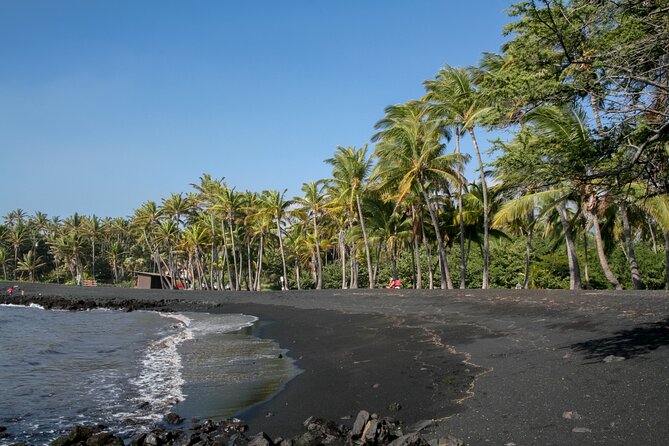
After that, it’s over to Punalu‘u Black Sand Beach. This is a classic Big Island moment: black sand underfoot and a chance to see native green sea turtles. The key word is chance. You’re not guaranteed a turtle sighting, but the setting is exactly why people make the drive.
You can also read our reviews of more tours and experiences in Honolulu.
Hawai‘i Volcanoes National Park: what you’ll realistically see
The main event is Hawai‘i Volcanoes National Park, where you typically get about 2 hours. That’s enough to get your bearings and hit a set of high-value stops—if you’re organized and your expectations are right.
Here’s the park flow you should plan around:
- You’ll start at the visitor center, where you learn the basics of the park’s geology and history.
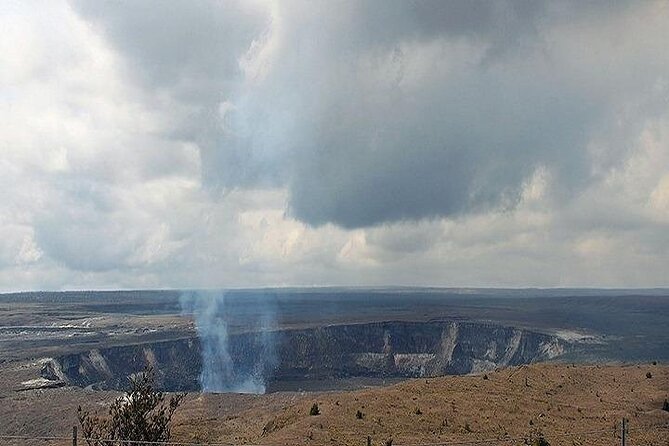
- At Halema‘uma‘u Crater, you’re aiming for the sort of dramatic volcanic activity people travel for. Depending on conditions, you may see a glow or other signs of heat and activity.
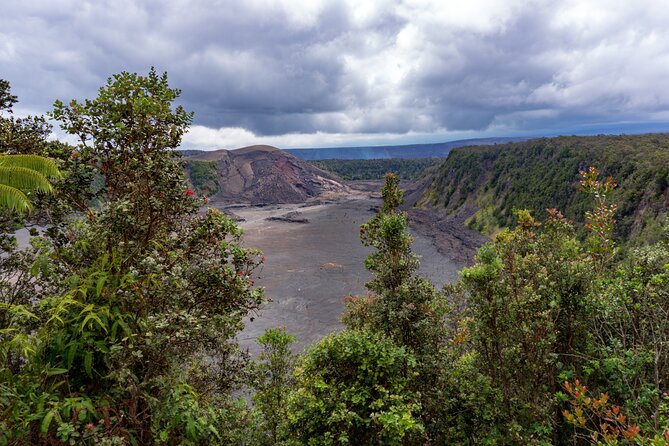
- You’ll head to the Kīlauea Iki Rainforest Lookout, which flips the mood from stark volcanic ground to lush-looking contrast around a crater.
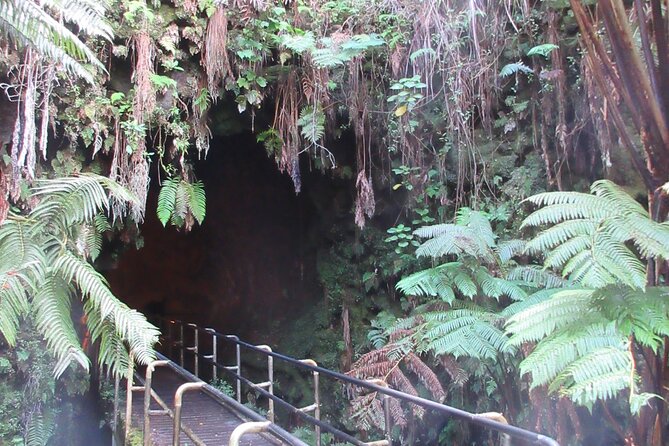
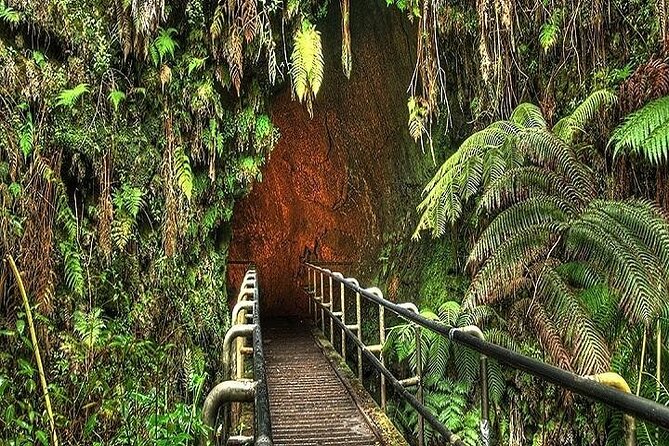
- Next comes the Thurston Lava Tube, a tunnel formed by flowing lava—one of those places where you feel how the island “moved” in the past.
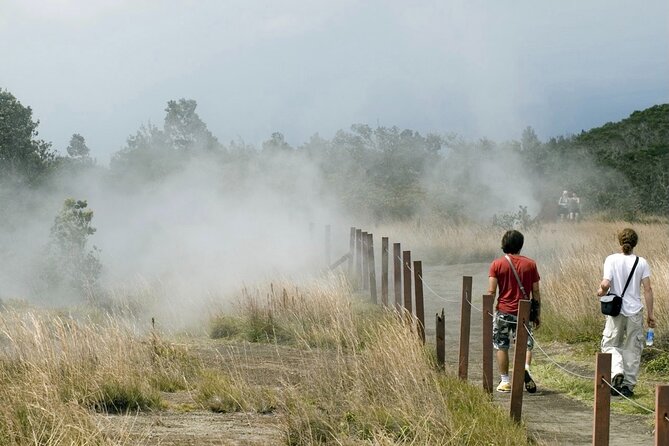
- Finally, you’ll visit active steam vents, where you can literally feel geothermal heat rising from the ground.
One practical note: the park is an active volcanic area, so you’ll want to take safety seriously. Volcanic gases can be an issue (especially sulfur dioxide), and the company specifically flags that people with respiratory problems should be cautious. If you have asthma or similar conditions, don’t treat this as a casual stop—follow the posted guidance and consider asking your doctor if it’s a safe day for you.
Also, plan for limited cell service once you’re in the park. Download what you can ahead of time. The day is paced for efficiency, and you don’t want to burn energy hunting for signal.
The Mauna Kea access road drive you won’t forget
After the park, the tour includes a stop along Mauna Kea Access Road, the steep winding route that leads up toward the summit area. Even if you’re not spending hours here, it’s one of those experiences that changes your body temperature and your sense of place quickly.
The information you’ll feel on this road is straightforward:
- As you go up, the air gets thinner.
- Temperatures drop compared to the coast.
- You’ll pass through different climate zones, from grassy-looking areas to more barren volcanic terrain.
This is why you should pack layers even if the Big Island’s coast felt warm that morning. A short, scenic road trip at high elevation can still make you chilly and damp.
If you’re prone to altitude symptoms, take it easy, sip water, and don’t force a fast pace on any walks.
Kohala Coast: quick scenic credit, not a beach day
You’ll also pass through the Kohala Coast area, which is described as drier than much of the rest of the island. This stretch is known for beaches, luxury resorts, and scenic viewpoints. In other words, it’s a pretty drive-and-look stop.
This isn’t the kind of outing where you should plan to fully “do” the beach (the schedule doesn’t give that kind of time). Think of Kohala as a visual breather—another contrast after Volcanoes and before the evening town energy.
Hilo highlights: culture stops with a time-and-distance reality
The tour route also includes a Hilo portion. Hilo brings the “island town” side of the Big Island, with places like:
- Lyman Museum (natural and cultural history focus)
- Hilo Historic District (early 20th-century buildings)
- Pacific Tsunami Museum (tsunami impact context)
- Liliuokalani Gardens (honoring Queen Liliuokalani)
- Hilo Farmers Market (local goods and produce)
Even if you don’t have hours inside each place, having these names in your head helps you connect what you see to what matters locally. This is one reason the guide narration is valuable: the stories make short stops feel meaningful.
Guide narration and small-group comfort
A big reason people rate this tour highly is the human factor: the guide keeps the day moving and makes the Big Island make sense. Names that have come up include Mel, Henry, Jim (aka Uncle Jim), and Brandon. Across these experiences, the strong pattern is storytelling: geology, Hawaiian culture, and practical context during the drives and stops.
The group size is also part of the quality. With a cap at 22 travelers, you’re not stuck in a giant bus scenario. That usually means it’s easier to hear the guide when the vehicle isn’t packed to the ceiling—though hearing can still depend on where you sit.
One heads-up from real-world experience: the van can get cramped, especially for guests seated in certain rows. If you’re tall or you dislike knee-bend seating, choose your seat wisely at pickup and consider swapping positions if the driver allows it.
Lunch at Punalu‘u Bake Shop: plan for paid meals
Food on this tour works like this: snacks are provided, but meals are at your own expense. That’s important for budgeting.
Lunch happens at Punalu‘u Bake Shop, and you can expect a menu with multiple lunch options. The information provided includes items like sourdough sandwiches, kalbi beef, and Hawaiian plate lunches, plus the famous sweet bread and local treats. You’ll also likely be able to grab baked goods or gifts here without feeling rushed to a separate store.
Practical move: if you want to eat quickly, have your order ready before you sit down. The schedule is built around stops, not long hangs.
Price and value: is $139 a good deal?
At $139 per person, you’re paying for a one-day route that bundles several costly parts:
- Hotel pickup and drop-off
- Air-conditioned transport
- Park admission included for Hawai‘i Volcanoes National Park
- A guided, narrated itinerary
- Snacks provided and a lunch stop where you can choose what to buy
If you tried to recreate this on your own, you’d spend time driving between far-apart zones (Kona area to Volcanoes and onward), and you’d still have to pay for admission separately. The value here is speed plus structure.
This is not the cheapest way to see the Big Island. But it’s often one of the least stressful ways when you’re limited to a day.
Logistics: what to pack and how to stay comfortable
This is a “bring real stuff” tour. The park is uneven and volcanic, and conditions can shift fast.
Pack essentials:
- Sturdy closed-toe shoes for uneven, potentially sharp volcanic terrain
- Layers plus a rain jacket (it can get cool and wet, especially at higher elevations)
- Water, sunscreen, and a hat
- Respect for sacred sites—stay on marked paths and don’t disturb anything culturally significant
- Since cell service can be limited, have key directions saved offline
If you have respiratory issues, take the volcanic gases warning seriously. Follow safety instructions closely and consider whether the day’s conditions are compatible with your health.
Who should book this tour?
This works best for you if:
- You want a one-day Big Island sampler without renting a car
- You enjoy short guided stops and then exploring what you care about later
- You want the structure of a guide explaining how volcano activity connects to what you see on the ground
- You’re okay with a fixed schedule and not trying to stretch every stop into a half-day
It may feel less ideal if:
- You want long, slow hikes inside the national park
- You’re sensitive to cramped vehicle seating
- You have medical concerns related to volcanic gases and need more flexibility than a set route provides
Final call: should you book this from Kona?
My take: book it if you’re using your time tightly and you want a guided sweep of the Big Island’s major highlights—coffee country, Punalu‘u black sand, Hawai‘i Volcanoes National Park, and then scenic drives plus Hilo culture.
Skip it only if you’re the type who needs lots of walking time at your own pace in the park. This tour is built for seeing key points, not for lingering.
If you do book, come prepared for comfort and safety—good shoes and layers will make the difference between a great day and a miserable one. And if you want to maximize Volcanoes time, remember: you’re hitting several “must-see” stops, so move efficiently and let the guide do the heavy lifting.
FAQ
How long is the tour?
The tour is listed as about 8 to 10 hours.
What’s included in the price?
Price includes an air-conditioned vehicle, pickup and drop-off, Hawai‘i Volcanoes National Park admission, snacks, and narration from a local guide in English.
Are meals included?
No. Meals are at your own expense, though the tour includes a lunch stop at Punalu‘u Bake Shop where you can buy lunch.
Where do I meet if I’m flying into Kona International Airport?
You meet at the lot behind Alaska Baggage claim B-2.
What are the main stops on the route?
The tour includes Greenwell Farms, Manuka State Wayside Park, Punalu‘u Bake Shop, Punalu‘u Black Sand Beach, and Hawai‘i Volcanoes National Park, plus stops/drives including the Mauna Kea Access Road, Kohala Coast, and Hilo.
Will I see sea turtles at Punalu‘u Black Sand Beach?
You have a chance to see native Hawaiian green sea turtles, but sightings aren’t guaranteed.
What should I bring for the volcano park and high elevations?
Bring layers (including a rain jacket), sturdy closed-toe shoes, water, sunscreen, and a hat.
What’s the cancellation policy if weather changes?
You can cancel for a full refund up to 24 hours before the experience start time. The tour requires good weather; if canceled due to poor weather, you’ll be offered a different date or a full refund. It also depends on a minimum number of travelers, with a reschedule or full refund if that minimum isn’t met.