REVIEW · HONOLULU
Hawaii Volcanoes National Park Experience Departing from Oahu
Book on Viator →Operated by Hawaii Island Experiences, LLC · Bookable on Viator
Big Island volcanoes in one long day can feel unreal. This Oahu departure tour links roundtrip flights to Kona with guided stops that lead you straight to Hawaiʻi Volcanoes National Park for hours of up-close geology.
I especially liked the mix of “easy-to-like” stops (coffee farm, black sand beach, sweet bread lunch) with the park time that actually explains what you’re seeing. One thing to keep in mind: it’s a packed day with lots of highway time, so if you hate being in a van for stretches, plan for that.
You’ll ride in an air-conditioned vehicle, get a local guide who keeps the story going (people often mention guides like Henry, Mel, Brandon, and Jim for their humor and explanations), and stay with a schedule that’s built around flights. If the goal is seeing the Big Island fast, this day plan is a strong way to do it.
In This Review
- Key Highlights You’ll Feel Immediately
- How This Oahu-to-Kona Volcano Day Really Works
- Kona Flight + Airport Meet: The Part That Determines Your Whole Day
- Greenwell Farms: Coffee Country Starts the Story
- Manuka State Wayside Park: A Small Trail With Big Ecological Clues
- Punaluʻu Bake Shop: Lunch That Feels Like a Local Stop
- Punaluʻu Black Sand Beach: Turtles, Volcanic Basalt, and Rough Water
- Hawaiʻi Volcanoes National Park: The Main Event (and the Safety Stuff)
- Halemaʻumaʻu Crater and the Park’s Active-Volcano Feel
- Kīlauea Iki Lookout: Rainforest Contrast Inside a Crater
- Thurston Lava Tube: A Walk Through Formed-by-Eruption Space
- Steam Vents: Heat From the Ground
- Mauna Kea Access Road: The Elevation Shift You Can Feel
- Kohala Coast and Hilo: The Island Beyond the Craters
- Kohala Coast: Dry Climate + Big-View Stops
- Hilo: Culture Stops That Ground the Day
- Pacing, Group Size, and Why People Love the Guides
- What to Pack and How to Stay Comfortable
- Price: Is $589.99 a Good Value for One Day?
- Should You Book This Tour?
- FAQ
- How long is the experience?
- What’s included in the price?
- Where do I meet at Kona International Airport?
- What time does the tour start?
- Are meals included?
- Is pickup offered?
- Do I need cell service to use the trip?
- What should I wear and bring for the volcano park?
- Is Volcanoes National Park admission included?
- Is tipping expected?
Key Highlights You’ll Feel Immediately
- Roundtrip inter-island flights to Kona, with transport included on the Big Island
- 8+ hours on the ground with the main event at Hawaiʻi Volcanoes National Park
- Stops that connect geology to daily life: coffee, forests, black sand, and active volcanic features
- A small group cap of 22 travelers, which helps keep the pace from feeling chaotic
- Park-time practicalities covered: heat/cool changes, limited cell service, and volcanic gas awareness
- Guides often praised by name (like Henry and Mel) for keeping things fun and clear
How This Oahu-to-Kona Volcano Day Really Works
This is the rare Hawaii experience built for people who only have a single day to spend off Oʻahu. You start from Honolulu, fly to Kona, then spend the rest of your day moving around the island with a local guide in an air-conditioned van.
The structure is simple: photo stops plus cultural/nature context, then the anchor time at Hawaiʻi Volcanoes National Park. Your guide’s narration is meant to turn each viewpoint into a “now I get it” moment—especially once you’re standing near steam vents and lava-tube paths.
Expect a long day. Reviews commonly describe it as a once-in-a-lifetime bucket-list day, but you should also expect a lot of road time between the Big Island’s very spread-out highlights.
You can also read our reviews of more tours and experiences in Honolulu.
Kona Flight + Airport Meet: The Part That Determines Your Whole Day
Because the tour includes roundtrip airfare between Honolulu and Kona, your day lives or dies by airport timing. The meeting point is at Kona International Airport, and you meet in the lot behind Alaska Baggage claim B-2.
A few practical notes make this smoother:
- Bring layers even if you think you’re “just going to the beach” at first. The elevation changes fast on the Big Island.
- If you’re worried about the stress of flying, you’re not alone—one schedule delay is something you should mentally plan for.
- Your guide/driver provides entry tickets for the stops, which helps keep you from hunting for paper tickets on the fly.
You’re on a guided flow, not a do-it-yourself road trip. That’s the tradeoff: less freedom, more logistics handled for you.
Greenwell Farms: Coffee Country Starts the Story
You’ll stop at Greenwell Farms, one of the older Kona coffee producers, founded in 1850 by Henry Nicholas Greenwell. This is the kind of stop that works even if you’re not a coffee “person,” because it connects the landscape to what the island is doing underneath.
Why I like this stop for a one-day itinerary:
- The farm sits on the slopes of Mauna Loa, so you get a natural explanation of why the soil and rainfall matter for Kona coffee.
- The stop is short (about 30 minutes), which is smart. You’re there to get the story and a taste, not to spend half the day waiting for a tour.
If you want souvenirs, coffee products and tastings tend to be the point here. Just remember you’ll still need your energy later for Volcanoes National Park.
Manuka State Wayside Park: A Small Trail With Big Ecological Clues
Next up is Manuka State Wayside Park, a quiet 13-acre spot along the Hawaiʻi Belt Road (Highway 11). This is where the tour slows down just enough to show you native forest ecosystems in both wet and dry conditions.
The highlight is the 2-mile Manuka Nature Trail, which moves through lush Hawaiian plant life and includes interpretive signage and volcanic features. It’s not a strenuous hike, but it’s a real “walk the geology” moment—especially useful right before you head into the main volcanic park.
Two reasons this stop is worth your time even on a tight schedule:
- You get context for what “native Hawaiian forest” looks like, not just what volcanic rock looks like.
- You’re reminded that the islands aren’t only about eruptions; they’re about life adapting to changing conditions.
If you’re sensitive to heat or humidity, pace yourself. Wear closed-toe shoes—the footing can be uneven, even on shorter trails.
Punaluʻu Bake Shop: Lunch That Feels Like a Local Stop
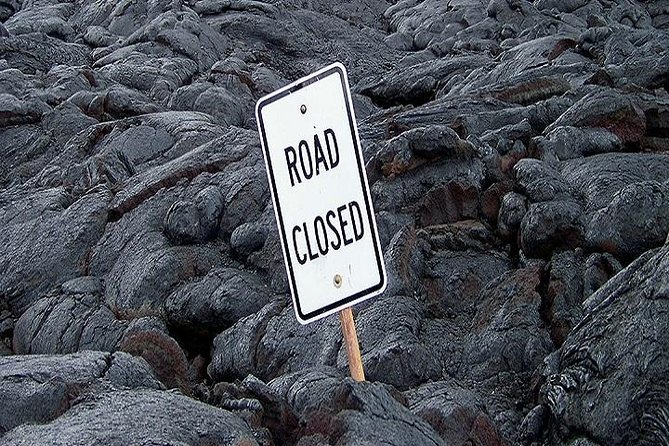
You’ll make time for Punaluʻu Bake Shop in Naʻālehu, known for traditional Hawaiian sweet breads in flavors like taro, guava, and mango. It’s also the southernmost bakery in the U.S., and it’s popular enough that lines can happen.
This stop is about more than sugar (though yes, that’s part of it). It’s a useful break in the day when you need fuel before Volcanoes National Park timing gets serious.
What to expect:
- You’ll have time to buy lunch and snacks. Meals are not included, so plan for your own spending.
- There’s a gift shop area and a garden-style setting, so it doesn’t feel like a drive-thru pit stop.
One practical tip: if you’re traveling with kids or you hate scrambling for a meal order while hungry, decide early what you want to try. Your time here is limited.
Punaluʻu Black Sand Beach: Turtles, Volcanic Basalt, and Rough Water
Then comes Punaluʻu Black Sand Beach, one of the Big Island’s most photogenic coastal stops. The black sand comes from volcanic basalt, and the beach is framed by coconut palms and scenic views.
This beach is often a turtle-watching destination. Green sea turtles commonly bask near shore, and it’s a great place to pause and just watch.
But don’t plan on swimming here. The waters can be rough, and that’s part of the reality of this coastline. So think “viewing and photos,” not “beach day.”
A smart way to enjoy this stop:
- Bring your camera, but keep your distance from wildlife.
- If you’re tempted to walk on the sand edges, watch your footing. Sand plus uneven volcanic shoreline can be slippery.
Hawaiʻi Volcanoes National Park: The Main Event (and the Safety Stuff)
This is where the day turns from “highlights” into “active island.” After starting at the visitor center, you’ll head out to several key areas inside Hawaiʻi Volcanoes National Park, including Halemaʻumaʻu Crater and other volcanic features.
Halemaʻumaʻu Crater and the Park’s Active-Volcano Feel
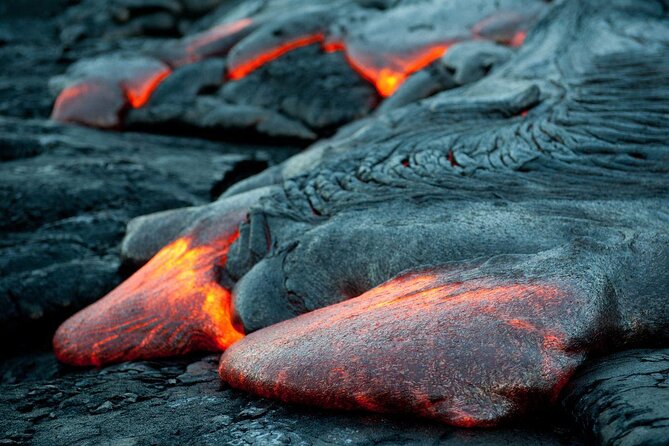
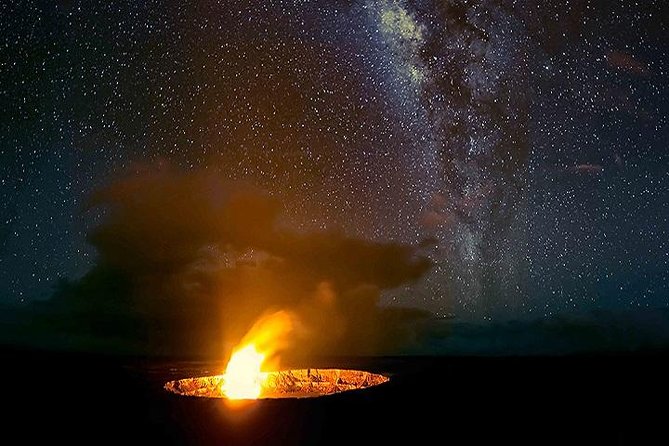
At Halemaʻumaʻu Crater, you’re meant to see dramatic signs of volcanic activity, including the glow of molten lava when conditions allow. Even if you don’t catch lava in motion on your specific day, you’ll still get a strong sense of what the crater means and why this place is constantly changing.
The visitor center start matters. It gives you the framework to understand what you’re seeing later—steam vents, lava tubes, and crater terrain.
Kīlauea Iki Lookout: Rainforest Contrast Inside a Crater
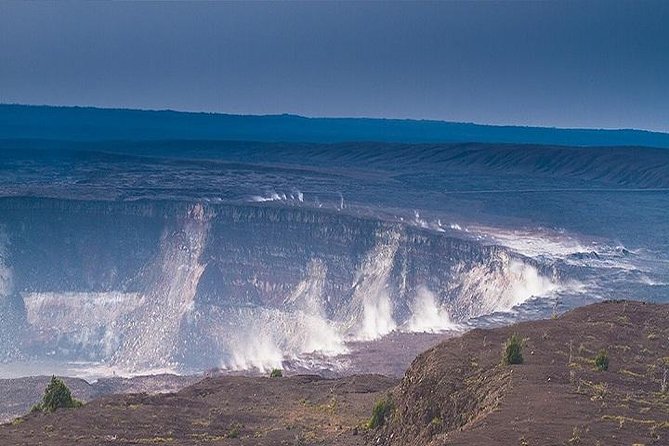
The Kīlauea Iki Rainforest Lookout offers a different feeling: lush rainforest vegetation around a massive crater. It’s a visual contrast that makes it easier to understand how ecosystems grow in and around volcanic surfaces over time.
Thurston Lava Tube: A Walk Through Formed-by-Eruption Space
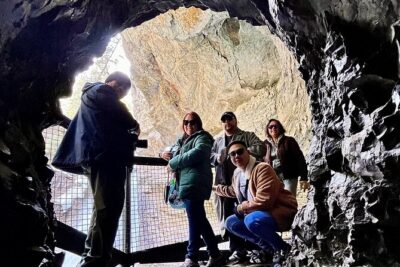
Walking through Thurston Lava Tube is one of those experiences that sticks. It’s a natural tunnel created by flowing lava, and it helps you understand volcanic process in a physical way—this isn’t just a “see it from far away” park.
Steam Vents: Heat From the Ground
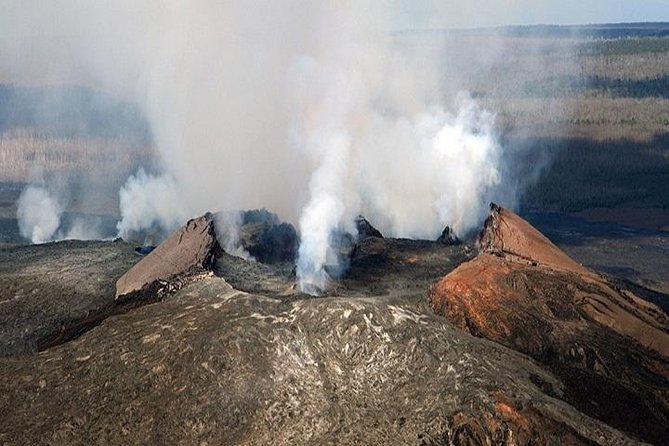
At the active steam vents, you’ll feel the heat rising from underground. It’s intense, and it’s also where the park’s safety guidance matters most.
Here’s what you should take seriously (and pack for):
- Volcanic gases can be present. If you have asthma or other respiratory issues, take precautions and follow safety guidelines carefully.
- Weather can change quickly, especially at higher elevations. Bring layers and a rain jacket.
- Cell service can be limited or nonexistent, so download maps or offline information ahead of time.
- Stick to marked trails and respect sacred cultural sites—don’t remove anything.
If you’re hoping for “lava on every trip,” you may be disappointed sometimes because the park is active and conditions vary. Still, even without a dramatic eruption moment, lava-tube terrain and steam vents can be enough to make the day feel unreal.
Mauna Kea Access Road: The Elevation Shift You Can Feel
This tour also includes stops tied to Mauna Kea’s Access Road, a steep route leading toward the summit area. As you climb from Route 200 (Saddle Road), the conditions shift quickly—from grassy plains into barren volcanic terrain.
You’ll feel the altitude change. Air gets thinner and temperatures drop, so your clothes matter.
What I like about this segment on a volcano-focused day:
- It shows how the Big Island changes by elevation, not just by location.
- It turns the island into a set of climates in one day, which helps you understand why the island’s ecosystems vary so much.
Bring a rain layer and something warm. Even if the lower areas are sunny, the road toward Mauna Kea can feel cold.
Kohala Coast and Hilo: The Island Beyond the Craters
The day doesn’t end at the volcano park. You’ll continue through Big Island regions like the Kohala Coast and Hilo, which add variety and keep you from feeling like you’re stuck in only one type of scenery.
Kohala Coast: Dry Climate + Big-View Stops
The Kohala Coast is known for beaches, luxury resorts, and wide scenic views. It has a drier climate compared to other parts of the island, which makes it a nice shift after the volcanic park’s changing weather.
You’re mostly there for the scenery and the sense of geography—less “activity,” more “look and absorb.”
Hilo: Culture Stops That Ground the Day
In Hilo, you’ll have a mix of historical and cultural options, including:
- Lyman Museum (natural and cultural history)
- Hilo Historic District (preserved early 20th-century buildings)
- Pacific Tsunami Museum (tsunami impacts on the region)
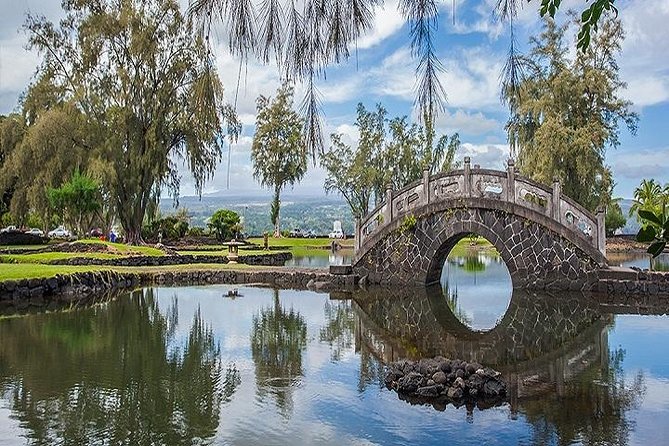
- Liliuokalani Gardens (a serene place honoring Queen Liliʻuokalani)
- Hilo Farmers Market as a lively local experience
This part of the day is valuable if you want the Big Island to feel like a real place with history and community, not only a film set for volcano photos.
Pacing, Group Size, and Why People Love the Guides
This tour caps at 22 travelers, and that shows in the pace. Smaller groups tend to mean fewer slowdowns at each stop and less time waiting around.
What really drives the high ratings is the guide experience. People give specific praise to guides such as Mel, Henry, Brandon, and Jim for making the day funny and informative without losing safety or staying on schedule.
In practical terms, you should expect:
- Frequent narration during drives, so the time in the van feels shorter.
- Clear explanations at viewpoints, especially in and around the volcano park.
- A guide who keeps the group together. That matters when you’re moving between locations and the weather can shift fast.
One downside to note from the reality of the route: you can spend a lot of the day traveling. On top of that, you may have days where airport timing is tighter. If you’re the type who hates “schedule pressure,” consider whether you’d rather do Big Island with overnight time and a slower route.
What to Pack and How to Stay Comfortable
This trip crosses climates and elevations, so pack like you mean it.
Bring:
- Sturdy, closed-toe shoes for uneven volcanic terrain
- Layers plus a rain jacket (weather can change fast)
- Water and snacks (services inside the park are limited)
- Sunscreen and a hat
- Cash for roadside stands and some food stops (many places are cash-only)
Also consider health factors:
- If you have respiratory issues, think about volcanic gases. Follow park guidance closely.
And one simple mental prep:
- Download anything you need before you lose cell service. The park areas can have limited reception.
Price: Is $589.99 a Good Value for One Day?
At $589.99 per person, this isn’t a cheap day trip. But it’s not just “a van tour,” either.
What you’re paying for (and why it matters):
- Roundtrip airfare between Oʻahu (Honolulu) and Kona
- Air-conditioned ground transport
- Park admission included for Hawaiʻi Volcanoes National Park
- A local guide who provides narration all day
- Multiple stops that would normally require separate planning and driving
If you tried to recreate this yourself—flights, rental car, park entry, and a structured driving plan—it would likely cost more in time and money, even before you factor in the stress of fitting everything into one day.
So the value depends on your travel style:
- If you want one-day efficiency from Oʻahu, this price starts to make sense.
- If you prefer slow travel and dislike flight-and-van pacing, you might get more value from staying longer on the Big Island.
Should You Book This Tour?
Book it if:
- You’re based on Oʻahu and want the Big Island’s volcano story without planning multiple days of logistics.
- Volcanoes National Park is your top priority and you like guided explanations at the stops.
- You’d rather pay to have flights and transport handled than worry about car rental timing.
Consider skipping or switching to a longer stay if:
- You get cranky when your day feels tightly scheduled.
- You really want total freedom to linger at each view.
- You’re sensitive to volcanic gases or altitude changes (talk to your doctor if you’re unsure, and follow safety instructions on-site).
If your goal is Big Island volcano plus culture, all in one day, this is one of the cleaner ways to do it from Oʻahu.
FAQ
How long is the experience?
It runs for about 12 hours (approx.).
What’s included in the price?
Roundtrip airfare from Honolulu to Kona, air-conditioned vehicle transport, Hawaiʻi Volcanoes National Park admission, and narration from a local guide are included.
Where do I meet at Kona International Airport?
You meet at the lot behind Alaska Baggage claim B-2.
What time does the tour start?
The start time is 8:00 am.
Are meals included?
No. Meals are at your own expense. Lunch is typically possible at Punaluʻu Bake Shop, where you can buy food.
Is pickup offered?
Pickup is offered.
Do I need cell service to use the trip?
Cell phone service is limited or nonexistent in many parts of the park, so download maps or information ahead of time.
What should I wear and bring for the volcano park?
Bring layers (weather changes quickly), a rain jacket, and sturdy closed-toe shoes. Also bring water, snacks, sunscreen, and a hat.
Is Volcanoes National Park admission included?
Yes, Hawaiʻi Volcanoes National Park admission is included.
Is tipping expected?
Cash tipping for your guide is always appreciated if you enjoyed the experience.