REVIEW · SRI LANKA
Kumana National Park Safari | from Arugam Bay
Book on Viator →Operated by Travceylon Leisure · Bookable on Viator
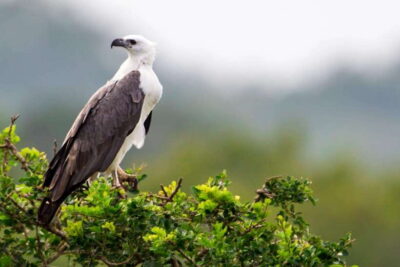
Kumana turns birdwatching into a half-day chase. I love that this safari is built around serious bird variety: thousands of birds across hundreds of species, including migratory visitors and year-round locals. I also like the 4×4 jeep setup in rough swamplands and jungle terrain, which keeps you in the game when the scenery gets tricky. One possible drawback: it runs on rough ground and you’re not getting food or snacks included, so plan for a bumpy ride and a light stomach.
Starting from Arugam Bay makes the outing feel straightforward and low-stress. You get pickup and drop-off within 5 km of the park gate, plus a water bottle per person, and the tour is set up so your group stays together. Just keep in mind the focus is wildlife viewing, not a walking hike or a café-style break.
In This Review
- Key things to know
- Why Kumana from Arugam Bay is a smart birdwatching choice
- Setting out from Arugam Bay: a simple start point in Sri Lanka’s southeast
- The 6-hour safari schedule: how to plan your time and energy
- Entering Kumana National Park: what the swamps and jungles are for
- Rough terrain means the viewing style is different
- Spotting strategy for migratory birds (and everything else)
- What’s included (and what you’ll need to handle yourself)
- Price and value: is $83.75 per person worth it?
- Timing, weather, and comfort: how to avoid the common pitfalls
- Who this Kumana safari suits best
- Should you book the Kumana Safari from Arugam Bay?
- FAQ
- How long is the Kumana National Park Safari from Arugam Bay?
- What kind of vehicle do you use in Kumana National Park?
- Is admission to Kumana National Park included?
- Do you offer pickup and drop-off from Arugam Bay?
- What’s included in the tour price besides the safari ride?
- Are meals or drinks included?
- What happens if weather is bad?
- Is there a cancellation window?
Key things to know
- Migratory bird focus in season, alongside native species year-round
- 4×4 safari jeep (up to 6 passengers) for easier tracking and spotting
- Driver acts as tracker, helping you read the landscape for wildlife
- Swamp and jungle routes mean photo angles and patience matter
- Admission ticket included, but food isn’t
- Good weather matters since the safari may be rescheduled or refunded if conditions are poor
Why Kumana from Arugam Bay is a smart birdwatching choice

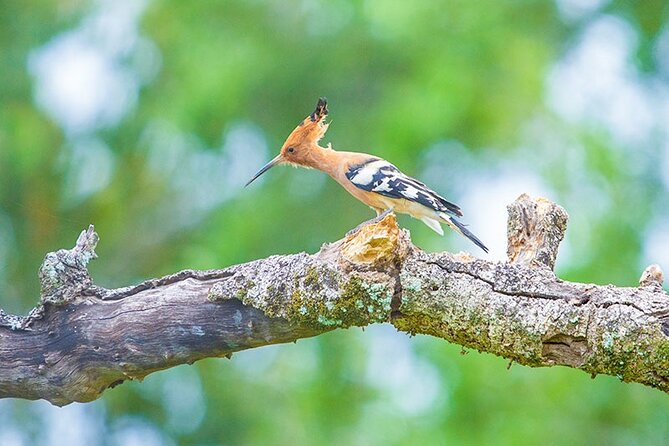
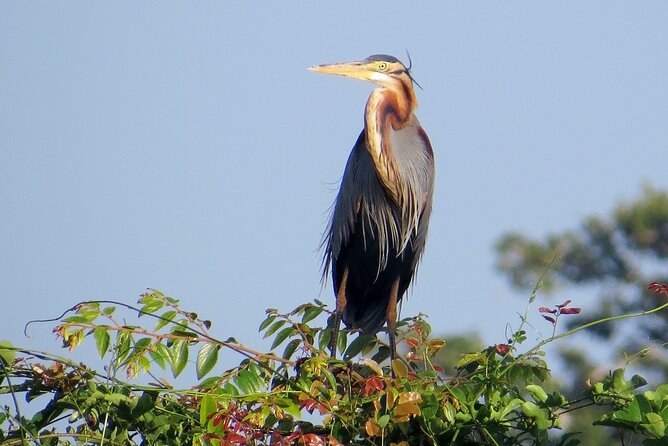
If you’re the kind of traveler who can happily spend hours scanning tree lines and reed beds, Kumana is your playground. The park is known for an enormous spread of birds, and what makes this safari particularly appealing is the mix: migratory species that move in during winter season, plus native birds that stay year-round. That combination gives you two chances to see something new—seasonal newcomers and familiar regulars.
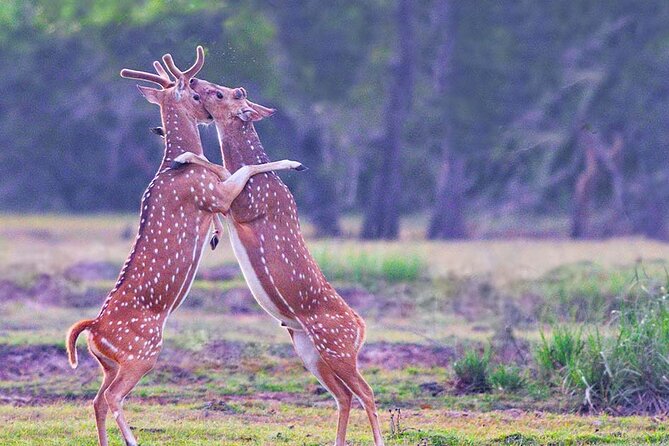
I also like that this isn’t only a bird show. The safari route goes through swamplands and jungles, and that habitat variety tends to draw different kinds of wildlife. Even if birds are your main goal, it’s the kind of setting where an unexpected animal sighting can happen when you’re paying attention.
One more reason this works well for many visitors: it’s only about 6 hours. That’s enough time to actually get into the park and search, without turning your whole day into a logistics marathon.
You can also read our reviews of more tours and experiences in Sri Lanka.
Setting out from Arugam Bay: a simple start point in Sri Lanka’s southeast
Your safari starts in Arugam Bay, a coastal town on Sri Lanka’s southeast coast in the dry zone. It sits on the Indian Ocean, and it’s around 117 km south of Batticaloa, about 320 km east of Colombo, and roughly 4 km south of Pottuvil (the market town nearby). The area around Ullae is mostly Muslim, but you’ll also find Sri Lankan Tamil and Sinhala communities to the south, plus international expats.
So what’s the practical value of this context? Arugam Bay isn’t a remote “fly in and hope for the best” gateway. It’s a real base area where tours and movement are familiar. For this safari, you also get free pickup/drop-off within 5 km of the park gate, which matters if you’re staying near the center of town rather than deep out on the outskirts.
In other words: you’re not wrestling with complicated transport to reach the start. You’re using Arugam Bay as a launch pad into the wildlife of the region.
The 6-hour safari schedule: how to plan your time and energy
This is an approximately 6-hour experience, run using a 4×4 safari jeep on rough terrain. The time window matters because it tells you how the outing will likely feel: more “search and scan” than “wander slowly.”
Here’s what you can plan for, based on how the safari is set up:
- You’ll spend the majority of that time inside the park area, focusing on spotting wildlife along the routes.
- You’ll likely get more value by arriving ready to stay alert rather than expecting long breaks.
- Since you’re in a jeep and the ground is rough, comfort becomes part of the experience. Bring clothing that’s okay with dust and vibrations.
Also, the jeep is limited to a maximum of 6 passengers. That small group size is a big deal for wildlife viewing. With fewer people, it’s easier for the driver/tracker to guide attention, adjust position, and keep the sightlines open.
One more practical note: this is listed as a private tour/activity, meaning only your group participates. That can be a real advantage if you want a less hectic feel and more flexibility around your interests (as long as the tour flow allows it).
Entering Kumana National Park: what the swamps and jungles are for
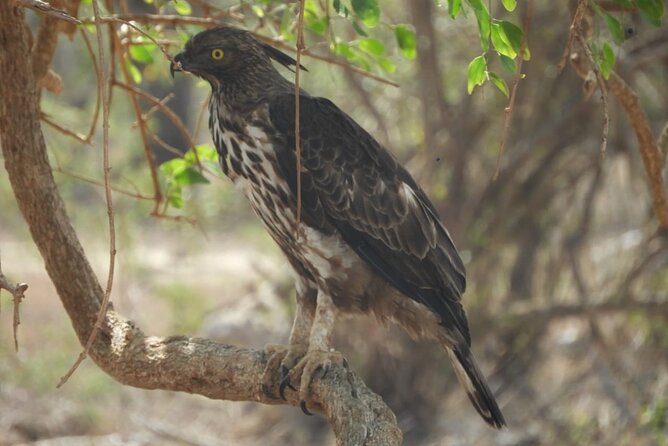
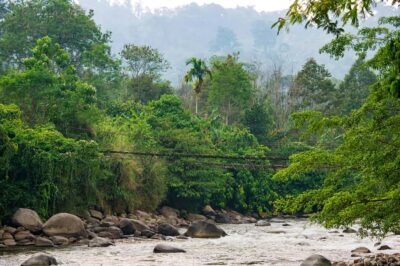
Once you’re in Kumana National Park, the safari route takes you through swamplands and jungles. That habitat mix is the heart of why the bird variety can be so high. Wet, low areas tend to attract species that feed in and around water, while the thicker jungle edges can pull in birds that prefer cover and perches.
This park is described as being in Sri Lanka’s south eastern coast region, and it’s known for a winter season that draws migratory birds. In plain terms: you’re not just looking for one kind of bird. You’re moving through space where different species show up at different moments, depending on what they’re doing—feeding, resting, or moving.
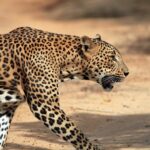
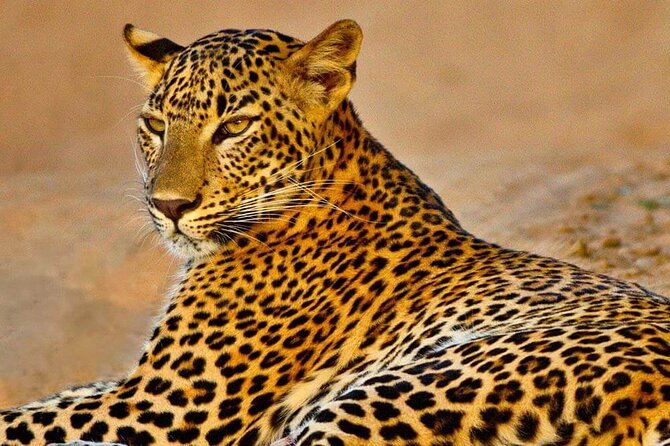
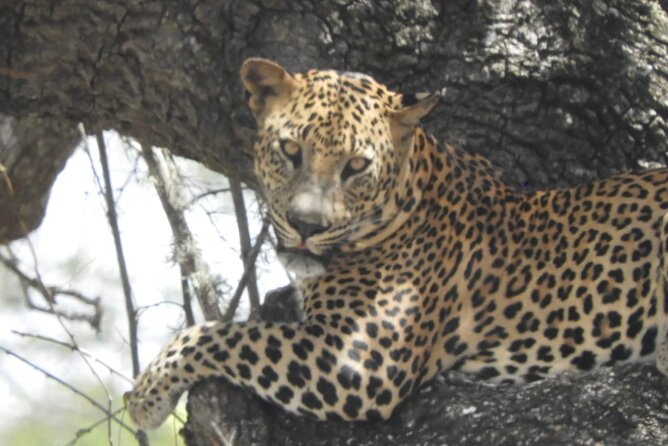
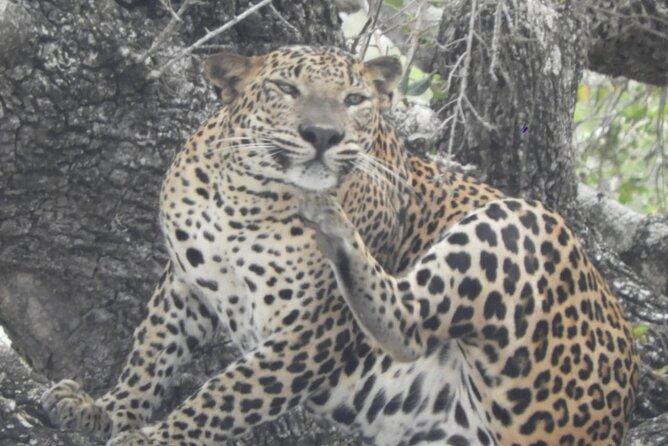
And yes, wildlife beyond birds is part of the picture. In the feedback I reviewed, a leopard sighting came up as a highlight, which is a reminder to keep your eyes open even when you’re focused on feathers. You don’t need to abandon birdwatching to get that bigger-wildlife thrill—just keep scanning widely.
Rough terrain means the viewing style is different
Because you’re on uneven ground in a jeep, the experience is less about steady walking and more about:
- quick repositioning
- steady scanning from moving viewpoints
- patience when wildlife is present but not immediately visible
If you come expecting a smooth, city-like ride, you’ll be disappointed. If you come expecting an “animal search” adventure, you’ll likely love it.
Spotting strategy for migratory birds (and everything else)
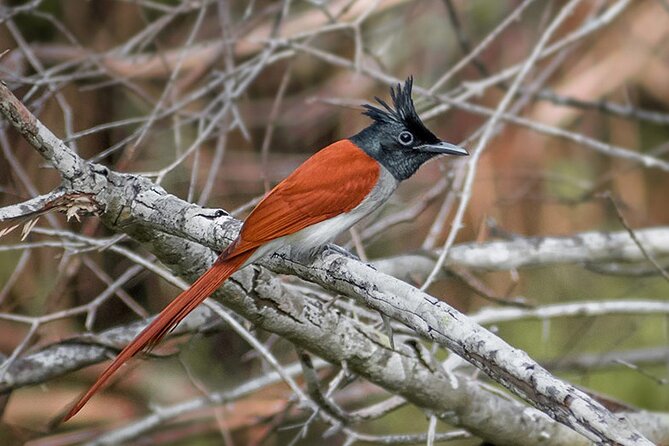
A bird safari is won by habits. You don’t need gear you can’t carry; you just need a way to look at the scene.
Here are practical moves that fit this kind of Kumana safari:
- Scan in layers: check water edges, reed beds, and then lift your eyes toward the tree line. Migratory and resident birds may use different heights and cover.
- Watch movement, not just stillness: in swamplands, birds often shift before they settle. If you wait only for perfect still moments, you can miss the action.
- Let the tracker do the hard work: the driver is also your tracker, so follow their guidance on where to focus next.
- Be ready for short bursts: birds can appear and vanish fast. Keep your attention fluid instead of locked onto one spot for too long.
- Expect variety more than one trophy species: with hundreds of possible species in play, your win is seeing lots of different birds behaving naturally.
If you care about photos, go in with realistic expectations. This safari is about viewing from a jeep on rough terrain, so you might not always get perfect angles. Still, the benefit is that you’re likely to see birds up close enough to identify different types and colors through a steady scan.
What’s included (and what you’ll need to handle yourself)
This safari is built to be simple on your end. Here’s what you get:
- 4×4 safari jeep (maximum of 6 passengers per jeep)
- Experienced driver, also acting as your tracker
- Free pickup/drop-off from/to any location within a 5 km radius of the park gate
- Water bottle per person
- Admission ticket included
- Mobile ticket
- Group discounts are mentioned as part of the overall offering
What’s not included:
- Food and beverages
- Gratuities
That last point matters more than it sounds. If you’re coming hungry, you’ll want to eat before pickup. Since there’s no food built in, plan on snacks if you’re the type who gets cranky after a couple hours. Also, water is included (nice), but bringing an extra small bottle isn’t a bad idea if you tend to drink a lot.
Price and value: is $83.75 per person worth it?
At $83.75 per person, this safari is priced in a way that feels reasonable for what you’re getting—especially because admission and a 4×4 jeep are both included. When you’re paying for wildlife viewing in a park setting, the big cost driver is usually transport and access, not just the view.
So what makes this good value for the right traveler?
- You’re paying for a guided search in a vehicle designed for rough ground.
- Your driver/tracker isn’t just driving; they’re actively helping you locate wildlife.
- You get a small vehicle group size (up to 6), which usually improves your quality of viewing.
- The pickup/drop-off within 5 km of the park gate reduces hassle.
What might reduce value for other people:
- If you expect a long sit-down comfort break or meals included, you’ll feel the gaps.
- If you don’t care about birds at all, you may find the “thousands of birds” promise less relevant.
My take: this is good value for bird-focused travelers, photographers who like scanning and spotting, and anyone who wants a half-day wildlife mission without staying out all day.
Timing, weather, and comfort: how to avoid the common pitfalls
The safari requires good weather. If conditions are poor, it may be canceled and you’ll be offered a different date or a full refund. That’s a normal rule for park drives and animal viewing, but it does mean you should avoid locking in other tight plans too close to your safari time.
As for comfort: rough terrain is part of the deal. That affects what you wear and how you prepare. Choose clothes that can handle dust, and consider footwear with decent grip. If you’re sensitive to bumps, bring a bit of patience and keep your expectations aligned with a 4×4 jeep experience.
Finally, plan around your food. Since food and beverages aren’t included, eat beforehand and consider simple snacks so you can stay focused on spotting without getting distracted by hunger.
Who this Kumana safari suits best
This tour fits best if you’re one of these travelers:
- You love birds and especially want to see migratory species during winter season plus year-round residents
- You’re happy with a “scan and search” style of safari rather than a long walk
- You like smaller groups and a driver/tracker who actively guides spotting
- You want a half-day outing from Arugam Bay that doesn’t eat your whole schedule
It may not be ideal if:
- You want a meal included or lots of downtime
- You dislike rough vehicle rides
- You’re only chasing one large animal species and nothing else (Kumana can surprise, but it’s still wildlife viewing)
Should you book the Kumana Safari from Arugam Bay?
I’d book this if your main goal is birdwatching and you want to do it in a place where the birdlife is genuinely the point. The mix of migratory and resident species gives you variety, and the 4×4 jeep format in swamps and jungles suits the reality of wildlife spotting.
If you’re on the fence, here’s the decision shortcut I use:
- If you’re happy scanning for birds for a few hours, this is a yes.
- If you need comfort breaks and included meals to feel good on a tour, look for a different style of outing.
One last nudge: bring snacks, wear shoes you trust on rough ground, and give yourself permission to enjoy the slow work of watching. Kumana rewards that kind of attention.
FAQ
How long is the Kumana National Park Safari from Arugam Bay?
The safari lasts about 6 hours.
What kind of vehicle do you use in Kumana National Park?
You’ll travel in a 4×4 safari jeep on rough terrain, with a maximum of 6 passengers per jeep.
Is admission to Kumana National Park included?
Yes. An admission ticket is included.
Do you offer pickup and drop-off from Arugam Bay?
Pickup and drop-off are offered free from/to any location within 5 km of the park gate. Hotel pickup isn’t included if you’re outside that radius.
What’s included in the tour price besides the safari ride?
The tour includes the 4×4 safari jeep, an experienced driver who also acts as your tracker, an admission ticket, a water bottle per person, and a mobile ticket.
Are meals or drinks included?
No. Food and beverages are not included.
What happens if weather is bad?
If the safari is canceled due to poor weather, you’ll be offered a different date or a full refund.
Is there a cancellation window?
You can cancel for a full refund up to 24 hours in advance of the experience start time. If you cancel later than that, the amount paid isn’t refunded.