REVIEW · SEATTLE
From Seattle: Mount Rainier National Park 1-Day Tour
Book on GetYourGuide →Operated by Jupiter Legend Corporation · Bookable on GetYourGuide
Rain turns into adventure at Rainier. This 1-day guided trip from the Seattle area is built for snowy volcanic views in winter or wildflower-and-waterfall days in summer, with a small group and a set lunch so you can focus on the scenery. I like that you get both driving time structure and classic photo stops (the kind you usually only get on a longer trip), and I also like that the guide helps you choose what to do on the ground—hike or snowshoe—based on conditions. One thing to plan for: winter weather can change what you can reach, so you’ll want the right traction and a flexible mindset.
You’ll be in Mount Rainier National Park for the heart of the day, starting with quick orientation at Longmire and then moving toward the park’s big sights—waterfalls like Narada and a longer stay around Paradise. For a one-day visit, it’s a smart mix: short stops for views and photos, plus enough time at the main visitor area to actually feel like you visited, not just passed through. The possible drawback is simple: if snow piles up or roads close, some “signature” spots (like Reflection Lake) may be harder to access, and walking can get slick without the right gear.
In This Review
- Key things that make this tour worth your time
- Why Mount Rainier Works as a 1-Day Trip From Seattle
- Summer (May–Oct) vs Winter (Nov–Apr): How your day changes
- Pickup timing: the part that can make or break your comfort
- Longmire Museum: the quiet start that makes the rest better
- Christine Falls and Narada Falls: fast, photogenic, and worth the stop
- Paradise Visitor Center and Reflection Lake: where the day slows down
- Winter Wonderland: snow hiking time and what to bring
- Lunch, snacks, and what that included meal actually buys you
- Small-group pacing: why your guide’s style matters
- Road closures, museum hours, and cloudy days: the stuff you can’t control
- Value check: does $148 make sense for a one-day Mount Rainier plan?
- Who this tour is best for (and who should think twice)
- Should you book this Mount Rainier 1-Day Tour?
- FAQ
- How long is the Mount Rainier National Park 1-day tour?
- What is the price per person?
- How big is the group?
- What language is the tour guide?
- What’s included in the price?
- Are pets allowed?
- Can children under 18 join?
- Are pregnant guests allowed?
- Do kids need a car seat?
- Does the tour allow outside tickets or City Passes?
Key things that make this tour worth your time
- Small group (up to 12) so you’re not lost in a crowd when conditions get tricky
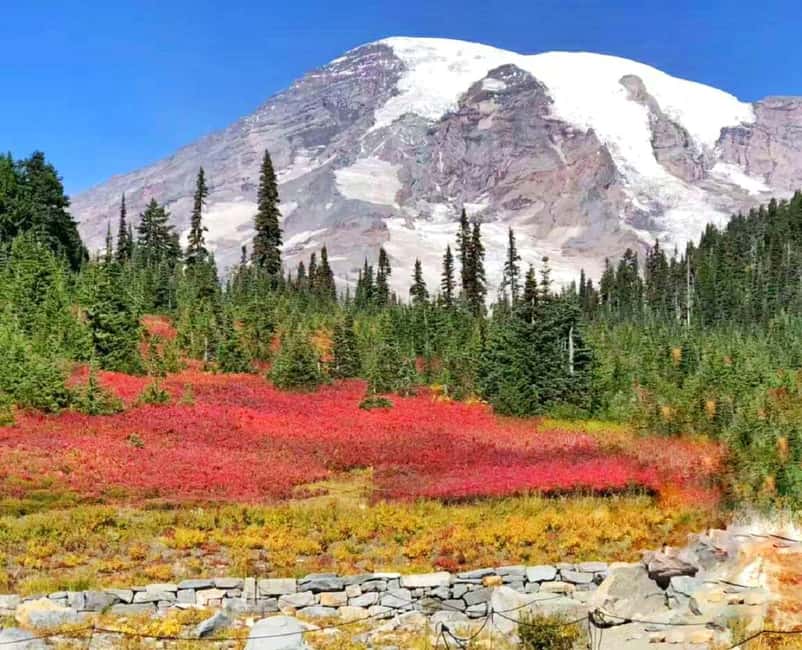
- Season-switched plan: summer focuses on Paradise meadows and waterfalls; winter leans into snowy hiking and snowshoe-style exploration
- Longer anchor time at Paradise Visitor Center (about 120 minutes when conditions allow)
- Classic, close-access waterfalls with Narada Falls as a major highlight (very near the road)
- Lunch and snacks handled for you: deli-style sandwich, granola bar, and bottled water
- Guides get called out by name (Duan, Andy, Jennifer, Soma, Duong) for being friendly, organized, and good at pacing
Why Mount Rainier Works as a 1-Day Trip From Seattle
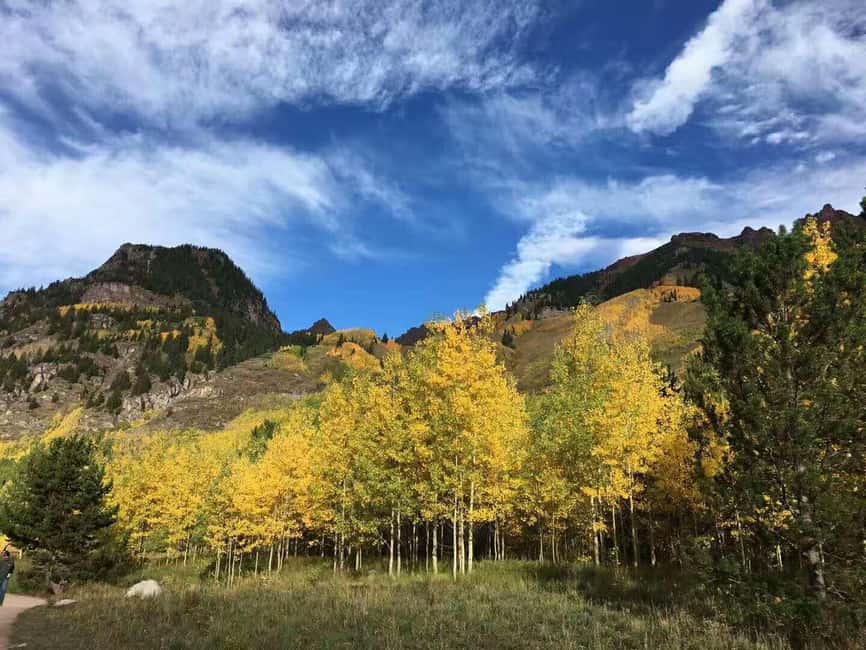
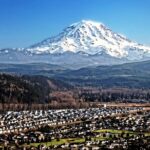
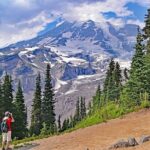
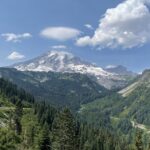
Mount Rainier is one of those rare places that looks dramatic from almost every angle. Towering at 14,410 feet, it’s the highest peak in the Cascade Range and the most glaciated mountain in the U.S., feeding five major rivers. That “big mountain in one day” feeling is why this tour sells itself to locals and first-timers.
The other reason it works: you’re not driving yourself on unfamiliar roads with changing snow and fog. You’re picked up in the morning, guided through the park’s best accessible zones, and brought back the same day.
You can also read our reviews of more tours and experiences in Seattle.
Summer (May–Oct) vs Winter (Nov–Apr): How your day changes
This is not a one-size itinerary. It’s built around the fact that Mount Rainier changes fast with the seasons—snowpack, road access, and where you can actually walk comfortably.
In summer (May–Oct), you typically get:
- Orientation at Longmire Museum
- Waterfall time with Christine Falls and Narada Falls
- A longer stop at Paradise Visitor Center (often about 120 minutes) for meadows and big views
- A quick photo-style stop at Reflection Lake
In winter (Nov–Apr), the tour shifts the feel:
- Longmire Museum becomes part of your winter orientation
- You’ll spend time hiking through snow at Wonderland Trail style routes (the tour describes it as winter hiking, around 60 minutes)
- Paradise is the primary winter-use area, with an average snowfall reported as 643 inches annually, which is why it’s chosen for views and access
Practical takeaway: you’re booking the mountain, but you’re really booking conditions. Your best day comes when you match your expectations to what the snow and roads will allow.
Pickup timing: the part that can make or break your comfort
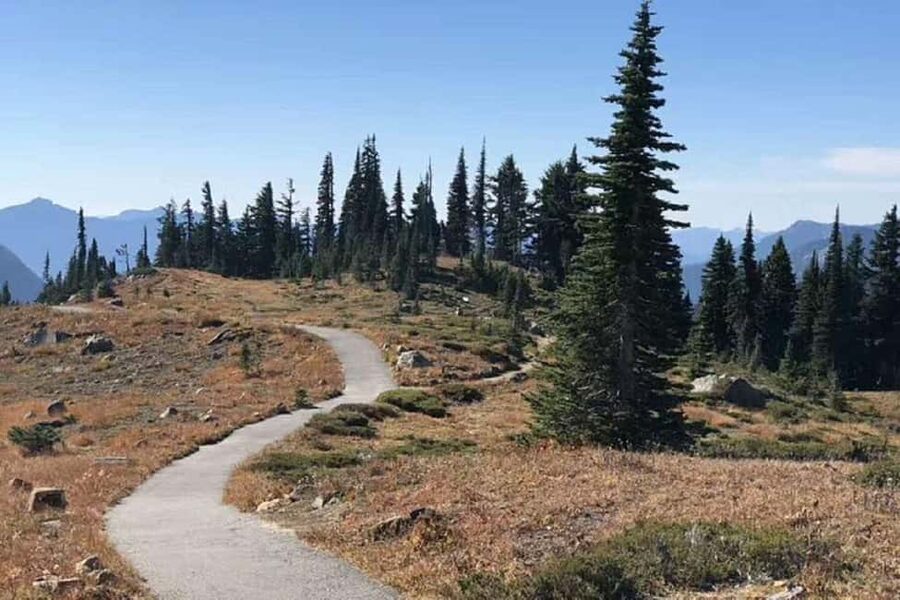
The tour runs with morning hotel pickups across the Greater Seattle area, with departure windows starting early. Some locations list departures as early as 07:45 and others later in the 09:40 range, depending on where you’re staying.
This matters because Mount Rainier tours can feel long on the road. Having a reliable, planned pickup reduces stress, especially if you’re coming from the airport or central Seattle.
Also, keep an eye on the car seat rule: children under 6 need their own car seat or booster (bring it or add one to your booking). If you’re traveling with kids, that’s not a detail to leave for the last minute.
Longmire Museum: the quiet start that makes the rest better
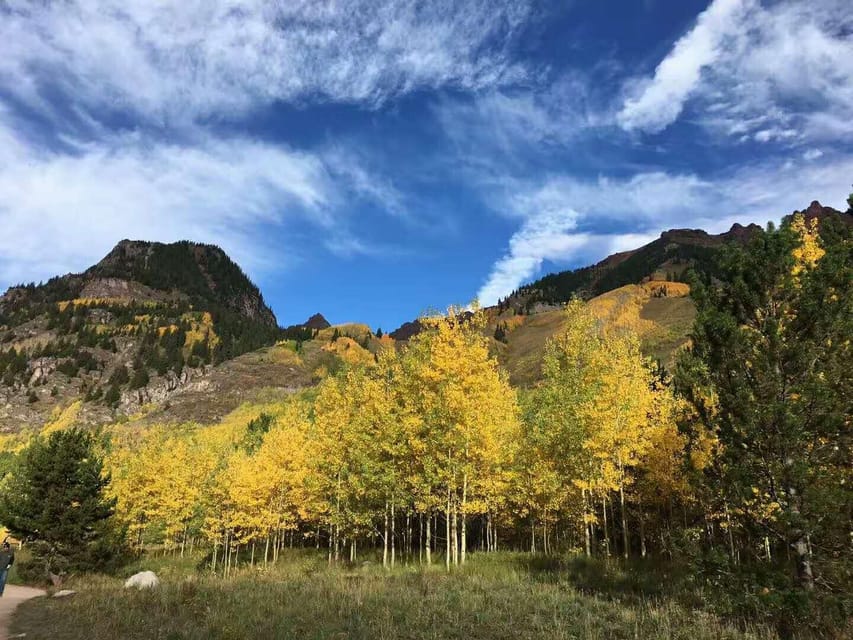
Most people think of Rainier as views first. Longmire Museum is where the day gets meaning.
At about 2,700 feet, Longmire sits in a historic area where you can learn the park’s geology and wildlife context before you hit the main scenic stops. The tour description also flags that in winter, Longmire is a useful 60-minute learning start, while in summer it’s closer to 20 minutes.
Why this stop is worth your time on a one-day schedule: it helps you understand what you’re seeing. Glacial features, volcanic terrain, and the way snow and water shape the park will make the waterfalls and viewpoints hit harder.
Christine Falls and Narada Falls: fast, photogenic, and worth the stop
Waterfalls are one of the best arguments for a one-day tour here. You get big payoff with limited walking, which helps when weather or snow slows down the day.
- Christine Falls: a short 10-minute stop described with a classic photo frame (including a stone bridge view setup).
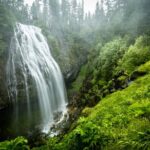
- Narada Falls: the big one, described as about 40 minutes of time total. The standout detail is that it’s very accessible from the road, and in the park’s “must-see” category for a reason.
The practical angle: these are the stops you’ll appreciate even if the sky is overcast. In winter, cold air can make views muffled, but water still delivers.
Paradise Visitor Center and Reflection Lake: where the day slows down
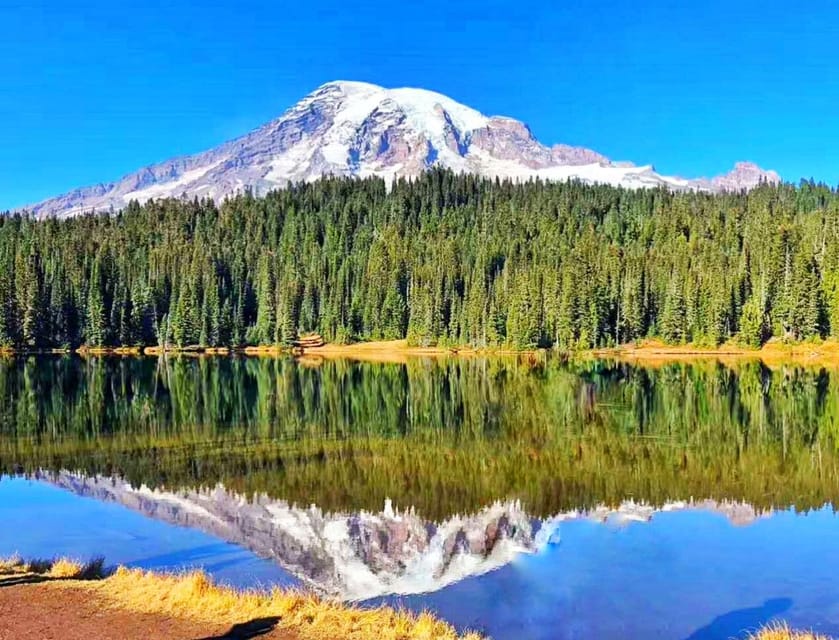
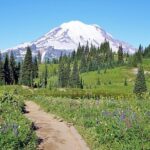
If you only get one longer “hang-out” block, it’s usually Paradise Visitor Center, with about 120 minutes scheduled in summer. Paradise is known for wildflower meadows and the kinds of panoramas that make you pause and look up even if you’ve seen mountains before.
In winter, Paradise is again the key area because it’s the primary winter-use zone in the park. The high snowfall figure (reported as 643 inches annually) is why you’ll feel like you’re entering a snow world when the conditions cooperate.
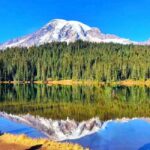
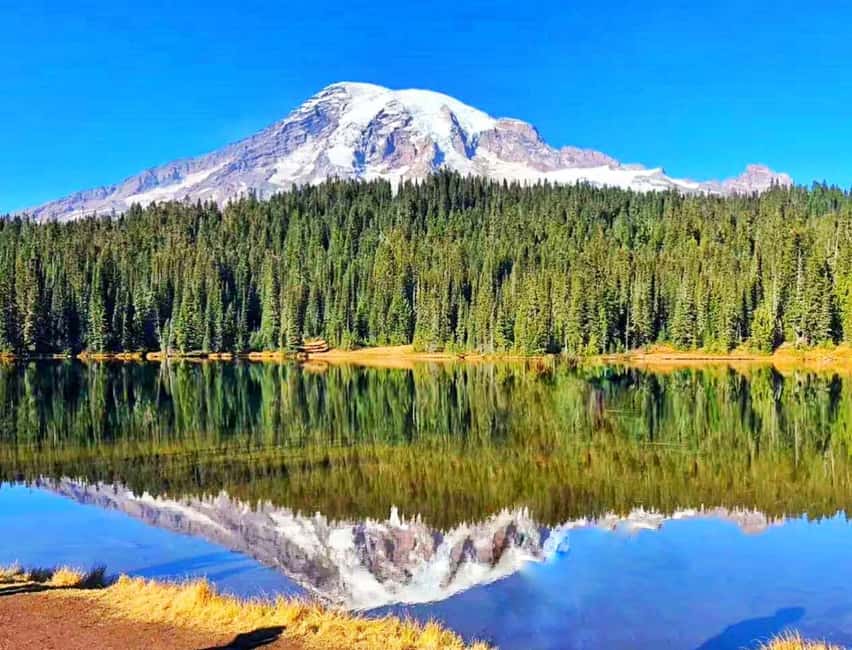
Then there’s Reflection Lake, listed as a quick 10-minute stop for photography. Here’s the realistic part: snow depth, road closures, or timing can make Reflection Lake harder to reach. One real-world example from the provided experience feedback is that heavy snow and closed roads can prevent you from seeing it. If Reflection Lake is your must-do, treat it as “hopeful,” not guaranteed, and focus on Paradise and waterfall access as your sure wins.
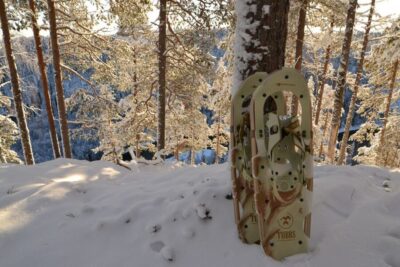
Winter Wonderland: snow hiking time and what to bring
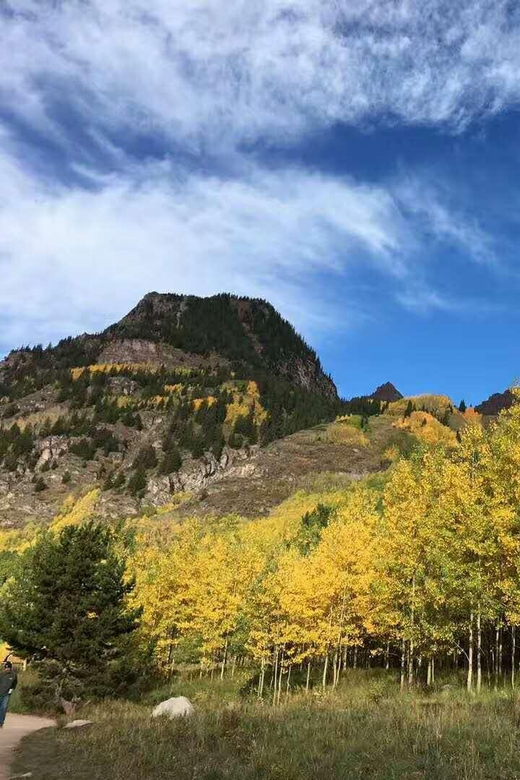
Winter days at Rainier can be gorgeous and slippery. They can also be tough if you show up underprepared.
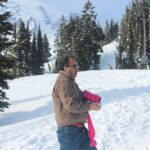
The tour includes winter hiking time at Wonderland Trail style routes (about 60 minutes described). Depending on conditions, that can mean snow-packed ground where traction matters. One important note from experience feedback: a participant found the downhill to a waterfall extremely slippery and reported a fall and injury from another group. That’s your warning sign.
So bring:
- Hiking poles if you have them
- Crampons or other traction if you own them
- Warm layers that you can adjust, because winter exertion can make you sweat even when it feels cold
If you don’t have traction, be ready for slower pace and more care. The goal isn’t to “win” the snow; it’s to stay upright and enjoy the views.
Lunch, snacks, and what that included meal actually buys you
This tour takes the edge off a common day-trip problem: you don’t have to hunt for food during tight timing.
Included:
- Deli-style sandwich for lunch
- Granola bar
- Bottled water
- Park entry fee
- Transportation plus driver/guide support
Not included:
- Additional food and drinks you buy on your own
In practical terms, this means you can spend your time walking and photographing instead of planning. The deli-style sandwich isn’t gourmet dining, but it’s a dependable energy source so you don’t start the afternoon depleted.
Small-group pacing: why your guide’s style matters
With a group capped at 12 participants, the guide can manage time better than in huge bus tours. That matters at Rainier, because weather and road access can force quick plan changes.
The experience feedback you provided includes several guide names tied to positive moments:
- Duan is credited with being knowledgeable and keeping the day feeling magical
- Andy is also mentioned for being a great guide
- Jennifer is described as friendly and approachable
- Soma is praised for spacing stops, making room for independent exploring, and being accommodating
- Duong is mentioned for doing a good job helping people have a nice excursion
You’re not just paying for transportation. You’re paying for decision-making in real time—when it’s worth cutting a stop short, when the walking conditions suggest caution, and how to keep you from feeling rushed.
Road closures, museum hours, and cloudy days: the stuff you can’t control
Even the best plan hits reality. This tour is designed to adjust, but you still need to know what might shift.
Based on the provided experience notes:
- Heavy snow can lead to road closures and missed access to certain sights like Reflection Lake
- Some museum closures can happen unexpectedly (one note mentions museums being closed due to a strike)
- If the sky is overcast, you’ll still get waterfalls and snow scenery, but you might miss the dramatic, clear summit views people picture
How you handle this: decide what you’ll enjoy no matter what. If you’re mainly chasing a specific viewpoint photo, this tour can still deliver, but your confidence will be higher if you’re open to the mountain’s different moods.
Value check: does $148 make sense for a one-day Mount Rainier plan?
At $148 per person, the price looks “premium” until you list what’s included and what you’d otherwise pay for yourself.
You’re getting:
- Round-trip transportation from the Seattle area with multiple pickup options
- Mount Rainier National Park entry fee
- Lunch and basic snacks (sandwich, granola bar, water)
- Guided support in a park where conditions can turn fast
If you were to do this independently, you’d still pay for parking, park entry, gas, and the time overhead of figuring out schedules and access. The value is strongest if you want a structured day with minimal logistics.
And the small-group cap (up to 12) matters here. More comfort and less chaos usually equals more time spent outside, not waiting around.
Who this tour is best for (and who should think twice)
This is a great fit if you:
- Want a guided Mount Rainier day without the stress of driving and planning
- Care about waterfalls and “classic stops” more than a long multi-day hike
- Like having enough time at key areas (especially Paradise)
- Travel with people who appreciate a steady pace and clear structure
Think twice if you:
- Need guaranteed access to every single viewpoint in every season (snow can change the plan)
- Are not comfortable on icy walking surfaces and don’t have traction options
- Are traveling with a pet (pets are not allowed)
Should you book this Mount Rainier 1-Day Tour?
If you want a solid Mount Rainier experience that’s practical, time-managed, and guided, I think this booking makes sense. The combination of transportation from Seattle, park entry included, lunch handled, and a small group with real attention to pacing is the core reason.
Book it if you’re excited by waterfalls, snow scenery, and a winter-to-summer feel that’s tied to the season—not to a rigid, unrealistic checklist. Skip or at least adjust expectations if your plan depends on Reflection Lake or museum access being open in winter conditions.
If you do book for winter, do yourself a favor: bring traction and poles if you can. That’s the difference between a cool day outside and a “why is my footing like this” day.
FAQ
How long is the Mount Rainier National Park 1-day tour?
It runs for 1 day.
What is the price per person?
The price listed is $148 per person.
How big is the group?
The tour is described as a small group, limited to 12 participants.
What language is the tour guide?
The tour includes a live tour guide in English.
What’s included in the price?
Included items are transportation, driver and guide, Mount Rainier National Park entry fee, a deli-style sandwich lunch, a granola bar, and bottled water.
Are pets allowed?
No, pets are not allowed.
Can children under 18 join?
Yes, but anyone under 18 must be accompanied by at least one adult.
Are pregnant guests allowed?
Pregnant guests are allowed only if pregnant for 24 weeks or less.
Do kids need a car seat?
Yes. Children under 6 must use a car seat or booster. You should bring your own or add one to your booking.
Does the tour allow outside tickets or City Passes?
No. The tour states it does not accept City Pass or your own tickets for attractions.