REVIEW · JACKSON
8 Hour Combination Snowshoe & Wildlife Viewing in Grand Teton National Park
Book on Viator →Operated by Jackson Hole Eco Tour Adventures · Bookable on Viator
Woke up to tracks and wildlife in motion. This 8-hour Grand Teton trip mixes snowshoe backcountry time with an afternoon wildlife search, led by a local naturalist and guide team that puts animals and winter ecology front and center. I like that the guides (I’ve seen names like Drew, Ben, Rob, and Bucky) run the day with real confidence, not generic talk.
My other big win is the change of pace: you get a snack-and-lunch break, then switch into comfortable wildlife viewing from a safari-style vehicle. One consideration: snow conditions can vary, so the snowshoe portion may feel easier if the park has less snow than you hoped for.
In This Review
- Key points to know before you go
- Why Grand Teton feels different on snowshoes
- The day’s flow: morning tracks, lunch break, afternoon sightings
- Morning: snowshoeing with an animal-and-tracks mindset
- Midday: lunch picnic pause
- Afternoon: wildlife viewing from a roof-hatch safari vehicle
- Snowshoeing in Grand Teton: what you’ll actually do
- Pacing: leisurely for groups, flexible for private tours
- The guide’s job: turn winter into a story you can read
- Wildlife viewing: the odds game, and why the vehicle helps
- How the experience stays comfortable while you wait
- Photography time is built into the day
- Lunch and snacks: small details that make the whole day work
- Price and value: what the $349 covers
- Who should book this tour (and who might not)
- Weather reality: how to set expectations in winter
- Should you book? My straight answer
- FAQ
- How long is the tour?
- Where does the tour start, and what time does it begin?
- What’s included in the price?
- Do I need to pay for park admission?
- Is this tour a group or private experience?
- What wildlife might we see?
- What if the snowshoe conditions are not great?
- Are service animals allowed?
- Is free cancellation available?
Key points to know before you go
- Real winter ecology lessons while you’re on the snowshoes, with stops for tracks and signs
- Afternoon wildlife focus in a dedicated viewing vehicle, not just a quick drive-by
- Small-group feel with a maximum of 7 travelers (and a private option for more control over pace)
- Provided gear: snowshoes, trekking poles, gaiters, and backpacks, plus coffee/tea, snacks, and bottled water
- Targeted animals in Grand Teton like moose, elk, bighorn sheep, eagles, trumpeter swans, and more
Why Grand Teton feels different on snowshoes
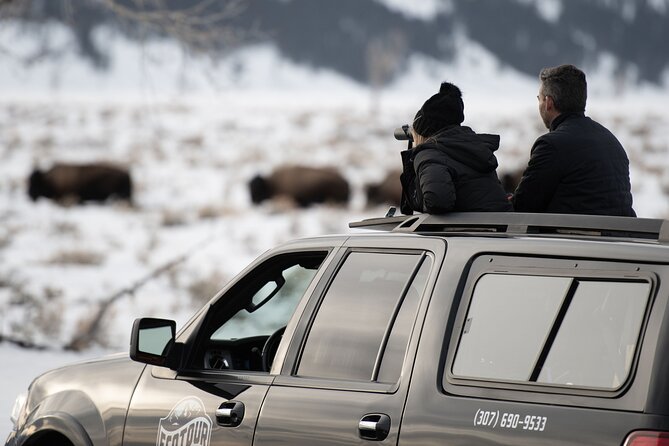
Grand Teton National Park in winter has a special rhythm. Everything slows down—movement shows up as tracks in the snow, and you can read the land in a way you just can’t in summer.
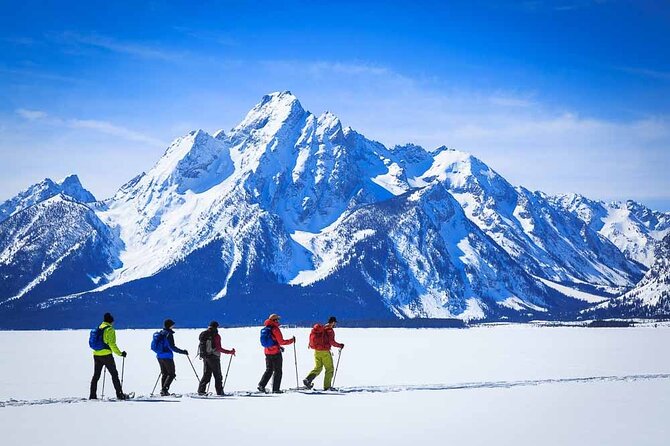
This tour leans into that. You start with snowshoe time in the park and spend the morning looking at fauna and flora through a winter lens. The guide-naturalist isn’t just pointing out animals; they’re talking about winter ecology and snow science while you’re out there.
Then the day flips into wildlife viewing. That two-part structure matters. If you only do snowshoeing, you can miss the drama of real animal sightings. If you only do wildlife viewing from the road, you miss what winter does to the ecosystem. This one does both.
You can also read our reviews of more tours and experiences in Jackson.
The day’s flow: morning tracks, lunch break, afternoon sightings
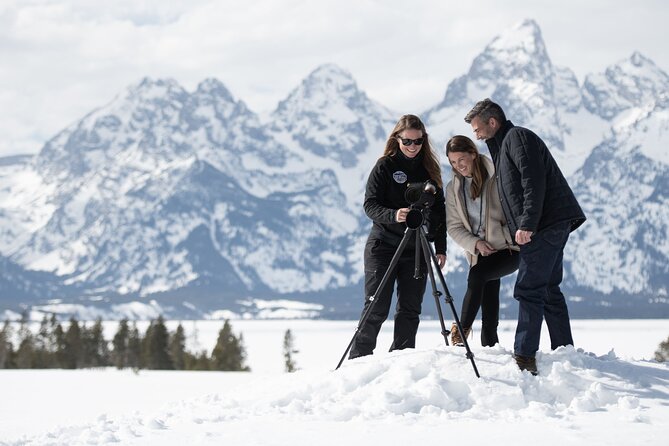
The experience runs about 8 hours, starting at 8:00 am from 210 N Cache St in Jackson. You’ll spend the first half of the day snowshoeing in Grand Teton, then shift gears in the afternoon for wildlife spotting.
Morning: snowshoeing with an animal-and-tracks mindset
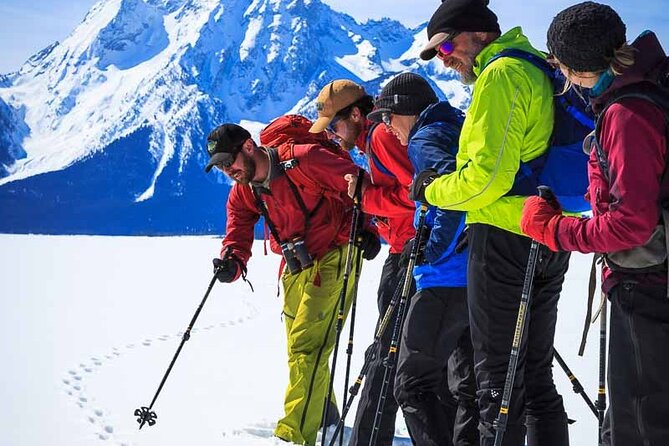
Expect a guided walk where the emphasis is on noticing. Your guide will help you look for tracks and other signs in the snow, then connect those clues to how animals survive winter.
You’ll also get frequent little breaks, plus snack stops while you’re out on the route. Reviews often describe the snowshoe time as fairly manageable, with people saying it never felt too cold or too difficult for them. Still, your comfort will depend on how winter is behaving that day.
Midday: lunch picnic pause
You’ll stop for lunch before continuing onward. This is one of those underrated pieces that keeps the day enjoyable instead of exhausting. Between the cold air and the time outside, having food on schedule makes a huge difference.
The tour includes lunch, and many days also pair it with coffee or tea. Depending on the day, lunch may be set up like a picnic break, with a warm, simple reset before the wildlife search resumes.
Afternoon: wildlife viewing from a roof-hatch safari vehicle
After lunch, the vibe shifts. You’ll relax in a fully outfitted safari-style rig and keep scanning for animals.
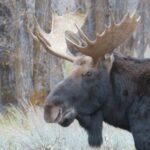
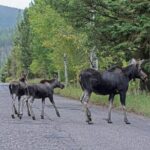
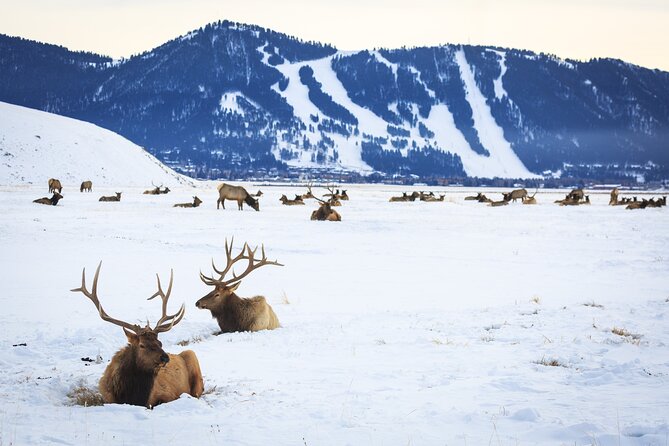
This is where the “search game” becomes real. The tour is built to pursue wildlife such as bighorn sheep, elk, moose, deer, coyote, fox, eagles, and trumpeter swans, among others. You’re not locked in one spot. You’re moving and stopping when the guide finds signs or sightings.
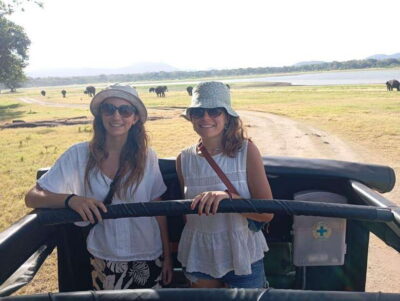
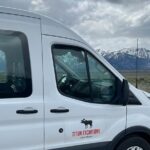
One detail that’s especially useful: some vehicles are described as having roof hatches so you can view while standing inside the vehicle. That matters if you want a better angle for spotting and photos without constantly repositioning outside in the cold.
Snowshoeing in Grand Teton: what you’ll actually do
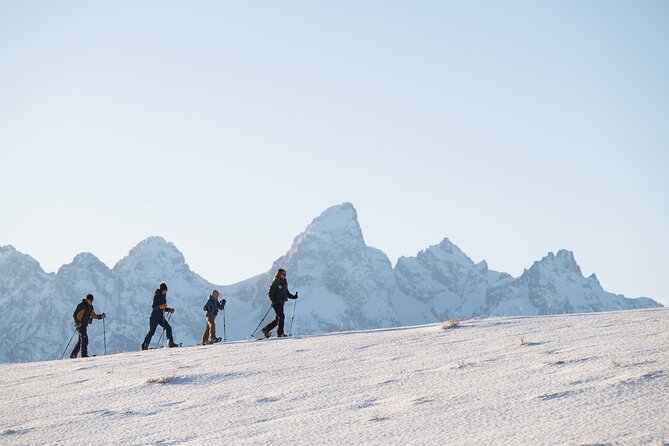
Snowshoeing here isn’t about speed. It’s about reading the park.
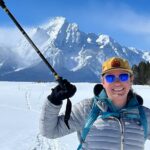
Your gear is provided—snowshoes, trekking poles, gaiters, and a backpack—so you’re not stuck figuring out rental logistics right before winter. That’s a real value point because the wrong gear can turn an enjoyable hike into a miserable day.
Pacing: leisurely for groups, flexible for private tours
The group option runs at a leisurely pace, which helps you keep your focus on what the guide is pointing out. If you book privately, the guide can accommodate different energy levels, so you’re not forced into a one-size-fits-all walk.
The guide’s job: turn winter into a story you can read
What makes the morning click is the mix of nature talk and practical noticing. You’ll likely hear about winter ecology and snow science while you’re out there, framed around what you can see around you—tracks, signs, and patterns in the snow.
That’s also why “not a lot of snow” can still be okay. Even if the snowshoe portion feels a bit lighter than expected, you still get the guided observation side of winter. The goal is understanding and wildlife awareness, not conquering powder.
Wildlife viewing: the odds game, and why the vehicle helps
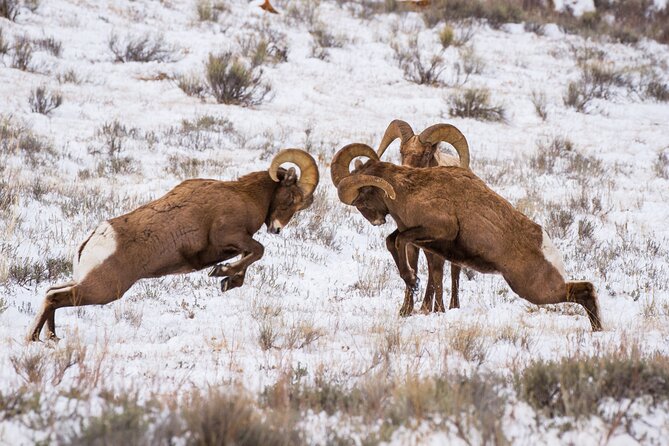
Wildlife spotting is always a mix of timing and luck. But a good guide can tilt the odds by knowing where to look, how animals tend to move, and how to read conditions.
This tour builds those advantages in. You’ll keep an eye out for many species across Grand Teton’s winter habitats. Animals you may see include:
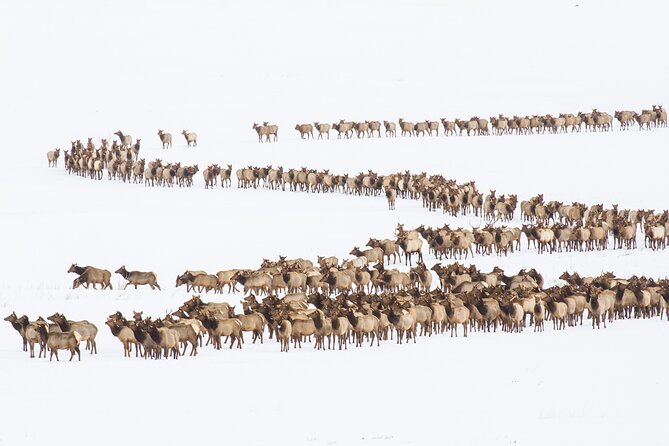
- Moose, elk, and deer
- Bighorn sheep
- Coyotes and foxes
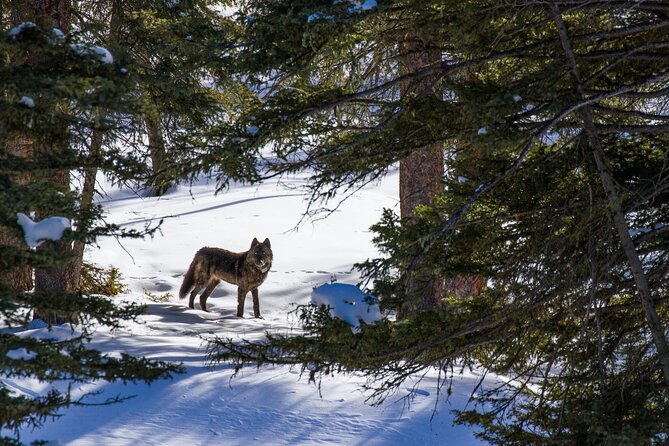
- Wolves and pronghorn (possible)
- Bald eagles and other birds, including trumpeter swans
How the experience stays comfortable while you wait
Waiting in winter can test your patience fast. The tour counters that with a comfortable vehicle setup for the wildlife portion, plus plenty of snack breaks earlier in the day.
The goal is simple: you stay warm and focused while your guide does the scanning and decision-making. When you’re watching for distant animals, being warm isn’t a luxury—it’s part of how you end up seeing something.
Photography time is built into the day
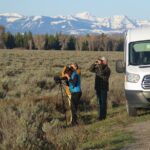
You’ll get ample time to take photos, and the guide will provide discussion along the way. Some guides also use scopes to help you get closer views when animals are farther out, which can be a big boost for both photos and understanding what you’re looking at.
Lunch and snacks: small details that make the whole day work
A winter day with no plan for food can get ugly. This itinerary does the basics right: coffee and/or tea, snacks, bottled water, and lunch are included.
That means you can focus on the outdoors instead of juggling snacks in the cold. It also prevents the common late-day slump where you start watching animals tired and cranky instead of curious.
And because the schedule includes a lunch break between the snowshoeing and wildlife viewing, you’re less likely to feel like you’re “behind” the whole time. Even if weather shifts the route, having food and warmth on track helps the day stay steady.
Price and value: what the $349 covers
At $349 per person for about 8 hours, this is not a budget activity. But it also isn’t just a sightseeing drive.
Here’s what you’re getting for that price:
- Snowshoe gear: snowshoes, trekking poles, gaiters, and a backpack
- Coffee and/or tea, lunch, snacks, and bottled water
- A guided experience focused on ecology, snow science, and wildlife viewing
- A small group size (maximum of 7)
What’s not included:
- Gratuities
- Grand Teton park entrance fee: $20 per person (valid for 7 days). If you already have a park pass, bring it. If not, you’ll be able to purchase your pass during the tour.
When you compare it to the cost of renting gear plus buying food plus paying for a guided wildlife outing, the price starts to look more like a bundled winter package. The key is the focus: it’s not a generic “we’ll drive around and maybe stop” day.
Who should book this tour (and who might not)
This is a strong fit if you want a winter day that mixes exercise with real wildlife observation—and you don’t want to manage gear logistics.
You’ll likely enjoy it if you:
- Want to learn while you’re outdoors, not just take photos
- Like guided wildlife viewing where someone else handles the “where next?” decisions
- Prefer a comfortable setup for the afternoon search
- Want a small group experience (max 7)
It may be less ideal if you:
- Are expecting guaranteed animal sightings. Wildlife is never a sure thing.
- Hate winter walking even on a manageable, guided pace.
- Plan to skip park passes because you’ll still need the $20 entrance fee if you don’t already have one.
For families: kids age 8 and under require a private tour for optimal convenience and flexibility. That’s worth noting if you’re traveling with younger children.
Weather reality: how to set expectations in winter
This tour needs good weather. That isn’t a threat—it’s the way winter wildlife days work.
If conditions aren’t workable, you’ll be offered a different date or a full refund. Practically, this means you should treat it as a “winter window” experience: you’re going for a good day, not a guaranteed one.
Also, plan for variable snow. Even on days with less snow than expected, the guide-led focus on tracks, signs, and winter ecology still gives the experience structure. It’s not all about how deep the snow is—it’s about what you notice and how you interpret it.
Should you book? My straight answer
If your idea of a great Jackson Hole day includes snowshoeing in Grand Teton plus guided wildlife viewing, this is a smart pick. The combination works because it keeps you outdoors in the morning and comfortable while scanning in the afternoon, and it’s built around learning rather than random wandering.
Book it if you want:
- A small-group winter outing with provided gear
- A guide-naturalist day that connects animals to winter ecology
- A realistic, structured schedule with lunch and snacks handled for you
Skip it if you’re only interested in one thing (either walking or wildlife viewing) or you want a lower-cost self-guided option.
If you’re flexible on the date and you’re prepared for winter’s ups and downs, this is the kind of guided day that turns into a set of sightings and stories you’ll remember long after the snow melts.
FAQ
How long is the tour?
The experience runs about 8 hours.
Where does the tour start, and what time does it begin?
It starts at 210 N Cache St, Jackson, WY 83001, USA, with a start time of 8:00 am.
What’s included in the price?
Coffee and/or tea, lunch, snacks, bottled water, and snowshoe gear are included (snowshoes, trekking poles, gaiters, and backpacks).
Do I need to pay for park admission?
Yes, the Grand Teton National Park entrance fee is $20 per person and is not included. If you already have a park pass, bring it. You can purchase the pass on the tour if needed.
Is this tour a group or private experience?
There’s a group option with a maximum of 7 travelers, and private offerings are available. Private tours can accommodate any energy level.
What wildlife might we see?
You may see wildlife such as elk, bighorn sheep, moose, deer, coyote, fox, eagles, trumpeter swans, and more.
What if the snowshoe conditions are not great?
The experience is weather-dependent. If snow conditions are not ideal, the snowshoeing experience may feel different day to day, but the tour includes guided focus on winter ecology and animal signs.
Are service animals allowed?
Yes, service animals are allowed.
Is free cancellation available?
Yes. You can cancel up to 24 hours in advance for a full refund. Canceling within 24 hours does not receive a refund.